
The role of the soil adsorption complex in plant mineral nutrition
4 min read
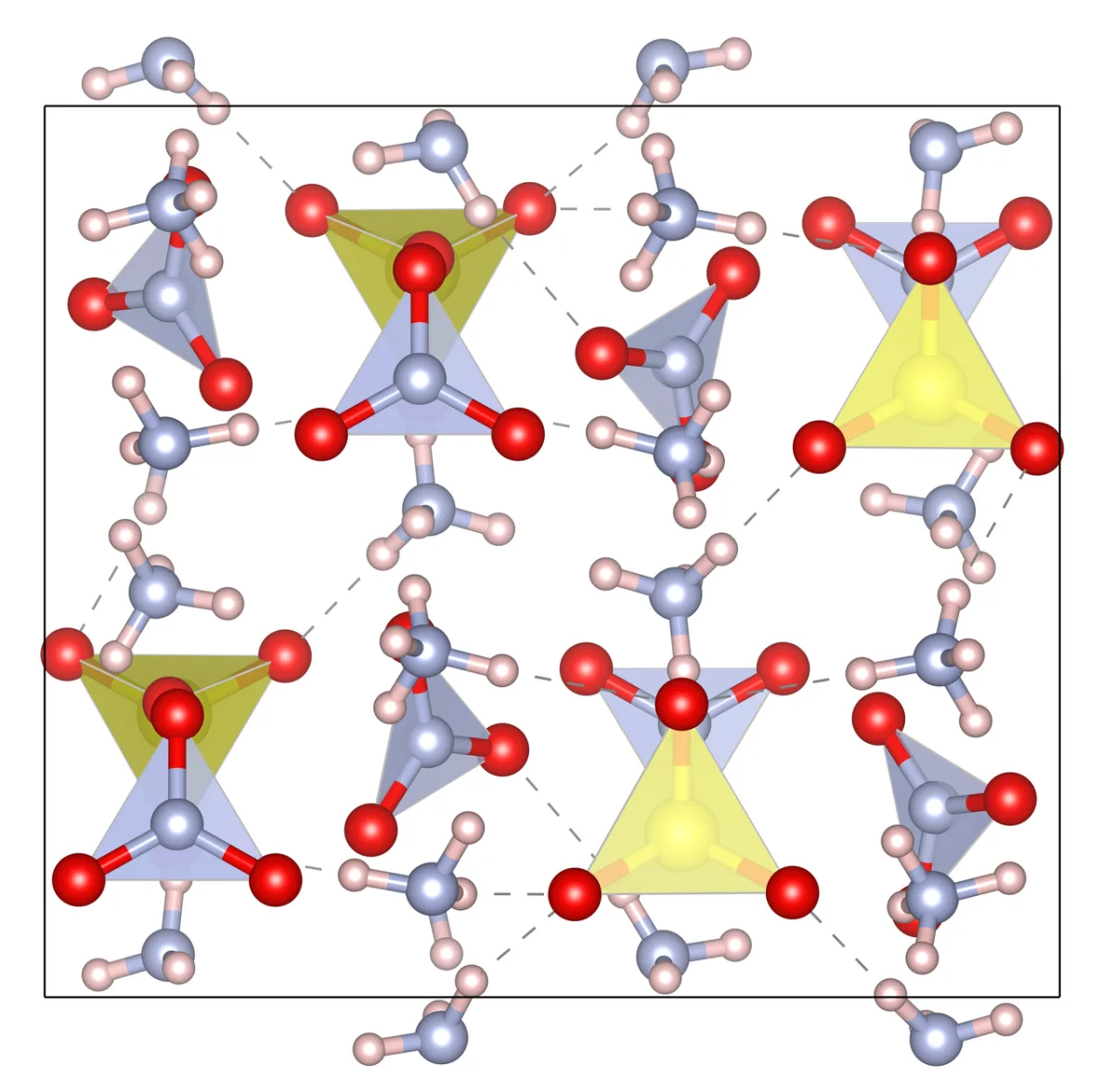
The soil adsorption complex (SAC) is the main reservoir of nutrients in the topsoil (plough layer). It is its state that determines whether applied potassium and ammonium are retained in the root zone or washed away by the very first rains. This complex consists of the finest solid particles of soil, which are capable of attracting and holding nutrients on their surface.
- Colloidal particle size — less than 0.0001 mm
- Silt particle size — less than 0.001 mm
- Iron colloid charge becomes negative at — pH > 7.1
- Aluminum colloid charge becomes negative at — pH > 8.1
Soil colloids are divided into mineral, organic, and organo-mineral types. In most cases, they are negatively charged, which allows them to firmly hold positively charged cations: calcium, magnesium, potassium, sodium, and ammonium. Plants obtain these elements through equivalent exchange: roots release hydrogen ions into the solution, and the SAC gives them nutrient cations in return.
How the soil complex is charged and how it reacts to fertilizers
Mineral colloids consist of clay minerals (montmorillonite, kaolinite, hydromica) and amorphous compounds. The permanent negative charge of clay arises due to the isomorphous substitution of tetravalent silicon for trivalent aluminum in its crystal lattice. Schematically, this transition looks as follows: (SiO2)n → [(SiO2)n–1 · AlO2]⁻ → [(SiO2)n–1 · AlO2]K, where potassium acts as the compensating cation.
Amorphous colloids (aluminum and iron hydroxides) behave differently — they are amphoteric and change their charge depending on the acidity of the medium. In an alkaline medium, they dissociate as acids, acquiring a negative charge and adsorbing cations. In an acidic medium, they behave like bases, acquiring a positive charge and adsorbing anions of the soil solution in exchange for hydroxyl ions (OH⁻). Clay minerals of the kaolinite group can behave in a similar way — acquiring a positive charge during an acidic reaction.
In organic colloids (humus), the negative charge and the ability to adsorb cations are due to carboxyl groups (COOH). In a strongly alkaline medium, the hydrogen of their hydroxyl groups (OH) can also participate in exchange processes. Organo-mineral colloids work similarly to acids, sending hydrogen ions into the soil solution and acquiring a negative charge, which is compensated by metal cations. The dissociation scheme of humus looks like this: R.COOH → R.COO⁻ → R.COOK (where R is the basis of the organic matter).
When applying mineral fertilizers, rapid exchange processes are triggered between the soil solution and the SAC. If the complex has initially accumulated a large amount of hydrogen (which is typical for acidic soils), the application of certain physiologically acidic salts can worsen the situation. For example, the reaction of ammonium sulfate with an acidic SAC proceeds according to the scheme: [SAC] Ca, Mg, 2H + (NH4)2SO4 ⇄ [SAC] Ca, Mg, 2NH4 + H2SO4.
When ammonium sulfate interacts with an acidic soil adsorption complex, free sulfuric acid is formed in the solution. This leads to rapid acidification of the soil solution, which impairs nutrient conditions for crops sensitive to increased acidity.
Read next
Agrochemistry For students
The effect of cation composition and exchange capacity on soil fertility
Agrochemistry For students
Mechanisms of anion uptake by the soil adsorption complex and their characteristics
Soil and tillage For students