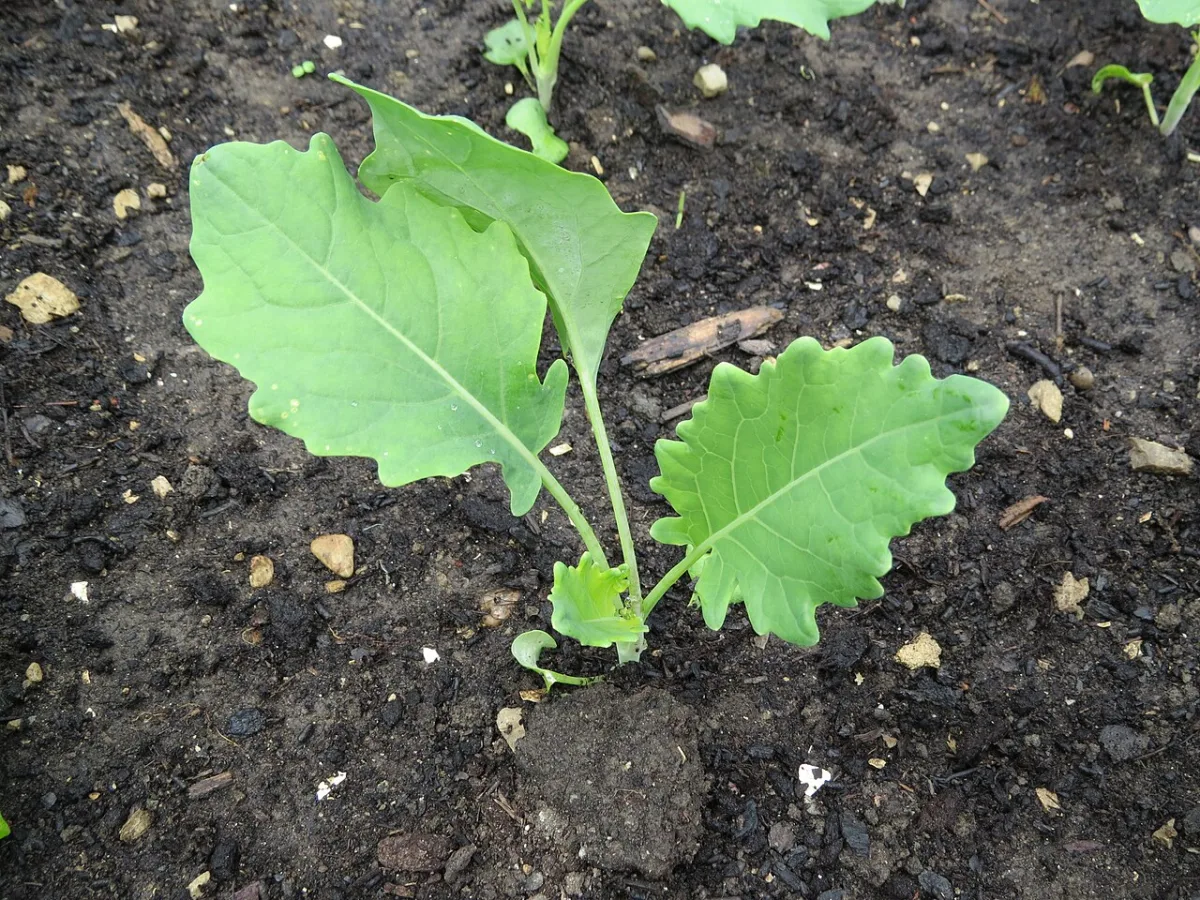
Increased soil acidity is one of the main factors limiting the productivity of agricultural crops. An excessive level of acidity not only inhibits plant development but also significantly reduces the efficiency of fertilizer application, limiting the availability of nutrients. For agronomists and private plot owners, understanding the chemical processes occurring in the soil adsorption complex is a necessary condition for developing a sound reclamation strategy and choosing an optimal mineral nutrition system.
This collection combines materials dedicated to methods of combating acidity and the fundamentals of rational fertilization. The articles examine in detail the technologies of liming, the principles of action of various mineral fertilizers, including phosphorus and magnesium forms, as well as the specifics of nutrition for vegetable and flower crops. In addition, the reader will find information on the history of the development of domestic agrochemical science, agrochemical indicators of soil fertility, and the role of trace elements, such as molybdenum, in crop formation. Studying the presented materials will allow for the systematization of knowledge about soil conditions and increase the efficiency of agricultural crop cultivation.