
The formation of domestic agrochemistry and the development of the fertilizer system
101 min read
How the scientific basis of domestic agriculture was created
Modern technologies of plant mineral nutrition, which every agronomist uses today, were built under conditions of an acute shortage of resources. In 1918, the key factor limiting yield was the widespread lack of phosphorus in the soil. To solve this problem, state-led exploration of phosphorites and preparations for the industrial synthesis of nitrogen fertilizer from the air were initiated. Searches also began for domestic potassium salts, which until then had been entirely imported.
When there was not yet a developed fertilizer industry in the country, simple and accessible solutions served as the basis for increasing soil fertility. Starting in 1923, the effectiveness of phosphorite meal, lime, and manure was studied in systematic field trials.
The development of applied science proceeded at a rapid pace. In 1919, a specialized research institute for fertilizers was established, and in 1921, the first agrochemical experimental station began its work. The discovery of major domestic apatite deposits and potassium salt beds in 1926 created a solid raw material base for the mass production of domestic phosphate and potassium fertilizers.
- Start of experiments with phosphorite meal and lime — 1923
- Scale of the first unified trials — about 4,000 experiments
- Number of participating institutions — 317
Geographical network of experiments and the growth of fertilizer production
The period from 1926 to 1931 was decisive for developing precise recommendations on crop nutrition. Large-scale field trials were conducted in hundreds of institutions using a unified methodology. The results of these field experiments formed the basis for the development of the fertilizer industry and allowed for the calculation of optimal application rates for different soil types.
Simultaneously, a system for exchanging practical experience developed. In 1929, a specialized journal appeared to cover methods of fertilizer application, liming of acidic soils, and gypsuming of solonetz soils. The publication changed its name several times: since 1932 it was published as "Chemization of Socialist Agriculture", from 1963 as "Chemistry in Agriculture", from 1988 as "Chemization of Agriculture", and since 1997 it has been published under the title "Agrochemical Bulletin". Since 1964, the scientific-theoretical journal "Agrochemistry" has also been issued.
To coordinate research, a central research institute was established in 1931, which underwent reorganization in 1991 and 2003. Its specialists actively participated in developing programs and methods for field research. They formed the key directions of modern agrochemical science, which are still relevant for field work today:
- Nitrogen nutrition: studying the nitrogen balance in the soil and increasing the efficiency of nitrogen fertilizers.
- Phosphorus and potassium: calculating optimal nutrient parameters based on the biological needs of crops, taking into account soil and climatic conditions.
- Microelements: creating scales of soil nutrient availability, developing application rates and methods for micro-fertilizers for different geochemical zones.
- Increasing soil fertility: the influence of agricultural practices, liming, and gypsuming on the return from fertilizers.
- Ecological agrochemistry: monitoring environmental safety during intensive chemicalization.
The growth in fertilizer output ensured the transition of farms to intensive technologies. The dynamics of mineral fertilizer production show how the resource base of agronomy developed in the first half of the 20th century. Even after the heavy damage caused by military actions, the chemical industry quickly restored the pace of supplying fields with nutrients.
| Year | Production volume, thousand tons (calculated in 100% nutrients) |
|---|---|
| 1913 | 17 |
| 1940 | 756 |
| 1950 | 1226 |
Samoylov Yakov Vladimirovich (1870–1925). Being a mineralogist and geochemist by profession and possessing broad erudition in natural and technical sciences, Yakov Vladimirovich made a major contribution to the chemicalization of agriculture in our country. He organized and led many years of work on the systematic geological study of domestic phosphorites, conducted the first exploration research for potassium salts in the Solikamsk region, and together with D.N. Pryanishnikov and E.V. Britske, created the Scientific Institute for Fertilizers, where he served as director for six years. As a professor at the K.A. Timiryazev Moscow Agricultural Academy, the M.V. Lomonosov Moscow State University, and the G.V. Plekhanov Institute of National Economy, Yakov Vladimirovich trained a large number of specialists working in agriculture, industry, and science.
Simultaneously with his scientific and pedagogical activities, Yakov Vladimirovich provided great assistance to the industry in creating a domestic raw material base for fertilizer production.
Together with his friends and associates, Yakov Vladimirovich organized the Public Committee for Fertilizers in 1917, of which he was elected chairman. The organizers set a goal for the Committee — to create a large domestic fertilizer industry and promote the widespread application of fertilizers based on a deep and comprehensive study of the geological, chemical, biological, technical, and economic aspects of this problem. This idea of a comprehensive, multifaceted study of major problems by a team of various specialists in order to resolve them faster and more effectively required the creation of a strong experimental and expeditionary base, which was established by the Supreme Council of National Economy in 1919 in the form of the Scientific Institute for Fertilizers, which included the main members of the Committee. The organization of the institute was carried out largely on the initiative and plan of Y.V. Samoylov, who, thanks to his responsiveness and enthusiasm, was the soul of the institute's team.
The scientific problems to which Ya.V. Samoilov devoted the most attention throughout his life were: 1) the geological and mineralogical study of mineral raw materials for the fertilizer industry, and 2) biogeochemical research into the formation conditions of a number of minerals and sedimentary rocks in connection with the participation of animal organisms in these processes.
Aleksandr Nikolayevich Lebedyantsev (1878–1941) was the organizer of systematic field research conducted from 1924–1930 in various zones of our country, which came to be known as the Geographical Network of Field Experiments. His name is associated with the development of a number of problems that had a significant impact on the development of domestic agrochemical science, which was of great importance for the national economy. Thanks to the Geographical Network of Field Experiments he clearly organized, a geographical regularity in the effect of various types and forms of mineral fertilizers was established, and their regional requirements in the country as a whole were determined, which served as the justification for the development of the domestic fertilizer industry. A.N. Lebedyantsev was the first to experimentally establish the possibility of effective application of phosphate rock not only on degraded soils, but also on the chernozem soils of the European part of our country. This was of great national economic importance, as it allowed for the replacement of expensive and scarce superphosphate with cheaper and more common phosphate rock. D.N. Pryanishnikov named the new zone of phosphate rock application after its discoverer – the "Lebedyantsev zone." Further research showed that the high effectiveness of phosphate rock in the northern part of the chernozem belt is mainly due to the dissolving action of nitric acid formed during the nitrification process in these soils.
A.N. Lebedyantsev devoted much attention to the methodology of setting up and conducting agrochemical research. He developed a methodology for investigating the nitrification process in the soil, a nephelometric method for determining phosphorus in soils, plants, and fertilizers, methods for burning plant samples to determine phosphorus, a methodology for determining moisture in plant biomass, a methodology for recording yields in experimental plots using trial sheaves, and a new method of soil mapping for creating detailed plans of plots for the purpose of conducting field experiments. A.N. Lebedyantsev participated in the work of the USSR State Planning Committee during the drafting of the second five-year plan for agricultural development. As head of the Department of Agricultural Chemistry at Moscow State University from 1924 to 1931, A.N. Lebedyantsev made a significant contribution to improving the teaching of agricultural chemistry and the development of agrochemical research. The courses he taught during those years—"The Science of Fertilization," "Methods of Agricultural Research," and "The Science of tillage"—were distinguished by their completeness, depth of coverage, and the coherence and clarity of their presentation. The scientist paid great attention to familiarizing students with classical works on agricultural chemistry. Under his editorship, the Russian edition of Justus von Liebig's book "Chemistry in its Application to Agriculture and Physiology" was published, as well as a translation of Jean-Baptiste Boussingault's "Selected Works on Plant Physiology and Agricultural Chemistry."
The development of waterlogged lands and acid soils requires an accurate understanding of their agrochemical properties. The first systematic studies on the genesis of bog soils began as early as 1913 with the creation of a specialized bog station, which operated until 1925. The research helped develop rational methods for developing peatlands and studying the changes in peat under the influence of crop cultivation. Particular attention was paid to the complex water regime of drained peatlands and its influence on vegetation development, as well as methods for increasing the soil fertility of eroded soils.
To monitor the condition of fields, agronomists use chemical methods to determine natural soil fertility. A special method for determining mobile phosphates in the soil as the main source of phosphorus plant nutrition made it possible as early as 1931 to compile the first cartograms of their content in podzolic and chernozem soils. In practice, the method for determining soil requirements for potassium fertilizers is also widely used. These analyses help to accurately calculate the application rates of nutrients for the planned harvest.
Research data from 1934 warns: in the case of a severe potassium deficiency, nitrogen fertilizers not only fail to increase the harvest but can even ruin it. The importance of this conclusion for the practice of chemicalization cannot be overstated.
Phosphorus availability and the role of microelements
The application of phosphate rock requires taking into account the biological characteristics of crops. The availability of phosphorus from sparingly soluble compounds increases when calcium ions are removed from the soil solution. Based on a comparison of the CaO and P2O5 content in plant ash with harvest increases from the application of phosphate rock, agricultural crops are divided into two groups. The boundary is determined by the ratio of calcium oxide to phosphorus pentoxide in plant ash.
- CaO : P2O5 ratio in cereals — less than 1.3
- CaO : P2O5 ratio in legumes, buckwheat, and beet — more than 1.3
- NH4OH concentration for phosphate group IV — 3 N
Cereal crops do not assimilate phosphorus from phosphate rock. On the contrary, legumes, buckwheat, and sugar beet efficiently utilize this source of nutrients. During nutrition, the roots of these plants alter the equilibrium between the solid and liquid phases of the substrate. Carbon dioxide is released in the rhizosphere, and its concentration can reach near-full saturation, facilitating the dissolution of tricalcium phosphate and phosphates.
The solubility of iron phosphates is strongly influenced by the acidity of the environment. Their solubility curve has a minimum point, from which the values increase in both acidic and alkaline directions. In addition to macronutrients, micronutrient fertilizers are critical for plant development. The high responsiveness of crops to manganese and molybdenum was experimentally confirmed as early as 1913.
To assess the phosphate regime of soils and the dynamics of compounds under the influence of lime and fertilizers in detail, soil phosphates are divided into five groups. This classification, described in detail in the fundamental monograph on the agrochemistry of potassium and phosphorus from 1956, allows for predicting the availability of the element to plants. Based on these data, an agronomist can more accurately plan liming and phosphate application.
The effectiveness of mineral fertilizer application under field conditions is positively influenced by the presence of forest shelterbelts.
| Phosphate group | Solubility and availability characteristics | Reagent used |
|---|---|---|
| I | Soluble in carbonic acid | 0.05 N solution |
| II | Soluble in acetic acid | 0.5 N solution |
| III | Soluble in hydrochloric acid | 0.5 N solution |
| IV | Soluble in alkali | 3 N NH4OH |
| V | Insoluble | Not extracted by the specified solvents |
Oskar Karlovich Kedrov-Zikhman (1885–1964) was one of the first in our country to launch work on the comprehensive study of liming acidic soils and its implementation in practice. He developed various methods for increasing the efficiency of lime fertilizers and combining liming with the application of organic fertilizers and micronutrients. As a result of years of research, O.K. Kedrov-Zikhman formulated the basic theoretical tenet of modern liming, which states that to improve the poor agrochemical properties of acidic soils, it is first necessary to eliminate their excess acidity through liming, reducing it to a slightly acidic reaction corresponding to pH 5.6–5.8 in a salt extract. He studied new forms of lime fertilizers – calcareous tuff, lake lime, peat tuffs, and also clarified the action of previously used forms of slaked lime, chalk, and limestone flour. O.K. Kedrov-Zikhman conducted studies on the determination of mobile phosphates in soil and the influence of biological processes on the transformation of soil phosphates. He was the first to show the extent of biological phosphate uptake and the conditions for their mobilization. O.K. Kedrov-Zikhman is one of the pioneers in studying the problem of micronutrient fertilizer application in agriculture. He closely linked the role of micronutrients in plant nutrition with liming. In particular, the application of boron proved to be a radical means of combating the consequences of excessive lime application. He also established a decrease in the mobility of manganese and cobalt in limed soils and, conversely, a sharp increase in the mobility of molybdenum. O.K. Kedrov-Zikhman widely used the radioactive isotope method to study the effect of a number of elements on plants: cobalt, calcium, and zinc. This allowed him to reveal various aspects of their uptake by plants and their influence on various physiological processes. On the initiative and under the guidance of O.K. Kedrov-Zikhman, the first gamma-field in the USSR was organized to study the influence of radioisotopes on crop plants. Original studies on the uptake and movement of radioactive strontium in plants were conducted there, as well as studies on the importance of liming in combating soil contamination with this element.
Aleksandr Fedorovich Tyulin (1885–1955). During the first period of his scientific activity (1920–1930), he studied questions of soil structure, liming, and fertilizer application. Working at the VIUA (1932–1941), he paid much attention to studying the most important agronomic properties of soils in the laboratory of soil colloids he created. At the same time, the scientist developed a new method for separating primary soil particles into groups. (The results of this work are set out in the book "Colloid-Chemical Study of Soils for Agronomic Purposes", VIUA Proceedings, vol. 27, 1946).
During the Great Patriotic War, A.F. Tyulin took an active part in the work on introducing new crops to the east and studying the agronomic properties of Siberian chernozems, as well as the chernozems of the European part of our country. A.F. Tyulin sought to provide a theoretical basis for the differentiated application of mineral fertilizers on chernozems, considering the inefficiency of the standard practice of applying the same fertilizer doses in the extremely heterogeneous soil conditions of our vast country.
For the last five years of his life, the scientist dedicated himself to studying the effect of mineral fertilizers on the fruiting of woody plants. During this time, he managed to carry out a number of original experimental works in the oak forests of the Tellermanovskiy forest massif and obtained new data of great scientific and practical significance. As a result of studying the dynamics of nitrogen, phosphorus, and potassium content, he established regular seasonal fluctuations of these elements in the soil and in plants.
At the beginning of the growing season, a temporary decrease in nitrogen and phosphorus is observed in the root-inhabiting layer of the soil, followed by their gradual return from plants to the soil at the end of the year; by autumn, the amount of nitrogen and phosphorus in the soil becomes close or equal to the level it was in the spring. During the same periods when nitrogen and phosphorus temporarily decrease in the soil, the influx of these same elements increases in the roots, leaves, and shoots of the oak. Massive, repeated complex analyses of soil and plants, conducted over a number of years in different geographical conditions of our country, yielded similar results. This allowed A.F. Tyulin to generalize and formulate general biological laws governing the intake of nutrients into woody plants.
The scientist's work on issues of soil structure, the patterns of its formation depending on the content of silty and clay particles, and rational methods for studying soil structure has gained wide international recognition.
Further development of work on soil structure logically led him to the idea of differences in the structure of the surface of soil particles and, accordingly, their varying participation in the formation of soil aggregates. A.F. Tyulin managed to convincingly demonstrate the presence of sorbed films of hydrated sesquioxides and humus on the surface of soil colloids and to provide a concept of bound and free soil colloids. Based on these principles, he proposed a method of fractional peptization of soil colloids. This method began to be used not only in the USSR but also abroad. Materials obtained using this method have become firmly embedded in soil science, agricultural chemistry, and agriculture.
A characteristic feature of all the scientist's work is its constant connection with practice. He proposed a project for the radical reclamation of subtropical podzolic soils, on which the yield of citrus crops was declining. Experiments based on this project fully justified A.F. Tyulin's views, and the yield of citrus crops was significantly increased.
Shmuk Alexander Alexandrovich (1886–1945) was an outstanding agricultural chemist, a talented educator, and a major organizer of science, the first head of the Department of Agronomic Chemistry at the Kuban Agricultural Institute (1921–1935), an academician of VASKHNIL, Doctor of Biological Sciences, professor, and a recipient of the Stalin Prize.
A.A. Shmuk paid great attention to issues of agronomic chemistry. His research in this area undoubtedly places him among the leading agricultural chemists of our country. Of great interest is his approach to the study of soil organic matter. He was one of the first researchers to approach soil humus as a substance that should possess the capacity for such fundamental transformations of organic compounds as nitration, hydrolytic cleavage, and esterification (formation of esters with benzoyl chloride). His studies, which showed that the hydrolysis of soil organic matter yields products analogous to those of the hydrolytic breakdown of proteins, are considered classical.
In 1921, A.A. Shmuk received invitations from a number of agronomic institutes to take up the chair of agronomic chemistry. He chose the Kuban Agricultural Institute, where he occupied the chair of agronomic chemistry from the autumn of 1922. At that time, the Kuban Agricultural Institute had only just begun its pedagogical work. The department was provided only with classrooms and elementary teaching aids; it was impossible to organize serious research work, so, having received an invitation to head the Chemical Department of the laboratory of experimental tobacco growing, he moved the center of his research work to this well-equipped laboratory and set about the reorganization of this research institution, which was experiencing a difficult transitional period, with great enthusiasm. From 1922, A.A. Shmuk became its director, retaining this responsibility until the end of 1928, and conducted significant organizational and administrative work, successfully combining it with personal research activity and leadership of the chemical department.
In the period from 1921 to approximately 1936–1937, A.A. Shmuk approached the characterization of tobacco as smoking raw material, as a cultivated and industrial plant, as well as the question of its use, in an entirely new way. It is fully justified to state that he is the founder of modern tobacco chemistry. This role of his is recognized in all countries where tobacco is one of the most important industrial crops.
Due to the specific nature of tobacco, with the diversity of substances contained in its composition, A.A. Shmuk identifies the primary and leading problem as the study of tobacco as a chemical complex and the influence of individual components on the quality of tobacco. An original research methodology is being developed, as the standard set of agrochemical studies proved insufficient for solving new tasks. Systematic research of tobacco raw materials and products using new methods over several years has made it possible to introduce objective indicators for assessing the quality of tobacco and products, establish production control, and provide a scientific basis for characterizing our raw materials not only from individual regions but also by cultivar, as well as in solving many agrotechnical issues regarding the formulation of "tobacco blends" from analyzed tobacco raw materials.
As a result of this work, it was established that a high content of carbohydrates, essential oils, and resins improves the quality of tobacco, while a decrease in quality leads to a sharp increase in protein content, nicotine, and ash. The carbohydrate-protein ratio (Shmuk number) proved to be a particularly characteristic indicator for the quality assessment of tobacco.
From the individual components of the chemical composition of tobacco, A.A. Shmuk studied in detail essential oils, which are directly related to tobacco quality, determining its aroma; their chemical composition was established, physical-chemical properties were described, and physical constants were determined. Along with these, resins were investigated, which also determine the aroma of tobaccos; an original method for their extraction with benzene was provided.
A.A. Shmuk established that the darkest tobaccos contain the highest percentage of polyphenols in relation to the total amount of substances that reduce Fehling's solution. The first attempt to characterize the carbohydrate complex of tobaccos was also made; the presence of ketose was proven. A glucoside with aromatic significance was also discovered in tobacco. He was the first to successfully isolate inositol from tobacco and phytin from tobacco seed; he studied a large group of polyphenolic substances.
The study of organic acids in tobacco was of great importance. As a result of this study, an accurate method for the quantitative accounting of certain acids was developed, and it was possible to isolate and identify citric acid. This discovery allowed for the development of a technological method for extracting citric acid from makhorka waste in nicotine production, which has already been successfully implemented in industrial conditions. Using A.A. Shmuk's method, not only citric but also malic acid is produced in industrial conditions.
The tobacco plant proved to be extremely rich in the complex of substances it contains, which provides a new direction in using this plant as a technological crop to obtain a number of valuable substances from it:
- nicotine;
- citric and malic acids;
- pectic substances;
- oil and protein from seed;
- cellulose from the stem.
A.A. Shmuk was the first to apply the electrodialysis method in the laboratory to the processing of plant raw materials, which made it possible to isolate alkaloids from the tobacco plant and improve the quality of low-grade tobaccos. Industry highly evaluates the work of the Institute of Tobacco Science, which he led. The Institute receives large financial resources, which allows for the creation of increasingly favorable conditions for the further development of scientific research.
In parallel with heading the Institute of Tobacco Science, A.A. Shmuk vigorously developed work on agrochemistry at the Kuban Agricultural Institute. During this period, the scientist published several works devoted to the study of the nitrate regime in soil and plants. The ability of nitrates to undergo non-biological absorption in the soils of the Kuban was shown; numerous observations proved the rapid disappearance of nitrates under plants, which cannot be explained by simple absorption by plant roots during the feeding process. The disappearance and absence of nitrates in the soil are a consequence of the specific influence of plant enzymes found in the roots of plants, which facilitate the reduction of nitrates directly or through denitrifying organisms.
A.A. Shmuk developed a number of methods that have found application in both agrochemical and biochemical research. He developed:
- micromethods for the determination of absorbed bases and the total cation exchange capacity in soils;
- an improved colorimetric method for the determination of phosphoric acid;
- an original method for isolating the soil solution.
In 1936, A.A. Shmuk was elected a full member of the V.I. Lenin All-Union Academy of Agricultural Sciences. At the same time, he received an offer to take the position of head of the biochemical laboratory at the Institute of Genetics of the USSR Academy of Sciences.
The Moscow period covers the following works of A.A. Shmuk:
1) on the investigation of the regularities of chemical substance formation in plants and the study of hereditary changes in chemical composition;
2) on the study of the chemical nature of substances affecting the processes of cell division in plants, and the analogy of these phenomena with the action of carcinogenic substances;
3) research on the changes in plant composition occurring during their transplantation;
4) research in the field of vitamins.
Of great importance during this period are the works of A.A. Shmuk on the study of biochemical processes occurring during interspecific hybridization and plant transplantation (grafting). As the author himself points out, "quite often a new scientific method of experimental research, while discovering new phenomena in nature, provides a new and original understanding of these phenomena, refuting the old and conservative in science." In the scientist's works, such a new method is the study of the alkaloid composition in the plant. Studying the transformations of alkaloids in grafted plants, he proved that the root system is not only an organ for supplying plants with mineral nutrients but also participates in the processes of organic matter synthesis. In particular, the synthesis of nicotine in the plant is closely related to the activity of the root system.
Antipov-Karatayev Ivan Nikolayevich (1888–1965) is one of the founders of the physico-chemical school in soil science. His name is associated with the development of the theory of soil genesis and land reclamation, problems of agronomy, and geographical patterns of soil distribution. The scientist's work in the field of reclamation of solonetzes, secondary soil salinization during irrigation and its control, as well as research into the mechanisms of structure formation and biological methods for improving solonetzes, played a particularly significant role and has not lost its importance to this day. Together with his staff, I.N. Antipov-Karatayev developed methods for electrodialysis and electrolysis of soils; he proposed original techniques for studying the sorption of vapors and gases by soils; provided fundamental justification for methods of determining bound water; thoroughly studied the phenomena of peptization and coagulation of soil colloids; uncovered the factors determining soil recharging; and investigated the role of the specific surface area of soils and developed methods for its determination. All the scientist's physico-chemical and agrochemical studies were aimed at improving the properties of solonetzes, identifying their peculiarities and specific qualities, and transforming them into fertile soils, especially under irrigation. I.N. Antipov-Karatayev investigated the absorptive capacity of soils, the nature of soil aggregates, and soil solutions in connection with plant nutrition and the application of fertilizers.
Sabinin Dmitry Anatolyevich (1889–1951) is the author of fundamental monographs: "Mineral Nutrition of Plants," "Physiology of Plant Development," and "Physiological Bases of Plant Nutrition." He made a significant contribution to the development of theoretical provisions of agrochemistry. In his works, he demonstrated the role of the root system in the absorption of water and mineral nutrient elements by plants. Conducting an analysis and comparison of all literary data available by the beginning of 1940 and the results of his own research, D.A. Sabinin wrote: "The facts allow us, it seems, to consider the view of the root system as an organ where the formation of plant growth hormones occurs, which determine the maintenance of plant meristems in an active state, to be sufficiently substantiated. In our opinion, these specific compounds are derivatives of nucleic acids arising in root systems during the transformations of nitrogen compounds, and likely phosphoric acid, taking place there." Thus, D.A. Sabinin not only drew the correct conclusion about the synthesis in plant roots of phytohormones involved in the regulation of shoot and leaf growth, but also anticipated the nature of the chemical structure of these compounds. In his works, he also showed the active participation of roots in the metabolic process and the influence of the cycle of mineral nutrient elements on plant growth and morphogenesis. He examined complex issues of mineral nutrition in connection with the environmental conditions of plants. D.A. Sabinin provided a number of recommendations on the application of fertilizers and the regulation of the quantity and quality of the harvest.
Bobko Yevgeny Vasilyevich (1890–1959) made a major contribution to agrochemistry and plant nutrition physiology and was a skilled chemist. He developed the method of sterile cultures of higher plants and conducted research using the method of so-called "solubility curves" regarding the availability of soil phosphates to plants, as well as on the issue of the fertility of Siberian soils and, in particular, solonetzes. The scientist's work on the chemical processing of phosphorites, research on the issue of soda formation in the soil, on the methodology for determining the mechanism of base absorption by the soil, and on the factors causing soil reaction are of scientific interest. E.V. Bobko conducted a number of original studies on the physiological role and fertilizing significance of microelements, especially boron: its absorption by soils, its role in pollen germination processes, its content in various plant organs, the solubility of its compounds present in the plant, and its fertilizing significance. A network of experiments on studying the effectiveness of boron allowed for the establishment of areas for the application of boron fertilizers, their doses, and methods of application. E.V. Bobko was the first to clarify the role of boron fertilizers in controlling heart rot in beet. He also conducted research on the significance of molybdenum for plant growth and development, as well as selenite and selenate acids and copper.
Maria Mikhailovna Kononova (1892–1979). Her entire scientific career is associated with the V.V. Dokuchaev Soil Science Institute. In the laboratory of Professor I.V. Tyurin, she launched studies related to the problem of soil organic matter, covering methodological issues, the study of the biochemistry of humus formation, and the processes of organic matter transformation under the influence of agricultural soil use.
In 1945, M.M. Kononova became the head of the Soil Biochemistry Laboratory and led it continuously until 1976, after which she moved to the position of scientific consultant. The range of issues developed under her leadership is extremely broad and includes many directions, the main of which are: 1) soil organic matter, the composition and nature of its constituent components; 2) processes of transformation of initial plant material, the biochemistry of the formation of humus substances, and the role of microorganisms and livestock animals in these processes; 3) geographical patterns of the humus formation process in the main soil types; 4) the role of organic matter in pedogenesis, mineral weathering, plant nutrition, and the creation of soil fertility; 5) changes in organic matter under the influence of various soil cultivation techniques.
Systematic observations of the humification process of plant objects (roots and leaves of legumes: clover and alfalfa, roots of perennial grasses, leaf litter) both in laboratory and natural conditions of various soil-climatic zones, allowed to establish the succession of microflora and the decay of a number of tissue components with the formation of new humus substances of clearly non-lignin origin, the source of which in all cases was the carbohydrate complex of tissues and lysing bacterial plasma. Possessing a number of common features with soil humic acids, and in elemental composition approaching the humic acids of podzolic soils, these substances, nevertheless, were characterized as "younger" and, in the opinion of M.M. Kononova, could be attributed to the category of "pro-humus" substances, which implied the inevitability of further changes in their nature (an increase in the C:H ratio, a decrease in oxygen content, an increase in exchange capacity). Unlike the proponents of the lignin theory of the origin of humus substances, who completely denied the role of cellulose in their formation, she established the fact that humus substances form already in the early stages of humification, before the decomposition of lignified tissues.
Based on the conducted research, M.M. Kononova formulated a concept based on the idea of humus substances as products of the condensation of structural units of phenols and nitrogen-containing organic compounds, formed with the participation of oxidative enzymes of microbial origin. In this process, all components of plant tissues, as well as products of resynthesis and metabolism of microorganisms, can serve as primary sources of structural units. The key stage in the process of formation of humus substances is the condensation of structural units, which occurs through the oxidation of phenols by phenol oxidase-type enzymes via semiquinones to quinones and the interaction of the latter with amino acids and peptides. The final stage in the formation of humus substances – polycondensation – is a chemical process.
Another debated issue was also at the center of M.M. Kononova's attention: the influence of a number of individual organic compounds on plants and the physiological activity of humus substances themselves. She repeatedly emphasized that physiologically active substances do not replace nutrients, but the enrichment of soil with such substances through the application of organic fertilizers, composts, the sowing of perennial and annual grasses, and other techniques is one of the factors that increase the vitality of plants and contribute to their more intensive use of nutrients.
Great attention in M.M. Kononova's research was paid to the development of new and the improvement of previously existing methods for studying soil organic matter, which are widely used in the practice of agricultural research, educational institutions, and experimental stations. It is difficult to overestimate the theoretical and practical significance of these deep and multifaceted studies. She is the author of unique monographs: "Problem of Soil Humus and Contemporary Tasks of Its Study" (1951) and "Soil Organic Matter. Its Nature, Properties, and Methods of Study" (1963). Both monographs were highly appreciated not only in our country but also abroad. They became reference books for soil scientists and agricultural chemists.
Ivan Vladimirovich Tyurin (1892–1962). Even during his student years, he showed an interest in the problems of soil genesis and fertility, especially in the studies of organic substances in soil. Two works completed by him date back to this time: "Synthesis of Stereoisomeric 1,4-dibromohexamethylenes" and "Investigation of the Soils of the Bryansk Experimental Forestry".
These first works determined the future direction of the scientist's main research: his deep interest both in questions of soil genesis and in problems of soil biology and biochemistry, and especially in the branch of chemistry and biochemistry of soil organic matter. -
The scientist's blossoming talent is linked to the multifaceted study of humus, summarized in the monograph "Organic Matter of Soils and its Role in Soil Formation and Soil Fertility" (1937). The brilliant development of this problem—one of the fundamental sections of soil science and agrochemistry—brought world fame to I.V. Tyurin and to national soil science.
I.V. Tyurin considers humus as a group of high-molecular-weight substances of a specific nature, the formation of which is closely related to biochemical processes. Based on these concepts, the scientist developed methods for studying the group and fractional composition of humus, the application of which allows for identifying characteristic differences in the nature of humus in soils that differ in their genetic features and degree of cultivation. He conducted detailed chemical analyses of soils and organic matter. This approach allowed the scientist to establish and formulate the main patterns of the formation of the composition and properties of humic substances in various soil types, as well as their dependence on the quality of humifying material (especially its enrichment and the environment with nitrogen), moisture regimes, temperature, the richness of weathering products of parent materials and soils (calcium, iron, aluminum), and mineralogical and particle-size composition.
Already at that time, the question of the role, abundance, and contribution of the biomass of microorganisms, micro- and mesofauna to the organic matter of various soil types was being addressed at a quantitative level.
The use of theoretical developments and experimental work of predecessors and contemporaries, mainly organic chemists, allowed I.V. Tyurin to assume the presence of oxygen-containing cycles in the composition of humic substances, the oxygen of which can be replaced by an NH group to form heterocyclic nitrogen compounds that are resistant to transformation and poorly accessible to plants. The presence of oxygen-containing heterocycles also suggested a relative ease of ring cleavage of such a structure compared to the carbon-carbon bond of aromatic rings. These works were confirmed and continued only in the 1960s with the use of new research methods.
In the 1930s–40s, the term "fulvic acids" was not yet generally accepted in soil science. This group of compounds was referred to in quotation marks according to Oden, as crenic and apocrenic acids according to Berzelius, and considered analogs of uronic acids. I.V. Tyurin showed that fulvic acids are represented by high-molecular-weight hydroxycarboxylic acids with a low nitrogen content, an increased content of H and O, and an equivalent weight (mass) close to that of humic acids, and he classified them as a specific group.
Based on the fact that soils usually contain an extremely small amount of water- and acid-soluble, i.e., free fulvic acids, with the exception of the illuvial horizons of podzolic type soils, I.V. Tyurin concluded that in soils, fulvic acids are firmly bound, and not only to the mineral part, but also to humic acids in the form of esters, in which carboxyl groups are connected to alcohol groups. Such a bond can be broken by saponification under the influence of alkali, which occurs during the extraction of humic substances. Saponification is hindered by Ca and certain Fe and Al compounds. This position would later be used by I.V. Tyurin in developing a method for determining the fractional-group composition of humus.
The pinnacle of the scientist's work in the field of soil genesis was the work published during this period, "Geographic Patterns of Humus Formation." By 1949, I.V. Tyurin had established the stocks of humus and nitrogen in the soils of the USSR and determined the composition of humus. His main conclusions were as follows: 1) the group of humic acids changes most consistently in relation to the humus content; consequently, conditions favorable for humus accumulation also promote the formation of humic acids; 2) the relative content of fulvic acids in the humus of various soil types is higher when the content of humic acids is lower; 3) the ratio of HA to FA is characteristic: for chernozems it is close to or greater than unity, while for other soil types, the FA content often exceeds the HA content by 2–3 times.
I.V. Tyurin established that the HA of chernozems are distinguished by a high carbon content and lower oxygen and hydrogen (water elements) content compared to the HA of podzolic soil, which is accompanied by a black color in chernozem HA and a brown color in podzolic soils.
I.V. Tyurin established that soil types differ not only in the content of the main groups of humic substances but also in their state—the forms of bond with the mineral part and with each other. For humic acids, I.V. Tyurin proposed three forms of bonds: 1) humic acids and their complexes with fulvic acids in a free state or in the form of Al, Fe, Ca, Mg humates, soluble in 0.1 N NaOH, which is characteristic of brown humic acids; 2) humic acids and their polymer complexes, usually with insignificant participation of fulvic acids, soluble in alkali only after decalcification (removal of exchangeable calcium from the soil) in the form of Ca humates, which are insoluble in 0.1 N NaOH. This is characteristic of black humic acids; 3) humic acids bound to relatively stable Fe and Al compounds, which are extracted after the separation of the above-mentioned substance fractions through alternating treatment of the soil residue with acid and alkali. For fulvic acids, he provided a fourth form of bond—fulvic acids extracted by mineral acids (the most free form).
The analysis of the fractional-group composition of humus allowed I.V. Tiurin to formulate the following patterns: in soils with the lowest content of humic acids (HA), brown HA and their polymer complexes predominate. In soils with high relative and absolute HA content, HA bound with Ca predominate. On the whole, the ratio of these forms is in accordance with the degree of soil saturation with calcium.
I.V. Tiurin attached great importance to methodological developments. In the 1930s, he evaluated the merits and drawbacks of various methods for determining organic carbon in soils. Based on the differences between carbon determination by CO2 yield during combustion oxidation and by the consumption of an oxidizing agent (oxidizability), a method was proposed for calculating the oxidation degree of soil organic matter. He was highly critical of the conversion factor for organic carbon to humus (1.724) proposed by van Bemmelen based on Springer's data; he believed that for different humic substances, the factor could vary from 1.8 to 2.5. Materials on the evaluation of organic carbon determination methods were presented by I.V. Tiurin to the III International Congress of Soil Science, and the method of humus determination by dichromate oxidation, which bears his name, has become firmly established in science and practice.
Naidin Pavel Georgievich (1893–1969) was the initiator of the creation and head of the All-Union Geographic Network of fertilizer experiments at VIUA, and the author of more than 150 scientific and popular scientific works on the application of fertilizers in various regions of the country, the methodology of experimental work, and the construction of fertilizer systems in crop rotation. The success of P.G. Naidin's scientific and organizational activity and his influence on the development of experimental work in the country are explained by his great talent as an organizer, creative initiative, exceptional knowledge of the specifics of farming in different regions, and personal acquaintance with almost all scientific and experimental institutions and leading scientists and practitioners in the field of experimental work. P.G. Naidin was an outstanding lecturer and speaker, and the mentor of a whole galaxy of agrochemist scientists. He was a member of the Coordination Council for Fertilizer Production and Use under the Council of Ministers of the USSR, a member of the technical council of the Ministry of Agriculture of the USSR, and a permanent consultant to the State Planning Committee (Gosplan) of the USSR and the RSFSR, and the Committee on Chemistry of the Council of Ministers of the USSR. P.G. Naidin's contribution to the development of domestic agrochemistry is undeniable and great.
Serdobolsky Ivan Pavlovich (1893–1963) was a famous Soviet scientist, soil scientist, and agrochemist; he graduated from the Faculty of Physics and Mathematics of Leningrad University. He began his professional career at the V.V. Dokuchaev Soil Institute. He worked first in the physical chemistry laboratory, then in the agrochemistry laboratory.
He widely applied his knowledge of physics, chemistry, and mathematics in his research on issues of soil science and agrochemistry. His first works in this field were devoted to the study of the variation of chemical properties of the soil cover and the development of methods for determining the physical-chemical and agrochemical properties of soils. Subsequently, for a number of years, he worked on the investigation of redox processes in soils. The works of I.P. Serdobolsky in this field are considered classic due to the depth of understanding of soil processes and the perfection of research methods. As a result of these studies, he created scientific concepts regarding the conditions of transformation of manganese and iron compounds in the soil. The scientist substantiated the necessity of using the isotope method in agrochemistry and soil science. The use of radioactive isotopes in experiments provided new insights into the chemical nature of cation and anion exchange phenomena in soils. He was one of the initiators of using radioactive stable isotopes in agriculture and agronomic science.
I.P. Serdobolsky paid much attention to the methodology of soil analysis. In the "Manual on Agrochemical Analysis of Soils," he authored the chapters on the methodology for determining pH and redox potential in soils, and on the application of the isotope method in soil and agrochemical research. Thanks to his vigorous activity, the use of these physical-chemical methods of soil research became widespread in the work of agricultural research and experimental institutions. The determination of redox potential began to be used in studying issues of irrigation, the genesis and agrotechnics of bog soils, and rice cultivation. In 1944, I.P. Serdobolsky's book "Potassium" was published, and in 1952 – "Soil Chemistry"; these works were translated into foreign languages and published abroad. They revealed the author's ability to clearly explain the current state of the most complex issues of soil science and agrochemistry and to popularize the achievements of these sciences.
Balashev Lev Leonidovich (1894–1982). He combined fruitful scientific activity at the Scientific Institute for Fertilizers (NIUF) with extensive authorial and editorial work. While still a student at the Moscow Agricultural Institute (TSKhA), he held a responsible position in the editorial office of the first Soviet agronomic journal, "Bulletin of Agriculture." In subsequent years (1929–1931), he edited the journal "Fertilizer and Harvest," which was the first journal in the USSR dedicated to issues of mineral fertilizer application. From the start of the organization of the journal "Agrochemistry" (1964) until the last days of his life, L.L. Balashev worked as Deputy Editor-in-Chief.
As a result of summarizing data from field experiments with fertilizers conducted by various agricultural organizations, L.L. Balashev established the high efficiency of mineral fertilizers across almost the entire territory of the Soviet Union, with crops showing the greatest response to fertilizers in the zone of sufficient moisture. These summaries of field research were published in 19 issues of the NIUF Proceedings, covering practically all regions of the USSR. The comprehensive work "The Effect of Nitrogen, Phosphorus, and Potassium on Field Crop Yields by Regions of the USSR" provided a complete summary of the results of field experiments with fertilizers. The main author and permanent editor of all these works, which established the geographical patterns of mineral fertilizer efficiency depending on climate, soil type, and crop variety, was Lev Leonidovich. He carried out extensive and practically important work for agriculture by compiling the "Handbook on Fertilizers" (1933). The handbook provides information on agronomic ores and methods for their technological processing, characterizes nitrogen, phosphorus, potash, compound, and other types of fertilizers, and describes the methods and conditions for their application in agriculture. The scientist authored the books "Manure Fertilizer" (1929)
"Phosphorite on the Soils of the USSR" (1936) and compiled the dictionary-handbook "Chemization of Agriculture," which went through two editions (1964; 1968). L.L. Balashev dedicated his doctoral dissertation (1947) to the dependence of the effect of mineral fertilizers on the varietal characteristics of plants.
Alyamovsky Nikanor Ivanovich (1895–1963) was a prominent agrochemist specializing in the use of fertilizers. The main part of his work is devoted to the problems of soil liming. Working at the VIUA Soil Liming Laboratory from the moment of its organization in 1932, he participated in the development of several important directions in liming. In particular, he conducted extensive research on the study of forms of lime fertilizers, as well as on the development of a methodology for determining their composition. Studying these issues, N.I. Alyamovsky created a device for the colorimetric determination of acidity, which, unlike others recommended both domestically and abroad, was characterized at that time by high accuracy and had a scale with colors resistant to light exposure. An important quality of N.I. Alyamovsky's device was that it could be used not only in laboratory settings but also in the field. The scientist's research on soil liming is summarized in his fundamental monograph "Lime Fertilizers in the USSR."
Askinazi David Lvovich (1896–1968) made a great contribution to the chemization of agriculture in our country and the development of domestic agrochemical science. He was an outstanding methodologist. His method for determining the soil cation exchange capacity received universal recognition. D.L. Askinazi conducted a number of original works on the study of phosphorus absorption by various components of the mineral and organic parts of the soil, on the forms of phosphates, and on methods for their determination in soils. The scientist's work allowed for the creation of a correct understanding of the nature of soil acidity, the interaction of acidic soils with lime and phosphorite, and ways of determining acidity. For the first time, the possibility of changing the soil exchange capacity when shifting its reaction was established. D.L. Askinazi was the author of the first instruction on soil liming and the initiator of the widespread implementation of this agricultural practice. He is the author of the fundamental monograph "Phosphate Regime of Soils with an Acidic Reaction and Ways of Its Regulation for Agricultural Purposes."
Volfkovich Semyon Isaakovich (1896–1980) was one of the authors of the technology for processing apatite raw materials into superphosphate. He conducted research on the extraction of phosphoric acid from domestic raw materials. He initiated the creation of the first technological scheme for the production of potassium chloride from sylvinite. Based on his work on the use of borosilicate ores, the acid method for producing boric acid was implemented in the industry. Under the guidance of S.I. Volfkovich, the physicochemical processes of crystallization of ammonium nitrate and other salts were investigated, and based on work in the field of utilization of fluoride gases released during the processing of natural phosphates, industrial enterprises produce fluoride and fluorosilicate salts of sodium, potassium, and ammonium. S.I. Volfkovich participated in the development of the plant for the industrial synthesis of ammonia, first carried out in the USSR, and was one of the initiators of the development of the technological process for producing urea and its compositions with ammonium phosphates. He was one of the founders and leaders of the Scientific Research Institute for Fertilizers and Insectofungicides (NIUIF). Together with D.N. Pryanishnikov, he made a great contribution to the development and implementation of plans for the chemization of agricultural production in our country.
Zenon Iosifovich Zhurbitsky (1896–1986) studied the theory of plant nutrition and methods for conducting vegetative experiments. He laid the scientific foundations for the nutrition of vegetable crops and methods of fertilizer application in vegetable growing. As a result of many years of research into the mineral nutrition of a wide range of biologically diverse vegetable plants, Z.I. Zhurbitsky developed principles for the application of fertilizers to obtain high yields. He carried out a number of unique studies on managing plant growth and development based on the study of their requirements for mineral nutrients. Z.I. Zhurbitsky conducted original experiments to study the role of the atmospheric electric charge and the Earth's electric field in plant nutrition, as well as on improving methods for growing plants in a soilless medium (hydroponics and aeroponics). He is the author of fundamental works: "Vegetation Method" and "Physiological and Agrochemical Foundations of Fertilizer Application".
Ivan Prokhorovich Mamchenkov (1896–1980). Conducted original, multi-faceted research on evaluating various methods of manure storage. He established that with the aerobic method of manure storage, to avoid nitrogen losses, it is necessary to compost it with superphosphate and rock phosphate. He developed and implemented the most rational methods for preparing and storing manure, composting it with rock phosphate and superphosphate, as well as with various organic components, which allowed for the production of high-quality fertilizers. He showed that composting manure with rock phosphate increases the rate of its humification, reduces manure nitrogen losses, and increases the utilization coefficient of phosphorus from rock phosphate. Composting manure with superphosphate also drastically reduces nitrogen losses. He was the first to establish that when peat and peat-manure composts self-heat to 60-70°C, the content of ammonium and easily hydrolyzable nitrogen in them increases significantly. A study of various types of bedding (straw, wood shavings, peat) showed that it is most economically feasible to use straw and peat for bedding, since the mobilization of nitrogen in peat is achieved by composting it with manure, liquid manure, and various agricultural and municipal waste products. The possibility of using sewage sludge as fertilizer was studied, and it was proven that the combined application of organic and mineral fertilizers in crop rotation is most advantageous.
Andrey Vasilyevich Sokolov (1898–1980) developed the principles of agrochemical zoning of the USSR territory. To his credit is the creative unification of Soviet agrochemists and soil scientists to solve the problem of intensification and chemicalization of agriculture. He linked the results of soil science research with the tasks of agricultural planning, problems of fertilizer application, the agrochemical service, and the demands of agrochemical practice. A.V. Sokolov was one of the initiators of establishing agrochemical laboratories at Machine-Tractor Stations (MTS), and in the post-war years, the creation of a unified state agrochemical service in the USSR.
The scope of the scientist's scientific interests was very broad, and in some areas, he was a pioneer or provided a powerful impetus for their development. A.V. Sokolov developed a microdynamic method for assessing soil fertility and studied the nature of the interaction between organic and nitrogen fertilizers with the soil.
A significant place in the scientist's research is occupied by questions of phosphorus nutrition of plants. As early as the 1930s, he investigated the content of various forms of phosphorus compounds in plants depending on their nutritional conditions. In these experiments, using methods developed by himself, the content of inorganic and organic phosphorus compounds was determined, subdivided into:
- nucleoprotein phosphorus;
- phosphatides;
- phytin;
- sugar phosphates.
These were the first studies on the influence of growing conditions on the content of various forms of phosphorus compounds in plants. Remarkable in the design of these studies is the deep interest in the metabolism of phosphorus compounds in the plant. Studying the possibility of regulating the rates of growth and development through phosphorus nutrition, A.V. Sokolov linked accelerated plant development with the intensive synthesis of phosphatides and nucleoproteins.
Along with the study of phosphorus metabolism in plants, he paid great attention to determining the forms of phosphorus available to plants in soils. The scientist developed an original method using the 32P phosphorus isotope to determine the comparative availability of phosphorus from various fertilizers, as well as from soil reserves, to plants. Based on the study of plant phosphorus and nitrogen nutrition, the phosphorus regime of soils, and the study of the properties of phosphorus and potassium fertilizers, he substantiated the feasibility of producing ammophos and complex fertilizers based on it.
Granulation, band placement and nutrient balance
The introduction of granular fertilizers and the transition to their band placement significantly increased the efficiency of agrochemical measures. Granulation improves the physicochemical and physical-mechanical properties of fertilizers, reducing their caking and ensuring uniform distribution across the field. Band placement allows nutrients to be delivered directly into the root development zone of young plants during the early stages of the growing season.
A clear link has been established between plant reaction to the liming of acidic soils and the application of chlorine-containing fertilizers. The similarity of these reactions allows an agronomist to predict the sensitivity of a specific crop to chlorides in advance, even before their application.
Accounting for biological nitrogen is essential for planning nitrogen nutrition of crops. The volumes of nitrogen fixation by grain legumes have been experimentally determined depending on their yield against various agrotechnical backgrounds. These data formed the basis for calculations of the balance and nutrient cycling in agrocenoses, which allows comparing agricultural land with natural ecosystems.
The theoretical foundations for the distribution of nutrients in the soil and the principles of working with them were established in a series of specialized works:
- "Vegetation Method" (1938)
- "Analysis of Agricultural Plants" (1941)
- "Distribution of Nutrients in Soil and Plant Yield" (1947)
- "Agrochemistry of Phosphorus" (1950)
Practical recommendations on fertilizer application and soil mapping are summarized in reference literature from various years: handbooks on fertilizers (1933 and 1934), "The Agrochemical Companion" (1940), handbooks on mineral fertilizers (1960) and the chemization of agriculture (1969), as well as in guides on compiling soil and agrochemical maps (1964) and agrochemical methods of soil research (published between 1944 and 1975). Studies from 1899–1996 also detail the physical properties of fertilizers to improve their quality during storage and application.
Methodology of Soil Analysis and Nutrition Diagnosis
Monitoring soil fertility and crop condition requires precise analytical methods. During the work carried out in the period 1899–1994, a trend emerged in studying trace elements in the "soil-plant" system. To assess crop nutrition, the uptake of manganese, zinc, copper, and boron is analyzed, along with their chemical forms and dynamics in soils. The content of these elements is determined directly in plant organs: fruits, leaves, and shoots.
Since 1936, systematic work began on training specialists and standardizing methods of chemical soil analysis. Prior to this, only one basic guide, published in the 1920s, was used in the country. The implementation of new analytical standards took place in stages:
- Development of total analysis methods for the quantitative determination of elements after soil decomposition (teaching manual, 1949).
- Systematization of all main types of soil analyses in a single complex (guide, 1952).
- Creation of a fundamental code of verified and improved methodologies for agrochemical laboratories (guide, 1961).
- Incorporation of new instrumental methods, complexometry, and ion-exchange resins into practice (second edition of the guide, 1970).
To accelerate and facilitate laboratory work, the gelatin method for determining silicic acid was introduced into practice. An important milestone in nutrition control was the use of radioactive isotopes in soil and agrochemical research, a microdynamic approach to studying the distribution of fertilizer particles in soil, and the use of mathematical statistics to evaluate the reliability of results from vegetation and field experiments.
- Implementation of total soil analysis — 1949.
- Publication of the main guide on soil analysis — 1961.
- Expansion of complexometry methods (Fe, Al, Ca, Mg, S) — 1970.
Properties of Liquid Nitrogen Mixtures and Localized Phosphorus Application
The use of liquid nitrogen fertilizers, including urea-ammonium nitrate (UAN) solution, requires precise consideration of their physical and chemical properties. UAN allows for the preparation and application of liquid fertilizer mixtures with high uniformity of distribution across the field. When using anhydrous ammonia, it is necessary to consider the intensity of its migration in the soil.
The transformation and migration of ammonia in the soil depend on a complex of external factors that determine the overall efficiency of nitrogen nutrition of plants.
The behavior of liquid nitrogen fertilizers in the soil profile directly depends on the following parameters:
- soil reaction (pH);
- ambient and soil temperature;
- humidity of the cultivated layer;
- soil texture.
To optimize phosphorus nutrition, a method of combined application of superphosphate and phosphate rock has been developed. The effectiveness of granular superphosphate increases significantly with localized application. This method reduces the contact area between the granules and the soil, slows down undesirable physical and chemical transformations of phosphorus, and facilitates its uptake by the root system.
Peatlands should be focused on the cultivation of forage crops. The application of peat-mineral fertilizers, especially pure peat, is economically and agronomically unfeasible.
Biogeochemical Zoning and Threshold Concentrations of Trace Elements
The biosphere is characterized by pronounced chemical heterogeneity, which causes the migration of elements along the chain from the parent rock to plants, livestock animals, and humans. A deficiency or excess of trace elements in the soil directly affects the productivity of agrocenoses. Determining the threshold concentrations of chemical elements allows for the timely detection of latent deficiencies in crop nutrition.
- Initial research on trace elements — 1929–1931
- Establishment of the Department of Comparative Biochemistry — 1935
- Proposal of biogeochemical provinces — 1938
- Biosphere subregions studied — over 30
- Biogeochemical provinces investigated — 130
Disruption of the natural balance of trace elements causes pronounced biological reactions in organisms. Specific endemic diseases in livestock animals and humans have been described under various geochemical conditions:
- vitamin B12 deficiency (in the Non-Black Earth zone);
- molybdenum gout;
- lead neuralgia;
- boron enteritis;
- strontium chondro-osteodystrophy.
To prevent pathologies, it is important to consider established biogenic migration cycles of key elements in specific regions:
| Elements studied | Results of biogenic cycle research |
|---|---|
| Copper | Biogenic migration cycle established under the country's geochemical conditions |
| Cobalt | Biogenic migration cycle established under the country's geochemical conditions |
| Zinc | Biogenic migration cycle established under the country's geochemical conditions |
| Boron, cobalt, copper, manganese | Joint biogenic migration cycle established under the country's geochemical conditions |
| Boron | Biogenic migration cycle established under the country's geochemical conditions |
| Selenium | Biogenic migration cycle established under the country's geochemical conditions |
| Iodine | Biogenic migration cycle established under the country's geochemical conditions |
| Uranium | Biogenic migration cycle established under the country's geochemical conditions |
| Zinc, mercury, arsenic, and antimony | Joint biogenic migration cycle established under the country's geochemical conditions |
Mapping biogeochemical zones allows for the development of precise recommendations for the application of micro-fertilizers. This helps to compensate for natural element deficiency, increasing crop yield and the quality of the harvested produce. Such an approach reduces costs for chemical inputs and increases the overall profitability of crop production.
The ecological and geochemical studies by V.V. Kovalsky form the basis for standardizing trace elements in the nutrition of humans and livestock animals in order to adapt organisms to extreme environmental conditions and prevent endemic diseases, as well as for the industrial production of preparations and feed enriched with trace elements.
V.V. Kovalsky attached paramount importance to completing scientific developments and implementing them in practice, constantly emphasizing that theoretical biogeochemical research constitutes an important basis for solving national economic problems not only in the future but also at present.
He is the author of numerous recommendations for the use of trace element top dressing in livestock farming; he and his students developed methods for the artificial alteration of biogeochemical food chains in water bodies, ensuring a significant increase in fish productivity and the quality of fish as a food product.
Klechkovsky Vsevolod Mavrikievich (1900–1974) was one of the first in Russia to use artificial radioactive isotopes for the purpose of studying plant nutrition and researching the effectiveness of fertilizer application. In 1947, he organized a biophysical laboratory at the Timiryazev Academy, which became the largest center for the application of radioisotopes and nuclear radiation in agricultural research.
V.M. Klechkovsky is the founder of a new, important branch of modern agrochemistry, known as the agrochemistry of radioactive fission products. The exceptionally important theoretical and practical significance of researching the behavior of fission fragments in soil and plants is linked to the rapid development of nuclear technology and industry.
V.M. Klechkovsky and his numerous students carried out an extensive program of work that made it possible to uncover the basic patterns of behavior of a wide spectrum of radioactive fission products in soil and the specifics of their uptake by plants and accumulation in the harvest. Fundamental studies on the behavior in soil and the transfer to plants of micro-quantities of radioactive isotopes of strontium, cesium, zirconium, cerium, ruthenium, and other radionuclides belonging to fission fragments of heavy atom nuclei became foundational in solving many issues concerning the problem of radioactive fallout and the migration of radionuclides through biological and food chains.
The results of the scientist's work were presented on behalf of the USSR to the UN Scientific Committee on the Effects of Atomic Radiation and were discussed at international conferences on the peaceful uses of atomic energy:
| Event Name | Year |
| First International Conference on the Peaceful Uses of Atomic Energy | 1955 |
| Second International Conference on the Peaceful Uses of Atomic Energy | 1958 |
These works received international recognition.
Sapozhnikov Nikolai Arkadyevich (1901–1980). A prominent scientist in the field of agrochemistry and agriculture. His scientific career was connected with the most critical periods of the country's agricultural development: collectivization, the development of cotton growing in the Transcaucasian republics, the restoration of agriculture after the Great Patriotic War, and its intensification in the Non-Black Earth zone of the RSFSR. The vast factual material he personally collected served as the basis for over 100 printed works and four monographs he authored. A special place in these works is occupied by the development of a farming system as an integral part of rational agricultural management in the North-Western zone of the country, the results of which are summarized in three separate publications. During the development of the theoretical foundations of the soil tillage system applied to the Non-Black Earth zone, his multifaceted approach to the problems being studied was clearly manifested, combining agrophysical and agrochemical research with the study of biological processes in the soil.
N.A. Sapozhnikov was the first in the USSR to propose an original method of using the radioactive isotope of phosphorus to determine the absorptive capacity of the plant root system under field conditions. The result of this stage of work was the monograph "Biological Principles of Tillage of Podzolic Soils". The monograph "Scientific Principles of the Fertilizer System in the Non-Chernozem Zone" became a handbook for agricultural chemistry service specialists.
N.A. Sapozhnikov was one of the first in the country to lead the study of nitrogen transformation processes and nitrogen nutrition of plants with extensive use of the stable isotope 15N. In the laboratory he headed, original studies were conducted with labeled microbial biomass, labeled nitrogen, and through the method of isolated nutrition and heavy nitrogen, the importance of the physiological factor in the use of soil nitrogen by fertilized plants was shown. Using the double-labeling method for 15N and 32P fertilizers, the mutual influence of these elements on nitrogen and phosphorus nutrition of plants on soils of different levels of soil fertility was revealed. The results of these studies were reflected in the monograph "Nitrogen in Agriculture of the Non-Chernozem Zone".
Chernov Vasily Andreyevich (1901–1960). His first studies were devoted to examining the influence of fertilizer application methods on the potato crop. He developed and described localized fertilizer application and established the advantage of this method over broadcasting.
The scientist identified the following important patterns of the influence of agrochemicals on plants:
- the negative impact of high application rates of physiologically acidic mineral fertilizers on plant growth and development;
- a method for neutralizing the harmful effects of high fertilizer application rates using lime.
V.A. Chernov developed a method for localized application of complex fertilizers consisting of mineral salts of nutrients, lime, and organic substances, which ensures high potato yields. He studied the movement of nutrients in the soil, in particular:
- investigated the diffusion of NO3– and Сl– ions;
- studied cation exchange reactions in soils.
The scientist established that the K-equilibrium constant, calculated according to the law of mass action, is not a constant value during cation exchange in the soil, since the soil is an open system and the laws of thermodynamics are not fully applicable to it. He proved that soil acidity, specifically in red soils and podzolic soils, is caused not by hydrogen, but by adsorbed aluminum ions.
He developed a new direction in agricultural chemistry – the study of microelements contained in soil and plants. Together with his colleagues, he developed precise methods for determining trace amounts of microelements and studied their content in various soils of the USSR. An example of the practical value of V.A. Chernov's scientific developments is the identification of microelement deficiency in the soils of the Kaliningrad region as the cause of livestock animal mortality.
Turchin Fyodor Vasilyevich (1902–1965) was involved in the agrochemical evaluation of various forms of simple and complex mineral fertilizers. He established the equivalence of urea and ammonium nitrate for the nutrition of cultivated plants in various soil and climatic zones of the country. Studying the use of liquid nitrogen fertilizers in agriculture, he showed that ammonia and ammoniates, if the possibility of nitrogen losses from these fertilizers is excluded during their application to the soil, are also assimilated by plants and have the same effect as ordinary "solid" nitrogen fertilizers. F.V. Turchin introduced new concepts regarding the importance of potassium in nitrogen and carbohydrate metabolism, the synthesis of nitrogenous organic compounds, and the ammonia nutrition of plants. The scientist repeatedly pointed to the importance of potassium for the normal assimilation of ammonium nitrogen by cereal crops. He established that potassium deficiency under conditions of ammonia nutrition causes abundant accumulation of ammonia in plants, as a result of which ammonia poisoning occurs, leading to plant death in extreme cases. It was established that under conditions of ammonia nutrition, plants experiencing a lack of potassium have an increased content of reducing sugars. Being an initiator of the use of compounds labeled with the stable isotope 15N, F.V. Turchin conducted classic studies on the uptake by plants and the use of nitrate, ammonium, and amide nitrogen for the synthesis of amino acids and proteins. He established the sequence of formation of individual amino acids in plants and the fact of constant protein renewal. The scientist's name is associated with solving many practical problems of agricultural chemistry. The use of a heavy isotope in studying the transformations of nitrogen fertilizers in various soils allowed him to establish the actual amounts of losses of this element occurring as a result of the volatilization of free nitrogen and its compounds from the soil, as well as the biological absorption of this nutrient by soil microorganisms. Works on studying nitrogen metabolism in plants allowed F.V. Turchin to reveal the possibility of regulating the amino acid composition of grain, and, consequently, its biological value as a food product through the application of nitrogen fertilizers. F.V. Turchin also investigated the processes of biological nitrogen fixation. In his laboratory, it was established that with short-term exposure of legumes (12–24 h) to a 15N2 atmosphere, fixed labeled nitrogen is found in high concentrations exclusively in the cell sap of nodule tissue and in significantly smaller amounts in the cell sap of the vegetative parts of the plants. In Rhizobium nodule bacteria, labeled nitrogen is practically absent with this duration of legume exposure. The role of these bacteria, according to F.V. Turchin, is to induce the formation of this specific nodule tissue. According to the hypothesis proposed by the scientist, Rhizobium bacteria, penetrating the roots of legumes, release a substance that induces the formation of nodule tissue on the root surface, in which atmospheric nitrogen fixation occurs. But this process, as F.V. Turchin correctly noted, is feasible only if the nodule tissue is supplied with a specific substance synthesized in the light in the leaves of legume plants. As he established, the first product of fixation is ammonia, which is rapidly transformed into the amide group of asparagine. These works allowed for the revision of many outdated ideas about biological nitrogen fixation and the formulation of the problem of the industrial use of this process. F.V. Turchin's broad theoretical studies were always closely linked to solving practical issues of great national economic importance: organizing fertilizer production and establishing their standard requirements; evaluating various forms of nitrogen and complex fertilizers; and determining the country's agricultural demand for mineral fertilizers and defining their optimal range.
Nikolay Sergeyevich Avdonin (1903–1979) conducted a series of original studies on the justification of the increased efficiency of granular superphosphate compared to powdered form within the soil–fertilizer–plant–microorganism system. He established that the reduction in phosphorus acid retrogradation of granular superphosphate upon its application to the soil is associated with the activation of microbiological processes in the sphere around the granules, which reduces the chemical immobilization of phosphorus. Foci with an increased concentration of nutrients improved their uptake by plants. These studies expanded theoretical understanding of the efficiency of fertilizers applied in rows with seed. N.S. Avdonin established that during the early period of life, plants are less capable of absorbing phosphorus from poorly soluble forms, which is also one of the significant reasons for the high efficiency of superphosphate applied in rows during crop sowing. He was one of the first to demonstrate the positive effect of phosphate fertilizers on the growth and formation of the plant root system. He also noted the possibility of mitigating the negative effects of mobile aluminum forms and acidity on plants, especially during their early growth period, through the application of phosphate fertilizers. Theoretical propositions regarding the action of granular fertilizers were published by N.S. Avdonin in the books: "Granular Fertilizers" and "Application of Granular Superphosphate." He developed theoretical foundations for plant nutrition during different periods of their growth and development. These issues were covered in his books: "Top Dressing of Plants," "Issues of Plant Nutrition Systems," and "Top Dressing of Agricultural Crops." N.S. Avdonin studied in detail the negative properties of sod-podzolic soils and their role in the functioning of the soil–plant–fertilizer system.
For the first time in science, he introduced the concept of the "hidden negative effect of fertilizers." The disclosure of this phenomenon allowed the scientist to recommend measures to increase the efficiency of nitrogen-potassium fertilizers. For the first time in science, he established that the negative properties of sod-podzolic soils—excessive acidity, mobile forms of aluminum and manganese—are one of the main causes of mass mortality of winter grain crops and perennial grasses during overwintering in the Non-Chernozem zone of our country. These works opened broad opportunities for combating plant mortality. The results of these studies were presented by the author in the books: "Soil Properties and Harvest" and "Scientific Foundations of Fertilizer Application." N.S. Avdonin and his colleagues conducted original research to clarify the causes of calcifuge plants and to overcome this phenomenon. As the scientist's work showed, the main cause of calcifuge behavior turned out to be a disruption of plant metabolism due to a change in the ratio between calcium and potassium. To overcome calcifuge behavior in plants, the scientist first recommended applying lime at a dose of 1/4–1/2 of hydrolytic acidity. N.S. Avdonin established the causes of low protein content in plant products obtained in the Non-Chernozem zone of the USSR. It turned out that it is not the climate of this zone, but the negative properties of sod-podzolic soils that lower the protein content in plants. He established that nitrogen fertilizers do not always increase the protein content in plants. While heading the Department of Agricultural Chemistry at Moscow State University from 1952 to 1979, N.S. Avdonin carried out extensive work on the dissemination of agrochemical knowledge. He is the author of the textbook "Agricultural Chemistry" (1978).
Ivan Sergeyevich Kaurichev (1903–2003). His research activity is largely associated with the study of the seasonal dynamics of modern soil processes, especially in connection with phenomena of temporary waterlogging. Based on the generalization of extensive factual material, he developed an original theory of the eluvial-gley process. For the first time in domestic and foreign literature, I.S. Kaurichev formulated the main features of this process, demonstrated its widespread occurrence in a number of soil-climatic zones, and revealed its important role in the genesis and soil fertility of many soil types.
I.S. Kaurichev established that soils subject to temporary surface wetting are characterized by the contrast of their redox (redox) regime, a specific composition of organic substances, "destabilization" of the mineral part of the soil, the formation of stable water-soluble organo-mineral compounds, their pronounced migration through the soil profile, and segregation in the form of various concretionary formations.
A number of his works revealed the nature of phosphate transformation in connection with the development of reduction processes and studied the characteristics of phosphate regimes in many soil types. For the first time, a thorough characterization of the redox regime was provided, and the features of substance migration for podzolic, bog-podzolic, podzolized soils, depression soils, forest-steppe chernozems, chestnut and solonetzic soils, and solods were revealed. An original interpretation of redox regime types was given. Together with his students, an in-depth development of the redox buffering properties of soils and the use of redox state regulators was carried out. A feature of the conducted studies is the agronomic assessment of the redox state of soils. The broad coverage of all aspects of studying the redox regimes of soils with varying degrees of moisture rightly distinguished I.S. Kaurichev as a leading scientist in this field.
The scientist's work on studying the conditions, forms, and scales of the migration of a number of compounds in the soil represents a significant contribution to science. For the first time, complex water-soluble organo-mineral soil compounds have been studied, and an in-depth physical and chemical characterization of the products migrating within the soil profile has been provided. An agronomic assessment of complexation processes and their role in the soil-plant system has been established.
Control of soil processes and operational nutritional diagnostics
To effectively manage soil fertility, an agronomist must understand the dynamics of soil processes in real time. Modern methodology combines stationary field observations with modeling to assess the "soil-plant-environment" system. In practice, the method of lysimetric chromatographic columns using activated carbon, Al oxide, and complexones is used for this purpose. With its help, the scales of lateral, upward, and downward migration of substances in the profile are assessed.
Field studies also utilize the radioisotope labeling method. It allows for tracking the transformation of compounds directly in "living" soil. Such an approach helps to reveal the actual scale of nutrient losses and their uptake by plants.
Monitoring metabolic exchange during the ontogenesis of crops allows for timely adjustments to the top dressing schedule and protects the future harvest from nutrient deficiencies.
The introduction of rapid diagnostics has radically changed the approach to top dressing. Beginning in 1962, detailed instructions were developed for diagnosing nutrition and the fertilizer requirements of plants. For operational analysis under field conditions, the portable OP-2-Tserling device is used. In 1978, these approaches were systematized into a single monograph on the agrochemical foundations of diagnostics.
- Works on nutritional diagnostics — more than 250
- Introduction of rapid diagnostics — since 1962
- Justification of nitrogen-potassium nutrition — 1950
- Period of key salt studies — 1937–1963
Regulation of product quality and reclamation of saline lands
Mineral fertilizers serve as a powerful factor in managing product quality. The forms and ratios of nitrogenous and potassium fertilizers directly influence the accumulation of organic acids, carbohydrates, essential oils, and rubber in plants. The physiological bases for the application of these fertilizers were detailed in 1950. This allows agronomists to purposefully alter the chemical composition of cultivated crops.
To increase the return on fertilizers, local application of granular forms is used. In addition, foliar feeding of plants with microelements is practiced, which allows for the rapid compensation of their deficiency during critical development phases. Proper application techniques minimize non-target losses of active ingredients.
The use of irrigation in arid zones without establishing a drainage system leads to a rise in groundwater levels and secondary salinization of arable land.
In arid regions, the reclamation of solonetzic lands is based on knowledge of the geochemistry of salt processes. Research between 1937 and 1963 studied solonetz and solonchak soils (1937), biological salt movement cycles (1944), and the origin and regime of saline soils (1946 and 1947). Also determined were indicators of the oil-bearing potential of the subsoil (1951), patterns of desert geochemistry and salt accumulation processes (1954), the role of drainage in reclamation (1956 and 1958), hydrogenic accumulation of silica and sesquioxide compounds (1958), the distribution of microelements (1959), and the properties of alkaline soils with soda salinity (1963). Based on these data, a genetic classification of saline soils was created.
Practical reclamation measures are developed individually for each type of oasis, taking into account the natural environment. When solonetz soils are separated from groundwater, they undergo gradual steppe formation. If hydromorphic soils are affected by alkaline film-capillary solutions, pre-solonchak solonetzicity develops. In this case, reclamation requires the mandatory use of drainage to desalinize the arable horizon.
Works of the second direction (genesis, classification, and geography of soils, historical soil science) have been the second constant link in the scientific activity of V.A. Kovda, starting from its earliest period. Chronologically, these are: "Soils of the Tobacco Regions of the USSR" (1933), "Soils of Britain and their Cultivation" (1935), "Soils of the Don River Basin" (1939), "Soil Cover of Iran" (1944), "Soils of the Caspian Lowland" (1950), maps of natural and economic conditions of Turkmenistan, Southern Ukraine and Northern Crimea, the Middle Volga region, the Rostov steppes and the Volga-Don canal area, Kuban and Stavropol (1950), "Soils of the Volga Delta" (1951), "Mineral Composition of Plants and Soil Formation" (1956), "Essay on the Soils of the Amur Region" (1957), "In the Deserts and Oases of Egypt" (1958), "Essays on the Nature and Soils of China" (1959), "Soil Map of Asia" (1964; 1971), "Commonality and Differences in the History of the Soil Cover of Continents" (1965), "World Soil Map" (1965), "Fundamentals of Soil Science" (1973), "World Soil Map at a Scale of 1:10000000" (1974), and others. Three of these works are devoted to the world soil map.
Among the scientific works of V.A. Kovda, the two-volume capital monograph "Fundamentals of Soil Science, General Theory of the Soil Formation Process" (1973) stands out. The responsible editor of this book, Professor of Moscow State University G.V. Dobrovolsky, quite rightly points out that "...due to the originality and depth of the interpretation of the most important issues of modern soil science, the breadth of their coverage, and the abundance of material, V.A. Kovda's book has no equal in domestic literature and cannot be classified as either a textbook or a special monograph. It represents an experience of fundamental-encyclopedic generalization of modern knowledge in the field of theoretical soil science." In this remarkable book, the problem of the origin and evolution of soils is considered on the basis of the creative development of modern ideas of biogeochemistry and biogeocenology. New is the analysis of the connection of soil formation with neotectonics and the coverage of the role of deep-seated processes occurring in the Earth's crust that influence soil formation. The author pays great attention to paleopedology issues, and perhaps the most important feature of the monograph is that the Earth's soil envelope is likely viewed for the first time as a part of the biosphere—a part distinguished by the highest density of life and the greatest geochemical energy of living matter. This book connects V.A. Kovda's work in all the aforementioned directions with the study of the biosphere. The scientist began to develop this direction from the late 1960s. He showed that the Earth's soil cover is an essential component of the biosphere and plays a huge role in the accumulation and redistribution of energy reserves and elements vital to all living things, including humans.
In 1968, at the UNESCO Intergovernmental Conference of Experts on the Scientific Basis for Rational Use and Conservation of the Biosphere Resources, V.A. Kovda presented a report titled "Modern Teachings on the Biosphere." This report contained generalizations that were new for that time: a) on the role of the humus layer of the soil as a planetary accumulator and distributor of energy passed through plant photosynthesis, and as a universal screen protecting biophilic elements from geochemical runoff into the World Ocean; b) on the specific role of soil in the synthetic and destructive parts of the biological cycle; c) on the unique nature of soil as a natural resource. Soil is a special form of natural resource because it differs from both renewable and non-renewable forms. Unlike the former, the soil cover is not renewed after destruction, as the conditions and history of its formation are irreproducible; unlike the latter, proper economic use of soil preserves it and allows for its improvement, imparting new qualities absent in natural soils.
V.A. Kovda also put forward a number of very important provisions in the field of agrochemistry and the principles of fertilizer application, rightly pointing out that we had entered the age of complex land reclamation. He emphasized that these would only be effective if sufficiently high doses of fertilizer were used. He repeatedly raised the issue of broadly establishing the search for new types of mineral fertilizers and micronutrient fertilizers, as well as biochemical fertilizers such as vitamins, amino acids, and enzymes.
V.A. Kovda put forward the idea of creating agrogeochemistry as a science for studying the cycle of elements in agrobiocenoses – the primary biocenoses of the planet's cultural landscapes.
Alexander Vasilyevich Petersburgsky (1904–1989) was a student of Academician D.N. Pryanishnikov. The main focus of his scientific activity was plant root nutrition, in particular, the study of the interaction between the root system and the solid phase of the soil during the assimilation of exchangeable ions. He studied the influence of soil acidity and the content of mobile aluminum in it on plant growth and development; developed theoretical foundations for the liming of acidic soils; identified the conditions for the most effective use of molybdenum by plants; established the positive effect of vanadium on grain legumes; and provided an agrochemical assessment of complex fertilizers. A.V. Petersburgsky was the first to perform a series of original studies on the balance of nutrients in agriculture. He was the founder and first head of the laboratory for the cycle and balance of substances in agriculture. A.V. Petersburgsky was the author of fundamental monographs: "Exchangeable Absorption in Soil and Nutrient Assimilation by Plants" (1959), "Agrochemistry and Physiology of Plant Nutrition" (1971; 1981), "Concentrated Mineral Fertilizers" (1969), "Agrochemistry of Complex Fertilizers" (1975), and "Cycle and Balance of Nutrients in Agriculture" (1979). He authored the textbooks "Agrochemistry and Fertilizer System" (1967) and "Practicum on Agrochemistry" (1968). As a prominent agrochemist, A.V. Petersburgsky participated as an expert and consultant for the State Planning Committee of the USSR and RSFSR, the Ministries of Agriculture of the USSR and RSFSR, and the VASKHNIL, and carried out assignments for the Agricultural Department of the Central Committee of the CPSU and the Council of Ministers of the USSR. He is credited with major merits in the development of fundamental provisions of agrochemical science, which are of great importance for the scientific substantiation of measures for the chemicalization of agriculture in our country. He initiated the creation of the agrochemical service in the country. Back in 1932, A.V. Petersburgsky, in co-authorship with N.F. Gorbunov and I.A. Dmitriev, published the book "Agrochemical Service in Beet Growing."
Ilya Ivanovich Kolosov (1906–1955) experimentally demonstrated the decisive role of exchange adsorption as the most important process by which the primary binding of mineral substances is carried out on the absorbing surface of roots. He developed a method for determining the absorbing surface of roots by accounting for their adsorption of methylene blue. The value of this method lies not only in its simplicity and accessibility, but also in the fact that it allows for a differentiated study of the formation of both the total absorbing surface of the root and its working surface, capable of further transferring adsorbed substances into the root. This circumstance allows the researcher to gain an immediate understanding of both the dimensions of the root's absorbing surface and its functional properties. The results of research conducted by I.I. Kolosov made it possible to establish that the absorbing capacity of roots changes significantly during plant development. Due to this, the dependence of ion adsorption on the pH of the external environment changes during different periods of development. At the same time, the importance of age-related changes for the absorption of NH4+, PO43-, K+, and Ca2+ ions by roots was established. The scientist was one of the first to point out the insufficiency of diagnosing mineral nutrition solely by the content of the water-soluble fraction of nutrient elements in the soil. I.I. Kolosov established the significance of root systems in the total metabolism of a plant. Using the labeled atom technique, he showed the ability of root systems to rapidly synthesize high-molecular phosphorus-organic compounds – nucleoproteins and phosphatides. At the same time, he established the movement of a number of amino acids from the root systems to the aerial parts of the plant. The results of I.I. Kolosov's research on the study of root systems as an organ of plant nutrition were summarized in his unique monograph "Absorptive Activity of Plant Root Systems," which was published posthumously in 1962.
Magnitskiy Konstantin Pavlovich (1906–1975) developed methods for the accelerated determination of mineral nutrient content in leaves, soil, and nutrient solutions. He established the deficiency symptoms of major agricultural crops for mineral nutrients. He proposed methods for determining the fertilizer requirements of plants. He was one of the first to point out the necessity of using magnesium fertilizers in crop production. He is the author of fundamental monographs: "Magnesium Fertilizers" (1951), "Control of Field and Vegetable Crop Nutrition" (1964), "Diagnosis of Plant Fertilizer Requirements" (1972), "Field Control of Plant Nutrition" (1959), "New Methods of Plant and Soil Analysis" (1959), and "Sylvinite, Kainite, Carnallite" (1963).
Peive Yan Voldemarovich (1906–1976) was a founder of micronutrient agrochemistry who made a significant contribution to solving both the theory and practice of micronutrient fertilizer application. He was one of the first in our country to conduct fundamental research on the importance of micronutrients for the vital activity of cultivated plants, as well as their effectiveness in increasing the yield and improving the quality of agricultural produce. Ya.V. Peive studied the role of micronutrients in plant nutrition and enzymatic activity; he proposed methods for determining copper, manganese, molybdenum, cobalt, zinc, mobile forms of potassium and aluminum, as well as humic acids in soils. He isolated and studied metal-containing enzymes nitrate reductase and nitrogenase; investigated the structure and functions of the iron-containing protein leghemoglobin from the nodules of legumes; discovered a previously unknown property of plant peroxidase to catalyze the reduction of nitrates in plants in the presence of diethyldithiocarbamates and began research into the mechanism of this reaction. Ya.V. Peive established the effectiveness of soil fertilization with boron and copper; he developed an original methodology for determining mobile potassium in soils, which played a substantial role in improving agrochemical services and was subsequently included in agrochemistry textbooks. He is the author of the books: "Soil Biochemistry" (1961), "Micronutrients and Enzymes" (1960), and "Guide to the Application of Micronutrient Fertilizers" (1963). He organized the Laboratory of Micronutrient Biochemistry at the Institute of Plant Physiology of the USSR Academy of Sciences, which he headed until the last days of his life. He was the permanent editor-in-chief of the bulletin "Micronutrients in the USSR." From 1958 to 1966, Ya.V. Peive served as Chairman of the Soviet of Nationalities of the Supreme Soviet of the USSR. From 1966, he held the position of Chief Scientific Secretary of the Presidium of the USSR Academy of Sciences, and from 1971 to 1975, he served as Academician-Secretary of the Department of General Biology of the USSR Academy of Sciences.
Katalymov Mikhail Vasilyevich (1907–1969) was one of the initiators of the practical application of micronutrients in agriculture. He conducted in-depth research in the field of micronutrient agrochemistry. He provided an agrochemical evaluation of various forms of micronutrient fertilizers. He established the possibility of using various industrial wastes as micronutrient fertilizers. He developed methods for analyzing soils, plants, and fertilizers for their micronutrient content. His book "Micronutrients and Micronutrient Fertilizers" (1965) was awarded the D.N. Pryanishnikov Prize.
Shkolnik Mark Yakovlevich (1907–1983). The scientist's research activity was dedicated to one of the most important sections of the plant mineral nutrition problem – the study of micronutrients, which has serious theoretical and practical significance. He is one of the pioneers in this field in our country. His first studies on micronutrients were devoted to the physiological role of boron. Even then, he showed the necessity of boron not only for dicotyledonous plants but also for cereals, as well as the importance of this element for fruit set and its influence on various aspects of metabolism. The results of these works contributed to solving important practical issues – enhancing fruit set in legumes and vegetable crops with the help of boron. In 1939, M.Ya. Shkolnik published the first summary of works on the role of micronutrients in plant life in our country and in world literature. Later, under his leadership and with his direct participation, a whole series of unique studies were conducted on the physiological role of micronutrients in plant vital activity. Experimental confirmations were obtained regarding the involvement of micronutrients in energy, nucleic, phenolic, and auxin metabolism, as well as the synthesis of cell wall components. The physiological causes of teratological changes in plants under the influence of micronutrient deficiency or excess were clarified. M.Ya. Shkolnik is the author of the monographs "The Role of Boron and Other Micronutrients in Plant Life" (1939), "The Importance of Micronutrients in Plant Life and Agriculture" (1950), "Micronutrients in Agriculture" (1957), and "Micronutrients in Plant Life" (1974).
Alexandrova Lyudmila Nikolaevna (1908–1983). Her scientific interests were focused on the chemistry of humic substances and their derivatives. The results of her research allowed her to create her own concept of the humification process. In 1966, during the dominance of the condensation hypothesis of humification, she published the foundations of a new hypothesis, according to which the elementary links of humification are oxidative acid formation, the formation of the nitrogenous part of the molecule, fractionation, and the subsequent transformation of newly formed humic acids, as well as their interaction with the mineral part of the soil. This hypothesis of the humification process has now become the leading one and explains the causes of variations in the elemental composition and other properties of humic acids, not only in different soil types but also within a single soil profile and horizon. The theory of the interaction mechanism of humic substances with the mineral part of the soil allowed for identifying ways of their fixation in the soil and explaining the reasons for the weak fixation of humic substances in sod-podzolic soils even after their liming. This allowed L.N. Alexandrova in the 1960s to insist on the necessity of systematically enriching sod-podzolic soils with organic matter, and currently, maintaining a positive humus balance is one of the primary tasks of applied soil science.
The scientist's research in the chemistry of humus substances holds a leading position in world science; the theoretical principles and mechanisms of humification reactions and organo-mineral interactions developed by her are widely used by soil scientists in various fields, and they have been incorporated into textbooks and teaching aids. The culmination of her many years of theoretical and experimental research on the problem of soil humus was the monograph "Organic Matter of Soil and Processes of Its Transformation" (1980), which is simultaneously the most complete summary of the main achievements of world soil science in the field of humus study.
Magnesium in the nutrition system: critical thresholds and diagnostics
Magnesium directly influences photosynthesis, plant growth, and crop yield. When it is deficient in the growth medium, profound functional disturbances in crop development occur. To prevent losses, it is necessary to monitor the element's level in the soil and take into account its interaction with other nutrient components.
For operational monitoring, the trilonometric method for determining calcium and magnesium is used. Magnesium deficiency begins to manifest when its content in the soil falls below a critical level. Studies have established precise threshold values for the content of available magnesium:
- Sandy and loamy sand sod-podzolic soils — 7–8 mg/100 g
- Krasnozems and subtropical podzolic soils (heavy particle-size distribution) — 10–12 mg/100 g
When calculating fertilizer application rates, consider the pronounced interdependence of magnesium and calcium plant nutrition. It is also necessary to control the effect of chlorine-containing fertilizers on sensitive crops.
Based on a comparative evaluation of various compounds, a specialized assortment of magnesium-containing fertilizers has been developed and put into production. The systematization of these data and the assessment of arable land requirements for magnesium were completed within the framework of large-scale synthesizing works in 1967, drawing on a long-term research base from 1908–1992.
Agrotechnics of rice on flooded soils and the functions of soil fulvic acids
The technology of growing rice in flooded paddies requires the management of oxidation-reduction processes. In the waterlogged system of "soil — rice roots — surface soil film," many chemical compounds enter a mobile state and actively migrate to the root system. This allows for the effective use of energy resources of soil organic matter, plant residues, and green manures for rice nutrition.
In highly reduced flooded soil, extreme conditions are created for the root system. To neutralize toxic reduction products and provide the roots with oxygen, the oxygen of oxides contained in the soil is utilized. The modern system of crop care is based on these physical-chemical regularities, which were studied between 1908–1994 and published in practical guides in 1961 and 1971.
- Carrying out special mechanical tillage of rice field soils to regulate the oxidation-reduction potential.
- Application of balanced rates of organic and mineral fertilizers.
- Regulation of the water regime of paddies during critical phases of plant development.
Fulvic acids act as the most important factor in the mobilization of nutrients in all types of soils. Within the framework of the biological direction of soil science (which developed between 1908–1978), the properties of fulvic acids in their free state were studied in detail. They are capable of entering into direct reactions with key soil bases:
- iron and aluminum;
- calcium and magnesium;
- sodium and ammonium.
Fulvic acids possess the ability to chemically break down silicates. This ensures the gradual release of nutrients from the crystalline lattice of minerals and increases their availability to plants.
Biochemistry of podzols and methods for controlling anthropogenic soil pollution
The effective use of acidic soils in agriculture is impossible without an understanding of their biochemical characteristics. The destruction of the mineral part of podzolic soils occurs under the influence of aggressive fulvic acids. During their migration, mobile complex and intra-complex compounds of sesquioxides are formed, while humus acids and their salts are deposited differentially. This biochemical concept, summarized in a 1964 monograph, reveals the specific manifestations of the podzolization process under various physical-geographical conditions.
For precise diagnostics of soil processes, agrochemical laboratories use a complex of modern physical-chemical methods. This direction began in 1938 with the assembly of the first unit for X-ray diffraction analysis of clay minerals, and in 1939, a specialized laboratory was created to study cation exchange on soil minerals and the structure of humus substances. Under the guidance of domestic scientists (the lifespan of one of the founders of the field was 1909–1997), the following research methods were refined and introduced into practice:
- X-ray diffraction and thermal;
- spectral (described in a 1977 book);
- polarographic and photocolorimetric;
- determination of ion activity in soils.
Instrumental methods also allow for solving problems of land protection from industrial pollution. Based on a detailed analysis of the impact of anthropogenic emissions on soils, vegetation, and groundwater, a system of protective measures has been developed. It includes mandatory control over the contamination of lands with heavy metals and the organization of sanitary protection zones.
In case of technogenic contamination with heavy metals, it is necessary to localize the outbreaks in a timely manner. To minimize damage, a system of technical and biological reclamation is applied in sanitary protection zones.
Monitoring of the ecological status of fields is carried out strictly according to a regulated scheme:
- Sampling of associated soil, plant, and irrigation water samples in the controlled territory.
- Laboratory analysis for heavy metal content.
- Assessment of the pollution level based on developed criteria.
- Implementation of biological and technical reclamation in the sanitary protection zone.
Agrotechnical factors of fertilizer efficiency and diagnosis of crop nutrition
The efficiency of mineral plant nutrition depends directly on the feeding area and associated technological operations. The concept of plant feeding area, proposed by a domestic scientist (lived 1911–1978), proves the necessity of considering agrotechnical factors. Fertilizers not only provide a yield increase but also purposefully change the soil properties in a zonal section, which requires constant adjustment of their application technologies.
For the rational distribution of mineral and micro-fertilizers across natural and administrative districts, special soil-geographic maps are used. They reflect the content of microelements in the soils of the European part of the country. The maps allow agronomists to promptly identify potential deficiency zones of elements, assess their availability for agricultural crops, and consider the sorption capacity of specific soils.
Correct diagnosis of nitrogen nutrition plays a special role in agrotechnics. Specialized monitoring methods have been developed for grain legumes, taking into account the biological features of nitrogen fixation.
The methodology for diagnosing the nitrogen nutrition of soybean and rice was elaborated in detail by representatives of the domestic agrochemical school (including the works of a researcher born in 1913). These studies formed the basis of modern plant nutrition systems. Key stages in the development of the methodology and educational standards are reflected in specialized literature:
- Candidate dissertation "Nitrogen nutrition of plants" — 1944
- Textbook "Agronomic chemistry" — 1954
- Doctoral dissertation "Features of nitrogen nutrition of grain legumes" — 1974
- Study guide "Methodology of experimental work in agronomy" — 1987
Pannikov Viktor Dmitrievich (born 1914) conducted comparative studies of chernozems and forest-steppe soils, which were studied by the expeditions of V. V. Dokuchaev, and established that without the application of mineral fertilizers, the humus content in arable soils of the forest-steppe zone decreases, while it accumulates under deciduous forests. In his doctoral dissertation "Genesis of forest-steppe soils" (1954), he provided a detailed analysis of these processes, as well as the evolution of soils in the forest-steppe zone. The dissertation formulated methods for increasing the soil fertility of forest-steppe soils and achieving high and stable harvests on this basis.
He paid special attention to increasing the production and application of industrial fertilizers, without which it is difficult to count on the sustainability and high level of agriculture in our country. Based on a wealth of experimental material, V. D. Pannikov developed a complex of agrotechnical and agrochemical means to increase the soil fertility of sod-podzolic soils, forest-steppe soils, and chernozems of the Nizhny Novgorod region.
Heading the Geographic Network of fertilizer experiments (1963–1983), he carried out significant work to solve the problem of expanded reproduction of soil fertility and obtaining sufficiently high and stable harvests. V. D. Pannikov performed numerous studies to establish optimal parameters for soil fertility, including the soil adsorbing complex. A significant place in his works is devoted to the role and importance of organic matter in the soil, especially active humus, and its balance in agriculture.
V. D. Pannikov, together with his student I. N. Panteleev, in a series of experiments with row crops, established that mineral fertilizers are 2–3 times more effective when applied in bands than when applied by the usual broadcast method.
He formulated with sufficient completeness an important principle that is strictly necessary to observe when ensuring an environmentally safe system of fertilization on farms – it is the mandatory adherence in practical work to:
- the laws of agriculture;
- theoretical positions of agrochemistry and the entire complex of agronomic sciences;
- measures to increase soil productivity and ensure the rational use of their wealth;
- rational use of all types of energy;
- efficient operation of agricultural machinery so that every centner of fertilizer applied, every kilogram of pesticide used for plant protection, brings the maximum yield increase and ensures the protection of the natural environment.
V. D. Pannikov is the author of the first geology textbook for agricultural universities "Fundamentals of Geology" (1961), as well as monographs:
- "Soil, fertilizer, and harvest" (1964);
- "Soil, climate, fertilizer, and harvest" (1977; 1987);
- "Expanded reproduction of soil fertility in intensive agriculture of the Non-Chernozem region" (1994);
- "On high standards of agriculture and yield growth" (2003).
Korenkov Dmitry Alexandrovich (1920–1995) was an outstanding representative of agrochemical science in Russia. As a result of many years of scientific research, he developed a number of fundamentally new provisions for substantiating a rational, environmentally safe assortment of mineral fertilizers and, on this basis, recommendations for increasing their efficiency. D. A. Korenkov's fundamental research on the agrochemical characteristics of nitrogen fertilizer transformation in the soil-plant system, conducted using the stable isotope 15N, is of great importance. These studies allowed him to put forward new theoretical positions on the agrochemistry of various forms of nitrogen fertilizers: solid, liquid, and slow-release. They served as the basis for recommendations on increasing the efficiency of nitrogen fertilizers. Being an excellent methodologist, D. A. Korenkov paid primary attention to the development of new research methods and the use and improvement of modern instrumentation at all stages of his scientific career. He put forward the idea of the expediency of using 15N-depleted nitrogen fertilizers in agrochemical research and confirmed it experimentally, which made it possible to significantly expand the range of agrochemical research with labeled nitrogen. D. A. Korenkov is the author of fundamental monographs: "Agrochemistry of Nitrogen Fertilizers" (1975), "Productive Use of Mineral Fertilizers" (1985), "Agroecological Aspects of Nitrogen Fertilizer Application" (1999).
Larisa Petrovna Volleydt (1922–1999) developed the physiological and agrochemical foundations of winter wheat mineral nutrition. She established the influence of application rates and nitrogen-to-phosphorus ratios in the growth medium on the uptake and distribution of these elements in winter wheat organs during ontogeny, in connection with re-utilization and efflux processes. She conducted in-depth studies on nitrogen, phosphorus, and carbohydrate metabolism in plants in relation to fertilizer application. She established a correlation between the composition of phosphorus compounds in winter wheat leaves during ontogeny and grain yield. L.P. Volleydt carried out a series of original studies on the physiological role of sulfur in plant life. Serving for a long period as the secretary of the VIUA Dissertation Council, she was directly involved in training highly qualified agrochemist scientists.
Petr Mikhailovich Smirnov (1922–1985) was a prominent agrochemist of the Pryanishnikov school. The main focus of his research was the problem of nitrogen in agriculture, especially nitrogen fertilizers and ways to increase their efficiency. As a result of studies using the 15N isotope, many questions of nitrogen agrochemistry were studied in detail: nitrogen utilization coefficients of the main forms of nitrogen fertilizers and the rates of soil nitrogen uptake by various crops were established; conditions and factors promoting more productive use of soil and fertilizer nitrogen were clarified; and the importance of liming acidic soils and improving their fertility, irrigation, and the application of certain micronutrient fertilizers was demonstrated. He conducted original studies on the transformation of fertilizer nitrogen in the soil, showing the extent of immobilization of this element in organic form, the composition of the immobilized nitrogen, and its availability to plants in the aftereffect. He also determined the scale and composition of gaseous losses from the soil under various conditions, especially factors contributing to a reduction in the content of emitted nitrous oxide—the most dangerous atmospheric pollutant, which, upon accumulation, leads to the destruction of the Earth's ozone layer. P.M. Smirnov developed the scientific basis for the application of nitrification inhibitors to reduce non-productive nitrogen losses, increase crop yield, and improve harvest quality. Under his scientific and methodological guidance, extensive field trials of nitrification inhibitors were conducted in various soil-climatic zones of the USSR. His research results on the problem of nitrogen in agriculture and nitrogen fertilizers were summarized in his doctoral dissertation (1970) and the methodological manual "Issues of Nitrogen Agrochemistry (in studies with 15N)". Significant research was conducted by the scientist using 32P to study plant phosphate nutrition under different conditions and methods of superphosphate application for various crops, as well as to study the efficiency of some new forms of phosphorus fertilizers, in particular, products of incomplete decomposition of phosphorites and their mixtures with red phosphorus. An important place in P.M. Smirnov's research was occupied by issues of effective fertilizer use for achieving planned crop yields and the systems of their application in crop rotation of the Non-Chernozem zone.
Klara Yefremovna Ginzburg (1923–1992). A major specialist in the agrochemistry of soil phosphorus. She is the author of a number of original theoretical works on the study of the role of primary and secondary minerals, hydrated oxides, and humus substances in the adsorption of fertilizer phosphorus, the accumulation of residual phosphorus, and its availability to plants. She headed the phosphate group of the soil agrochemistry department, which conducted work on studying phosphorus forms in the main soil types of the Union, as well as improving and comparing methods for determining available phosphates in the soil. Specifically, methods were developed and proposed for determining total phosphorus in soils, the total content of organic and mineral phosphorus forms, the fractional composition of mineral phosphates, soluble phosphates in citric acid and ammonium molybdate soil extracts, phosphate absorption capacity of soils, and the phosphate and phenolphthalein methods for determining soil phosphatase activity. A number of methods were developed at the level of invention, and author certificates were obtained. These methods were included in many manuals and found wide application in soil analysis practice.
Among K.E. Ginzburg's published scientific works, special mention should be made of the methodological developments and the summary of her own research results and literature data: "Forms of phosphorus in the main soil types of the USSR by soil-climatic regions," which was included in volume 16 of the regional series "Agrochemical Characteristics of the Soils of the USSR" (1976). The data presented allowed for a more substantiated characterization of the phosphate reserves of the Union's soils and for predicting the varying efficiency of phosphorus fertilizers.
An important result of K.E. Ginzburg's creative activity was the publication of the monograph "Phosphorus in the Main Soil Types of the USSR" (1981), which gained wide recognition and has already become a bibliographic rarity. The theoretical part of the book discusses current knowledge on the structural features of the phosphorus atom, its cosmic and planetary role in the environment, and the mechanism of phosphorus interaction with various soil components. Based on extensive factual material, the geographical patterns of the distribution of phosphorus stocks and forms in soils across the country's soil-climatic zones and soil-agrochemical regions are shown.
Nikolai Konstantinovich Boldyrev (1928–2000) developed complex methods of analytical leaf (KMAKD) and soil (KMAPD) diagnostics of nutrient conditions for cereals, millets, grain legumes, oilseeds, vegetable crops, and potatoes. For these crops, he established the optimal chemical composition of leaves and whole plants across growing season phases, indicators for the normal content of available nutrients in the soil, and proposed entirely new and simple methods for calculating application rates of base fertilizers and top dressing for a planned high-quality harvest, applicable to every field and intensive crop cultivation technologies in rain-fed and irrigated agriculture. For the first time in our country, N.K. Boldyrev established a regular correlation between the chemical composition of wheat grain and the content and ratio of nutrients in leaves during the flowering to early seed formation phase. This became the foundation of the leaf diagnostic method for harvest quality, which allows for forecasting the total nitrogen and crude protein content in grain 1–1.5 months before harvesting and, if necessary, recommending foliar top dressing of plants with urea and the specific nitrogen application rate to bring the grain protein content up to the standard of high-quality wheat.
Igor Pavlovich Deryugin (born 1928) is one of the well-known specialists in the field of potassium and phosphorus agrochemistry. Under his leadership and with his direct participation, systematic research began on fertilizer application systems and detailed study of the agrochemical properties of soils in Udmurtia. Based on the scientist's research, it became possible to forecast the agricultural sector's requirements for mineral fertilizers in our country and to use them most effectively on sod-podzolic and grey forest soils. I.P. Deryugin developed approaches to the agrochemical justification of dynamic fertilizer application systems in agrocenoses of the Non-Black Earth region of Russia. Together with V.V. Prokoshev, he proposed a method for calculating application rates of potassium and phosphorus fertilizers in field crop rotation on sod-podzolic and grey forest soils, using a block of indicators in the soil-plant-fertilizer system. I.P. Deryugin is the author of unique books: "Agrochemical Foundations of Fertilizer Systems for Vegetable and Fruit Crops" (1988) and "Potassium and Potassium Fertilizers" (2000).
Dmitry Sergeyevich Orlov (born 1928) is one of the leading specialists in the chemistry of soil organic matter and its research methods. He studied in detail the physicochemical properties and molecular parameters of humus acids across a zonal-genetic range of soils, solved the question of the molecular weights of humic and fulvic acids, and identified their most important structural units. As a result, a new scheme for the molecular structure of humus acids was proposed, and an original kinetic theory of humification was created, which allows for forecasting changes in the quality composition of humus during agricultural soil development, reclamation, and fertilizer application. D.S. Orlov published monographs: "Soil Humus Acids" (1974), "Soil Chemistry" (1985), the study guide "Practicum on Humus Chemistry" (1969), the synthesizing review "Theoretical and Applied Problems of Humus Substance Chemistry" (1978), and "Biogeochemistry" (2000). "Soil Humus Acids" is the first monograph in domestic literature on humus acids. Works on methods for researching soil organic matter occupy a prominent place in D.S. Orlov's scientific career. "Practicum on Humus Biochemistry" is the only comprehensive guide for determining the content and reserves of organic carbon compounds, the composition and properties of humus substances, and using the results of humus studies for soil characterization. D.S. Orlov's research on the chemistry of soil organic matter has received wide recognition both in our country and abroad. He has made a significant contribution to the development of domestic soil science and agrochemistry.
Ivan Nikolayevich Chumachenko (1928–2003) developed the theory of phosphorus chemistry in various soils and provided agrochemical and agroecological justification for the development of 20 local phosphorite deposits. Working on the problem of phosphorus in irrigated agriculture, I.N. Chumachenko defended his dissertation for the degree of Candidate of Agricultural Sciences in 1956 and headed research on the problem of phosphorus in carbonate soils and the effectiveness of phosphorus fertilizer application in irrigated regions of Central Asia. In 1964, he defended his doctoral dissertation titled: "Phosphorus Reserves in Soils and Conditions for the Effective Use of Phosphorus Fertilizers for Cotton in Irrigated Regions of Central Asia." An important theoretical achievement of this work is the discovery of the pattern that deep fixation of applied phosphates does not occur in carbonate soils, and the mechanism of their absorption largely reduces to an anion-exchange process. I.N. Chumachenko conducted large-scale research on the interaction of phosphorus fertilizers with trace elements and the creation of new complex fertilizers based on phosphorite meal and natural borates, or phosphorite meal with the addition of salts of various macro- and micro-elements, bischofite, and lignin. The scientist experimentally showed the possibility of using bentonites, zeolites, glauconites, and local phosphorites for plant nutrition and soil improvement without chemical impact. He established the necessity of including trace elements in the agricultural crop fertilization system and developed a technology for their application. I.N. Chumachenko is the author of more than 10 original monographs. One of them, "Agrochemistry of Phosphorus and Non-traditional Mineral Raw Materials," was awarded a diploma by the RAAS in 2001 as the best completed scientific work of the year.
Potatueva Yuliya Alexandrovna (born 1928). Studied the range of micronutrient fertilizers for agriculture in the Russian Federation; substantiated the necessity of incorporating microelements into fertilizers. Proved the suitability of poorly soluble microelement compounds, along with their technical salts, for use as micronutrient fertilizers. Established the required content of microelements in mineral fertilizers. Identified the relationship between the amount of plant-available forms of microelements in the soil and the effectiveness of micronutrient fertilizers. Established the possibility of compensating for microelement deficiency in soils through their presence as impurities in mineral fertilizers, liming materials, and fungicides. Proposed the term "Agrochemical indicators of fertilizers with microelement additives." Developed an original method for calculating the agricultural demand for microelements. Having headed the Laboratory of Microelements at the Dolgoprudny Agrochemical Experimental Station of NIIUIF for a long time and serving as a member of the Bureau of the Scientific Council of the USSR Academy of Sciences on problems of microelements in biology, she provided methodological assistance and coordinated research on microelements in our country. The results of many years of research are summarized in her doctoral dissertation "Agrochemical efficiency and prospects for the application of mineral fertilizers with microelements."
Derzhavin Leonid Mikhailovich (born 1929). Known as a prominent scientist in the field of agrochemistry, focusing on the rational, environmentally safe application of fertilizers, the restoration of soil fertility, and scientific and information support for agriculture. During his tenure as Director of CINAO, L.M. Derzhavin served as the scientific supervisor of research on agrochemical service for agriculture in the USSR and as a coordinator for joint research among COMECON member countries. He participated in the development of the regulatory framework for the chemicalization of agriculture, the scientific and methodological foundations for rational, environmentally safe integrated fertilizer application, the development of issues concerning the enhancement of soil fertility, and the improvement of automated management systems for agrochemical services in agriculture and experimental work with fertilizers within the agrochemical service. Author of the monograph "Application of mineral fertilizers in intensive agriculture" (1992).
Efimov Viktor Nikiforovich (born 1929). Made a significant contribution to solving fundamental and applied problems of agrochemistry. When investigating the relationship between the quantity and quality of humus in sod-podzolic soils, he showed that the transformation of soil nitrogen reserves depends not only on the quantity of humus but also on its qualitative composition. Studying the balance and transformation of fertilizer nitrogen using 15N in sod-podzolic soils with varying degrees of cultivation and reclaimed peat soils, V.N. Efimov revealed the role of soil nitrogen and fertilizer nitrogen in the formation of crop yields and developed methods for regulating the nitrogen regime of drained peat soils. Established the role of humus, clay minerals, and aluminum and iron hydroxides in the sorption of phosphorus. He identified the disproportion between the high content of mobile phosphates and crop yields in soils subjected to excessive phosphate application. V.N. Efimov conducted a series of studies on the potash regime of soils and the identification of the action and aftereffect of potassium fertilizers. He participated in the creation and testing of new types of complex fertilizers containing macro-, meso-, and microelements, and in the development of technical specifications for the use of activated sludge and hydrolyzed lignin as soil conditioners and fertilizers. Author of the popular textbook "Fertilizer System" (2003).
Ladonin Vadim Feopentovich (born 1930). The scientist's research works are well known both in Russia and abroad. He is rightfully considered a pioneer in the development of theoretical aspects of the mechanism and nature of the action of herbicides of various classes, the patterns of their behavior in plants with varying sensitivity to them, as well as in the soil. He established new, previously unknown patterns of the interaction of fertilizers with herbicides during complex, simultaneous, or sequential application. Of particular note are V.F. Ladonin's works devoted to identifying the synergistic effect during the simultaneous application of a number of herbicides and nitrogen fertilizers. Based on original research, he was the first to make assumptions about the possibility of a 50% reduction in the application rates of 2,4-D type preparations when mixed with nitrogen fertilizers, which has great economic and environmental significance. The scientist's work on studying the influence of chemicalization agents on plant nitrogen metabolism is widely known. He was the first to establish the fact of significant redistribution of nitrogen compounds between plant organs under the influence of herbicides, which largely explains the reasons for the death of plants sensitive to them.
Yagodin Boris Alexeevich (1930–2003) is the creator of a holistic theory of balanced plant nutrition with micro- and macroelements for obtaining programmed harvests. He conducted research focused on studying the role of cobalt in plant life, its influence on nitrate reductase activity in the leaves and nodules of legumes, and cobalt's participation in the formation of pyrrole compounds. B.A. Yagodin holds priority in identifying cobalt-containing vitamin B12 in the tissues of higher plants. For the first time in the world, he established and explained the phenomenon of cobalt chlorosis, which is accompanied by deep changes in the protein composition of seedlings, disruption of the biosynthesis of the group of high-molecular-weight proteins that form chlorophyll-protein complexes, and the inhibition of chlorophyll biosynthesis. In original works concerning the biological fixation of atmospheric nitrogen, the scientist proved the significance of cobalt, which is not part of nitrogenase, in the process of symbiotic nitrogen fixation. The study of cobalt-induced metabolic changes in nodules allowed B.A. Yagodin to formulate the conclusion about the possible regulatory role of the higher plant in the biosynthesis of leghemoglobin, while establishing the heterogeneity of leghemoglobin and its species specificity. The results of these studies are summarized in the monograph "Cobalt in Plant Life" (1970).
The scientific activity of B.A. Yagodin covers a wide range of aspects regarding nitrogen nutrition and nitrogen metabolism in plants, but central to these fundamental studies are questions concerning the influence of micronutrients on the uptake of this element by plants. Based on the analysis of numerous experimental data, the scientist formulated an important principle: under conditions of constantly increasing nitrogen fertilizer application rates, serious attention should be paid to the use of micronutrients involved in nitrate reduction and other processes of nitrogen uptake by plants, in order to increase the efficiency of nitrogen fertilizers and reduce the risk of nitrate accumulation in agricultural products and the contamination of water resources. B.A. Yagodin drew attention to the fact that underestimating the regulatory role of micronutrients in general physiological terms can have adverse consequences for soil fertility and create imbalances in the nutritional regime of plants. He devoted much attention to producing commodities with a specified elemental composition. He developed a new field of agrochemical science – "agrogeochemistry," the subject of which is the interaction not only of plants, soil, and fertilizer, but also the consideration of geochemical properties of the natural environment and the potential for pathogenic changes in plant and animal organisms. In a series of original works dedicated to the biological fixation of atmospheric nitrogen, he demonstrated the involvement of cobalt in this process. He is one of the authors of the textbook "Agrochemistry" (1982; 1989; 2002). In the 2002 edition, B.A. Yagodin included for the first time the section "Ecological Agrochemistry" and provided the definition: "Ecological agrochemistry is the science of the expanded, constantly increasing cycle of substances in agrocenoses, studying at the elemental, molecular, cellular, organismal, population, and biospheric levels the chemical interactions of plants with the soil and the environment as a whole."
Vasily Grigoryevich Mineev (born 1931) has made a fundamental contribution to the development of the theory and practice of plant nutrition and the application of fertilizers in modern global agriculture, as well as to the methodology of agrochemical research. From a scientific perspective, V.G. Mineev defined the place of agrochemical agents in increasing soil fertility, agricultural productivity, and the scientific and technological progress of agricultural production. He dedicated his first scientific studies to winter wheat, the most important crop in central and southern Russia. Through his works, starting with his doctoral dissertation: "System of Fertilization for Winter Wheat in the Central Black Earth Zone" (1967), the scientist made a significant contribution to solving the grain problem in our country. His study of the dynamics of nutrient content (mobile forms) in the soil depending on predecessors, fertilization, tillage methods, and the timing of top dressing for winter wheat, as well as his research into the most important biochemical indicators in plants during the growing season—which play a significant role in determining grain quality—allowed him to scientifically develop a system for the rational use of fertilizers in the "predecessor–winter wheat" sequence with the goal of obtaining high yields of high-quality wheat grain in the conditions of the Central Black Earth Zone. The results of these studies were summarized in the monographs: "Fertilization of Winter Wheat" (1973), "Agrochemical Bases for Increasing Wheat Grain Quality" (1981), and "Soil, Climate, Fertilizer, and Harvest" (1977; 1987).
V.G. Mineev was the first to point out that the use of agrochemical agents is an active human intervention in living nature, and therefore, he indicated the need to consider their complex impact on the conditions of existence for living organisms in the environment. He is the author of the textbook "Agrochemistry" (1990; 2004) and fundamental scientific works: "Agrochemistry and the Biosphere" (1984), "Chemicalization of Agriculture and the Natural Environment" (1990), "Agrochemistry, Biology, and Soil Ecology" (1990), "Biological Agriculture" (1993), "Agrochemistry and Ecological Functions of Potassium" (1999), "Ecological Problems of Agrochemistry" (1988), and "History and State of Agrochemistry at the Turn of the XXI Century" (2004).
Nikolai Zakharovich Milashchenko (born 1932). He completed a cycle of scientific work on improving crop cultivation technology for the conditions of Western Siberia. He prepared the General Scheme for soil protection against erosion in the Omsk region, which was taken as a basis for other regions of Western Siberia. He developed scientific principles and methods for managing soil fertility and the production process of agrocenoses based on the optimization of mineral plant nutrition and the phytosanitary state of crops through the integrated use of fertilizers, pesticides, and agrotechnical methods in agricultural technologies. During his tenure as director of the All-Russian Research Institute of Fertilizers and Agropedology, N.Z. Milashchenko provided scientific and organizational leadership for the research program within the Geographic Network of Long-term Stationary Fertilizer Experiments, which involves a significant number of branch and regional research institutions and universities located in all agricultural zones of the Russian Federation.
Igor Alexandrovich Shilnikov (born 1932). He made a significant contribution to the theory and practice of soil liming. He exerted a substantial influence on resolving issues such as the frequency of liming, quality requirements for lime fertilizers, agro-ecological assessment of lime-containing industrial waste, timing and methods of lime application, the balance of calcium and magnesium in agriculture, and methodological approaches to determining the need for liming of leached and podzolized chernozems. Resolving these issues made it possible to scientifically substantiate our country's need for lime fertilizers and to develop standards and regulations for the technology of soil liming. He is the author of the unique monograph "Soil Liming" (1987).
Postnikov Anatoly Vasilyevich (born 1933). The scientist's name is associated with all the major events in the science and practice of chemicalization of Russian agriculture – from organizing the agrochemical service, developing and introducing new types of fertilizers and rational methods of their application into agricultural production, to solving the most complex problems of the circulation and balance of nutrients in the soil-fertilizer-plant system. He is one of the authors of the methodology for studying the balance of biogenic elements in agriculture. He was the first to determine the balance of nitrogen, phosphorus, and potassium in Russian agriculture. The scientist introduced fundamentally new concepts in agrochemistry – "productive action of fertilizers" and "active balance of nutrients," which significantly change the understanding of the efficiency of using the active ingredient of fertilizers to create yield and preserve soil fertility.
Aleksakhin Rudolf Mikhailovich (born 1936). Made a great contribution to the development of agricultural radiology and agroecology. Under his leadership and with his direct participation, a large volume of research and scientific-coordination work on urgent problems of agricultural radiology was carried out. R.M. Aleksakhin took an active part in the liquidation of the consequences of the Chernobyl accident in agriculture, heading the first expedition to the accident zone. He is the developer of recommendations for conducting agriculture on radioactively contaminated agricultural land. Author of the unique monograph "Migration of Radionuclides in Forest Biogeocenoses" (1977).
Gamzikov Gennady Pavlovich (born 1938). Established the specific features of the soil nitrogen cycle in automorphic soils of Siberia, which allowed for the first time to quantitatively describe individual nitrogen cycle flows in agrocenoses of the main natural zones of Western and Eastern Siberia. Special attention is paid to identifying the direction and intensity of transformation and the balance of nitrogen in the soil-plant-fertilizer system. The analytical database created by G.P. Gamzikov allows describing and expertly predicting the transformation processes of soil and fertilizer nitrogen in the soil-climatic zones of the region. The scientist's developments in the field of developing the theory and practice of soil diagnostics of plant nitrogen nutrition, based on the prevailing role of nitrate nitrogen in the formation of crop yields on seasonally frozen and permafrost soils of Siberia, are of great practical importance. Practical use of the method based on the analogue principle ensures the sustainable production of profitable and environmentally safe crop products. With the participation of G.P. Gamzikov, systems for fertilizer application for main field crops were developed and a data bank on the balance of nutrients in the agricultural regions of Siberia was created. Author of the fundamental monographs "Nitrogen in Agriculture of Western Siberia" (1971), "Balance and Transformation of Fertilizer Nitrogen" (1985).
Voytovich Nikolai Vasilyevich (born 1939). His scientific activity is connected with agrochemistry and agriculture: methods for regulating and modeling the main parameters of soil fertility in the Non-Chernozem zone of the Russian Federation and methods of chemical impact on the yields and quality of crops in connection with the use of fertilizers, ameliorants, and pesticides; circulation of biogenic elements in the soil-plant-fertilizer system within accessible ecological limits; varietal agrotechnology of crops. Author of the unique monographs "Soil Fertility of the Non-Chernozem Zone and Its Modeling" (1997), "Phosphorites of Russia and Neighboring Countries" (2005).
Read next
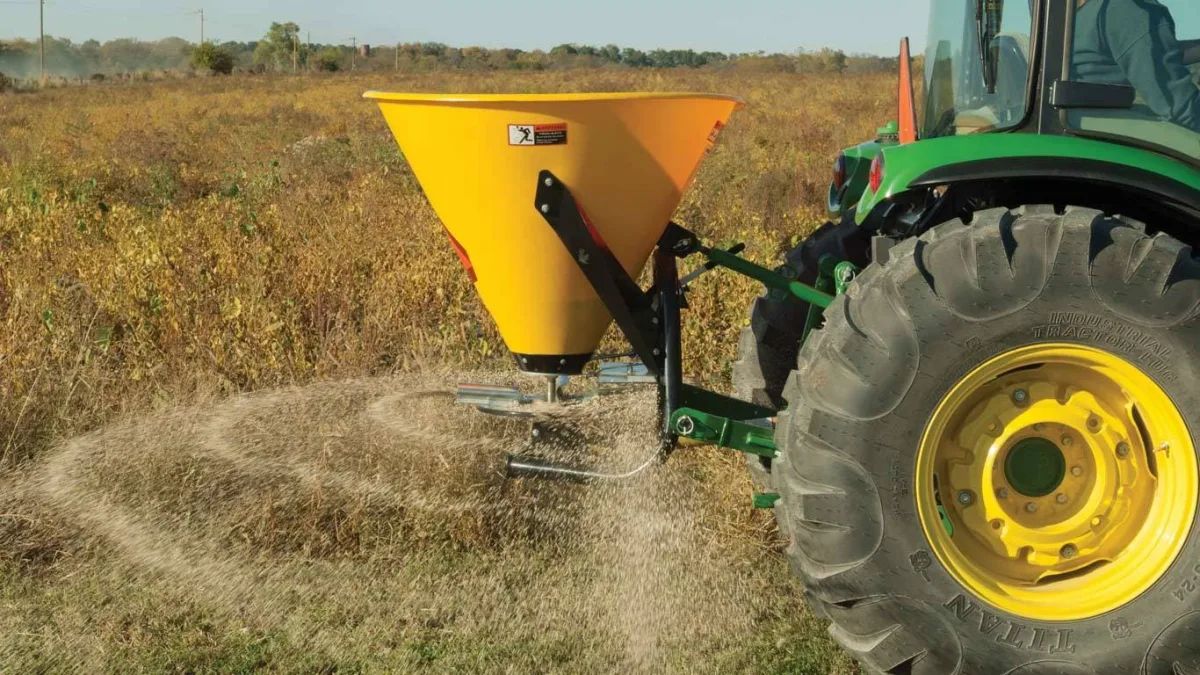
Agrochemistry For students
The contribution of Dmitry Pryanishnikov to the development of domestic agrochemical science
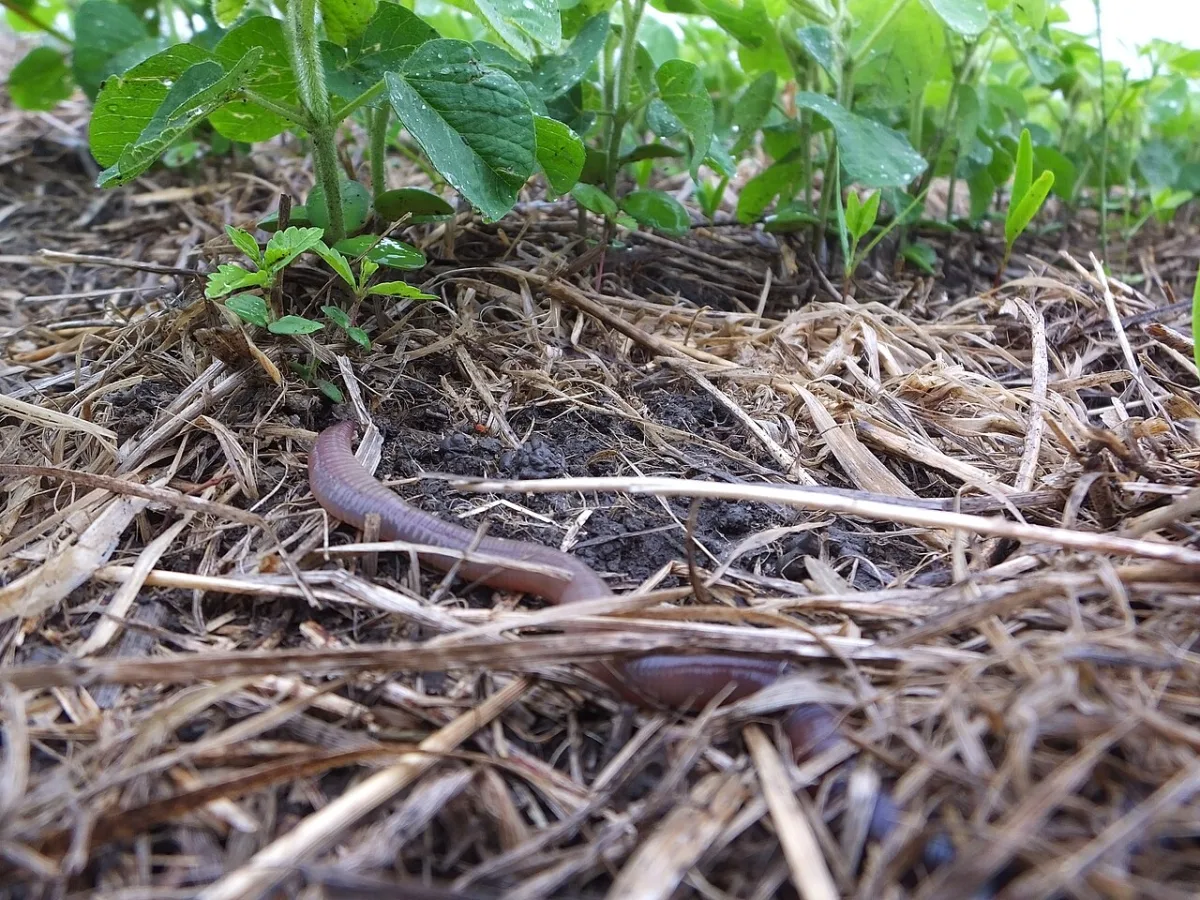
Agrochemistry For students
Vasily Williams' contribution to the development of domestic soil science and agrochemistry
Agrochemistry For students