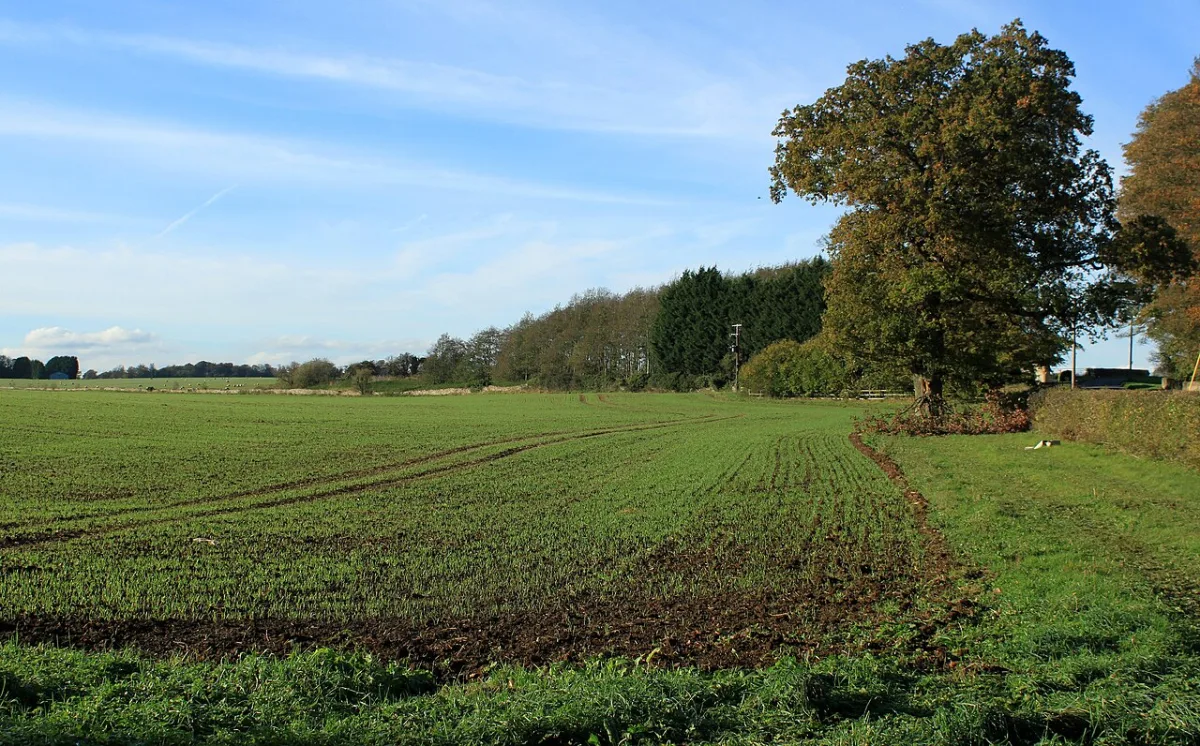
Podzolic soils are one of the most common types of soil cover, requiring a specific approach to agricultural use. A deep understanding of their physical and chemical properties, such as adsorption capacity, cation exchange capacity, and particle size distribution, serves as the foundation for effective management of soil fertility. It is essential for an agronomist and a practicing plant grower to know not only the characteristics of the soil profile, but also modern land reclamation methods aimed at eliminating the limiting factors that constrain yield in these areas.
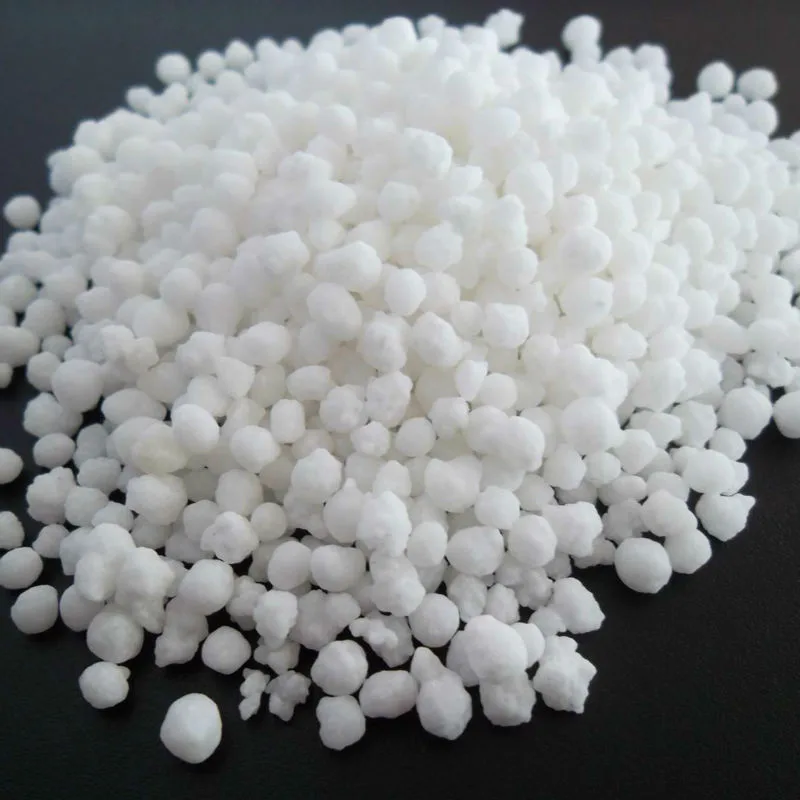
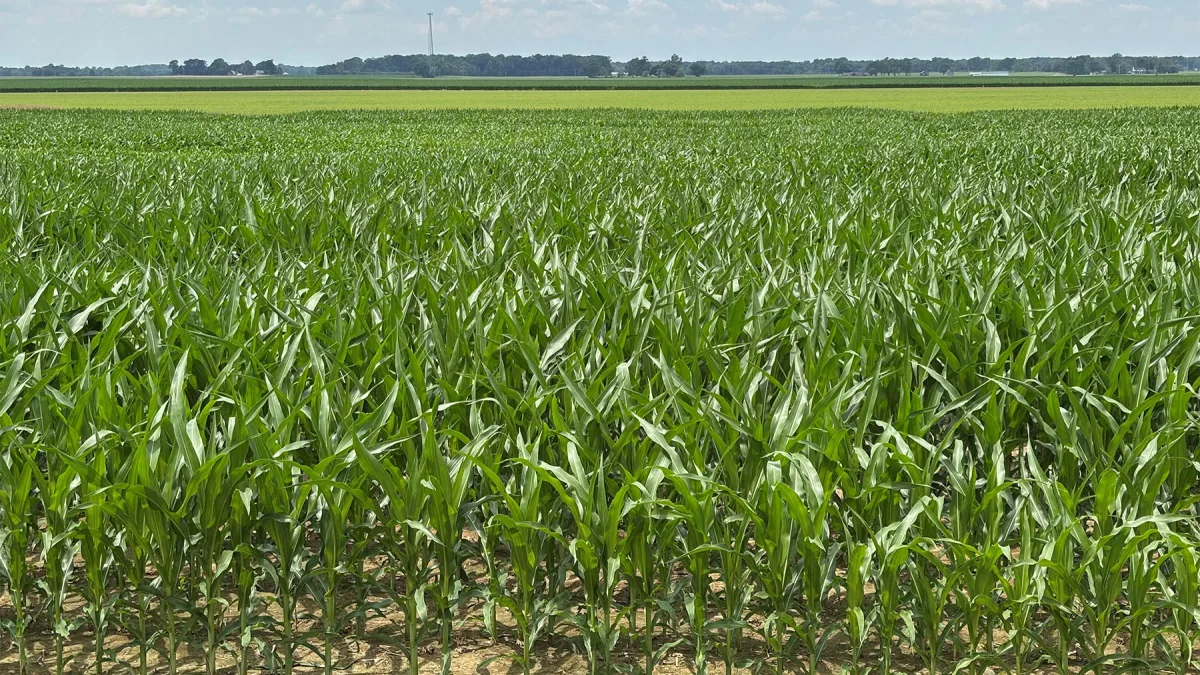
This compilation brings together materials covering both the fundamental scientific principles of soil fertility and applied recommendations for farming. The reader will find information on soil classification, principles of working with their structure, including tillage technologies from classical ploughing to minimum intervention. Special attention is paid to the plant mineral nutrition system: from theoretical concepts of domestic scientific schools to practical rules for the application of ammonium and phosphorus fertilizers. Studying these data will allow for building a sound strategy for crop cultivation, taking into account the specifics of podzolic soils.