
Optimal soil conditions and nutrient application rates for sugar beet
30 min read
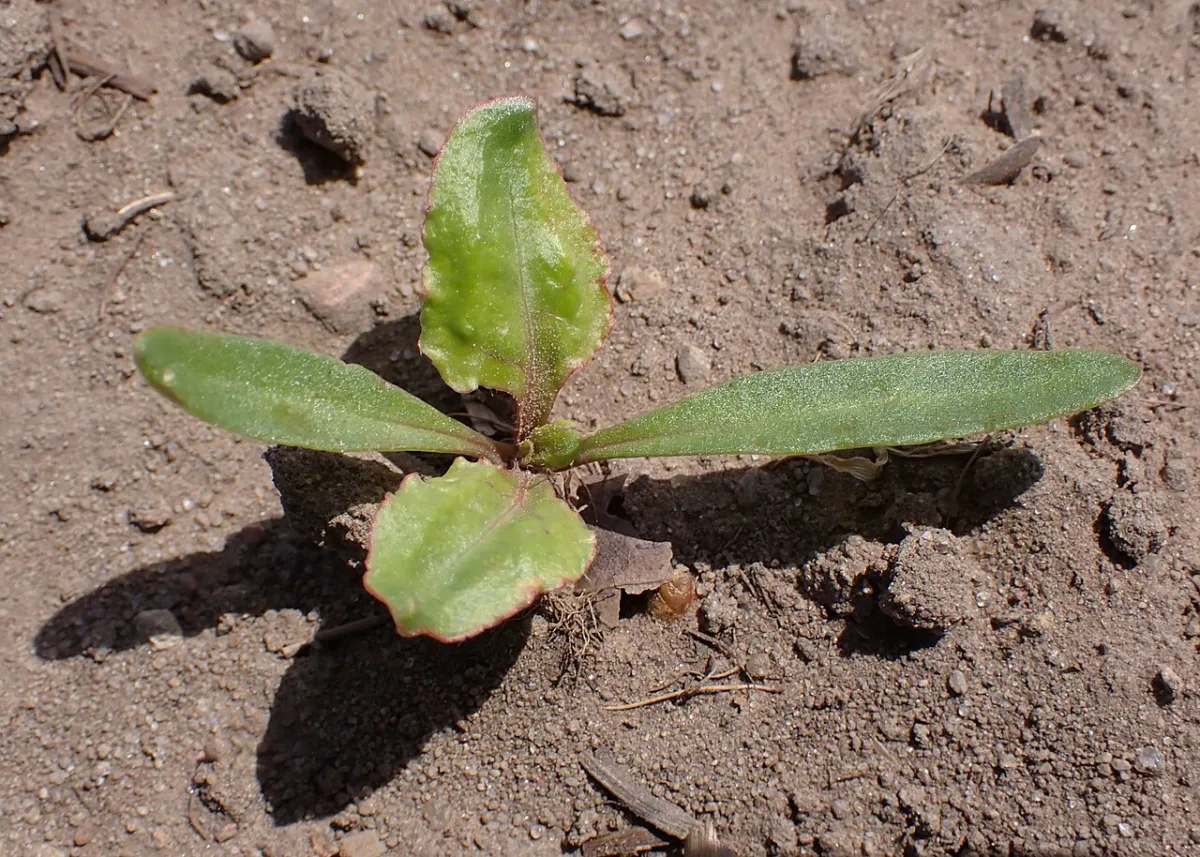
Sugar beet. Chernozems with a deep humus horizon, a high content of organic matter and nutrients in the topsoil, a neutral or slightly alkaline reaction (pH 7.0–7.5), and favorable hydro-physical properties are most suitable for sugar beet cultivation. Soil bulk density and aggregate composition are of great importance for this crop. Structural soils with a predominance of water-stable aggregates measuring 1–3 mm are more suitable for its growth. Loams are preferred in terms of particle-size distribution. On very heavy clay soils, beets develop poorly. When grown on heavy-textured soils, sugar beet root crops become branched. More favorable conditions for its growth are provided at the following soil bulk density values: 1.0–1.2 g/cm³ for chernozems; 1.2–1.3 g/cm³ for chestnut and grey forest soils; and 1.2–1.4 g/cm³ for sod-podzolic soils.
Beets are salt-tolerant and can produce high yields with good root quality on saline soils. The root system of the beet is well-developed, utilizes nutrients from different soil layers, and accumulates significant organic mass. Two months after sowing, its root system penetrates to a depth of 1.0–1.2 m; by the end of the growing season, it reaches 2.0–2.5 m, and spreads laterally more than 1 m. During the growing season, sugar beet removes a fairly large amount of nutrients. To produce 100 centners of root crops and the corresponding amount of tops, sugar beet uses 35–60 kg of nitrogen, 10–20 kg of phosphorus, and 40–75 kg of potassium. Such fluctuations in nutrient elements are due to the different ratio of root crops to tops when grown under various soil and climatic conditions.
The consumption of nutrients by sugar beet plants occurs quite uniformly almost until harvesting. In the first half of the growing season, sufficient nitrogen nutrition is especially necessary. In case of its deficiency, sugar beet leaves acquire a light green shade, become pale yellow, the dying off of old leaves accelerates, leaf growth stops, the development of the root system is weakened, and the growth of the root crop ceases—all this leads to premature ripening of the beet and a decrease in its yield. With excessive nitrogen nutrition, leaf development intensifies, beet ripening is delayed, the sugar content of the root crop decreases, and the content of total and soluble nitrogen, as well as ash, increases, which reduces the technological quality of the beet. To obtain a high yield of root crops with good technological qualities, it is necessary to ensure moderate nitrogen nutrition at different phases of the sugar beet growing season. During the period of formation of the bulk of its leaves, it is necessary to fully satisfy the demand for all elements of mineral nutrition, and as plants approach maturity, nitrogen plant nutrition should be somewhat limited.
A deficiency of phosphorus, especially during the initial period of sugar beet development, leads to a decrease in the content of nucleoproteins and phosphatides; subsequently, the plant cannot develop normally even with subsequent normal supply of phosphorus nutrition. With phosphorus starvation, the growth of the assimilation apparatus and root crops is sharply inhibited. At the same time, the leaves acquire a dull dark green color with a characteristic bluish tint. Dark brown spots appear on them, the edges dry out, forming a brown border. A sufficient supply of phosphorus to plants contributes to more rapid leaf formation, root crop growth, accelerated beet ripening, increased sugar content, and improved technological qualities of root crops.
Potassium is required for sugar beet throughout the entire growing season, but especially at the end, as it increases the sugar content of root crops. Sugar beet is a potassium-loving plant. It tolerates chlorine-containing fertilizers well and responds positively to sodium, which increases the sugar content in root crops.
With a potassium deficiency, the sugar beet yield and the sugar content in root crops decrease, the disease and drought resistance of plants decrease, chlorophyll formation in the leaves slows down, and the photosynthesis process is weakened. Insufficient potassium supply to plants can be judged by their appearance. With a potassium deficiency, light spots appear between the lateral leaf veins, while the veins themselves remain green, the edges of the leaves turn yellow and dry out, acquiring a dark brown color.
As a base fertilizer for sugar beet, 40–50 t/ha of manure is applied, and 60 t/ha is applied on compacted chernozems and under irrigation, either under the preceding winter crops or directly under the beet. Manure must be well-prepared and free of viable weed seeds, which is especially important when applying it directly under sugar beet. Recommended rates of mineral fertilizers are presented in Table 182.
Table 182 – Application rates of mineral fertilizers for sugar beet with a target yield of 300–350 centners/ha, a.i. kg/ha Soil N P2O5 K2O
Ordinary chernozem 80–90 100–120 90 Typical chernozem 100 100 90 Leached chernozem 120 90 90 Leached fused chernozem 90 90 90
When using mineral and organic fertilizers together, the mineral fertilizer rates should be reduced. Fertilizers are applied before ploughing. When placing sugar beet in a crop rotation link after perennial grasses, the nitrogen fertilizer rate is reduced by 20–40%. For sugar beet, at-sowing fertilizer application of N10P20K10 is also recommended. Top dressing is ineffective when there is a deficiency of soil moisture.
Correction of boron deficiency in sugar beet
Sugar beet is extremely sensitive to boron deficiency. A lack of this element is often observed in soils with a low content of its available forms. To prevent yield losses and sugar content reduction, it is necessary to compensate for the boron deficiency through pre-sowing treatment of seeds or fertilizer application before spring cultivation.
- Threshold for boron deficiency in soil — less than 0.2–0.3 mg/kg
- Concentration of solution for seed soaking — 0.05%
- Consumption rate of solution for seed soaking — 2 l/c
- Rate of dusting with boron-magnesium fertilizer — 300–500 g/c
- Application of boron superphosphate in spring — 3–3.5 c/ha
- Application of boron-magnesium fertilizer in spring — 1 c/ha
Soil conditions and mineral nutrition of sunflower
Chernozem, chestnut, and gray forest soils are best suited for growing sunflower. The crop prefers a medium-loamy particle size distribution and a soil acidity close to neutral (pH 6.0–6.8). Plants develop poorly in sandy, solonetzic, and heavy clay soils, which warm up slowly in spring. The powerful root system of the sunflower penetrates dense horizons, and the channels remaining after it improve moisture penetration and assist in the development of root systems of subsequent crops in the crop rotation.
Sunflower consumes significantly more nutrients than other field crops. For example, compared to winter wheat, to form an equal yield, it requires 2.5 times more nitrogen, 3.5 times more phosphorus, and 16 times more potassium. The bulk of nitrogen and phosphorus accumulates directly in the seeds, while potassium predominantly remains in the vegetative mass.
| Nutrient | Nutrient uptake per 10 c of seeds with vegetative mass, kg | Proportion of element accumulated in seeds, % |
|---|---|---|
| Nitrogen (N) | 56 | 44 |
| Phosphorus (P) | 24 | 77 |
| Potassium (K) | 138 | 12 |
Nutrient uptake continues as long as the leaves remain green. However, the maximum absorption occurs during the flowering period: by this moment, the plants have absorbed the bulk of their seasonal requirements. The distribution of nitrogen, phosphorus, and potassium across development phases has its own critical periods.
- Nitrogen is most actively absorbed in the period from the beginning of head formation to flowering. Moderate nitrogen nutrition is required at the beginning of the growing season and after flowering.
- Phosphorus is most in demand during the stage from emergence to head formation. During this critical period, phosphorus deficiency disrupts nitrogen metabolism and reduces seed quality. After flowering, the demand becomes moderate.
- Potassium is intensively absorbed from head formation until seed maturation. During the early stages of the growing season, an excess of potassium is harmful to the harvest.
An excess of nitrogen reduces the oil content of sunflower seeds and stimulates excessive growth of vegetative mass. Plants begin to use water inefficiently, which leads to drought during the critical phases of flowering and seed filling, and also increases their susceptibility to diseases and pests.
Due to the high absorption capacity of its root system, sunflower usually fully meets its potassium requirements through natural soil reserves. The application of potash fertilizers on chernozem soils does not provide a yield increase. Potassium is effective only on soils poor in this element.
Organic fertilizers for sunflower are applied at a rate of 20–40 t/ha of manure before ploughing; their residual effect lasts for 2–3 years. The main mineral fertilizer is planned with mandatory rate adjustment based on the mobile phosphorus content in the soil. The greatest yield increase is provided by the combined application of nitrogen and phosphorus.
| Application conditions | Timing and method of application | Recommended fertilizer rates |
|---|---|---|
| Chernozem without irrigation | Before ploughing of winter fallow | N60P90 (on potassium-poor soils, add K40–60) |
| Average conditions (based on three-year trial results) | Before ploughing of winter fallow | N60P60 (exceeding this rate reduces seed oil content) |
| Local-band method | At sowing with a seeder (to a depth of 10–12 cm and 6–10 cm to the side of the row) | N20P30 |
Sugar beet and castor bean nutrition
Early top dressing of sugar beet is carried out using a localized band method during the first inter-row tillage. Fertilizers are applied at a rate of N20P30. This practice is necessary to support plants during the early stages of development.
Top dressing of beet is effective only when the total phosphorus content in 10–12-day-old plants is up to 0.8% (an estimate of up to 2 points according to the Zerling express method). If the phosphorus level is higher, top dressing is not required.
- Application depth for beet top dressing — 10–12 cm
- Distance from the beet row — 10–12 cm
- Manure application rate for castor bean — 20–30 t/ha
Chernozem and chestnut soils of light and medium particle size distribution are best suited for growing castor bean. The crop does not tolerate saline, clayey, and waterlogged areas well. Fields with high groundwater levels are unsuitable for it: excess moisture provokes rapid growth of vegetative mass, delays ripening, and complicates combine harvesting.
Castor bean is demanding of soil fertility. It consumes the main volume of nutrients in the second half of the growing season. Enhanced nitrogen nutrition before the formation of inflorescences significantly increases the final seed yield.
| Nutrient element | Nutrient uptake for the formation of 10 centners of castor bean seeds, kg |
|---|---|
| Nitrogen | 64–68 |
| Phosphorus | 14–20 |
| Potassium | 52–56 |
The crop is capable of absorbing phosphorus, calcium, and iron from poorly accessible soil compounds. On chernozem, castor bean shows practically no response to the application of potassium fertilizers. On leached chernozem, nitrogen-phosphorus fertilizers provide the greatest effect, while on ordinary chernozem, phosphorus or nitrogen-phosphorus fertilizers are most effective.
Recommendations on methods of fertilizer application for castor bean:
- With the broadcast method, the best results are obtained by autumn application of fertilizers under autumn ploughing.
- Spring broadcasting under pre-sowing cultivation of autumn-ploughed fields provides no effect in dry years.
- At-planting fertilization works less effectively than pre-sowing fertilization. In case of fertilizer deficiency, it is applied at rates of N10P20 on leached chernozem and P20 on ordinary chernozem.
- Organic fertilizers (manure at a rate of 20–30 t/ha) are applied under autumn ploughing.
Fertilization characteristics of oilseed flax and tobacco
The poorly developed root system of oilseed flax requires a high level of soil fertility. The demand for nitrogen peaks in the "fir-tree" stage to flowering, whereas phosphorus and potassium are necessary for the plant throughout the entire growing season. Insufficient nitrogen supply during these periods negatively affects harvest formation.
Excess nitrogen reduces flax resistance to lodging and seed oil content, delays flowering and budding, and also leads to uneven ripening, which complicates harvesting.
| Soil nutrient availability | Optimal fertilization rate for oilseed flax, active ingredient |
|---|---|
| Low availability | N60P60К60 |
| Medium availability | N30P30К30 |
The timing and methods of fertilizer application for oilseed flax determine their effectiveness. Improper distribution of nutrients in soil layers makes them inaccessible to the root system. To achieve maximum effect, follow the scheme below:
- Apply the main part of the fertilizers in the autumn under autumn soil tillage for their uniform distribution in the root zone.
- During sowing, apply superphosphate into the rows at a rate of P10–20 or 50 kg/ha of organomineral fertilizer (OMF).
- If fertilizers were not applied before sowing, treat the crops in the "fir-tree" stage with urea at a rate of N30.
It is completely ineffective to apply phosphorus and potassium fertilizers during pre-sowing soil tillage at a depth of 3–5 cm. During spring cultivation of autumn-ploughed land, fertilizers concentrate in the top layer and become inaccessible to plants when it dries out.
To prevent growth lag, oilseed flax must be provided with microelements. In case of zinc, boron, and iron deficiency, plants develop poorly. The deficiency is corrected by pre-sowing seed treatment or foliar top dressing in the "fir-tree" stage with complex fertilizers (Kristalon, Akvarin) or their tank mixture with urea.
High-quality tobacco is obtained on structural soils of light and medium particle size distribution with a humus content of 2.0–2.5%. Skeletal tobacco cultivars produce high-quality output on grey forest soils, podzolic brown soils, and light and medium soils of the North Caucasus. The crop tolerates a wide range of soil acidity — pH from 4.5 to 8.5.
The highest quality and aromatic tobacco raw material is formed on low-humus, nitrogen-poor soils of light particle size distribution located on slopes with an admixture of fine gravel or crushed stone.
Tobacco is traditionally cultivated on soils with medium to low fertility. Because of this, the crop makes high demands on mineral nutrition. Dosages are calculated based on the planned harvest and the volume of nutrient uptake from the soil.
| Nutrient element | Consumption for the formation of 10 centners of dry tobacco raw material, kg |
|---|---|
| Nitrogen | 40 |
| Phosphorus | 20 |
| Potassium | 70 |
Coriander nutrient requirements and fertilizer selection
Coriander is extremely demanding regarding growing conditions. To obtain a high seed yield, this crop must be allocated to structured plots with a deep humus horizon and a neutral soil reaction. Structureless, heavy clay, and light sandy loam soils are unsuitable for it.
- Nitrogen removal per 10 centners of seed — 42 kg
- Phosphorus removal per 10 centners of seed — 16 kg
- Potassium removal per 10 centners of seed — 40 kg
- Yield increase from fertilizers — 2.5–3 centners/ha
The peak consumption of nitrogen and ash elements occurs during the early phases of plant development. During flowering, phosphorus is concentrated in the inflorescences, while nitrogen and other elements accumulate in the leaves. By the time of ripening, the bulk of the nutrients moves to the seeds, and only calcium shifts primarily to the stems.
| Soil type | Application rate of fertilizers for winter ploughing |
|---|---|
| Ordinary chernozem | N60P80 |
| Leached and typical chernozem | N60P60K40 |
The recommended application rates must be adjusted based on cartograms of specific field availability of mobile forms of elements.
If mineral fertilizers on the farm are insufficient, one can limit the application to N10P20 directly into the rows during sowing. When using organics, manure is applied at a volume of 20 t/ha with the mandatory addition of 1–2 centners of superphosphate. The main dose of mineral fertilizers is distributed before winter ploughing.
The efficiency of coriander nutrition strongly depends on the form of fertilizers used:
- When soil base saturation is over 90%, nitrate and ammonium forms of nitrogen work equally well. If this indicator is below 90%, it is better to apply nitrogen in nitrate form (ammonium nitrate will perform better than ammonium sulfate).
- On solonetzic soils, priority should be given to ammonium sulfate. Among potassium fertilizers on solonetzic chernozems, it is better to use potassium sulfate instead of potassium chloride.
- Superphosphate is suitable for all soil types, but on acidic plots, poorly soluble phosphate rock can be applied instead.
Features of mineral nutrition for mint and anise
Mint and anise are sensitive to the physical properties of the soil and the quality of the water regime. It is advisable to place mint on alluvial soils of river floodplains, sandy loam, or loamy chernozems with an optimal pH level of 5–7. For anise, light and medium-textured chernozems with low exchange capacity are better suited. Heavy, stony, sandy, and waterlogged soils are not suitable for these crops.
| Crop | Volume of production for removal calculation | Nitrogen (N), kg | Phosphorus (P), kg | Potassium (K), kg |
|---|---|---|---|---|
| Mint (green mass) | 43.6 centners/ha | 98.1 | 34.2 | 44.2 |
| Anise (grain) | 10 centners | 35 | 12 | 40 |
The fertilization system for mint is built taking into account the soil fertility of the plot, moisture availability, and the residual effect of the predecessor. For this crop, nitrate forms of nitrogen are preferable to ammonium ones. The main part of phosphorus-potassium fertilizers is applied in autumn (in October), and nitrogen — in spring.
Fertilizer application schemes for mint:
- During primary application: N135P180K135 or manure 20–40 t/ha combined with N30P30K30.
- During planting: N90P120K90 or half this dose is applied locally to the side of the rows.
- In the second and third years of the growing season: plantations receive top dressing at a dose of N135P120K135.
Anise absorbs the greatest amount of nutrients in the phase from stem elongation to flowering. Since the plant reacts acutely to a deficiency of nitrogen and potassium, a mineral complex must be applied to it at a dose of N40–60P60–90K40–60. The entire rate must be incorporated before winter ploughing. If the predecessor was well-fertilized, the application rate is reduced.
Do not postpone the application of fertilizers for anise until spring. When applied during pre-sowing cultivation, their efficiency drops by 20–25%.
Mineral nutrition of caraway and fennel
Do not apply manure directly under seed essential oil crops. This stimulates excessive growth of vegetative mass to the detriment of the seed harvest. Also, keep in mind that in dry weather, the efficiency of row fertilizer application and vegetative top dressing decreases sharply.
Structured chernozems are ideal for growing caraway. Obtaining a high yield on sandy soils and calcareous loams is possible only under the condition of systematic fertilizer application. Waterlogged, acidic plots and lands with a high water table are unsuitable for this crop.
The bulk of fertilizers for caraway is incorporated with a plough during winter ploughing. If the predecessor was winter grain, for which fertilizers were applied, only a mineral complex is given in the autumn: N30–40P40–50K20–30. If the predecessor was not fertilized, the nutrition system is strengthened by applying 20–30 t/ha of manure combined with mineral fertilizers.
- Yield increase from caraway top dressing — 4–5 centners/ha
- Manure application rate for poor predecessor — 20–30 tons/ha
- Dilution of liquid manure with water — 1:6
Caraway responds excellently to split feeding. During sowing, granulated mineral mixtures are applied in rows. During the growing season, two top dressings are carried out: in autumn, before the final inter-row cultivation, P30K20 is applied, and in spring, after overwintering, N20–30 is applied before harrowing.
For spring top dressing, organics can also be used. Dry crushed poultry manure is spread at a rate of 4–5 centners/ha. Liquid manure is diluted with water in a 1:6 ratio and applied at a rate of 5–7 tons/ha. The optimal time for spring operations is the earliest possible date on frozen-thawed soil during morning frosts.
Fennel is demanding of soil fertility. Well-cultivated chernozems and alluvial floodplain lands are suitable for it. Heavy clay soils prone to crusting and waterlogging are unsuitable for it. The best predecessors are considered to be winter cereals after fertilized fallows, vegetables, potatoes, hemp, as well as annual grasses for forage and sugar beet. It is forbidden to place fennel after sunflower and maize for grain.
Only mineral fertilizers are used for fennel. In autumn, a phosphorus-potassium complex at a rate of P40–50K40–50 is applied for ploughing, and nitrogen (N40–50) is applied in spring before cultivation. Pre-sowing application of superphosphate at a rate of P50 is also effective.
Mix fennel seed with superphosphate immediately before sowing. Earlier mixing will lead to a sharp decrease in seed emergence.
Nutrient requirements of oil crops and peanuts
Indian mustard is undemanding regarding soil and is successfully cultivated on chernozems and chestnut varieties, but it does not tolerate heavy, crusting, and saline lands. White mustard is even less demanding: due to the high absorption capacity of its root system, it produces a harvest even on podzolic soils, although it prefers loamy and sandy loam chernozems. The best predecessors for both crops are cereals and row crops clean of weeds. Returning mustard after any cabbage crops is prohibited due to the risk of pest and disease accumulation.
| Crop | Seed yield, centners/ha | Nitrogen uptake, kg | Phosphorus uptake, kg | Potassium uptake, kg |
|---|---|---|---|---|
| Mustard | 10 | 70–75 | 25–30 | 50–60 |
| Rapeseed | 20 | 138 | 58 | 159 |
Mustard effectively utilizes the residual effect of organic matter and the direct effect of mineral fertilizers. A base rate of N30–35P45–60K45–60 is applied for autumn ploughing. When sowing in rows, phosphorus fertilizers at rates of P15–20 show effectiveness.
Rapeseed leads among cabbage crops in its demand for fertility levels. Winter rapeseed prefers chernozems, chestnut soils, grey forest soils, and podzolized loams, provided they are limed. Heavy clays, waterlogged areas, and high groundwater levels are contraindicated for it. Spring rapeseed tolerates acidic podzolic soils if liming is carried out beforehand.
- Nitrogen uptake by rapeseed (per 20 centners/ha of seed) — 138 kg
- Potassium uptake by rapeseed (per 20 centners/ha of seed) — 159 kg
- Early spring nitrogen top dressing for rapeseed — N40–60
- Autumn ploughing fertilizer for false flax — N45P45K45
The maximum effect on rapeseed is achieved by combining organic and mineral fertilizers. Manure at a rate of 20–30 tons/ha is applied for the preceding crop. Main fertilizer at a rate of N30-45P45-60K40-60 is incorporated during autumn ploughing. In spring, crops are top-dressed with nitrogen at a rate of N40–60. On acidic soils with a deficiency of trace elements, the application of boron and manganese micronutrient fertilizers is mandatory.
False flax is capable of producing yields on light sandy loams and solonetzic soils, but it is suppressed on heavy crusting clays and acidic lands. It is best sown after winter and row crops. A complete mineral fertilizer N45P45K45 applied in autumn for ploughing yields the greatest return.
Peanuts prefer chernozems that are light in granulometric composition. Saline and waterlogged areas are completely unsuitable for them. It is optimal to place peanuts after winter wheat following the layer or rotation layer of perennial grasses with manure application, on black fallow, as well as after fertilized row crops. Peanuts themselves serve as a valuable predecessor for most field crops in crop rotation.
Specifics of nutrition for peanuts, perilla, lallemantia, and sesame
Peanuts are demanding of soil fertility levels. To form 10 centners of seed and the associated above-ground plant mass, the crop takes up 62 kg of nitrogen, 11 kg of phosphorus, and 40 kg of potassium. The crop is particularly sensitive to phosphorus deficiency. On leached chernozems and chestnut soils with poor nodule bacteria activity, peanuts also react acutely to nitrogen deficiency.
When grown under irrigation, the crop requires mandatory top dressing. The first top dressing at a rate of N40P30 is carried out immediately before the start of flowering. The second application at a rate of N60P30 is given during the period of mass fruit formation.
| Fertilizer option | Application rate |
|---|---|
| Manure combined with phosphorus-potassium fertilizers | 20–30 t/ha combined with P40K30 |
| Complete mineral fertilizer | N40P60K40 |
Only structured chernozems and alluvial soils of river valleys are suitable for perilla cultivation. The crop does not produce acceptable results on sandy, sandy loam, and saline soils. The best precursors for it in crop rotation are cereals, row crops, and legumes.
Applying organic matter during winter ploughing at a rate of 30 t/ha allows for doubling the perilla harvest. When using a mineral nutrition system, an application rate of N45P60K40 is recommended. The full amount of fertilizer is incorporated in the autumn, although it is permissible to defer the nitrogen portion until spring for pre-sowing tillage.
Lallemantia adapts well to various soil types, but ensures maximum yield on chernozems. In crop rotation, it is placed after row crops and winter cereals. Due to its short growing season, lallemantia itself is an excellent precursor for winter small grains.
The crop responds actively to organic and mineral nutrition. It is recommended to apply 20–30 t/ha of manure or a mineral complex at a rate of N45P45K45. All types of fertilizers for lallemantia are incorporated in the autumn during winter ploughing.
Sesame requires highly fertile soils with a light texture — light loams, chernozems, and sandy loams. Waterlogged and saline areas with a high water table are unsuitable for its cultivation. In crop rotation, sesame is sown after maize, grain legumes, and winter wheat.
Avoid sowing sesame on compacted chernozems. Such soils are prone to forming a dense crust, which prevents delicate seedlings from breaking through to the surface.
Plants consume a significant amount of nutrients from the soil. To produce 10 centners of seed, sesame requires 80–90 kg of nitrogen, 20–25 kg of phosphorus, and 90–100 kg of potassium. The base mineral fertilizer rate is N60P60K60, or 20–25 t/ha of manure is applied under the crop combined with N30P30K30.
Good results at the start are achieved by drilling granulated superphosphate at a rate of P20 during sowing. At the same time, the main part of nutrition — about 65–70% of nitrogen, phosphorus, and potassium — is absorbed by sesame later, during the flowering period. For this reason, the crop is top dressed at the budding stage at a rate of N20P30K30.
Soil and fertilizer requirements for safflower, oil poppy, and essential oil rose
Safflower is undemanding and successfully tolerates soil salinization. It should only be avoided on acidic, waterlogged soils and areas with a high water table. The best soils for it remain chernozems and chestnut soils, and the optimal precursors are maize and small grains. Safflower itself serves as a good precursor for spring cereals.
The application of fertilizers for safflower is most effective in years with sufficient humidity. A nitrogen-phosphorus complex is applied during primary tillage at a rate of N45P60. If the soil is poor in potassium, the dosage is adjusted to N45P60K45.
Oil poppy prefers light sandy loam, loamy chestnut soils, and chernozems. The crop does not tolerate solonetz, heavy crusted soils, and a high water table. In crop rotations, poppy is placed after winter cereals or maize.
- Application of 20–30 t/ha of manure or mineral fertilizers at a dose of P60K40 during winter ploughing.
- Drilling phosphorus fertilizers during sowing at a rate of P20–30.
- Phosphorus top dressing at a dose of P20–30 during the budding phase in case of element deficiency in the soil (with mandatory incorporation to a depth of 8–10 cm).
The essential oil rose is cultivated on highly fertile land. Leached loamy chernozems, alluvial floodplain soils of river valleys, and leached mountain-forest soils of the Caucasus foothills are best suited for plantations. Heavy clay and waterlogged areas with a high water table are unsuitable for the rose. It is optimal to place plantings in river valleys, where it is possible to organize irrigation throughout the growing season.
Plants are characterized by high nutrient removal. Each year, with the growth of shoots, leaves, and flowers, the plantation extracts a significant amount of elements from one hectare. On average, the annual removal is 50 kg/ha of nitrogen, 10 kg/ha of phosphorus, and 80 kg/ha of potassium.
- Nitrogen removal over the entire life cycle of the plantation — 700–800 kg/ha
- Phosphorus removal over the entire life cycle of the plantation — 200–300 kg/ha
- Potassium removal over the entire life cycle of the plantation — 900–1000 kg/ha
To satisfy the rose's mineral nutrition needs, before establishing the nursery, 30–40 t/ha of manure combined with P20–30 in the form of superphosphate is applied to the soil during plantation ploughing. To create favorable conditions for the survival and growth of young plants, the drilling of organic and phosphorus fertilizers during planting is practiced. Primary and drilling fertilizer application provides the plant with nutrients in the first years of life. In subsequent years, the rose needs top dressing. During the plantation operation period, it is recommended to apply manure in the amount of 20–30 t/ha once every 2–3 years during autumn ploughing of the inter-rows. Annually, during autumn or spring soil tillage, plants are top dressed with mineral fertilizers at a rate of N50P50K50. Fertilizers are applied in bands at a depth of 25–40 cm. Recommended fertilizer forms: ammonium sulfate or ammonium nitrate, simple or double superphosphate, potassium sulfate, or potassium chloride.
Clary sage. The best soil for sage is leached and ordinary chernozem with a neutral or slightly alkaline reaction. Poorly permeable, waterlogged soils with a high water table are not suitable for it.
The best predecessors for sage in crop rotation are winter cereal crops, silage corn, annual grasses for green fodder and hay.
Due to its biological characteristics, sage has specific requirements for mineral fertilizers and their forms. This is due to the weak development of the root system in the initial growth period, on the one hand, and the intensive development of vegetative and reproductive organs in subsequent phases, on the other. Therefore, the application of fertilizers must meet the needs of the plants at specific stages of organogenesis. The best forms of fertilizer to provide sage with nitrogen and phosphorus are granular superphosphate, ammonium nitrate, and urea. The effect of these easily soluble fertilizer forms on the development of the root system, leaf rosette, and reproductive organs is more pronounced than that of poorly soluble fertilizers.
Sage, by forming a large vegetative mass, consumes a significant amount of nutrients. For every 100 centners of inflorescences, sage removes from the soil an average of 9.0 kg of nitrogen, 1.9 kg of phosphorus, and 11.0 kg of potassium.
Meeting the needs of sage for mineral nutrients is achieved by applying fertilizers. For these purposes, on grey forest soils, podzolized and leached chernozems, the application of N40P60K40 is recommended.
For at-sowing fertilization, granular superphosphate is used at a dose of P10, applied separately from the seed.
During the growing season, root top dressing with nitrogen-phosphorus fertilizers (N30P30) is carried out:
- In the first year of the growing season, top dressing is carried out in the phase of two pairs of true leaves.
- In the second year — at the beginning of rosette regrowth.
Fertilizers are applied by a cultivator-fertilizer to a depth of 10–12 cm at a distance of 15 cm from the row.
Lavender. The best soils for establishing lavender plantations are considered to be leached chernozems and dark-grey forest soils. Heavy cold soils with high acidity and a high water table are unsuitable for it.
As a perennial plant that grows in one place for more than 20 years, lavender is placed in a permanent field. Well-lit land plots on southern and south-western slopes with a gradient of up to 10 degrees, suitable for agricultural machinery, are allocated for plantations. The plot for lavender must be protected from north-eastern and northern winds, which favors longevity and has a positive effect on the productivity of the crop.
Lavender, by forming a large vegetative mass, consumes a significant amount of nutrients. From 10 centners of inflorescences, it removes from the soil on average:
| Nitrogen | 4.2–7.5 kg |
| Phosphorus | 1.8–2.0 kg |
| Potassium | 6.3–8.5 kg |
The lavender fertilization system includes: basic fertilization, at-planting fertilization, and top dressing for fruiting plantations.
Basic fertilizer is applied before deep ploughing: 35–40 t/ha of semi-decomposed manure and N100–120P100–120K40–60.
Superphosphate is used as at-planting fertilizer. For this purpose, each nursery plant is watered at planting with water enriched with phosphoric acid. The solution is prepared as follows: 50 kg of superphosphate is dissolved in 1000 l of water, infused for 4–5 hours with frequent stirring, then allowed to settle until clarified and filtered through burlap. The solution is poured into the tanks of a lavender planting machine, which applies it simultaneously with planting at a rate of 1 l per nursery plant.
Root top dressing is carried out annually: mineral fertilizers are applied at a rate of N60P60K60 using cultivator-fertilizers at a depth of 14–16 cm. Fertilizers are applied in the middle of the row spacing. It is recommended to apply nitrogen fertilizers to the soil in autumn or spring, and phosphorus-potassium fertilizers exclusively in autumn.
Eugenol basil. The soil allocated for planting basil must be fertile. It grows best on rich chernozems, alluvial, and forest soils with good aeration; heavy, waterlogged soils that form a crust are not suitable for this crop.
Basil should be placed on irrigated lands after winter or grain legume crops. Returning it to the same field is allowed no sooner than after 10–12 years.
During the growing season, basil consumes a significant amount of nutrients from the soil. With a total plant biomass harvest of 20 t/ha, it removes 110 kg of nitrogen, 22 kg of phosphorus, and 211 kg of potassium. Plants absorb the majority of these during the interval between budding and technical maturity.
The correct distribution of nutrients across development phases ensures maximum plant productivity. The nutrition scheme includes applying basic fertilizers during tillage, at-sowing nutrition in rows, and subsequent top dressing. Fractional application of nitrogen and phosphorus allows plants to effectively use resources throughout the entire growing season.
- Organic fertilizer for primary tillage — 30–40 t/ha of manure
- Mineral fertilizer for primary tillage — N60P60
- Starter fertilizer in rows — P20–30
During the growing season, three successive top dressings are carried out, applied in fractions during critical growth phases:
- First top dressing — 25–30 days after planting (before branching) at a rate of N20.
- Second top dressing — 15–20 days after the first one (before budding) at a rate of N20P20.
- Third top dressing — immediately before the start of the flowering phase at a rate of N30.
Apply mineral fertilizers for top dressing exclusively in dry form to the center of the row spacing at a depth of 10–12 cm. This must be done immediately before irrigation.
Soil conditions and hop fertilization system
For growing hops, choose well-structured, air- and water-permeable soils with a high level of soil fertility. The crop develops best on chernozems, as well as on loamy and sandy-loam weakly sod-podzolic soils with a slightly acidic reaction of the soil solution. Clay, rocky, and waterlogged areas are completely unsuitable for establishing hop yards. Perennial grasses, cereals, and row crops are considered optimal predecessors for this crop.
Hops are characterized by an extremely high removal of mineral nutrients with the harvest. This crop's requirement for basic elements is 2–3 times higher than similar indicators for cereal grains. The exact values of nutrient removal per unit of harvest are shown in the table.
| Nutrient | Removal with 10 centners of cones harvest, kg |
|---|---|
| Nitrogen | 100 |
| Phosphorus | 40 |
| Potassium | 110 |
| Calcium | 120 |
A lack of nutrients directly affects the quality of the cones and the general condition of the hop yards. With nitrogen deficiency, the growth of stems and leaves slows down, they turn pale, and the cones form underdeveloped, with coarse petioles and a weak aroma. Phosphorus deficiency inhibits the development of the root system, causes the appearance of darkening brown spots on the leaves, and the shrinking of cones. Potassium starvation disrupts the photosynthesis process, leading to leaf curling and the formation of a loose harvest.
Excessive nitrogen nutrition is no less harmful to hops than deficiency: seedlings are suppressed, flowering and ripening are delayed, and the cones form loosely, sprout leaves, and contain little lupulin.
The dynamics of nutrient consumption by hops are extremely uneven. Plants absorb the minimum amount of substances in the period from emergence to the beginning of lateral shoot formation. With the onset of flowering, the intensity of nutrition gradually decreases, and by the time technical maturity is reached, the outflow of elements from the cones back to the roots begins.
Hops absorb the maximum amount of nutrients in the period from the start of lateral shoot development to flowering. During this time, it is necessary to ensure an uninterrupted supply of nutrients to the plants.
The hop fertilization system is based on a combination of basic application, starter nutrition, and summer top dressing. The bulk of organic matter and phosphorus-potassium fertilizers are incorporated deeply under the trench ploughing. The nitrogen group is applied in the spring immediately under pre-sowing cultivation, and young nursery plants are additionally fed locally during planting.
Recommended fertilizer application rates for hops:
- Under trench ploughing (basic): 100–120 t/ha of manure together with P200–240K200–240.
- Under cultivation: nitrogen fertilizers at a rate of N180–210.
- Locally in each planting hole: 5–8 kg of rotted manure and 50–60 g of superphosphate.
During the summer growing season, one or two top dressings of hops are carried out, depending on the cultivation level of the plot. On fertile soils, with the vine in good condition, they are limited to a single application of fertilizer in the first hilling phase. If the soil is poor and the plants are lagging in growth, a second top dressing is mandatory during the second hilling.
Fertilizer doses for summer top dressing of hops:
- Single top dressing (at first hilling): N35–25K20–25.
- Second top dressing (at second hilling): N20–30P20–25K20–40.
Top dressings must be applied strictly according to the technology. Fertilizers are distributed on both sides of the rows at a distance of 30 cm from the plants using fertilizer spreaders. An alternative method is application into furrows during hilling to a depth of 16–18 cm with mandatory subsequent incorporation.
Read next
Crop production For students
Biological characteristics and agroclimatic conditions for growing forage beet
Crop production For students
Economic significance and agrotechnical advantages of sugar beet
Agrochemistry For students