Field crops form the foundation of the agro-industrial complex, ensuring food security and the supply of strategic raw materials. The success of cultivating these crops depends directly on a deep understanding of the natural factors of harvest formation, the control of agrotechnical processes, and the competent management of land conditions. For a professional agronomist and a practicing farmer, possessing up-to-date data on soil structure, plant protection against pests and weeds, as well as the correct use of technical equipment, is a basic prerequisite for increasing production profitability and maintaining soil fertility.
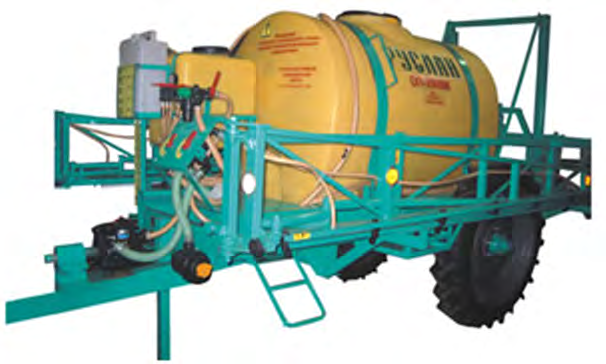
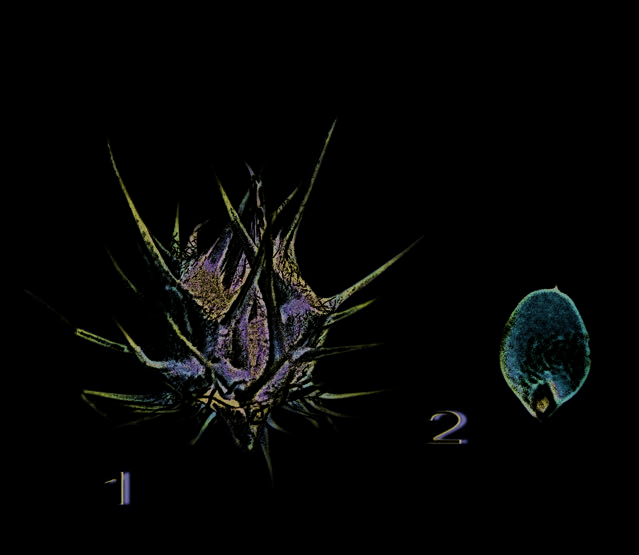
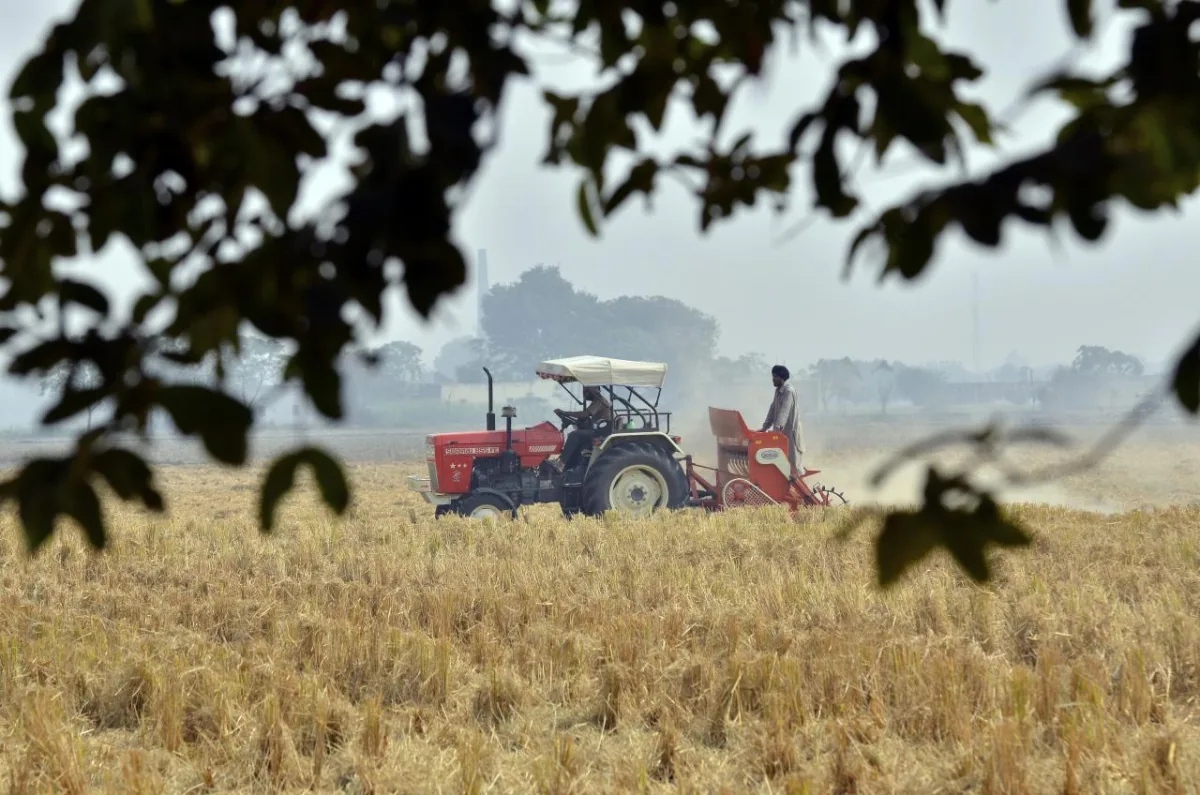
This selection contains expert materials covering key aspects of working with field crops. Readers will find here recommendations for post-harvest tillage, analytical data on the influence of topsoil density on crop productivity, and the results of laboratory studies on residual insecticide quantities. In addition, the articles provide detailed coverage of issues concerning the control of quarantine weeds, such as long-spine sandbur, and analyze the technical specifications of modern sprayers. The collected information will help systematize knowledge about field environment control methods and optimize technological operations at all stages of crop cultivation.