Practice · 7 articles

Tillage system

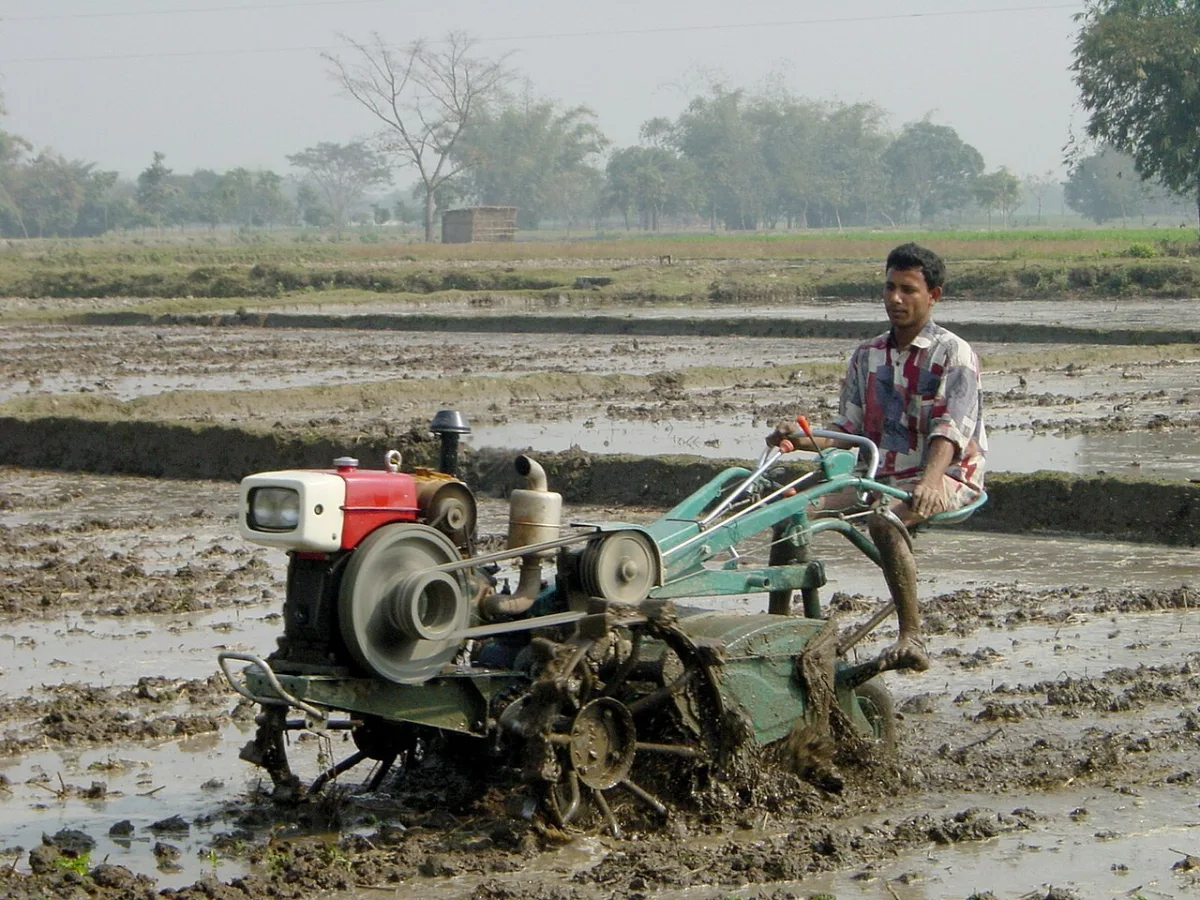
The tillage system is the foundation of efficient farming, determining the structure of the topsoil, its density, and overall soil fertility. The choice of soil impact methods—whether traditional ploughing or modern non-inversion tillage technologies—directly affects conditions for crop growth, moisture supply, and weed control. Proper planning of these processes within a crop rotation helps to minimize the risks of desiccation, ensure optimal root system development, and increase the final yield in both large agricultural enterprises and private plots.

This collection combines theoretical knowledge and applied recommendations for managing soil potential. Readers will find materials on the evolution of agronomic practices, design features of modern machinery, and the specifics of field preparation after the harvesting of cereal crops. Special attention is paid to highly specialized topics, such as intensive tillage for vegetable crops and crop production on lands affected by radioactive contamination. The presented articles will help to gain a deeper understanding of the scientific foundations of farming and select the appropriate technology for specific production conditions.

Vegetable growing For students

Tillage systems for vegetable crops in crop rotation

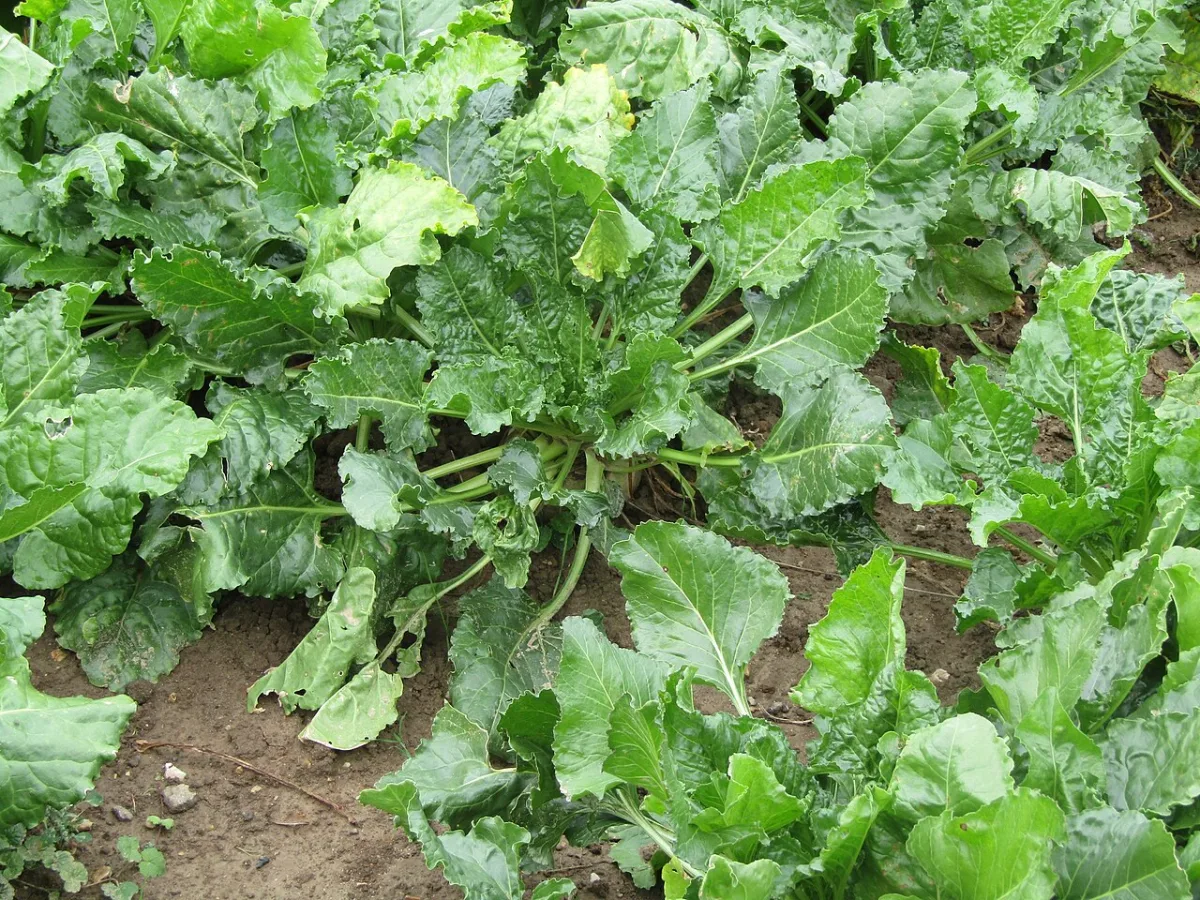
A proper tillage system is the foundation for regulating the nutrient regime of fields. The article examines technological methods for soil preparation after late vegetable predecessors and the cultivation of perennial grass sod.

Soil and tillage For agronomists

Post-harvest tillage technologies for spring crops

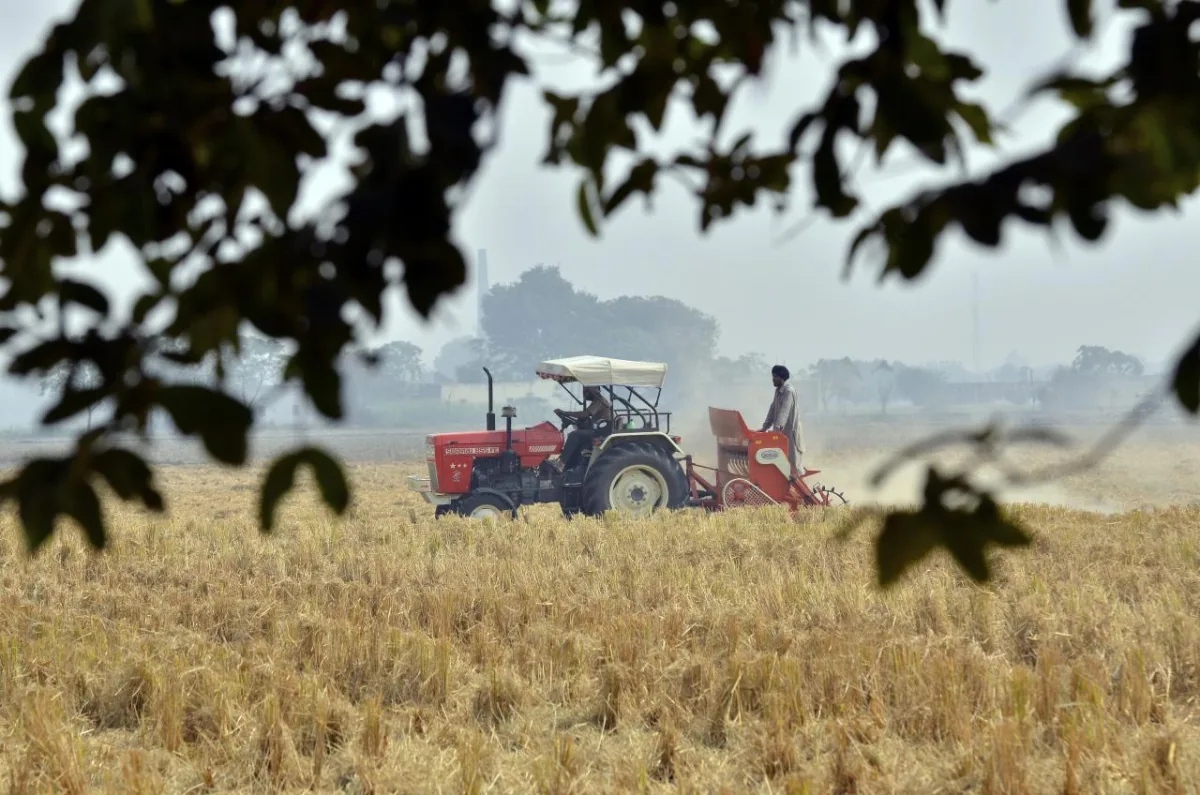
Timely stubble tillage after harvesting cereal crops is a key condition for preserving soil moisture and protecting the future harvest from weeds, pests, and diseases. The article describes effective field preparation methods and critical timelines for operations to ensure successful sowing of spring crops

Soil and tillage For agronomists

The effect of arable layer density on soil fertility and yield

The physical condition of the arable layer determines the efficiency of soil fertility utilization. The article examines the influence of soil density on aeration, moisture exchange, and microbiological processes, as well as the role of compaction in increasing nutrient availability.

Crop production For students

The evolution of technologies and scientific basis of tillage in agriculture

The article describes the evolution of tillage methods: from primitive hoeing tools of antiquity to the emergence of the metal plough and the formation of the scientific theory of ploughing in the 20th century. The reader will trace how the accumulated experience of farmers transformed into systemic agrotechnical methods