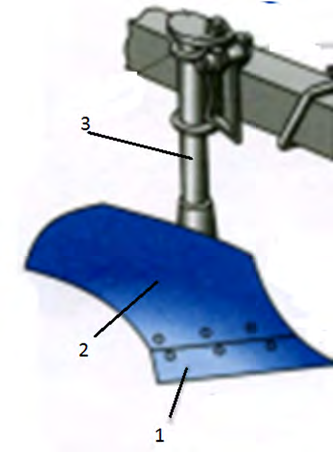
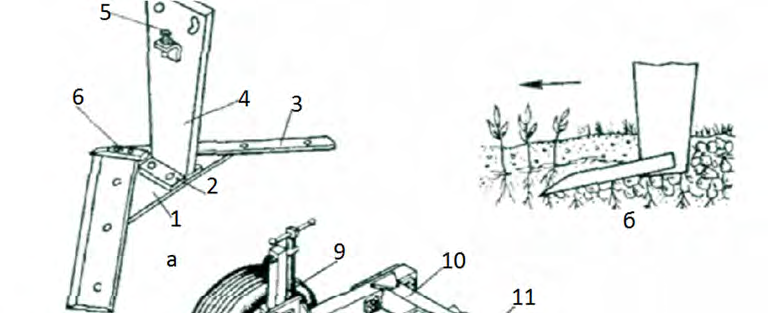
A jointer is an auxiliary working component of a plough, designed for cutting and turning over the top sod layer of the soil. Its use is an essential part of high-quality mouldboard ploughing. For an agronomist, understanding the operating principles of a jointer and correctly adjusting the geometry of the working components is crucial: this directly affects the incorporation of crop residues, the efficiency of weed control, and the creation of a favourable soil structure for crop development. Proper use of this equipment allows agronomic plans to be translated into practical results, providing a foundation for the future harvest.
The presented selection contains a complex of materials covering both the theoretical foundations of the evolution of tillage implements and the applied aspects of field operations. Readers will find guides on the technical preparation of mounted and reversible ploughs, a comparative analysis of mouldboard and non-mouldboard technologies, and practical recommendations for planning a tillage system within the framework of crop rotation. The materials also address specific tasks: from autumn tillage preparation for spring crops to the specifics of deep ploughing when establishing perennial plantations, helping specialists build a systematic approach to land cultivation.