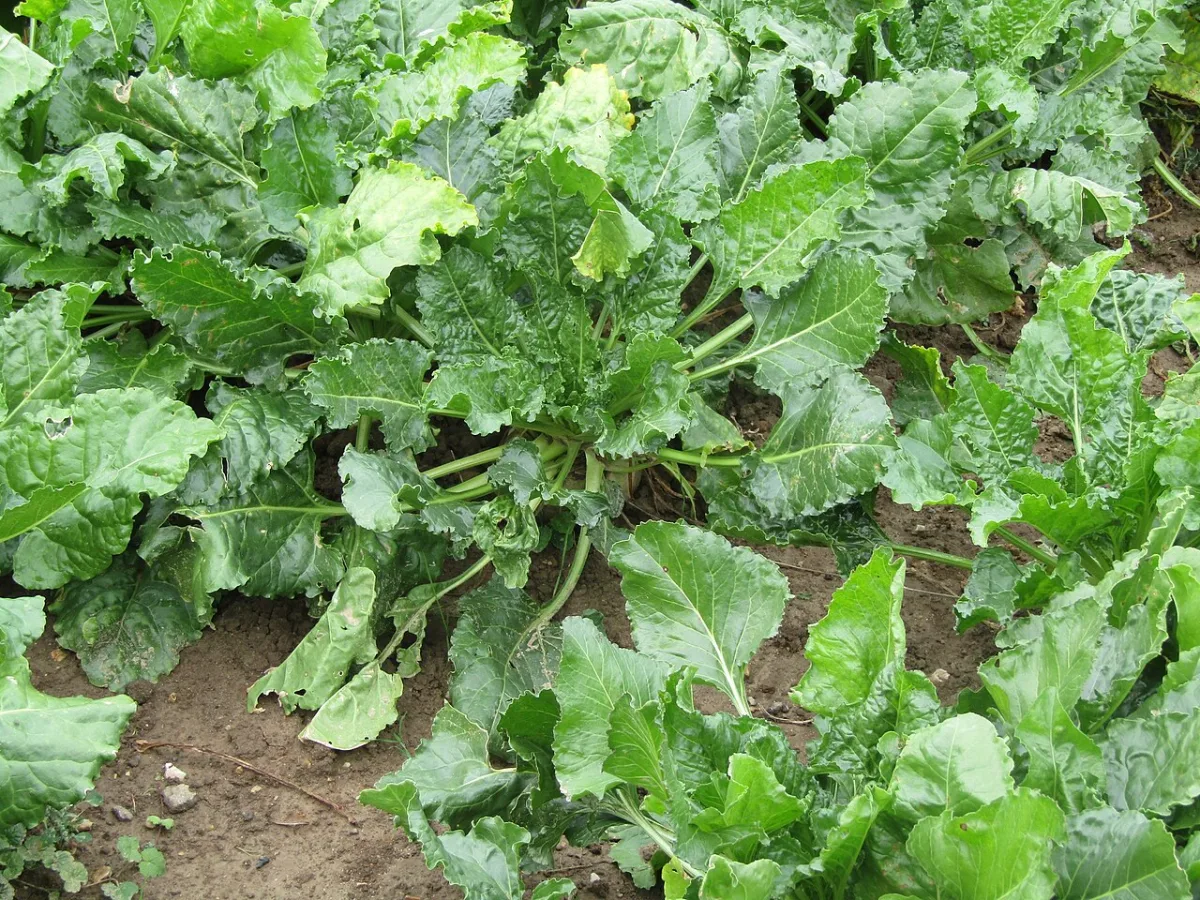
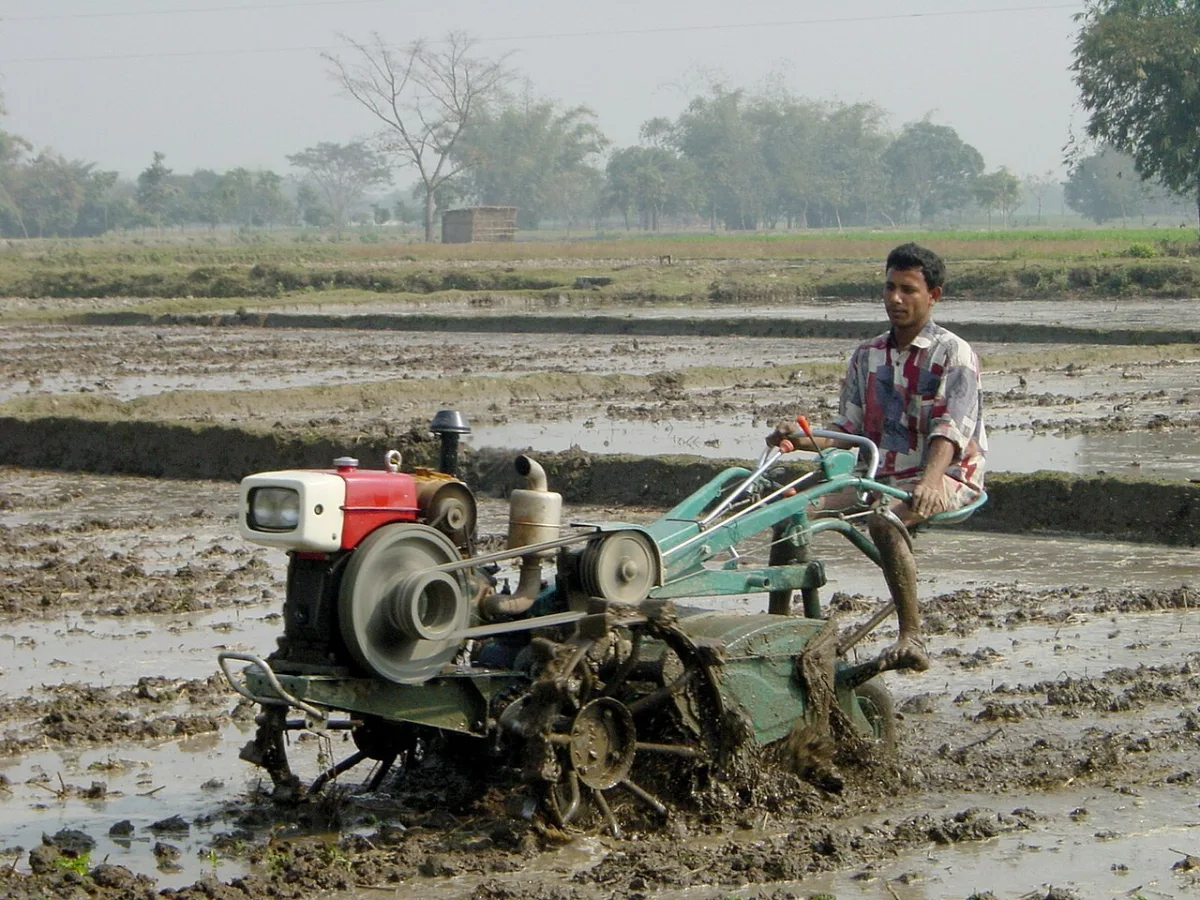
The tillage system is the foundation of efficient crop production, determining not only the productivity of agricultural enterprises but also the long-term soil fertility of land plots. The correct choice of technologies — from traditional ploughing to modern no-till methods — allows for creating optimal conditions for the development of vegetable and cereal crops, conserving soil moisture, and effectively controlling weeds. Understanding the physical and agrotechnical processes occurring in the soil is essential both for a specialist planning crop rotation and for a plot owner to achieve stable yields.
This collection brings together materials covering both the historical evolution of agriculture and the applied aspects of working with soil in various conditions. Readers will find recommendations here on post-harvest field preparation, nuances of operating modern equipment, and scientifically grounded strategies for crop production, including specific tasks such as working in areas with special requirements for environmental safety. Studying the presented articles will help systematize knowledge about methods of influencing the soil layer to increase the efficiency of agricultural production.