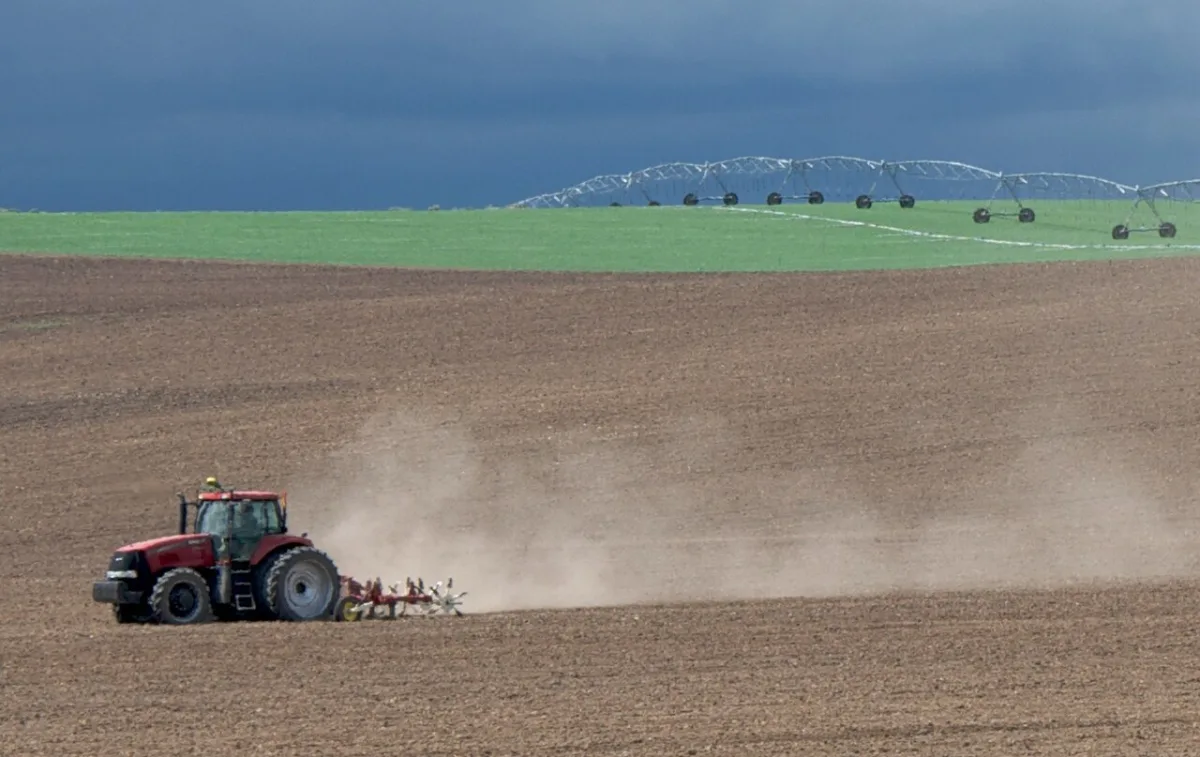
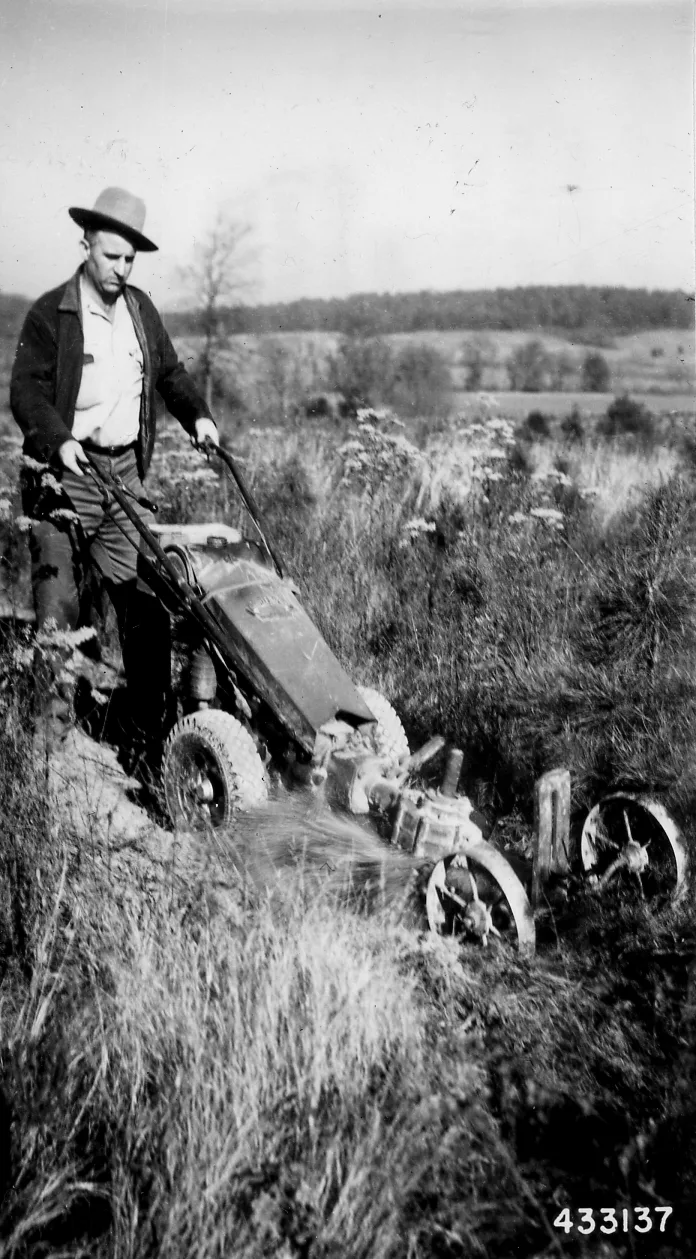
The topsoil is the upper, most fertile part of the soil, the condition of which determines the development of the plant root system and the efficiency of nutrient uptake. For an agronomist and a practicing farmer, competent management of this horizon is the foundation of a successful harvest. The success of sowing campaigns, especially when working with winter, spring, or stubble crops, directly depends on the physical properties of the soil, such as density, porosity, and soil moisture retention capacity. Understanding the processes occurring in the topsoil after the harvesting of predecessors allows for minimizing the negative impact of compaction and excessive drying.
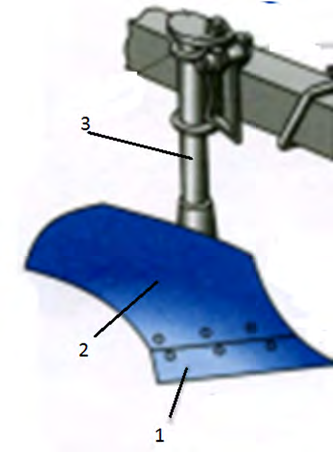
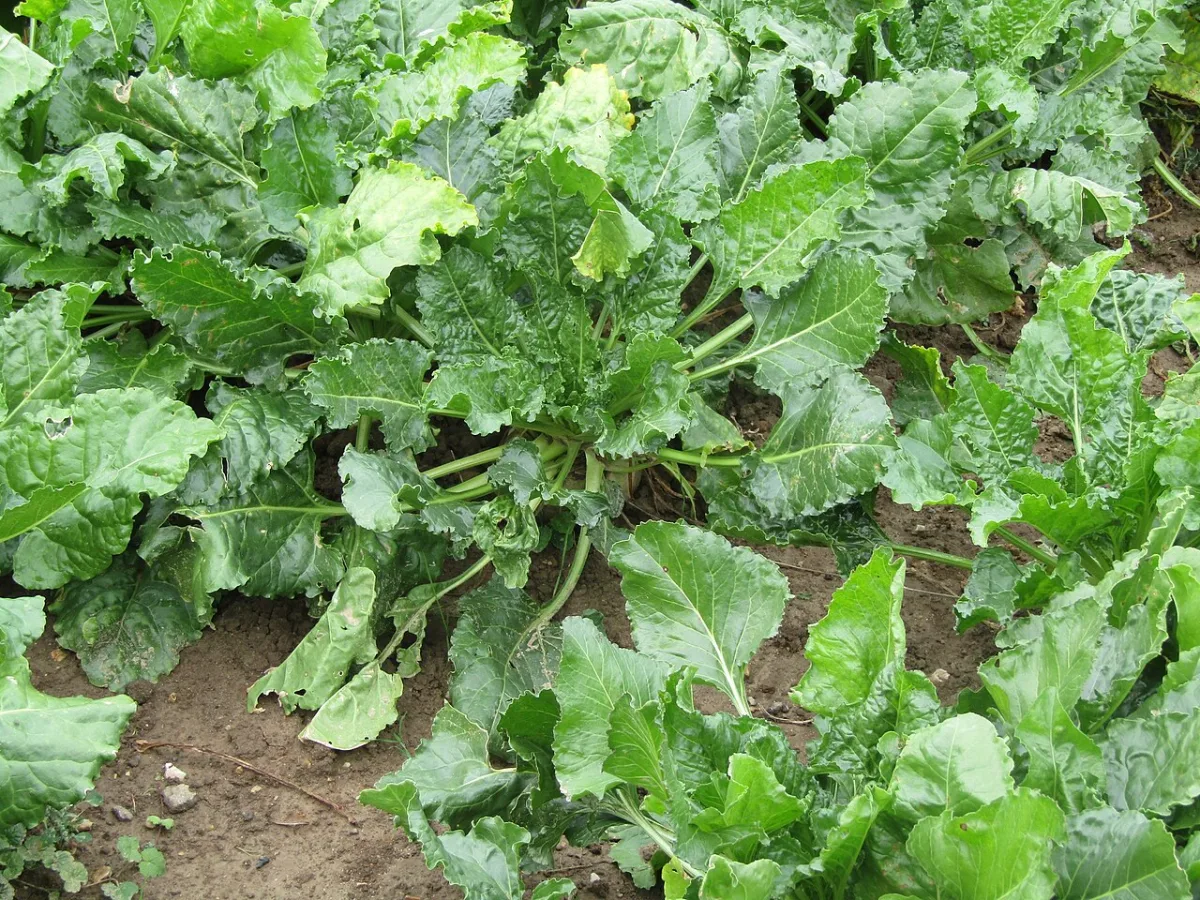
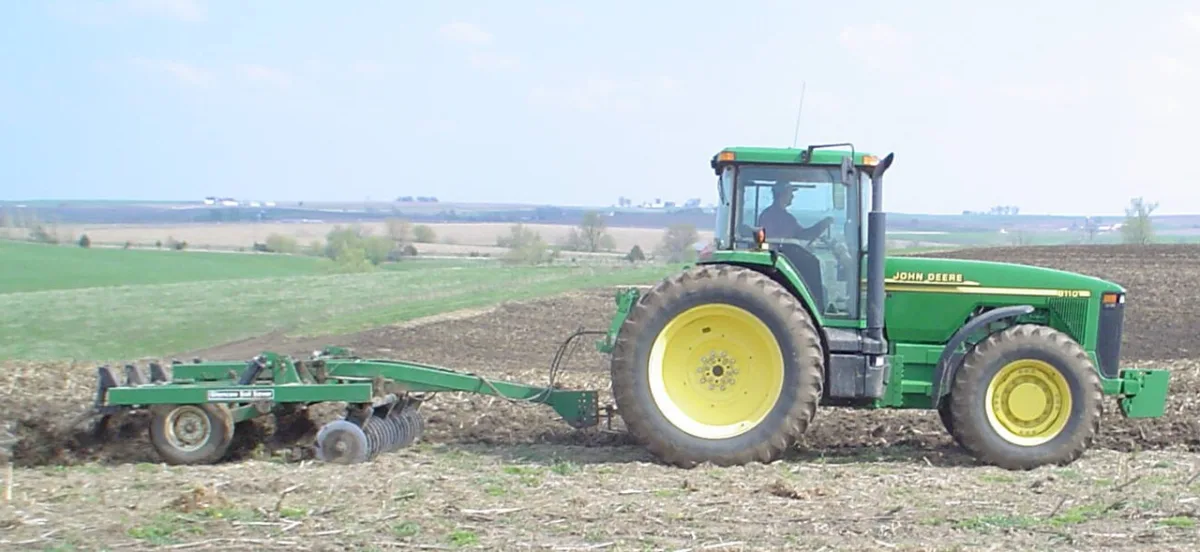
This selection presents materials covering a complex of issues regarding the creation of an optimal soil structure. You will find the technical specifications of modern ploughs and a classification of ploughing methods, as well as methods for planning tillage within crop rotation. The authors of the articles analyze in detail the specifics of land preparation after grain legumes and row crops, offering practical solutions for moisture conservation and improvement of soil fertility. The materials will help to systematize knowledge about the impact of mechanical action on soil structure and build an effective strategy for field preparation for sowing in various agro-climatic conditions.