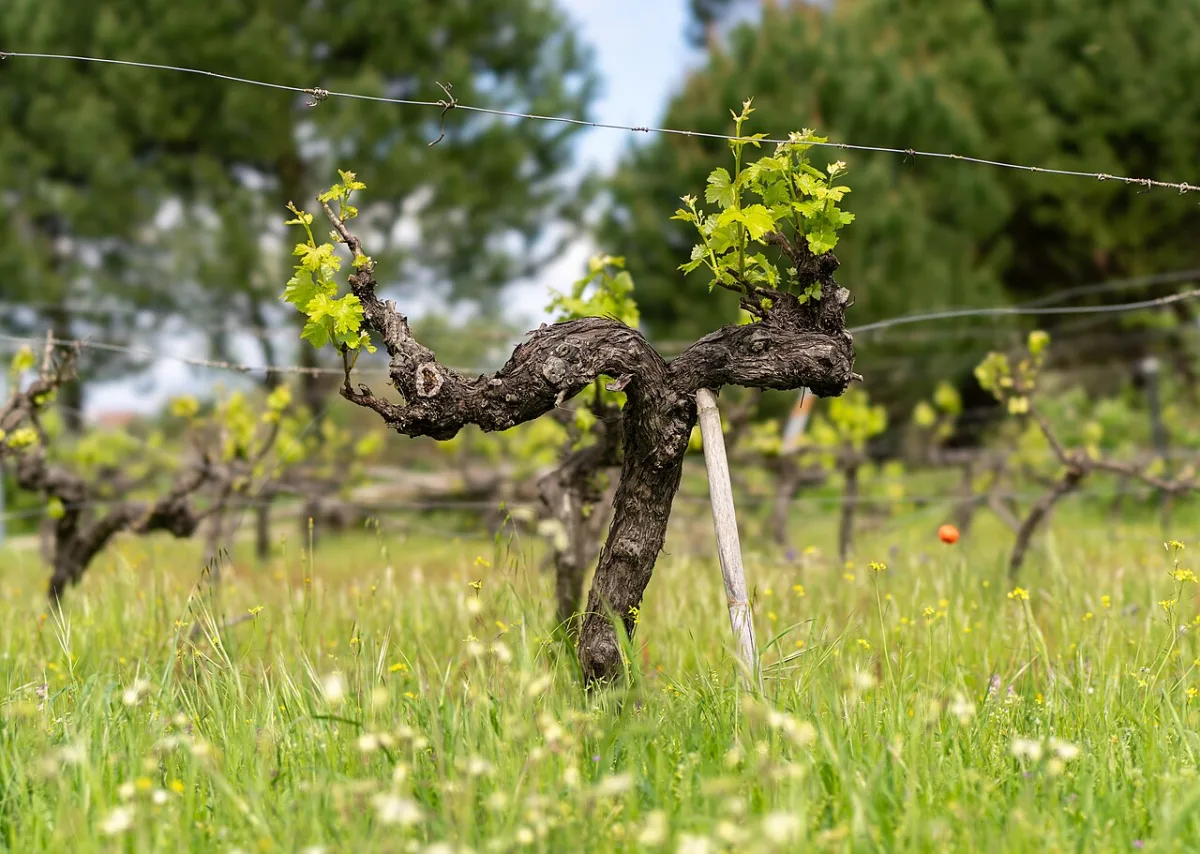
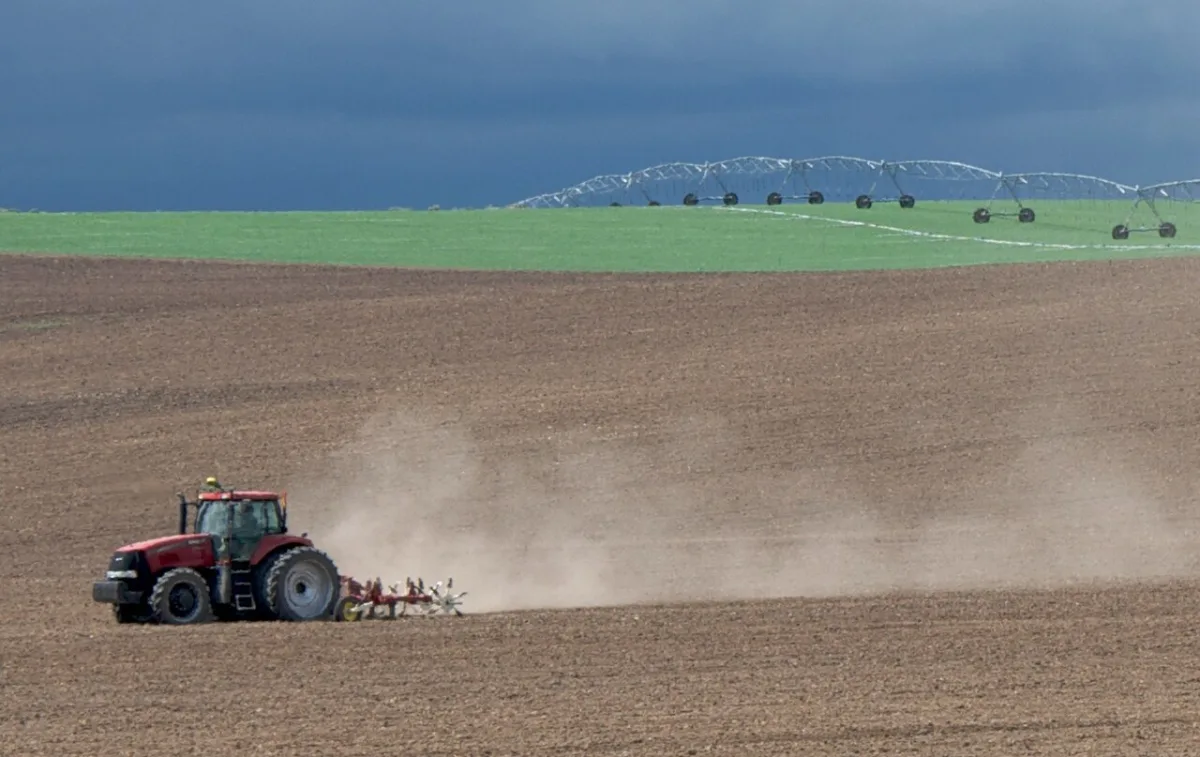
Loosening the soil is a fundamental agricultural technique aimed at regulating the physical properties of the soil. Regular use of machinery in row spacing, especially in vineyards, inevitably leads to soil compaction, which prevents normal air exchange and reduces crop yield. Using deep loosening methods and transitioning to non-inversion tillage allows for the optimization of soil structure, improvement of soil moisture retention, and the creation of favorable conditions for the development of plant root systems during the active growing season.
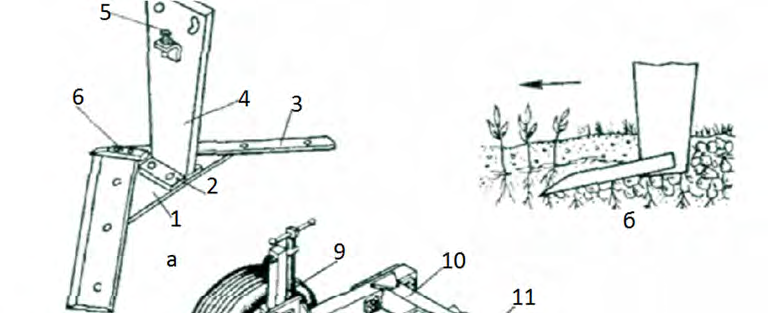
This selection contains expert materials dedicated to the technical aspects of soil tillage and the specifics of site preparation. The reader will find information on the design of modern ploughs and machines for non-inversion tillage, as well as practical recommendations for restoring soil fertility after intensive use. Special attention is paid to preparing land for stubble and catch crops, which is critically important for obtaining a second harvest. The materials will help agronomists and specialists optimize production processes, correctly select equipment working components, and ensure effective monitoring of the treated layer's condition under various climatic conditions.