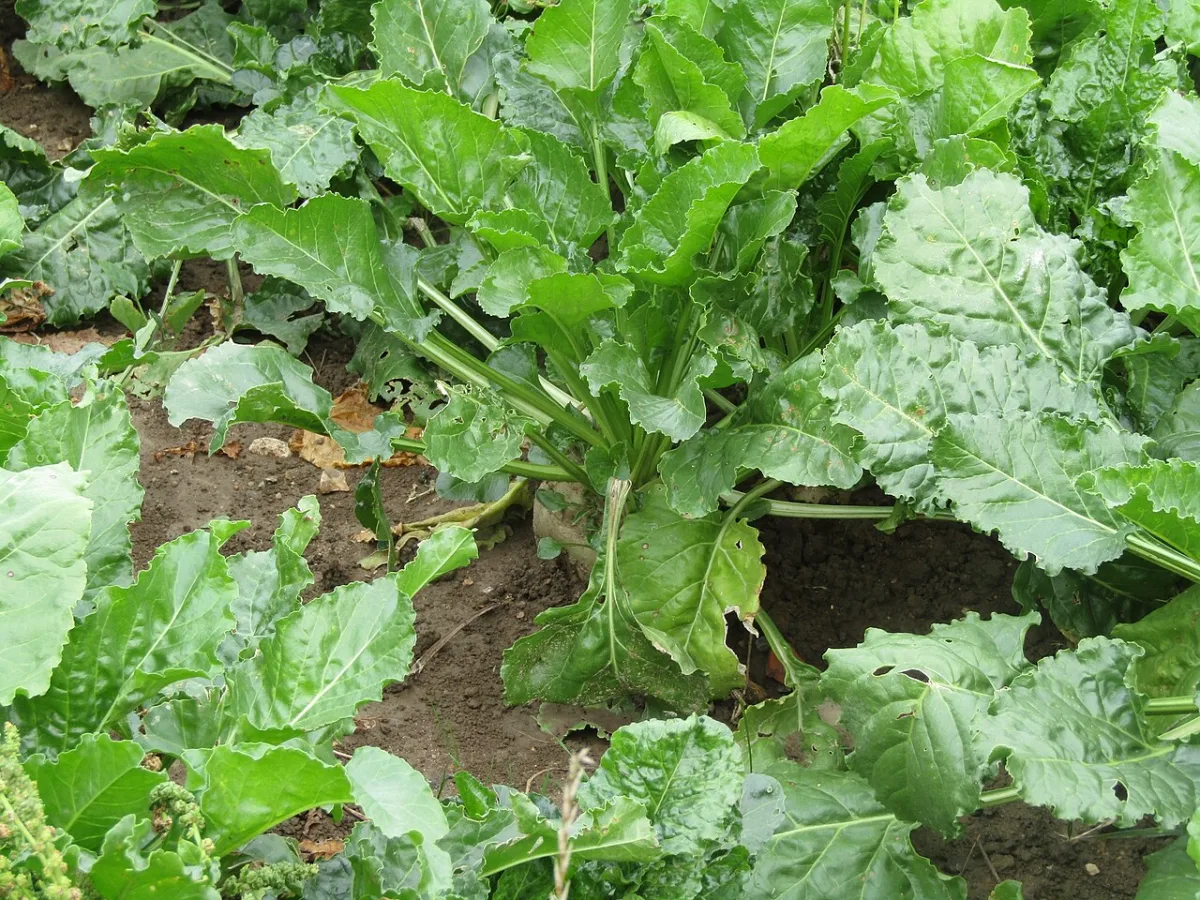
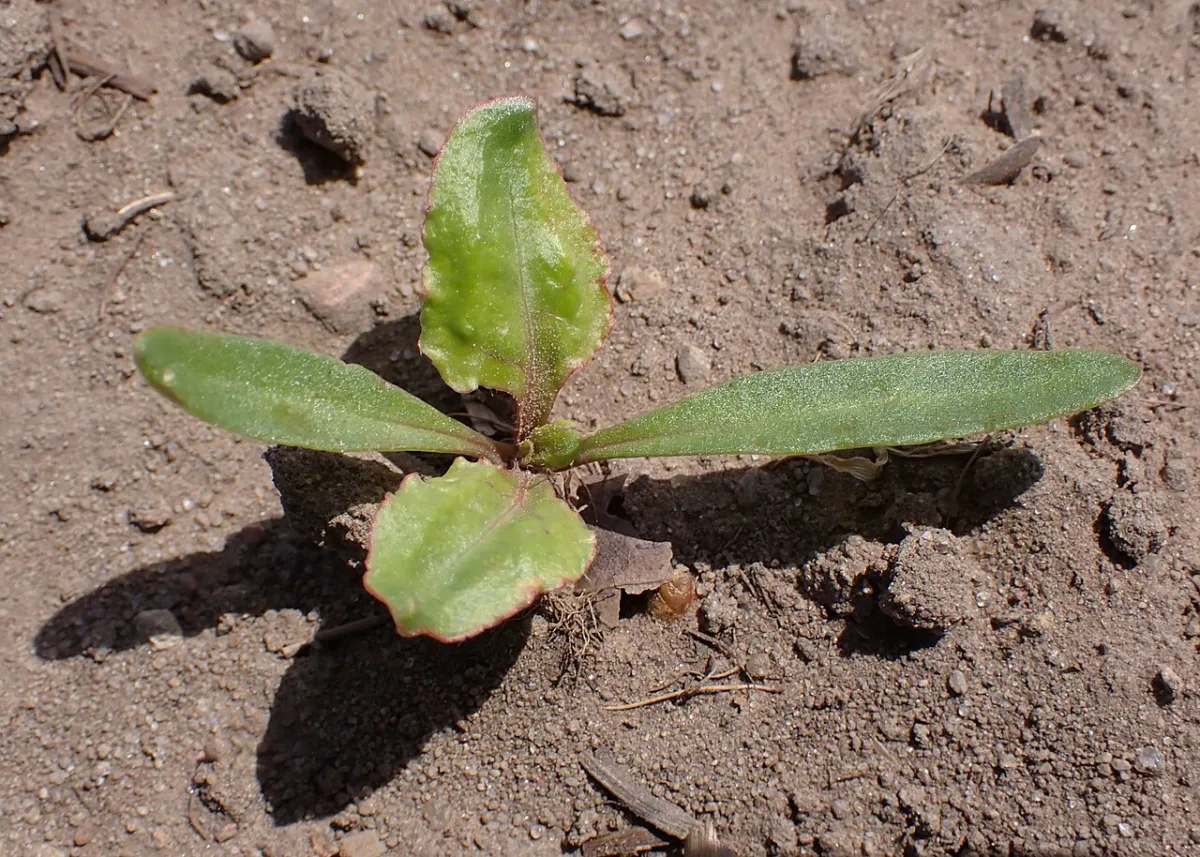
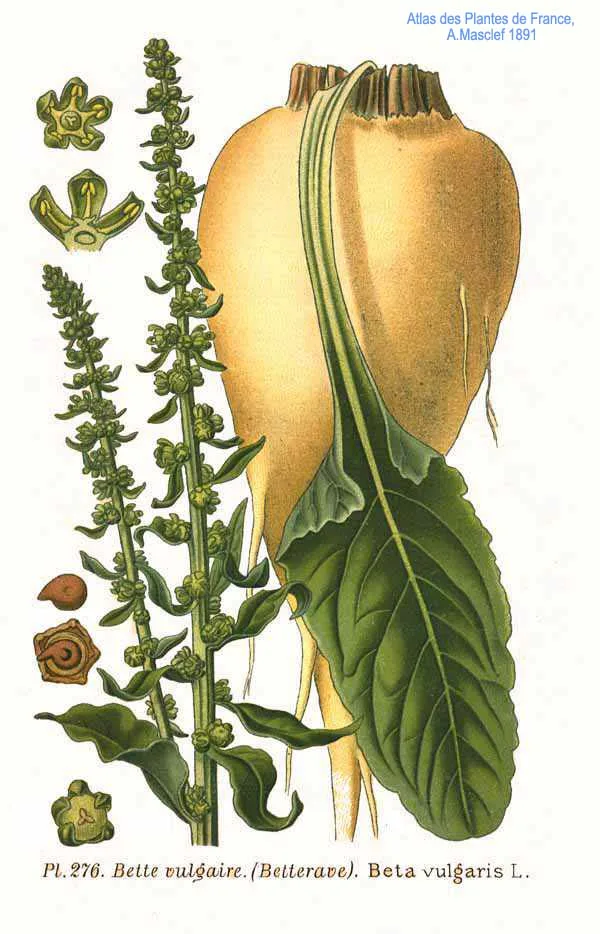
Beet is a strategically significant crop, represented in agronomy by both sugar and forage varieties. For professional farmers, sugar beet cultivation is a method of obtaining a high sugar yield and valuable by-products, while forage beet serves as an important link in providing livestock with a high-quality base. The efficiency of growing these root crops directly depends on strict adherence to agrotechnical regulations, including the selection of optimal soil conditions, control of soil density and acidity, as well as competent management of mineral nutrition, which influences carbohydrate accumulation and the overall nutritional value of the harvest.
This collection gathers materials that help systematize approaches to the cultivation of beet and other vegetable crops. Readers will find practical recommendations for preparing transplants, requirements for agroclimatic conditions, and biological characteristics of plant development. In addition, the articles cover issues of crop protection from weeds and methods for optimizing fertilizer systems based on soil agrochemical indicators. The presented information will allow specialists and plot owners to build a competent cultivation technology — from sowing to post-harvest processing, ensuring stable productivity and high quality of root crops.