
Optimizing mineral nutrition of vegetable crops and potatoes
72 min read
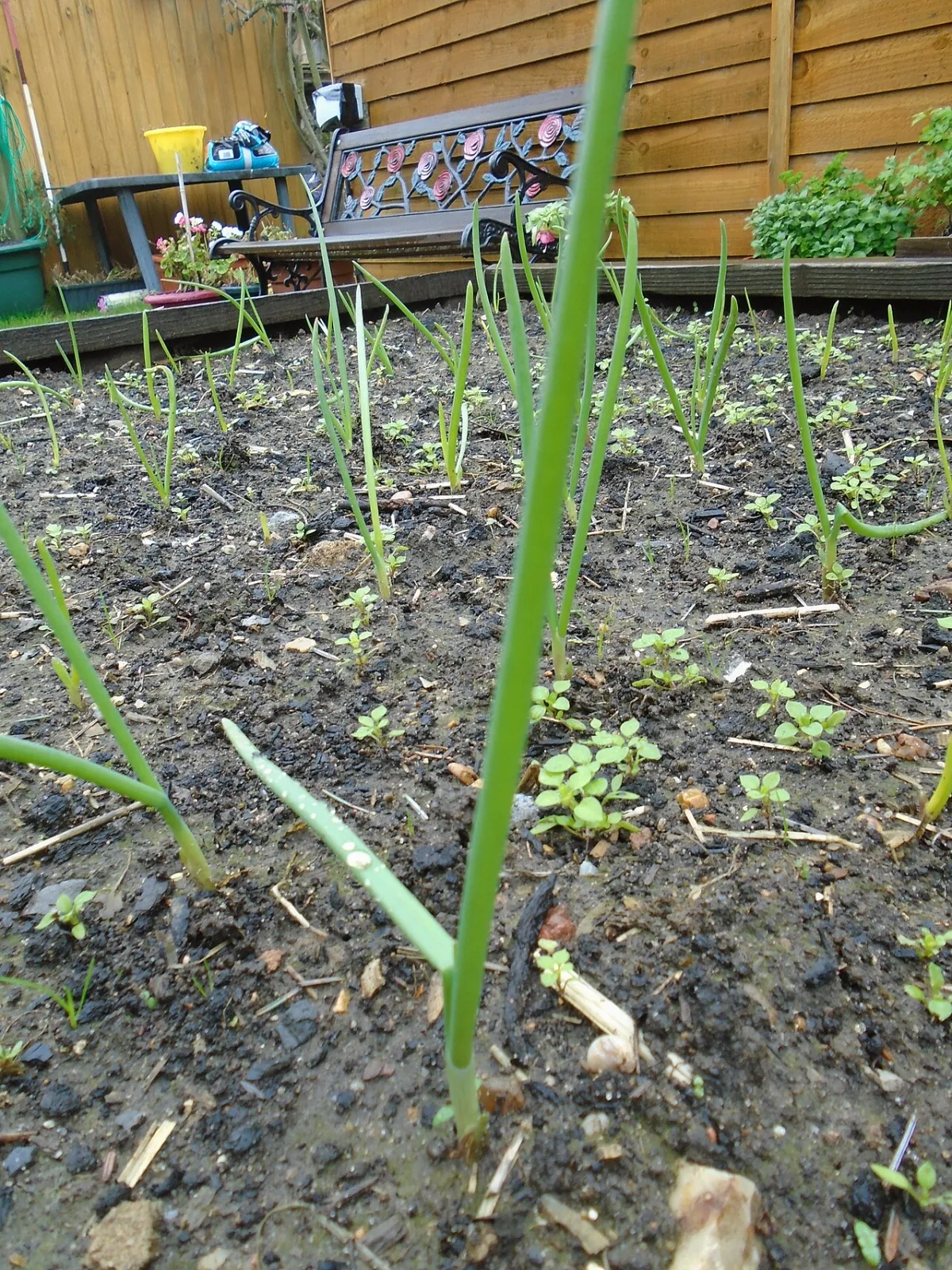
When fertilizing crops, it is necessary to consider not only the increase in yield, but also the need to obtain high-quality produce — with sufficient amounts of vitamins and mineral salts, free from harmful compounds exceeding the permissible level. This is achieved by regulating the composition and ratio of nutrients in fertilizers for individual crops, and the timing of their application depending on the type of produce obtained.
The variability of chemical composition in vegetable and cucurbit crops is determined by the biological characteristics of the crop and cultivar, soil and climatic conditions, and cultivation methods (Table 193; Pokrovsky A.A., 1976).
lots in terms of
% Na K Ca Mg P Fe В1 В2 РР С
1 2 3 4 5 6 7 8 9 10 11 12 13 14 15 16 17 18 19 20 21
Eggplant 91.0 0.6 0.1 5.5 4.2 0.9 1.3 0.2 0.5 6 238 15 9 34 0.4 0.02 0.04 0.05 0.60 5
Beans 83.0 6.0 0.1 8.3 1.6 6.0 0.1 0.7 – – – – – – – 0.05 0.06 0.10 0.60 20
Swede 87.0 1.2 0.1 8.1 7.0 0.4 1.5 0.2 1.2 10 238 40 7 41 1.5 0.12 0.04 0.03 0.50 30
Green peas 80.0 5.0 0.2 13.3 6.0 6.8 1.0 0.1 0.8 2 285 96 38 122 0.7 0.40 0.34 0.19 2.0 25
Zucchini 93.0 0.6 0.3 5.7 4.9 – 0.3 0.1 0.4 2 238 15 9 12 0.4 0.03 0.03 0.03 0.60 15
Cabbage: white cabbage 90.0 1.8 – 5.4 4.6 0.5 0.7 0.05 0.7 13 185 48 16 31 1.0 0.02 0.06 0.05 0.40 50 red cabbage 90.0 1.8 – 6.1 4.7 0.5 1.3 0.2 0.8 4 302 53 16 32 0.6 0.10 0.05 0.05 0.40 60 Brussels sprouts 86.0 4.8 – 6.7 5.4 0.5 1.6 0.7 1.3 7 375 34 40 78 1.3 0.30 0.10 0.20 0.70 120 kohlrabi 86.0 2.8 – 8.3 7.4 0.5 1.7 0.1 1.2 10 370 46 30 50 0.6 0.10 0.06 0.05 0.90 50 cauliflower 90.9 2.5 – 4.9 4.0 0.5 0.9 0.1 0.8 10 210 26 17 51 1.4 0.02 0.10 0.10 0.60 70
Potato 75.0 2.0 0.1 19.7 1.5 18.2 1.0 0.1 1.1 28 568 10 23 58 0.9 0.02 0.12 0.05 0.90 201
Green onions 92.5 1.3 – 4.3 3.5 – 0.9 0.2 1.0 57 259 121 18 26 1.0 2.0 0.02 0.10 0.30 30
Leek 87.0 3.0 – 7.3 6.5 – 1.5 0.1 1.2 50 225 87 10 58 1.0 0.10 0.10 0.04 0.50 35
Onion 86.0 1.7 – 9.5 9.0 – 0.7 0.1 1.0 18 175 31 14 58 0.8 0.05 0.02 0.20 10 dy
Carrot red 88.5 1.3 0.1 7.0 6.0 0.2 1.2 0.1 1.0 21 200 51 38 55 1.2 9.0 0.06 0.07 1.0 5 yellow 89.0 1.3 0, 7.0 6.0 0.2 0.8 0.1 0.7 65 234 46 36 60 1.4 1.10 0.10 0.02 – 5
Cucumber field 95.0 0.8 – 3.0 2.5 0.1 0.7 0.1 0.5 8 141 23 14 42 0.9 0.06 0.03 0.04 0.20 10 greenhouse 96.5 0.7 – 1.8 1.8 0.1 0.5 – 0.5 7 196 17 – 42 0.5 0.02 0.03 0.02 – 7
1 2 3 4 5 6 7 8 9 10 11 12 13 14 15 16 17 18 19 20 21
Pattypan squash 93.0 0.6 – 4.3 4.1 – 1.3 0.1 0.7 – – – – – – 0.03 0.04 0.25 23 dy
Green pepper (sweet) 92.0 1.3 – 4.7 4.0 0.1 1.5 0.1 0.5 7 139 6 10 25 0.8 1.0 0.06 0.10 0.60 150 red (sweet) 91.0 1.3 – 5.7 5.2 – 1.4 0.1 0.6 19 163 8 11 16 – 2.0 0.10 0.08 1.0 250
Parsley greens 85.0 3.7 – 8.1 6.8 1.2 1.5 0.1 1.1 79 340 245 85 95 1.9 1.70 0.05 0.05 0.70 150 root 85.0 1.5 – 11.0 9.4 0.4 1.3 0.1 1.1 – 262 86 41 82 1.8 0.01 0.08 0.10 1.0 35
Parsnip (root) 83.0 1.4 – 11.0 6.5 4.0 2.4 0.1 1.5 8 342 57 22 73 0.7 0.02 0.08 0.09 0.94 20
Rhubarb (stalk) 94.5 0.7 – 2.9 2.5 – 1.0 0.1 1.0 35 325 44 17 25 0.6 0.06 0.01 0.06 0.10 10
Radish 93.0 1.2 – 4.1 3.5 0.3 0.8 0.1 0.6 10 255 39 13 44 1.0 0.01 0.04 0.10 25 dy
Black radish 88.6 1.9 – 7.0 6.2 0.3 1.5 0.1 1.0 17 357 35 22 26 1.2 0.02 0.03 0.03 0.25 29
Turnip 90.5 1.5 – 5.9 5.0 0.3 1.4 0.1 0.7 58 238 49 17 34 0.9 0.10 0.05 0.04 0.80 20
Lettuce 95.0 1.5 – 2.2 1.7 – 0.5 0.1 1.0 8 220 77 40 34 0.6 1.75 0.03 0.08 0.65 15
Beet 86.5 1.7 – 10.8 9.0 – 0.9 0.1 1.0 86 288 37 43 43 1.4 0.01 0.02 0.04 0.20 10
Celery root 90.0 1.3 – 6.7 5.5 0.6 1.0 0.1 1.0 77 393 63 33 27 0.5 0.01 0.03 0.04 0.30 8 greens 78.0 – – 2.0 2.0 – – – – – – – – – – 0.80 0.02 0.10 0.42 38
Sweet potato 80.5 2.0 – 13.8 6.0 7.3 1.3 0.1 1.2 – 397 34 28 49 1.0 0.30 0.15 0.05 0.60 23
Asparagus 92.7 1.9 – 3.6 2.3 0.9 1.2 0.1 0.6 40 196 21 20 62 0.9 0.03 0.10 0.10 1.0 20
Tomato field 93.5 0.6 – 4.2 3.5 0.3 0.8 0.5 0.7 40 290 14 20 26 1.4 1.20 0.06 0.04 0.53 25 greenhouse 94.6 0.6 – 2.9 2.9 – 0.4 0.3 0.6 15 243 8 – 35 0.5 0.50 0.04 0.03 0.50 20
Dill 86.5 2.5 0.5 4.5 4.1 – 3.5 0.1 2.3 43 335 223 70 93 1.6 1.0 0.03 0.10 0.60 100
Bean 90.0 4.0 – 4.3 2.0 2.0 1.0 0.1 0.7 – – 65 – 44 1.1 0.4 0.10 0.20 0.50 20
Horseradish 77.0 2.5 – 16.3 – – 2.8 – 1.4 140 579 119 36 130 2.0 0.08 0.10 0.40 55 dy
Garlic 70.0 6.5 – 21.2 3.2 2.0 0.8 0.1 1.5 120 260 90 30 140 1.5 " 0.08 0.08 1.1 10
Spinach 91.2 2.9 – 2.3 2.0 – 0.5 0.12 1.8 62 774 106 82 83 3.0 4.5 0.10 0.25 0.60 55
Sorrel 90.0 1.5 – 5.3 5.0 – 1.0 0.72 1.4 15 500 47 85 90 2.0 2.5 0.19 0.10 0.30 43
With fertilizer application, the yield of white cabbage increases by 130–150 c/ha, of tomato – 80–100, of onion 40–50 c/ha. Fertilizers positively influence the quality of vegetable produce: its taste improves, the content of vitamins, carbohydrates, and dry matter increases, and the yield of marketable produce rises.
Nutrient consumption and uptake vary depending on the cultivated crop and soil-climatic conditions. Therefore, it is necessary to differentiate the rates and doses of fertilizers depending on the plant growing conditions.
Nutrition of white and red cabbage: balance and timing of application
All types of cabbage respond well to organic and mineral fertilizers, especially nitrogenous ones. The need for phosphorus is highest in cauliflower, broccoli, and late-maturing white cabbage, while potassium is required most by mid-late and late cultivars of white and red cabbage. At the same time, white cabbage absorbs nutrients over a long period, with the peak consumption occurring during the head formation stage. Early-maturing cultivars absorb nutrients in a shorter period, while late-maturing ones stretch this process over time. Nutritional requirements for red cabbage are completely analogous to those of white cabbage.
- Nitrogen uptake per 100 c of produce — 41 kg
- Phosphorus uptake per 100 c of produce — 14 kg
- Potassium uptake per 100 c of produce — 49 kg
The amount of mineral fertilizer doses directly depends on the soil fertility level. The better the plot is prepared and the higher the nutrient content in it, the lower the costs required for purchase and fertilizer application. Nutritional efficiency in a specific field is also closely linked to irrigation and the duration of the arable land use.
On meadow-chernozem soils, nitrogen increases the levels of sugars and vitamin C, but its excess sharply impairs the keeping quality of cabbage during storage. To improve the quality and keeping quality of heads, be sure to apply potash and phosphorus-potassium fertilizers.
Usually, nitrogen dominates in the cabbage nutrition system. To obtain a high yield on chernozems, it is standard to apply 90–135 kg/ha of nitrogen, 90–135 kg/ha of phosphorus, and 80–120 kg/ha of potassium. For late-maturing cultivars, the doses are increased, and local application of well-rotted manure directly into the planting holes during transplanting provides excellent results, with an overall organic matter rate of 20–30 t/ha.
Predecessors in crop rotation dictate their own conditions for adjusting nutrition doses. If late cabbage is planted after perennial grasses, a complete mineral fertilizer will be needed. If cabbage is placed after crops that significantly deplete the soil (e.g., tomato), it is necessary to apply 30–50 t/ha of organic matter or proportionally increase the doses of nitrogen mineral fertilizers.
For phosphorus-potassium fertilizers, it is best to use a split application scheme:
- Apply one-third of the rate in autumn for winter ploughing.
- Distribute the remaining two-thirds in spring and as top dressing.
Top dressing during the growing season is carried out strictly in two stages. The first time, fertilizers are applied during the leaf rosette formation phase. The second top dressing is timed to the beginning of head formation.
Nutrition specifics of Brussels sprouts, savoy and cauliflower
Brussels sprouts are distinguished by high nutritional value: they contain 4.5–5.5% dry matter, 3.5–5.5% protein, and 4.5–5.5% sugar. This crop is extremely demanding regarding soil fertility, preferring cultivated light to medium loams with a pH of 6.5–7.5. Thanks to its powerful roots, the plant is able to actively extract nutrients from the soil, but it also responds excellently to high doses of fertilizers. In field trials, the optimal rates for Brussels sprouts were determined to be 100–180 kg/ha of nitrogen, 60–80 kg/ha of phosphorus, and 120–200 kg/ha of potassium.
Savoy cabbage is distinguished by its crinkled leaves, and its early-maturing cultivars are much more demanding in terms of nutrition than early cultivars of white cabbage. For every 100 centners of yield, early Savoy cabbage requires 31% more nitrogen, 7% more phosphorus, and 23% more potassium. Soil requirements for mid-season and mid-late cultivars of both types are completely identical.
| Maturity group | Nitrogen (N), kg/ha | Phosphorus (P), kg/ha | Potassium (K), kg/ha |
|---|---|---|---|
| Early-maturing | 60–90 | 40–60 | 60–90 |
| Mid-season and mid-late | 80–120 | 50–80 | 80–120 |
Cauliflower is the most demanding representative of the family due to its poorly developed root system. It requires only highly fertile, cultivated plots with a light mechanical composition and a high humus content. Under field conditions on chernozem soils, it is recommended to apply nitrogen at a dose of 110–160 kg/ha, phosphorus at 60–90 kg/ha, and potassium at 110–140 kg/ha for mid-season cauliflower cultivars.
Cauliflower removes significantly more nutrients than white cabbage. To form 100 centners of marketable produce, it requires 84 kg of nitrogen, 29 kg of phosphorus, and 83 kg of potassium.
Nutrition specifics for broccoli and kohlrabi
Broccoli, a variety of cauliflower with a head made of branched stems with green, blue, purple, or white buds, has a growing season of 135–150 days. It is less demanding on soil than cauliflower and can even grow on heavy, damp plots. However, the crop shows its best productivity on light and medium loams rich in humus, as well as in floodplains and lowlands. Its nutrient uptake is practically the same as that of cauliflower, so the rates and application methods of fertilizers are identical. At the same time, the yield of broccoli is 20–40% higher.
Kohlrabi is valued for its juicy stem-tuber, which contains 1.5 times more nitrogenous substances and ascorbic acid than white cabbage. It is the most early-maturing cabbage crop: it ripens in 70–80 days after emergence, which is 20–30 days earlier than white cabbage. Due to the rapid development of the plants, their nutrition system requires strict adherence to application timelines.
- Growing season of kohlrabi — 70–80 days
- Nitrogen rate (active ingredient) — N75–100
- Phosphorus rate (active ingredient) — P30–40
- Potassium rate (active ingredient) — K85–140
The short growing season of kohlrabi requires a special approach to the distribution of nutrients. To avoid delaying ripening and to obtain high-quality stem-tubers, fertilizers are applied strictly according to development phases. Fractional application of nitrogen helps to avoid excessive foliage growth at the start.
- Apply all phosphorus and potassium fertilizers during pre-sowing tillage.
- Apply two-thirds of the nitrogen rate (2/3 of the total dose) immediately before planting.
- Apply top dressing with the remaining third of nitrogen fertilizers when the stem-tubers reach a diameter of about 1.5 cm.
Fertilization system for root crops
For high-quality formation of carrots, table beet, radish, as well as parsley, celery, parsnip, black radish, turnip, and rutabaga, optimal water-physical soil properties are necessary. Light loams or sandy loams with a deep plough layer and an adequate moisture level are best suited for them. When planning plantings, take into account the following basic soil layer parameters:
- Soil type — light loamy or sandy loam;
- Depth of plough layer — more than 20 cm;
- Humus content — more than 4%;
- Groundwater level — more than 60 cm;
- Optimal soil moisture — 80–85% of field capacity.
Excess moisture in the field can destroy the harvest. The root system of radish, black radish, and parsley is extremely sensitive to waterlogging and does not tolerate flooding well, even for up to 10 days. At the same time, carrots, celery, and parsnips suffer much less from temporary water stagnation.
Doses of mineral fertilizers for root crops are calculated based on the planned yield using agrochemical cartograms. The soil in the plot should contain 150–250 mg/kg of phosphorus and 170–250 mg/kg of potassium according to Kirsanov. When calculating, it is important to consider not only the volumes of the elements but also their balance.
The optimal N:P:K ratio in the soil for root crops is 2.5:1.0:4.0. Violation of this proportion reduces yield. An excessive nitrogen dose is especially dangerous: it leads to the accumulation of nitrates in the produce and sharply impairs its shelf life during storage.
Carrots actively use soil reserves thanks to a deep root system capable of absorbing phosphorus and potassium from poorly soluble compounds. The demand for nutrients changes depending on the growing season phase. At the beginning of growth, the crop requires increased phosphorus nutrition for the accumulation of sugars and vitamins. Nitrogen is necessary during the period of intensive foliage growth, but its excess stimulates leaf growth to the detriment of the root crop itself. Potassium uptake increases gradually towards the end of the season; its deficiency causes curling of young leaves and marginal burn on old ones.
To accurately calculate the application rates for a planned yield, standard nutrient uptake indicators are used. The percentage of active ingredients that the plant will absorb from the soil and applied fertilizers is also taken into account. All necessary indicators for these calculations are provided in the tables below.
| Nutrient | Uptake per 100 centners of marketable carrot produce, kg |
|---|---|
| Nitrogen | 20.8 |
| Phosphorus | 2.7 |
| Potassium | 39.3 |
| Calcium | 6.3 |
| Nutrient source | Phosphorus utilization rate, % | Potassium utilization rate, % |
|---|---|---|
| From mineral fertilizers | 15 | 67 |
| From soil reserves | up to 5 | up to 20 |
Never apply fresh manure directly for carrots. This delays harvest maturity and impairs the marketability of root crops — they grow deformed, branched, pale yellow, and have poor flavor. Grow carrots only as a follow-up crop to organic fertilizers.
The application rate of mineral fertilizers for carrots on the chernozems of Kuban is N60–90, P60–120, K60–90. Two-thirds of phosphorus–potassium fertilizers for carrots should be applied in autumn for winter ploughing, with the remainder applied in spring. Additional plant nutrition during the carrots' growing season is provided through top dressing. During the plant's growing season, two top dressings are carried out as needed:
- the first – two to three weeks after emergence;
- the second – three to four weeks after the first.
Table beet. One of the main conditions for obtaining a high-quality harvest of standard root crops of table beet is ensuring it has sufficient nutrients throughout the entire growing season. To obtain a root crop yield of 400–500 centners/ha, beet plants utilize 30–45 kg of phosphorus, 100–130 kg of nitrogen, 210–260 kg of potassium, and 70–90 kg of calcium from the soil. Furthermore, beets remove 2.5 to 3.5 centners/ha of chlorine from the soil and are therefore a good precursor crop for potatoes, which form tubers with low flavor quality in soils containing an excess of chlorine.
The requirements of table beet for mineral nutrition conditions vary across the plant's growth phases. In the first half of development, beet plants have the greatest need for nitrogen, and in the latter part of the growing season, for potassium.
Nitrogen promotes rapid plant growth and triggers the appearance of new leaves. A deficiency of this element limits plant growth and significantly reduces yield. Excessive nitrogen intake by plants in the second half of the growing season leads to excessive leaf growth at the expense of the root crop yield. Therefore, nitrogen top dressing for beets at later stages is impractical.
Potassium is necessary for photosynthesis; it enhances growth processes and the development of root crops. With a deficiency of this element, leaves yellow prematurely and root crops wilt. The need for phosphorus consumption by beet plants begins from the moment the root system forms and continues throughout the entire growing season. A lack of phosphorus nutrition halts plant growth and delays the formation of root crops, as, along with nitrogen and sulfur, phosphorus is essential for protein synthesis.
Carrots and beets react differently to the concentration of the soil solution. The wild ancestors of beets are plants that grow in saline soils near the Mediterranean and Caspian Seas, while the wild ancestors of carrots are plants of steppe flora. This explains why beet seedlings can tolerate a salt concentration of 0.1%, whereas carrots tolerate one six times lower — 0.017%.
Table beet is responsive to the application of organic and mineral fertilizers. Any organic fertilizers can be used for this crop. Organic fertilizers applied for beets increase the harvest almost everywhere. If manure was not applied for the previous crop, it is necessary to apply 20–50 t/ha of humus before winter ploughing. Green manure crops combined with mineral fertilizers also ensure high beet yields, sometimes not inferior to yields obtained with manure.
The need for mineral fertilizers depends on the soil fertility of the farm and the methods of application. The approximate fertilizer rate for table beet on Kuban chernozems is:
| Nutrient | Rate (kg a.i./ha) |
| N | 60–100 |
| P | 60–100 |
| K | 60–90 |
Usually, 2/3 of the phosphorus and potassium fertilizer rate is applied under winter ploughing, while the remainder, including nitrogen, is applied during spring tillage and as top dressing. During the growing season, two top dressings are typically performed:
- the first is done after the appearance of the 3rd–4th true leaf;
- the second – during root crop filling, when its diameter reaches 2.5 cm.
Among nitrogen fertilizers, nitrate forms are preferred when applying to table beets. Both potassium sulfate and potassium chloride are used for this crop. However, sulfates have an advantage in the initial period of plant growth and development, while chlorides are preferable during the root crop formation period. Table beet responds highly to the application of granulated superphosphate enriched with manganese and boron.
Radish. This is a valuable early-ripening vegetable, rich in essential oils and glycosides that possess phytoncidal properties. Radish is very demanding regarding soil. It grows well in soils rich in humus and nutrients in an easily accessible form.
When grown in light soils, the root crops become flabby and have a sharp taste, while in heavy, viscous soils they become deformed. Radish does not tolerate the application of fresh manure, which is better applied to the preceding crop.
To produce a harvest of 100 centners, it consumes 16.8 kg of nitrogen, 7.3 kg of phosphorus, 34.2 kg of potassium, and 5.7 kg of calcium. Despite such a low nutrient uptake, radish is characterized by its intensive consumption per unit of time. Therefore, it responds well to fertilizer application.
At the beginning of development, radish requires increased phosphorus nutrition, so it responds well to the application of granular superphosphate in rows during seed sowing. It should be remembered that due to the short growing season, it is better to apply quick-acting forms of nitrogen fertilizers to this crop – potassium and ammonium nitrate. It is recommended to use fertilizers with a low chlorine content.
The approximate fertilizer application rate for radish on Kuban chernozem soils is N40–60P30–40K40–60, humus 20–30 t/ha.
Mineral nutrition of radish and celeriac
Radish forms a powerful assimilation apparatus, allowing for the cultivation of large root crops. On Kuban chernozem soils, their length can reach 60–80 cm with a weight of 3–5 kg. To obtain such a harvest, the crop requires balanced mineral nutrition with a high proportion of nitrogen and potassium. When determining dosages, be guided by the earliness of the cultivar: use minimum dosages for early radish and maximum for late ones. The best preceding crops for this culture in southern regions are onions, cucumbers, tomatoes, and potatoes.
- Nitrogen uptake per 100 centners of produce — 30.4 kg
- Phosphorus uptake per 100 centners of produce — 2.6 kg
- Potassium uptake per 100 centners of produce — 35.7 kg
- Calcium uptake per 100 centners of produce — 3.5 kg
Do not apply manure directly under radish — this leads to deformation and branching of the root crops. If there is a risk of black rot appearing on the field, choose physiologically acidic fertilizers that lower the pH of the soil solution.
Celeriac is also distinguished by increased nitrogen and potassium consumption. The crop is demanding regarding soil structure: deep ploughing is necessary for the free growth of roots. If a plough pan is present, deep loosening must be carried out. Celery is a halophyte, therefore it painlessly tolerates potassium fertilizers in chloride form.
| Crop | Nitrogen (N), kg/ha a.i. | Phosphorus (P), kg/ha a.i. | Potassium (K), kg/ha a.i. | Humus, t/ha |
|---|---|---|---|---|
| Radish (on Kuban chernozem soils) | 40–90 | 40–60 | 40–90 | 30–40 |
| Celeriac (on Kuban chernozem soils) | 40–60 | 30–50 | 40–90 | 30–40 |
Nitrogen nutrition of celery requires strict control. Excess nitrogen during the early stages of leaf growth leads to the accumulation of nitrates in the root crops. For this reason, nitrogen fertilizers are applied in fractions.
- Apply organic and phosphorus fertilizers during the primary tillage, and potassium fertilizers before sowing.
- Before sowing, apply half of the calculated nitrogen fertilizer rate.
- Divide the remaining nitrogen into two top dressings and apply them at the beginning of July and the middle of August.
In slightly alkaline and alkaline soils during the July drought, celery can suffer from boron deficiency. A drop in the concentration of this element below 1 mg/kg of soil is critical for plants. With boron starvation, the tissues of the root crop become covered with brown spots, voids form within them, young leaves turn yellow, and the growing point dies off.
To prevent boron deficiency, boron-containing fertilizers are applied to the soil at a rate of 2–3 kg of boron per hectare (active ingredient). If signs of starvation have already appeared, carry out emergency foliar top dressing with a 0.5% aqueous solution of boron with a working fluid application rate of 400 l/ha.
It is possible to return celery to the same field or plant it after other umbelliferous crops no earlier than in 4–5 years. Proper crop rotation helps to avoid the accumulation of specific pathogens in the soil. Optimal preceding crops for it in open ground are cabbage, cucumber, tomato, and early potatoes.
Fertilization system for root and leaf parsley
Parsley is demanding regarding soil fertility and thrives best on light loams and sandy loams with a high organic content. Biologically, it is close to carrots, but needs more intensive phosphorus nutrition. At the same time, the approaches to fertilizing leaf and root cultivars differ fundamentally.
- Nitrogen uptake per 100 centners of produce — 41.6 kg
- Phosphorus uptake per 100 centners of produce — 9.5 kg
- Potassium uptake per 100 centners of produce — 34.0 kg
- Calcium uptake per 100 centners of produce — 24.5 kg
Leaf parsley produces a powerful green mass with direct application of organic matter and active nitrogen top dressing. Root parsley, on the contrary, requires placement in a crop rotation only in the second year after the application of organic fertilizers. Fresh organic matter causes severe branching of root crops and reduces the marketability of the produce.
In the chernozem soils of southern Russia, it is recommended to apply N60–90, P90–120, K60–90 for parsley. For maximum efficiency, mineral fertilizers are distributed according to the plant development phases. The bulk of nutrients must be available to the crop at the very start of the growing season.
- Apply 2/3 of the phosphorus fertilizer rate during the primary tillage, and the remaining third in rows directly at sowing.
- Before sowing, apply half the rate of nitrogen and potassium fertilizers under cultivation.
- Perform the first top dressing (with the remaining part of nitrogen and potassium) at the 2–3 true leaf stage.
- Perform the second top dressing 20–25 days after the first.
- For late-harvest crops, perform an additional potassium top dressing at the end of the growing season.
Parsley does not tolerate repeated sowing either after parsley or after other crops from the Apiaceae family; returning to the same spot is possible only after at least four years.
Parsnip. In terms of easily digestible carbohydrates, parsnip occupies one of the leading places among root crops. It contains vitamins, proteins, sugars, and other beneficial substances:
- vitamin C: up to 30 mg per 100 g of raw mass;
- dry matter: 17–19 %;
- sugars: 8.6–10.5 %;
- vitamins B1 and B2;
- essential oils: 1.35 %.
Furthermore, it accumulates fewer nitrates (50 mg/kg of fresh mass) than other root crops. These properties, combined with the winter hardiness of parsnip roots, which allows them to overwinter in the field, have led to its widespread popularity.
Parsnip grows well in various climatic conditions, but the highest yields are obtained in a maritime climate and at moderate temperatures (minimum temperature 4°С, optimal 16–18°С). Soils of medium and heavy texture are most suitable for it. Parsnip reacts positively to high humus content. It responds well to fertilizer application under the preceding crop or in autumn, and to the application of superphosphate or ammophos in rows during sowing, as well as to top dressing with mineral fertilizers.
| Indicator | Consumption per 100 centners of produce |
| Nitrogen | 16.8 kg |
| Phosphorus | 7.3 kg |
| Potassium | 34.2 kg |
| Calcium | 5.7 kg |
The optimal fertilizer rate on the main soils of the south of our country for parsnip is N40–60P30–40K60–90, humus 20–30 t/ha. The best predecessors are cucumber, onion, potato, and cabbage.
Turnip. In the Russian Federation, turnip is widespread everywhere: from the Far North to the southern borders. In the Kuban region, it is of local significance only. Turnip roots contain 8.5–16.9 % dry matter, half of which consists of sugars. They are rich in vitamins B1, B2, C, and provitamin A.
The best soils for turnip are sandy loam and loamy soils with a neutral or slightly acidic reaction, though it also succeeds on other soils. Of all vegetable crops, only turnip tolerates increased soil acidity, growing satisfactorily at pH 5.5 and even 5. In a crop rotation, turnip is placed after crops for which organic fertilizers were applied. To avoid infection with clubroot, it is returned to the same field no earlier than after 5–6 years.
Turnip is responsive to phosphorus and potassium fertilizers. With high soil nitrogen availability and low phosphorus and potassium levels, turnip’s resistance to diseases decreases, the amount of nitrates in the root crops increases, and the concentration of sugars in them decreases. To produce 100 centners of marketable produce, turnip consumes 18.4 kg of nitrogen, 2.9 kg of phosphorus, and 36.9 kg of potassium. The optimal rate of mineral fertilizers on cultivated high-humus soils for this crop is N40–60P60–90K90–120. Under autumn ploughing on low-fertility soils, organic fertilizers are applied at a rate of 40–60 t/ha.
Rutabaga. Both table and forage rutabaga are cultivated. Rutabaga tastes sweeter than turnip. The vitamin C content in its roots reaches 31–47 mg/100 g of raw mass. Moreover, it is preserved during cooking and winter storage. Therefore, rutabaga roots are considered major sources of vitamin C. It is grown mainly for winter consumption, although immature roots harvested in late summer are an excellent treat. Rutabaga plants should not be allowed to overgrow. This leads to the appearance of giant root crops, often woody and more suitable for livestock feed than for human consumption.
In the southern regions of our country, rutabaga is a less common crop, although it is cultivated on fairly large areas in the Non-Chernozem zone of the European part. Loamy soils rich in organic matter with a low groundwater level are most suitable for it; it can also provide good yields on clay soils, drained bogs, or peatlands. On light sandy loam soils, rutabaga produces high yields only with the application of fertilizers. It does not tolerate alkaline soils well.
To form 100 centners of marketable produce, rutabaga removes the following from the soil:
| Nitrogen | 21.1 kg |
| Phosphorus | 2.8 kg |
| Potassium | 37.1 kg |
Table rutabaga responds well to the application of mineral fertilizers, as well as sodium, boron, and copper. Fertilizers for rutabaga are applied at a rate of N40–60P60–90K60–120 against a background of 30–40 t/ha of decomposed manure. Principles of fertilizer application:
- Organic fertilizers, as well as 2/3 of the mineral fertilizer rate, are applied during autumn ploughing.
- The remaining mineral fertilizers are applied during pre-sowing tillage.
Rutabaga shows symptoms of boron deficiency earlier than other root crops, which manifests as glassiness of the root flesh. In crop rotation, it is best to place rutabaga as a post-harvest crop after winter rye, vetch-oat mixture for forage, and early potatoes.
Cucumber. The best soils for cucumber are loamy, air- and water-permeable, with a high content of humus. Floodplain soils, chernozems, and peat soils are considered good. With proper agricultural practices, cucumber can also be grown on heavy clay and light sandy soils. To improve heavy clay soils, it is advisable to add the following in the autumn:
- manure;
- sawdust;
- leaf mold;
- peat and other loosening materials.
Cucumber: fast growing season and sensitive roots
Cucumber forms its harvest over a short growing season, but it has a weak and shallow root system with low suction power. Plants are unable to absorb nutrients from deep layers of the soil and react sharply to high concentrations of the soil solution. Therefore, to obtain high yields, it is necessary to ensure easily accessible nutrients in the topsoil.
- Growing season — 90–105 days
- Nitrogen removal per 100 centners of fruit — 27.5 kg
- Phosphorus removal per 100 centners of fruit — 14.6 kg
- Potassium removal per 100 centners of fruit — 44.2 kg
The nutrient requirements of cucumber change according to growth phases. At the beginning of the growing season, plants actively absorb nitrogen. With the onset of lateral shoot growth, potassium and phosphorus consumption increases, and in the mass fruiting phase, the crop again requires intensified nitrogen nutrition. The best effect is achieved through the combined use of organic and mineral fertilizers.
The cucumber root system is sensitive to high salt concentrations in the soil. Mineral fertilizers should be applied in moderate doses and always in combination with organic matter, which serves as a buffer and improves soil structure.
| Fertilizer type | Application rate |
|---|---|
| Mineral (on chernozems) | N60–90 P60–90 K60–90 |
| Manure | 40–60 t/ha |
Organic fertilizers are incorporated at different depths depending on the timing of the work. During autumn ploughing, organic matter is incorporated to the depth of the arable layer (18–20 cm), and during spring tillage — shallower, at 13–15 cm. Since organic matter decomposes slowly, young plants are supported with easily accessible mineral fertilizers.
In experiments on leached chernozem, the application of mineral fertilizers at a rate of N60P60K60 noticeably increased the content of dry matter, sugars, and ascorbic acid in the fruits. Increased phosphorus rates improve the taste and technological qualities of both fresh and pickled cucumbers. Top dressing with mineral mixtures is carried out in the budding phase and at the beginning of flowering.
In crop rotation, cucumber is placed in areas where manure has been applied directly. The best predecessors are perennial and annual grasses. Also suitable are vegetable crops grown after perennial grasses or on a manure background, except for members of the cucurbit family.
In vegetable grass-arable and row-crop rotations, good predecessors for cucumber are:
- early and cauliflower, legumes, early potatoes, early tomatoes, onions, and leafy greens;
- carrots, peppers, eggplants, and corn.
Tomato: phosphorus start and potassium peak
Tomatoes are less demanding of soils than other vegetables and can grow at a pH level no lower than 5.5. However, they show maximum productivity on well-warmed chernozems and floodplain lands with a pH of 5.5–6.5, rich in organic matter. Sandy loams and loams also give excellent results with regular loosening and balanced nutrition. Cold lowlands with high groundwater levels are unsuitable for tomatoes.
- Nitrogen removal per 100 centners of produce — 32 kg
- Phosphorus removal per 100 centners of produce — 11 kg
- Potassium removal per 100 centners of produce — 40 kg
- Nutrient consumption in the first month — 5–7% of the total volume
Nutrient consumption by tomatoes is uneven. In the first month of the growing season, young plants absorb very few nutrients, but they are extremely sensitive to their availability and steady supply. In the fruiting phase, consumption increases sharply — the plants require a potassium and phosphorus boost.
| Plant growth phase | Nitrogen (N) | Phosphorus (P) | Potassium (K) | Calcium (Ca) |
|---|---|---|---|---|
| Plants aged 30 days | 100 | 24 | 70 | 89 |
| Fruiting period | 100 | 48 | 291 | 199 |
For tomato crops, humus and well-rotted manure are applied as organic fertilizers. Among mineral fertilizers, the crop is most responsive to phosphorus. Phosphorus nutrition is critical during the initial stages of development: it stimulates root formation, accelerates fruit set, and improves harvest quality. Almost all absorbed phosphorus is spent directly on fruit formation.
In the event of phosphorus deficiency during the early growth phases, tomatoes absorb nitrogen less effectively. This leads to a sharp cessation of growth of the aerial part and general plant suppression.
Diagnosis of nutrient deficiencies in tomatoes and fertilization schemes
Timely identification of signs of plant starvation helps to prevent the loss of the tomato harvest. Deficiencies of major nutrients manifest as characteristic changes in vegetative mass and fruit. It is important for an agronomist to notice these signals in the field in time to adjust the top dressing scheme.
Phosphorus deficiency in the initial stages manifests as a bluish tinting of stems and petioles, while leaf blades take on a blue-green and later a greyish hue. Young upper leaves narrow and point upward at an acute angle. If top dressing is not applied, the leaf lobes will curl inward, the main veins will curl downward and outward, the fruit will acquire a bronze coloration and ripen poorly, and the roots will be covered with a rusty film. With prolonged starvation, bushes remain stunted.
Symptoms of phosphorus starvation and the ineffectiveness of phosphorus top dressing can be caused by nitrogen deficiency in the soil. Without a sufficient amount of nitrogen, phosphorus will not be absorbed by the plants.
Nitrogen starvation is especially dangerous at the beginning of the growing season and during fruit filling. With a nitrogen deficiency, bush growth stops, stems and leaves pale, turn yellow from the center to the edges, and fall off in the lower part of the stem. Fruits form small, woody, and pale green, although they color brightly upon ripening. An excess of nitrogen leads to "over-vegetation" in the tomato — exuberant growth of green mass to the detriment of fruiting.
Potassium deficiency disrupts carbohydrate and protein metabolism, causing ammonia nitrogen to accumulate in the leaves, which leads to their dehydration. Stem growth ceases, yellowish-brown spots appear along the leaf margins, after which they curl and die off. On acidic soils, potassium deficiency manifests as a purple coloration of the underside of the leaves, followed by the appearance of brown spots. Calcium starvation leads to general wilting of the bush, death of stem tips, and growth points.
- Yield increase from N60P60K60 in trials — 50–60 centners/ha
- Manure application for tomatoes — 40 t/ha
- Mineral fertilizer rate — N90–120P90–120K90–120
Mineral fertilizers directly affect the quality of the tomato harvest, increasing the content of dry matter, sugars, and ascorbic acid. To obtain maximum effect, nitrogen is applied fractionally — the main portion is moved to a later period of the growing season (fruit growth and the beginning of their ripening on the first cluster). The quality of produce also improves noticeably with the application of micronutrient fertilizers, especially boron and manganese.
| Recommended fertilizer rate (NPK) | Manure application rate |
|---|---|
| N90–120 P90–120 K90–120 | 40 t/ha |
In crop rotation, the tomato nutrition system depends on the preceding crop. If tomatoes are planted after cabbage, a complete mineral fertilizer is provided. When placing the crop after onions or garlic, nitrogen fertilizer doses must be increased.
Nutritional characteristics of eggplant and soil requirements of pepper
Eggplant is extremely demanding regarding the level of mineral nutrition and responsive to fertilizer application. This crop needs nitrogen more strongly than pepper, yet excessive doses of nitrogen fertilizers are dangerous — they prolong the growing season and delay fruit formation. Phosphorus stimulates the development of the root system and accelerates fruit ripening, while potassium helps transport nutrients and strengthens plant immunity to diseases and pests.
- Nitrogen uptake per 100 centners of fruit — 45–60 kg
- Phosphorus uptake per 100 centners of fruit — 10–15 kg
- Potassium uptake per 100 centners of fruit — 60–80 kg
- Yield increase from manure 20–30 t/ha — 20–35 %
The eggplant fertilization system is similar to that of tomatoes. The bulk of organic fertilizers is applied before autumn ploughing. Semi-rotted manure or humus at a dose of 20–30 t/ha significantly increases fruit harvest, and if the farm is well-supplied with organic matter, the rate can be increased to 60 t/ha.
| Eggplant nutrition scheme | Fertilizer application rate |
|---|---|
| Mineral fertilizers on chernozem (NPK) | N90–120 P90–120 K60–120 |
| Organic fertilizers (manure) | 20 t/ha |
| Top dressing during growing season to boost growth | N30–40 P30 K30 |
Pepper has strict requirements for soil fertility, structure, and acidity. On heavy clay soils and saline soils, it develops extremely poorly. Optimal conditions for pepper are humus-rich, well-structured sandy loam or light-loam chernozem soils with readily available forms of nutrients.
For successful pepper growing, the soil acidity must be strictly within the range of pH 6.0–6.6. High acidity of the soil solution suppresses the root system of this crop.
The demand for elements depends on the cultivar and the stage of harvesting. When harvesting fruit at biological maturity, the absorption of mineral substances per unit of mass almost doubles. In addition, pungent cultivars extract more nutrients from the soil than sweet ones. On chernozem soils, the standard application rate is N90–160P90–150K60–150. The crop also responds well to micronutrients — boron, iodine, cobalt, manganese, copper, molybdenum, and zinc, especially on a high-fertility background.
- Nitrogen uptake per 100 centners of pepper harvest — 45–60 kg
- Phosphorus uptake per 100 centners of pepper harvest — 10–15 kg
- Potassium uptake per 100 centners of pepper harvest — 70–85 kg
- Application rate of semi-decomposed manure — 20–40 t/ha
Do not apply fresh or poorly decomposed manure under pepper — it suppresses the plants. Under its influence, organic acid-soluble phosphorus accumulates in the roots while the level of nucleic phosphorus decreases. Apply such organic matter only under the predecessor. Apply well-decomposed humus directly under pepper.
Maximum productivity of pepper is ensured by the combined application of organic matter and mineral fertilizers. Even at reduced dosages, this scheme provides the greatest increase in harvest and improves fruit quality compared to separate application.
| Fertilizer application scheme | Average increase in pepper yield, % |
|---|---|
| Organic fertilizers only (at optimal rate) | 29.8 |
| Mineral fertilizers only | 21.7 |
| Combined application (organic + mineral at lower rates) | 30.6–44.2 |
Nutrition features and soil requirements for bulb onion
The crop includes bulb onion, leek, garlic, welsh onion, Egyptian onion, chives, Chinese onion, and Siberian onion. The most common in production are bulb onion, leek, and garlic. Among them, it is bulb onion that is most demanding of growing conditions. Its weak root system with low absorption capacity lies in the very top layer, which is why the crop requires cultivated light-loamy, sandy-loam soils or non-crusting chernozems with a fine-granular structure.
Bulb onion is extremely sensitive to high acidity. At a pH below 5.8, leaves become smaller, pale, and yellow at the tips. Weakened plants are easily affected by diseases and pests. The optimal range of soil solution reaction is pH 6.0–7.0.
Due to its sensitivity to high salt concentrations in the soil solution, onion does not tolerate excessive single doses of mineral fertilizers. Onion sets are most sensitive to salinity, while green onions respond to it more mildly. The demand for nutrients and the dynamics of their uptake depend on the cultivar, the method of planting (seed or set), and the final purpose of cultivation.
The consumption of macronutrients also strongly depends on the economic focus and the pungency of the cultivar. When harvesting green onions, nutrient uptake is always lower than when harvesting fully ripened bulbs. Pungent cultivars contain more sugars, so they absorb nitrogen more actively and use potassium more economically.
The demand for nutrients changes during the phases of the growing season. In the first half of its life, onion requires more nitrogen for the development of the leaf apparatus. During the bulb formation period, phosphorus and potassium come to the fore. The peak of nutrient uptake coincides with the maximum accumulation of dry matter. When planting sets, this period occurs earlier than when sowing seeds.
- Optimal soil acidity (pH) — 6.0–7.0
- Plant suppression threshold (pH) — less than 5.8
- Nitrogen consumption by pungent cultivars (per 100 centners of produce) — 14 kg more than sweet ones
- Potassium consumption by pungent cultivars (per 100 centners of produce) — 11 kg less than sweet ones
Fertilization system and predecessors of bulb onion
To obtain a marketable harvest, balanced mineral nutrition is necessary. With a lack of nitrogen, weak plants with a light-green color develop, while its sufficiency ensures a dark-green color of the leaves and a powerful wax coating. Phosphorus accelerates the development of the root system and the formation of large, firm bulbs; its deficiency impairs nitrogen uptake and reduces yield and quality. Potassium is required for photosynthesis and the transport of plastic substances to the bulb; its deficiency causes premature leaf death, but a small excess does not harm the plant. Calcium stimulates root growth, neutralizes soil acidity, and improves the absorption of phosphorus, sulfur, and boron; without it, leaves die and plants perish. Sulfur is necessary for the formation of aromatic substances, which is why ammonium sulfate or potassium sulfate is applied under onions.
Excess nitrogen delays bulb maturation, reduces sugar content, and increases the water content in tissues. This causes bulbs to become soft and decreases the overall harvest.
Application of high rates of organic fertilizer stimulates excessive vegetative mass growth and delays bulb ripening; therefore, it is better to incorporate them for the preceding crop. Only humus or well-rotted manure is applied directly for onion.
- Application rate of humus or well-rotted manure — 40–60 t/ha
- Nitrogen utilization from fertilizers — 60–70%
- Potassium utilization — 40–50%
- Phosphorus utilization — 20–30%
Mineral fertilizers for onions are calculated taking soil conditions into account. On chernozem, the doses of nitrogen, phosphorus, and potassium are balanced. To avoid high concentration of the soil solution and ensure nutrient supply during periods of maximum demand, fertilizer rates are applied in split applications.
| Application conditions | Fertilizer rate, kg of active ingredient/ha |
|---|---|
| General rates | N60–90 P60–120 K60–120 |
| Chernozem | N80 P80 K80 |
- In autumn, before autumn ploughing, 60% of the planned rate of phosphorus-potassium fertilizers is applied, and the remainder is distributed before sowing and as top dressing.
- During soil loosening before sowing, 30% of nitrogen fertilizers are incorporated.
- The remaining nitrogen fertilizers are used for top dressing: the first is carried out at the beginning of bulb formation, the second — 20–25 days after the first.
The best predecessors for onions are early potatoes, early cabbage or cauliflower, cucumbers, summer squash, and early tomatoes. In crop rotation, the crop is placed after winter cereals or forage crops. Cereal-legume mixtures for green feed are also used as a predecessor.
Soil requirements and nutrition for leek
Leek differs from onion by its broad, flat leaves, a flower stalk up to 2 m high, and the absence of a distinct bulb in the vegetative state. The main feature of this crop is its extremely low growth rate in the juvenile phase. When sowing seed in open soil at the end of March, intensive leaf growth begins only in July, and when sowing at the end of May — in August. To accelerate growth, leek needs a constant supply of easily accessible nutrients.
Only cultivated soils rich in organic matter with a light or medium texture are suitable for cultivation. Highly permeable sandy, sandy loam, as well as heavy loam and clay soils are not very suitable. Due to sensitivity to oxygen deficiency, areas with a high water table should be avoided. The crop does not tolerate even slightly acidic soils, and in areas with high pH, leek grows stunted, with tough leaves and impaired flavor.
Leek heavily depletes the soil, requiring increased volumes of nitrogen and average doses of phosphorus and potassium. To calculate fertilizer doses, one should be guided by the nutrient removal rates per unit of production. Below are the removal standards for every 100 centners of marketable produce.
| Nutrient | Removal per 100 c of marketable produce, kg |
|---|---|
| Nitrogen | 40 kg |
| Phosphorus | 14 kg |
| Potassium | 30 kg |
| Calcium | 15 kg |
Leek responds well to direct application of organic fertilizers and can be grown as the first crop after their application. Depending on the soil fertility of the plot, manure or humus is applied during primary tillage, combined with mineral fertilizers. To prevent plant inhibition by high salt concentration, nutrients are applied in split applications.
- Manure rate for leek — 60–100 t/ha
- Humus rate for leek — 40–50 t/ha
- Mineral fertilizers — N90–120 P60–120 K60–120
High rates of nitrogen fertilizers contribute to an increase in leek yield, but they significantly reduce the shelf life of the leek during storage.
- During primary soil tillage, 60% of phosphorus and potassium fertilizers are applied, and the remaining 40% are distributed during pre-sowing preparation.
- Before sowing, 30% of nitrogen fertilizers are incorporated.
- The remaining part of nitrogen is applied in the form of two top dressings: the first is carried out 10–15 days after emergence or transplanting, the second — 20–25 days after the first.
Agrochemistry and cultivation technology for perennial onions
Welsh onion (bunching or stone onion) is a perennial winter-hardy crop that is grown in the same place for four to five years. The plant forms hollow, tubular leaves and a small bulb. Loam, sandy loam, and fully developed peat-bog soils are suitable for its cultivation. On heavy clay and waterlogged areas, the crop develops poorly.
Due to the high risk of onion fly infestation, Welsh onion cannot be placed after other members of the onion family, as well as after cabbage crops.
Timely harvesting of greens allows for maintaining high productivity of the plantation. The deadline for the last cutting falls in September so that the plants have time to strengthen before overwintering. Below are the key parameters of the cutting schedule.
- First cutting height — 20–25 cm
- Interval between subsequent cuttings — 30–35 days
- Number of cuttings per growing season — 3–4 times
- Last cutting date — no later than September
The fertilizer system for Welsh onion is based on a combination of pre-sowing application of organic matter and split top dressing during the growing season. Before sowing, 60–80 t/ha of rotted manure is incorporated into the soil. Throughout the growing season, the plants should receive N60–120P60–90K60–120. The first top dressing is applied in early spring immediately after the snow melts, and subsequent applications are repeated after each harvest.
Chives are a perennial crop with tender tubular leaves, which does not form a true bulb. By the third or fourth year of the growing season, the clump branches heavily and produces up to 100 shoots. The crop performs best on humic loamy soils with a neutral reaction (pH 6.5–7.0). High yields of high-quality greens can be obtained from the same plot for up to four years.
The rapid growth of chives and the high quality of their leaves are possible only with constant and complete nutrient availability for the plants.
The nutritional needs of chives are met by the combined application of organic and mineral fertilizers. Split distribution of these rates helps maintain high leaf quality throughout the entire period of plantation operation. The estimated application rates of active ingredients per hectare are shown in the table below.
| Fertilizer / Nutrient | Application rate |
|---|---|
| Rotted manure | 60–80 t/ha |
| Nitrogen (N) | 90–120 kg a.i./ha |
| Phosphorus (P) | 60–90 kg a.i./ha |
| Potassium (K) | 90–120 kg a.i./ha |
Balanced distribution of nutrients across development phases ensures uniform accumulation of green mass. Mineral and organic fertilizers for chives are applied in stages. The following technological scheme is used for this:
- For autumn ploughing: apply all organic fertilizers and 60% of the planned dose of phosphate and potash fertilizers.
- For pre-sowing tillage: incorporate the remaining part of phosphorus and potassium, as well as 30% of the nitrogen dose.
- During the growing season: conduct top dressing with nitrogen fertilizers in 2–3 applications depending on the condition of the crop.
Suitable precursors for chives include grain legumes, winter crops, and perennial grass leys. The crop can also be placed after silage corn, cucumber, and root crops. The latter option is acceptable only if sufficient amounts of fertilizer were applied for the preceding root crops.
Egyptian onion is propagated vegetatively — by dividing the clump or using aerial bulbils, which form on the inflorescence stalks instead of seed. This perennial crop is grown to obtain tender green leaves in early spring. Egyptian onion develops best on fertile loamy soils.
On light soils with low humus content, up to 100 t/ha of semi-rotted manure is applied during the autumn main tillage. Estimated mineral fertilizer rates are N90–120 P60–120 K90–120. Phosphate and potash fertilizers and one-third of the nitrogen are incorporated during pre-sowing tillage. The remaining nitrogen fertilizers are given in the form of two top dressings after leaf harvesting.
Nutritional and crop rotation features of shallots
Shallots are a variety of common onion, the main feature of which is the formation of multiple bulbs. In one cluster, from 2–10 to more than 20 early-maturing bulbs are formed. Compared to common onion, shallots have shorter leaves and non-swollen flowering shoots. The crop provides high yields on light, organic-rich soils with a neutral pH.
Shallots can be grown on the same plot for up to four years without a decrease in productivity. To obtain a high yield of marketable produce, it is necessary to create an optimal nutrient background. Recommended organic and mineral fertilizer application rates are presented below.
| Fertilizer | Application rate |
|---|---|
| Rotted manure (before sowing) | 80–120 t/ha |
| Top dressing (N-P-K) | N60–90 P60–120 K60–120 |
The planned mineral top dressings are divided into two stages. The first application is carried out at the beginning of the bulb formation phase. The second top dressing is strictly carried out 20–25 days after the first one.
The best precursors for shallots are early potatoes, cucumbers, and zucchinis. In crop rotation, the crop is also placed after winter cereals or forage crops. Planting after grain-legume mixtures grown for green feed is permissible.
The best forms of mineral fertilizers for onions are ammonium sulfate, simple superphosphate, and potassium sulfate. Onions are very sensitive to chlorine; potassium salt should not be applied before planting, and even less so as top dressing; it is better to do this in the autumn. Any row crop for which manure was applied can be a precursor for Egyptian onion. It is very good to plant Egyptian onion after black or early spring fallow.
Siberian chives do not have the pungent taste characteristic of bulb onions and are classified as salad-type onions. In this plant, not only the leaves are used for food, but also the false bulb. Siberian chives are a perennial plant that grows in one place for up to 5–6 years, so the plot for them is selected taking into account the long-term crop. They grow well in soils rich in organic matter with light and medium granulometric properties. Siberian chives prefer neutral soils with a pH of 6.4–6.8. On acidic soils, it is best to plant them in the second year after liming.
Siberian chives respond positively to the application of organic fertilizers. Semi-rotted manure is applied during autumn ploughing at a rate of 80–100 t/ha. The estimated application rate of mineral fertilizers is N90–120P90–120K90–120. For uniform supply of nutrients to the plants, mineral fertilizers are applied in fractions:
- During primary tillage: ¾ of the total rate of phosphorus and potassium fertilizers.
- During pre-sowing treatment or as top dressing: the remaining ¼ of phosphorus and potassium fertilizers.
- Before sowing under cultivation or harrowing: 2/3 of nitrogen fertilizers.
- As top dressing: the remaining 1/3 of nitrogen fertilizers.
The best predecessors for Siberian chives are crops that finish their growing season early and for which organic fertilizers were applied. These primarily include:
- cucumbers;
- summer squash;
- radish;
- early potatoes.
Fragrant garlic (Chinese chives) is a perennial plant; it is cultivated like Welsh onion; it does not form a bulb; leaves are cut no more than 2 times. The best conditions for the growth and development of plants are created in soils with light and medium granulometric composition. Good yields of this crop can be obtained when grown in one plot for no more than 3–4 years. For fragrant garlic, a neutral soil reaction is optimal.
The fertilizer system for fragrant garlic consists of applying 80–120 t/ha of rotted manure before sowing and top dressing with mineral fertilizers. Top dressing schedule:
- First — after the snow melts.
- Second — after cutting.
- Third — after cutting.
Estimated fertilizer doses for top dressing are N30–40P30–40K30–40. In a vegetable crop rotation, the best predecessors for this crop are early potatoes, cucumbers, summer squash, and radish. In a field crop rotation, fragrant garlic is placed after fallow or green manure, and after grain and grain legumes.
Garlic is one of the most demanding vegetable plants regarding soil fertility and, which is especially important, the level of groundwater. Soils with a deep arable layer are most suitable for it: for winter garlic – sandy loam, for spring garlic – medium and light loamy soils. Plots protected from northern and north-eastern cold winds and dry winds should be allocated for planting.
In low-lying areas, garlic suffers from waterlogging and rot, and in areas prone to wind erosion, it freezes and burns out. On non-flooded floodplains or river floodplains that dry out in the summer, garlic grows well. Spring garlic can also grow on light saline soils.
For every 100 centners of commercial product, garlic consumes 40–50 kg of nitrogen, 10–15 – phosphorus, and 35–45 kg of potassium. This crop is very responsive to organic and mineral fertilizers. 40–60 t/ha of humus is applied directly for it, and for the preceding crop or into fallow:
| Cattle or horse manure | 60–80 t/ha |
| Pig manure | 40 t/ha |
| Poultry manure | 10–15 t/ha |
The application rate of mineral fertilizers is calculated in accordance with soil mapping indicators and data from zonal studies by research institutions. In general, the rates of mineral fertilizers for garlic are the same as for bulb onions. Approximate fertilizer rates on chernozems are N80 P80 K80.
Phosphorus and potassium fertilizers contribute to better ripening of bulbs and bulbils, and increase the content of carbohydrates and protein in garlic cloves. This is especially important in northern regions of winter garlic cultivation, as it accelerates autumn root formation and increases winter hardiness, and for spring garlic – storability. In the spring, at the beginning of the growing season, when leaves are growing intensively, garlic needs increased nitrogen nutrition. During autumn planting, half of the phosphorus-potassium fertilizers are applied during autumn ploughing, and nitrogen fertilizers are applied as spring top dressing at the end of the snow cover melting. The remaining half of the phosphorus-potassium fertilizers is applied as top dressing during the phase of initial bulb formation.
For small planting areas — up to 10 hectares, garlic is placed in a vegetable crop rotation. For winter cultivars, the field is cleared of the predecessor no later than one to one and a half months before planting. The best predecessors are:
- legumes;
- cucumbers;
- early cabbage;
- root vegetables of winter sowing, harvested for bunch marketability;
- leafy greens;
- early potatoes.
It should not be planted after onions or garlic for at least four years. For large sowing areas, garlic is placed in field crop rotation with irrigation, after fallow or green manure crops, or after winter crops and peas for seed.
Green vegetable crops (lettuce, watercress, spinach, Chinese cabbage, dill, sorrel, asparagus, rhubarb, chard, tarragon, endive, and witloof) are valued for their early maturity. They provide fresh produce in early spring, the first half of summer, as well as in late autumn and winter through forcing. The leaves of these plants are rich in carotene, vitamin P, and vitamin C. Lettuce also contains lactucarium, a bitter milky sap that calms the nervous system, improves sleep, and lowers blood pressure.
Lettuce: salt sensitivity and nitrogen balance
Cultivation of leaf, head, and romaine lettuce requires light loamy or sandy loam soils. Heavy and waterlogged sites are unsuitable for this crop. Due to its shallow root system, lettuce has increased requirements for soil structure and soil fertility. The optimal pH level for it is between 6.8–7.2, and the plants do not tolerate even mild acidity or physiologically acidic fertilizer at all.
- Optimal soil acidity — pH 6.8–7.2
- Maximum salt concentration — 200 mg KCl / 100 g of soil
- Nitrogen uptake per 100 centners of yield — 22 kg
- Phosphorus uptake per 100 centners of yield — 10 kg
- Potassium uptake per 100 centners of yield — 44 kg
The crop reacts sharply to high salt concentration in the soil solution; damage begins at a level of 0.3–0.4%. For this reason, lettuce is often used as a test object for salinity. Due to its short growing season, the plant requires nutrients exclusively in an easily digestible form.
Nitrogen top dressing must be stopped no later than a month before harvesting to avoid nitrate accumulation. The permissible nitrate level in greens according to the requirements of the Ministry of Health of the Russian Federation is up to 2000 mg/kg of fresh mass (with a WHO daily limit for humans of 5 mg/kg of body weight).
Nitrogen stimulates the growth of vegetative mass, but its excess in poor soils suppresses plants, and in head cultivars, it causes loose heads. Phosphorus fertilizer is mandatory even on phosphorus-rich soils, as the weak root system of lettuce absorbs this element poorly. Potassium is applied to light, medium-cultivated lands and peat for the general improvement of plant nutrition.
| Soil type | Nitrogen (N), kg a.i./ha | Phosphorus (P), kg a.i./ha | Potassium (K), kg a.i./ha |
|---|---|---|---|
| Chernozem | 60–90 | 60–90 | 40–60 |
| Sod-podzolic | 90–120 | 60–80 | 60–90 |
When placing lettuce in crop rotation, the best predecessors are vegetable crops that received organic fertilizer. Predecessors should not deplete soil moisture, as lettuce requires constant soil moisture starting from the seedling stage. Returning the crop to the same field is possible no earlier than a year later to avoid the spread of diseases and pests.
- Apply the full calculated rate of phosphorus-potassium fertilizer and half the nitrogen dose during pre-sowing tillage.
- When sowing, use row fertilization with granular superphosphate to increase emergence and better root development.
- At the beginning of the intensive growth phase, apply the remaining half of the nitrogen fertilizer as a top dressing.
Spinach: early maturity and acidity requirements
Spinach is distinguished by high nutritional value; it contains protein, iron salts, phosphorus, calcium, and folic acid. Its chlorophyll is structurally similar to hemoglobin, and the secretin it contains stimulates the gastrointestinal tract. The weak root system of spinach penetrates to a depth of only 20–25 cm, which predetermines high requirements for soil fertility.
The crop needs well-moisturized, non-acidic soils rich in organic matter. Spinach dies completely on highly acidic soils. However, on carbonate and over-limed sites, plants may suffer severely from iron deficiency. With a short growing season of 65–70 days, spinach requires a fast and uninterrupted supply of nutrients.
Spinach nitrogen balance: how to obtain a harvest without exceeding maximum permissible concentrations of nitrates
To form a spinach yield of 250 centners/ha, plants must absorb a significant volume of nutrients. In terms of the speed and intensity of daily nutrient consumption, spinach outstrips most late vegetable crops. To ensure such a fast start and active growth of the leaf apparatus, the root-inhabiting soil layer must contain sufficient easily accessible forms of nitrogen, phosphorus, potassium, and the micronutrient boron.
- Uptake per 250 centners/ha of yield — 73 kg N, 36 kg P, 105 kg K
- Maximum permissible nitrate concentration — 2000 mg/kg
- Safe nitrogen application rate — 100–150 kg/ha
- Yield reduction under nitrogen limitation — 40%
The maximum increase in green mass of spinach is achieved with a nitrogen application rate of at least 250 kg/ha. However, at this level of nutrition, the nitrate content in the produce can rise to 3000 mg/kg, while the maximum permissible concentration (MPC) is 2000 mg/kg. To obtain environmentally safe produce, the nitrogen dose must be reduced to 100–150 kg/ha. An agronomist must take into account that such a restriction reduces the potential yield by 40%.
Managing nitrate accumulation in leaves is possible through the timing and methods of nitrogen fertilizer application:
- On soils with high sorption capacity, the entire nitrogen dose is applied a week before sowing.
- On soils with low sorption capacity, no more than 100 kg/ha of nitrogen is applied before sowing, and the remaining portion is applied at the third true leaf stage.
- For winter (overwintering) cultivation, 30% of nitrogen is applied in the fall, and the rest in the spring, at the beginning of rosette regrowth.
Do not apply nitrogen top dressing immediately before harvesting to artificially give leaves a dark green color — this sharply increases the nitrate content in the harvest. The bulk of nitrates accumulates in the stems and leaf petioles. If conditions for transport and storage of fresh or processed greens are violated, bacteria quickly reduce nitrates to carcinogenic nitrosamines and nitrosamides.
Phosphorus fertilizers for spinach are incorporated in the fall during primary tillage. Potassium fertilizers are preferably applied in the spring in chloride form for pre-sowing cultivation. Mineral nutrition rates are calculated individually depending on the type and soil fertility.
| Soil type | Application rate (N-P-K), kg/ha a. i. |
|---|---|
| Sod-podzolic | N90–120 Р40–60 К90–120 |
| Chernozems | N60–120 Р60–80 К60–90 |
| Floodplain lands | N60–120 Р40–60 К120–150 |
Due to the short growing season of spinach and its tendency to accumulate nitrates, no more than one or two top dressings with nitrogen-potassium mixtures are performed on crops. In overwintering spinach plantings, top dressing is carried out once early in the spring, immediately after the snow melts.
Place spinach on highly fertile plots after predecessors that received organic fertilizers. Observe spatial isolation and crop rotation: do not sow spinach after spinach. Avoid predecessors from the Amaranthaceae family (sugar beet) and potatoes — this will prevent crop infestation by beet nematode and beet yellows.
Nutrition technology for early-maturing greens: watercress and dill
Watercress is the fastest-maturing crop among green vegetables. The leaf rosette and young stem are used for food, which are rich in B vitamins, C, carotene, rutin, potassium, calcium, phosphorus salts, iron, and iodine. In practice, three varieties of watercress are grown: early with dissected leaves, mid-early with entire broad leaves, and curly.
The crop grows on any soil, but provides maximum return on light, fertile lands. When growing it, the following nutritional rules are observed:
- For autumn ploughing, 30–40 kg/ha of rotted manure is applied as organic matter.
- Basic mineral fertilizer for watercress is not applied.
- To form high-quality tender greens, crops are fertilized with nitrogen (usually ammonium nitrate) at a rate of N20–40.
- For continuous harvesting, sowing is repeated every 10–12 days. The crop is grown both independently and as a filler or intermediate predecessor.
Dill is an early-maturing spicy crop with a powerful taproot. Its leaves and stems contain a high concentration of folic acid, vitamins C, B, B2, PP, P, provitamin A, and easily digestible salts of potassium, calcium, phosphorus, and iron. Dill is undemanding to soil fertility and develops well on light loams and sandy loams using a standard fertilization scheme.
| Fertilizer | Application rate |
|---|---|
| Manure | 30–40 t/ha |
| Mineral fertilizers (N-P-K) | N60–80 Р40–60 К60–90 |
Adherence to Apiaceae crop rotation and horseradish nutrition system
To obtain a high dill yield, it is important to correctly distribute nutrients across development phases. It is advisable to apply one-third of nitrogen-potassium fertilizers in fractional top dressings. Spring sowings for early greens require mandatory nitrogen top dressing, whereas to obtain raw materials for pickling, phosphorus-potassium nutrition must be increased.
Return dill and other Apiaceae crops to the same field no earlier than 4–5 years later. Violation of this rule leads to focal or total infestation by the fungus Fusarium culmorum, which is capable of completely destroying crops.
Perennial vegetable crops — rhubarb, sorrel, asparagus, horseradish, artichoke, tarragon, and sea kale — require careful site selection. Since they grow in one place for several years, fertile lands protected from cold winds with a slight southern slope are allocated for them. It is extremely important to exclude stagnation of spring melt and rainwater, which can destroy the root system. Due to powerful roots and rhizomes with a supply of nutrients, these plants start rapidly in early spring.
Horseradish is grown for its thickened roots (underground shoots). In the first year, the plant forms only a rosette of leaves, and in the second year, it produces a flowering shoot up to 1.5 m tall. The rhizomes are notable for their rich chemical composition, containing phytoncides and up to 200 mg% of vitamin C. To obtain marketable produce, well-cultivated plots with mandatory access to water for irrigation are required.
| Component | Content, mg/100 g |
|---|---|
| Sodium | 79 |
| Potassium | 579 |
| Calcium | 119 |
| Magnesium | 35.3 |
| Iron | 2.00 |
| Copper | 0.14 |
| Phosphorus | 70 |
| Sulfur | 212 |
| Chlorine | 18.8 |
Commercial horseradish cultivation requires strict selection of land assets. It is mandatory to allocate separate plots for planting outside of crop rotation or within fields of vegetable-forage crop rotation. This is because it is impossible to extract all rhizomes completely during harvesting, which leads to heavy weed infestation of the soil.
The following lands are unsuitable for the cultivation of the crop:
- sandy soils;
- clay soils with a heavy textural composition;
- sod-podzolic soils with a shallow ploughed layer;
- plots on watersheds, in floodplains, and in lowlands.
The best predecessors for horseradish are cucumber, tomato, beet, and early potato. They clear the field early, allowing for timely primary tillage. Site preparation begins in the autumn by conducting deep autumn ploughing to 27–29 cm with the simultaneous application of 40–50 t of semi-decomposed manure. If organic matter was not applied in the autumn, 30–40 t/ha of humus and mineral fertilizers at a rate of N90–120P60–90K60–90 are applied in the spring before autumn ploughing.
- Autumn ploughing depth for horseradish — 27–29 cm
- Organic fertilizers (autumn) — 40–50 t
- Spring humus — 30–40 t/ha
- Mineral fertilizer in spring — N90–120 P60–90 K60–90
- First top dressing: combine with the first inter-row cultivation, apply ammonium nitrate (40–50 kg/ha), simple superphosphate (75–100 kg/ha), and potash salt (40–50 kg/ha).
- Second top dressing: combine with hilling, increasing the application rates of all used fertilizers twofold.
Please note: with one-sided nitrogen fertilization, horseradish yield decreases. Mineral fertilizer rates must be adjusted strictly according to the results of soil agrochemical analysis.
Peculiarities of Crambe and Rhubarb Cultivation
Crambe successfully replaces horseradish in terms of taste and culinary use. Its fleshy roots are consumed raw or canned, used in sauces and for pickling cucumbers and tomatoes, while young spring shoots and leaves are suitable for salads. Unlike horseradish, crambe is propagated by seed, which significantly facilitates its introduction into cultivation. The crop was first regionalized in 1973. The plant is undemanding but requires cultivated loamy soils with a neutral reaction (pH about 6.5–7.0); acidic soils are unsuitable for it.
For autumn ploughing under crambe, 40–60 t/ha of semi-decomposed manure is applied. Mineral nutrition is calculated according to cartograms, focusing on a base rate of N60–90P60–120K60–120. Half of this rate is incorporated during pre-sowing cultivation, and the remaining part is distributed into two top dressings.
| Timing of top dressing | Application rate (by active ingredient), kg/ha |
|---|---|
| First top dressing (a week after thinning) | N30 P30 K30 |
| Second top dressing (at the 3–4 leaf stage) | N15 P30 K30 |
In crop rotation, crambe is placed after early-harvested predecessors, avoiding other cruciferous crops. It is optimal to sow it in the third year after ploughing up perennial grasses in vegetable-grass crop rotations. Winter cereals, grain legumes, and early potato also serve as good predecessors.
Rhubarb is a durable perennial capable of producing a harvest in one place for up to 15 years. Its leaf stalks are used for food, containing 1.58–2.60% malic and citric acids, vitamins C and P, as well as potassium, phosphorus, and magnesium salts. The crop is capable of growing in acidic soils with a pH of 4.5–5.0, although the optimal range for obtaining high yields remains a pH of 6.5–7.0.
Nutrition of Perennial Leafy Crops: Rhubarb and Sorrel
Rhubarb forms a massive vegetative volume, therefore it is extremely demanding of soil fertility. Humus-rich medium loams with a groundwater level from 0.8 to 1.5 m are suitable for it. In years of high productivity, the crop removes up to 230–250 kg/ha of nitrogen, 80–100 kg/ha of phosphorus, and 200–230 kg/ha of potassium from the soil, with the majority of consumption occurring during the period of spring leaf regrowth and the first harvest. Without intensive nutrition, plantation productivity drops significantly: up to 12 tons of stalks and leaves are removed per hectare in one cutting wave, and the total yield from May to July reaches 65 tons.
- Nitrogen rate for rhubarb — N90–150
- Phosphorus rate — P80–100
- Potassium rate — K150–250
- Manure for autumn ploughing — 80–100 t/ha
The main organic fertilizer is applied for winter ploughing, while mineral fertilizers are distributed according to growth phases. The entire rate of phosphorus fertilizers, as well as one-third of nitrogen and potassium fertilizers, are applied before sowing. The remaining part of nitrogen and potassium is distributed in fractional top dressing during the growing season. Additionally, once every three years in spring, 20–30 t/ha of manure or humus is applied into the row spacings, incorporating the organic matter with a cultivator to a depth of up to 15 cm.
The top dressing scheme for rhubarb includes three mandatory stages:
- The first top dressing is carried out in spring on emerging leaves.
- The second top dressing is applied two weeks after the first one.
- The third top dressing is carried out in autumn, after the final harvest of petioles.
Do not plant rhubarb after alfalfa to avoid infestation of plantings with red root rot. Also, avoid plots infested with nematodes, and do not return the crop to the same field earlier than five years later.
Sorrel is valued for its early spring harvest of leaves with a characteristic sour taste, which is provided by oxalic, malic, citric, succinic, and salicylic acids. It is rich in vitamins C, A, B, B2, PP, as well as potassium and iron salts. The crop is not demanding regarding the soil solution reaction and grows equally well on acidic soils with a pH of 4.5–5.5 and on neutral ones. The optimal choice for planting would be organic-rich light and medium loams, but not pure sands.
For nutrition planning, it is important to consider the consumption volumes of elements for the creation of marketable mass.
| Nutrient | Nutrient removal per 100 centners of harvest, kg |
|---|---|
| Nitrogen | 45 |
| Phosphorus | 15–20 |
| Potassium | 45–55 |
Mineral fertilizers for sorrel are applied at a rate of N90–120Р60–80К60–90. The best predecessor for sorrel is perennial grasses. With a short cultivation cycle, the crop can be placed in specialized crop rotations after any early-maturing vegetables harvested by mid-summer.
Sorrel does not tolerate fresh organic matter well. Apply manure in a volume of 40–50 t/ha strictly before autumn ploughing to the full depth of the arable layer.
The sorrel top dressing system includes two main stages:
- In spring, after each harvest of leaves, the sowings are top-dressed with nitrogen — 1–1.5 c/ha of ammonium nitrate or ammonium sulfate is applied.
- In autumn, for better overwintering, the plants are top-dressed with phosphorus-potassium fertilizers: 2 c/ha of simple superphosphate and 1.0–1.5 c/ha of potassium chloride.
Agrochemistry of artichoke and tarragon: balance for taste and yield
Artichokes are grown for their fleshy inflorescences (heads), which are used as a valuable dietary product. 100 grams of fresh inflorescence mass contains 0.4 mg% of carotene, 0.15 mg% of vitamin B1, 0.005 mg% of B12, 11 mg% of vitamin C, as well as 0.1 g of fat, 2.0 g of protein, and 7.5 g of carbohydrates. For the development of robust plants, loamy soils are required with an arable layer depth of at least 20–25 cm, abundantly enriched with organic matter. From autumn, 80–100 t/ha of manure or humus is necessarily applied before winter ploughing.
The mineral nutrition rate for artichoke is N100–140Р90–120К80–180. In autumn, before winter ploughing, 75% of the total volume of phosphorus-potassium fertilizers is incorporated. The remaining part of phosphorus and potassium, as well as the entire nitrogen rate, are applied in spring before sowing. If necessary, two weeks after planting, the plants are top-dressed with a mixture of mineral fertilizers at an estimated rate of N30–40Р40–50К30–40.
Tarragon is valued for the spicy taste of its young shoots and leaves, which contain 70 mg of ascorbic acid, 6.8 mg of carotene, and 170 mg of rutin per 100 g of fresh mass. The crop is capable of growing in one place for 5 to 7 years. It is relatively undemanding but prefers fertile soils with a light mechanical composition. Heavy loams and clayey sites are not suitable for tarragon.
Site preparation begins in autumn before establishing the plantation: 40–50 t/ha of rotted manure is applied before deep winter ploughing. Before sowing, mineral fertilizers are applied at a rate of N50–70Р70–90К40–70. Starting from the second year of the growing season, in early spring, the plantation is top-dressed with a mixture of N40–60Р50–90К40–50. Additionally, every other year of cultivation, 20–30 t/ha of humus is applied into the row spacings and incorporated with a cultivator.
Avoid excessive nitrogen application for tarragon — this reduces the content of essential oils in the greens. To improve taste qualities and aroma, focus on phosphorus and potassium fertilizers.
Asparagus nutrition: establishing a plantation and annual care
Asparagus is a long-lived crop that can grow in one place for many years. Its tender shoots are rich in vitamins A, B1, B2, C, PP, and mineral salts of calcium, iron, and phosphorus. For the plantation to consistently produce high-quality products, the crop requires light, organic-rich, and well-warming soils with a deep arable layer. Excellent results are obtained by growing asparagus on floodplain lands with a relatively shallow water table. The optimal soil reaction is neutral or slightly alkaline.
Asparagus is established for a long period, which is why it is not included in standard crop rotation. Choose plots after early or mid-early potato, pea, or bean crops. These predecessors allow for deep autumn tillage and the use of green manure to improve soil structure.
The asparagus fertilization system is built on a combination of high rates of organic matter and mineral elements. When preparing the site for autumn ploughing, the application of manure is mandatory. Starting doses of mineral fertilizers are distributed as follows:
- Organic fertilizers for autumn ploughing — 50–60 t/ha
- Phosphate fertilizers at sowing — 90–150 kg active ingredient/ha
- Potash fertilizers at sowing — 80–100 kg active ingredient/ha
- Nitrogen before sowing or at emergence — 80 kg active ingredient/ha
- Nitrogen top dressing during the growing season — 50 kg active ingredient/ha
In subsequent years, the doses of mineral fertilizers are adjusted depending on the age of the plantation and the plant development phase:
| Application period | Application rate of N-P-K, kg active ingredient/ha |
|---|---|
| Second year of the growing season (before forcing) | N30–60 Р30–45 К30–45 |
| Third year (start of commercial harvest) | N30–60 Р30–60 К40–60 |
| After the end of harvesting | N60 Р60 К60 |
Fertilizing melons and gourds: nutritional requirements of watermelon and melon
Melon and gourd crops are extremely demanding in terms of heat, light, and soil aeration. Watermelon tolerates light soil salinity well and prefers light, neutral, or slightly alkaline sandy loams. Melon is more demanding regarding soil fertility and structure. It absolutely does not tolerate heavy, dense clay and loamy soils with poor aeration.
For the correct calculation of mineral nutrition, it is important to take into account the nutrient uptake per unit of commercial produce:
- Watermelon: per 1 kg of fruit, it consumes 2.08–2.87 g of nitrogen, 0.56–0.62 g of phosphorus, and 2.16–3.08 g of potassium.
- Melon: per 1 kg of fruit, it removes 1.12 g of nitrogen, 0.58 g of phosphorus, and 2.95 g of potassium from the soil.
Nitrogen-potassium nutrition directly influences the initiation of female flowers in watermelon, but an excess of nitrogen delays their formation. If there is a deficiency of calcium and iron in the soil, the uptake of phosphorus by plants drops sharply.
The base fertilization for watermelon includes the application of 20–30 t/ha of humus or rotted manure along with a mineral mixture of N50Р80К40. When growing watermelon without organic fertilizers (which is often practiced in arid regions, such as the North Caucasus), the annual rate of mineral fertilizers N100–150Р150–200К60–80 is applied in split doses:
- At-sowing fertilizer: phosphorus is applied at a rate of Р50–70 to stimulate root system development at the start.
- First top dressing: a mixture of N50–75Р50–70К30–40 is applied during the active growth of vines.
- Second top dressing: N50–75Р50–60К30–40 is applied during the flowering and fruit set phase.
The best predecessors for watermelon are considered to be virgin land, long-fallow land, a layer or turnover of a layer of perennial grasses, as well as winter crops on fertilized black fallow. If winter crops followed row crops, it is better to choose spring cereals as a predecessor.
Melon responds best to the combined application of organic and mineral fertilizers. 50–60 t/ha of rotted manure is applied for autumn ploughing. On fertile chernozems, when applied together with mineral fertilizers, the manure rate is reduced to 20–30 t/ha.
When using only mineral fertilizers, the rates for melon depend on the soil type:
| Soil type | Rate of mineral nutrition N-P-K, kg active ingredient/ha |
|---|---|
| Chernozems | N70–90 Р60–100 К30–50 |
| Floodplain soils | N50–60 Р60–100 К30–50 |
If mineral fertilizers are applied together with organic matter, their rate is reduced by half. The entire dose of potassium, as well as half of the nitrogen and phosphorus, are incorporated in autumn during primary tillage. The remaining part of nitrogen and phosphorus is used locally at sowing and as summer top dressings. In crop rotation, melon is placed after virgin land, fallow land, perennial grasses, or grain crops. Corn for silage is also a good predecessor.
Pumpkin: organic priority and split feeding
Pumpkin is demanding of light, protection from cold winds, and soil fertility. Chernozems rich in humus and dark chestnut soils with a stable structure are suitable for it. The crop does not tolerate increased acidity but surpasses watermelon and melon in resistance to soil salinity. Due to high rates of vegetative mass accumulation, pumpkin requires a constant and abundant supply of nutrients.
- Nitrogen uptake per 2 kg of harvest — 3.2 g
- Phosphorus uptake per 2 kg of harvest — 5.2 g
- Potassium uptake per 2 kg of harvest — 3.2 g
- Application rate of manure — 50–100 t/ha
- Application rate of humus — 30–40 t/ha
When determining the manure application rate, soil density is taken into account: on heavy and structureless plots, the dosage is increased to the maximum, while on light soils, it is reduced. Mineral nutrition is calculated based on nutrient stocks in the soil according to analysis results.
| Soil type | Application rate of N-P-K, kg/ha of active ingredient |
|---|---|
| Chernozems | N90–120 P100–140 K50–70 |
| Alluvial soils | N60–100 P80–120 K40–60 |
Split application of fertilizers allows providing plants with nutrients at key development stages. This minimizes losses of nitrogen and phosphorus from leaching and soil binding. For optimal nutrient uptake, the following fertilizer distribution scheme is followed:
- Application of the full dose of potassium fertilizers and half of the phosphorus fertilizers during primary tillage.
- Application of the remaining part of phosphorus and nitrogen fertilizers during pre-sowing cultivation.
- First top dressing at the 3–5 leaf stage.
- Second top dressing at the beginning of vine formation.
The best predecessors for pumpkin in crop rotation are potatoes, cabbage, and grain legumes. They leave fields clean of weeds and ensure good soil structure.
Potato: focus on early start and nutrient balance
For potatoes, loose, well-drained loams and sandy loams with a deep arable layer and high organic matter content are most suitable. The crop easily tolerates moderate soil acidity; the optimal pH level lies in the range of 5.0–6.0. The underdeveloped root system of potatoes is concentrated in the arable layer and, at early stages, poorly absorbs insoluble compounds. This makes plantings highly dependent on starter doses of readily available fertilizers.
- Nitrogen uptake per 100 centners of tubers — 40–60 kg
- Phosphorus uptake per 100 centners of tubers — 15–20 kg
- Potassium uptake per 100 centners of tubers — 60–80 kg
- Calcium uptake per 100 centners of tubers — 40 kg
- Magnesium uptake per 100 centners of tubers — 20 kg
Potato absorbs nutrients throughout the entire growing season, but the peak of consumption occurs during the budding and flowering phases. By the beginning of flowering, plants must have absorbed up to 50% of nitrogen, 40% of phosphorus, and 80% of potassium of their maximum requirement. For this reason, the bulk of mineral fertilizers must be applied before planting or directly into the ridges during planting. A sufficient amount of nitrogen at the start — from emergence to the beginning of tuberization — allows for rapid formation of the leaf apparatus and efficient use of spring soil moisture.
Avoid a one-sided excess of nitrogen. Overfeeding plants leads to rapid haulm growth at the expense of tuberization, delays the outflow of carbohydrates to the underground part, and reduces the final starch content of the tubers.
The efficiency of nitrogen depends directly on the soil's supply of phosphorus and potassium. Phosphorus stimulates the growth of a robust root system and accelerates harvest maturity. Its deficiency at the beginning of the growing season reduces bush branching, delays budding and flowering by 3–5 days, causes a bronze tint on leaves and brown spots of iron-deficiency spotting on tubers.
Potassium is responsible for the intensity of photosynthesis, accelerates the outflow of sugars from leaves into tubers, and regulates water balance, increasing drought resistance. Optimal potassium nutrition prevents the darkening of tuber flesh during boiling and mechanical damage, and also reduces the susceptibility of potatoes to disease. The level of potassium nutrition can be promptly monitored by its concentration in the most active leaves.
| Potato development phase | Optimal potassium content in leaves, % of dry mass |
|---|---|
| Emergence | 4.0–5.2 |
| Budding | 4.1–5.6 |
| Physiologically mature tubers | 2.7–3.1 |
Potato responds well to the application of manure at a rate of 30–40 t/ha, which enhances nutrition in the second half of the growing season due to its mineralization. Mineral fertilizers on chernozems in the Krasnodar Territory and the Republic of Adygea are applied in the amount of N60–90P60–90K60–90. Phosphorus and potassium are applied in the fall for ploughing, and nitrogen is applied in the spring for cultivation. Localized application of fertilizers during planting at a dose of N20P20 is effective.
The best predecessors for potatoes are:
- grain legumes;
- winter crops;
- breaking up perennial grass sod;
- maize for silage;
- cabbage;
- cucumber;
- root crops (if a sufficient amount of organic fertilizer has been applied to them).
Read next
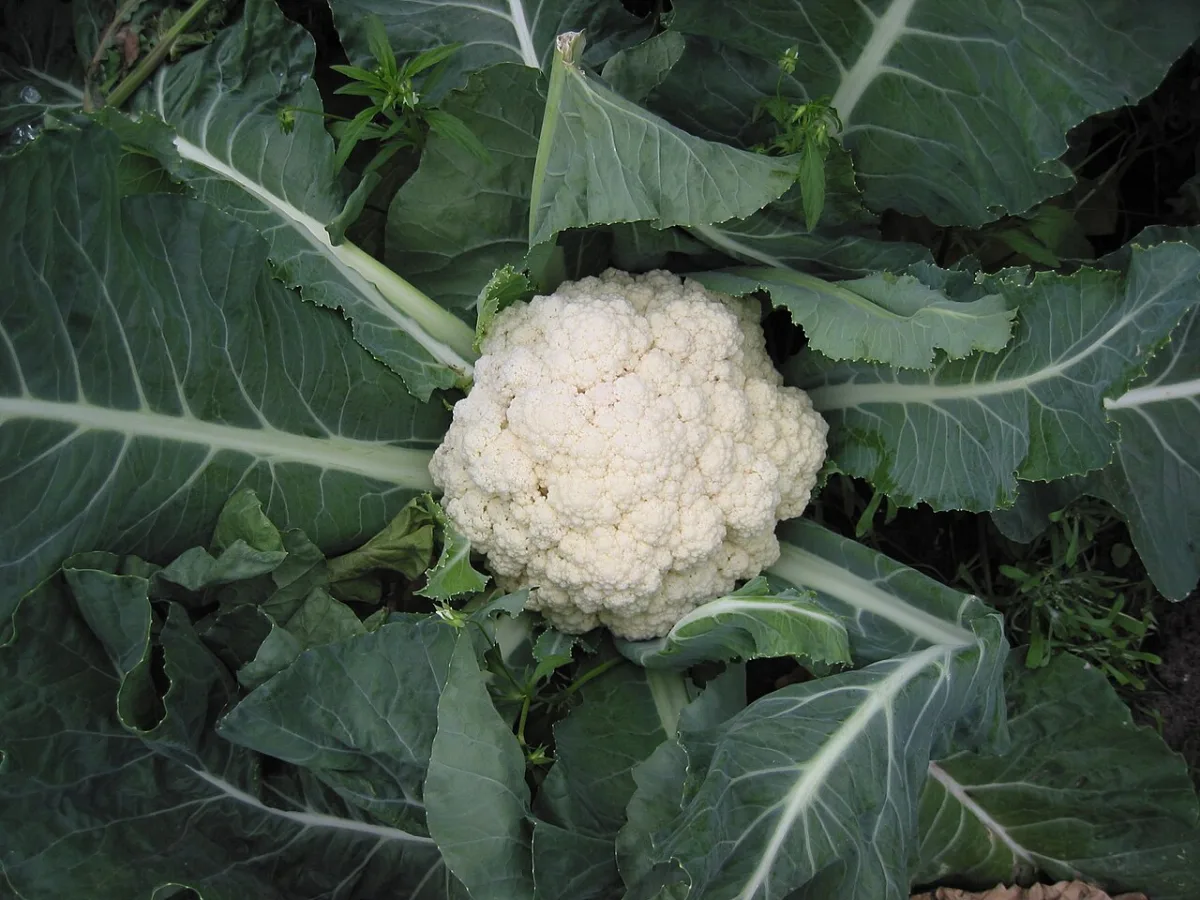
Nutrition and fertilizers For gardeners
Nutritional characteristics and fertilizer system for open-field vegetable crops
Greenhouses and covers For gardeners
Peculiarities of melon cultivation in greenhouses and hotbeds
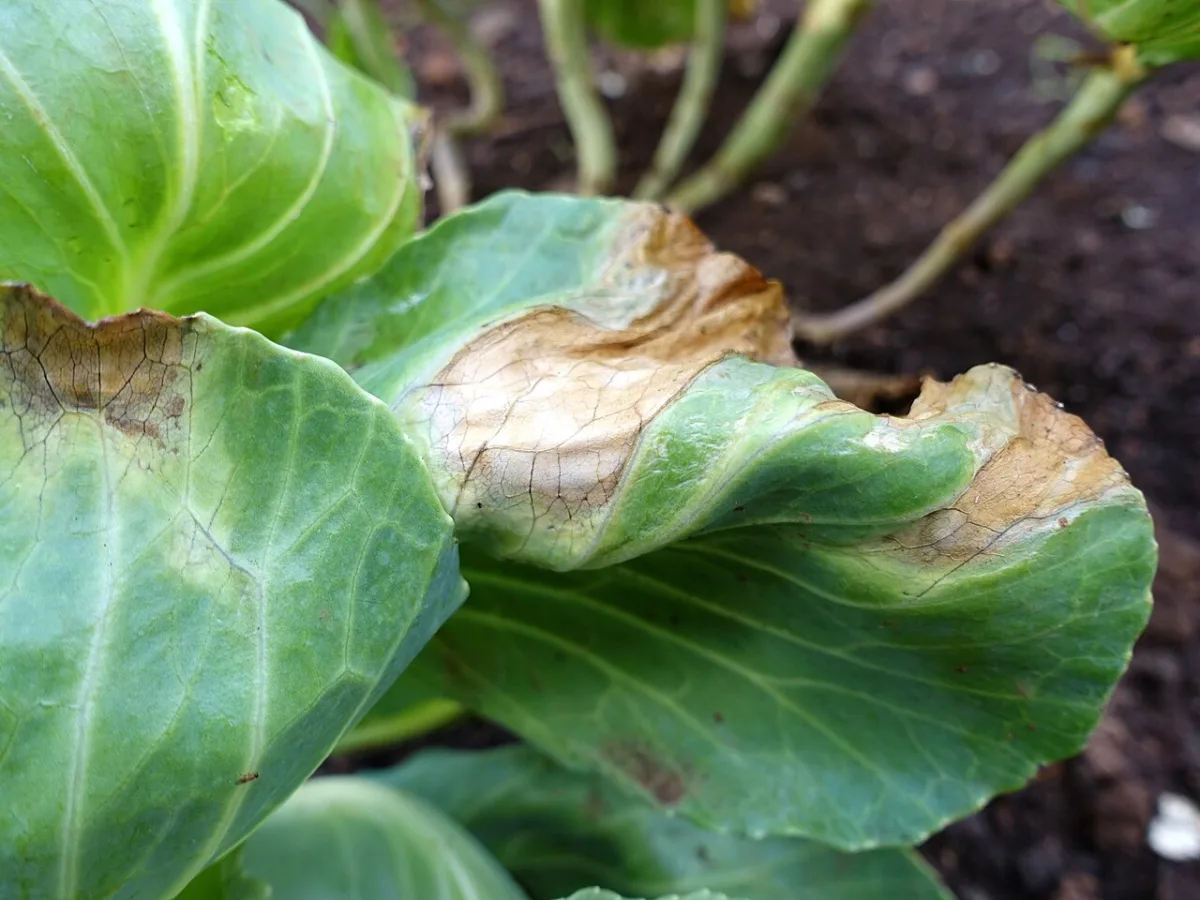
Vegetable growing For gardeners