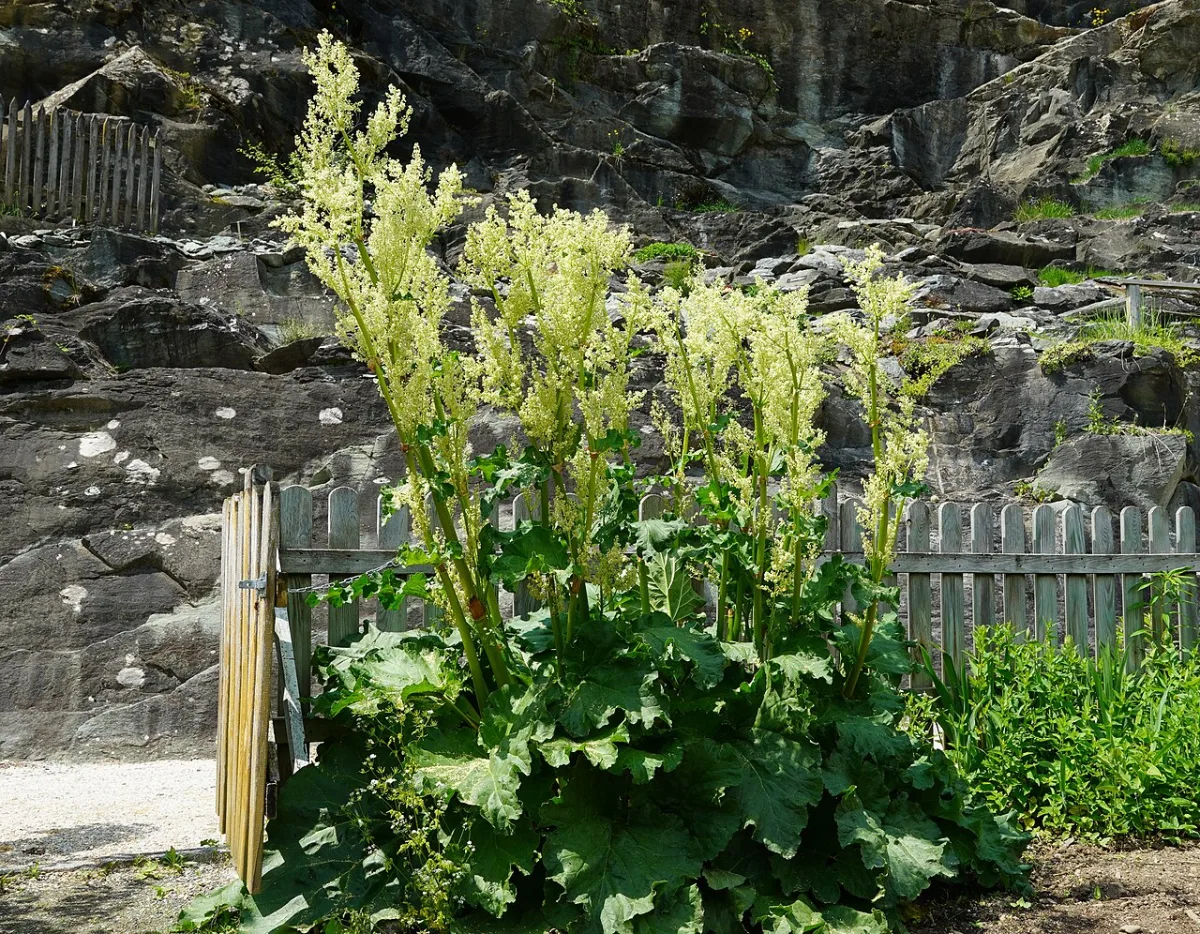
Rhubarb is a perennial crop distinguished by its high productivity and its ability to provide a stable harvest in one location for up to 15 years. For an agronomist or a passionate gardener, working with this plant requires an understanding of the specifics of vegetative and seed propagation, as well as the proficient selection of agrotechnical practices. Success in cultivation directly depends on adherence to the rules of crop rotation, proper soil preparation, and the optimization of mineral nutrition, which takes into account the biological needs of the plant at different stages of its development in the open field or under cover.
This collection contains practical recommendations for organizing efficient rhubarb production. Readers will find detailed instructions here on the propagation and planting of the crop, as well as general principles of managing soil fertility and the application of fertilizers for vegetable crops. The materials cover issues of site preparation, the importance of accounting for temperature regimes, and the geographical characteristics of species for planning work. The presented articles will help to build a systematic approach to plant care — from tillage to the optimization of the nutrition system, which will allow for achieving high indicators of yield and product quality throughout the long operational lifespan of the crop.