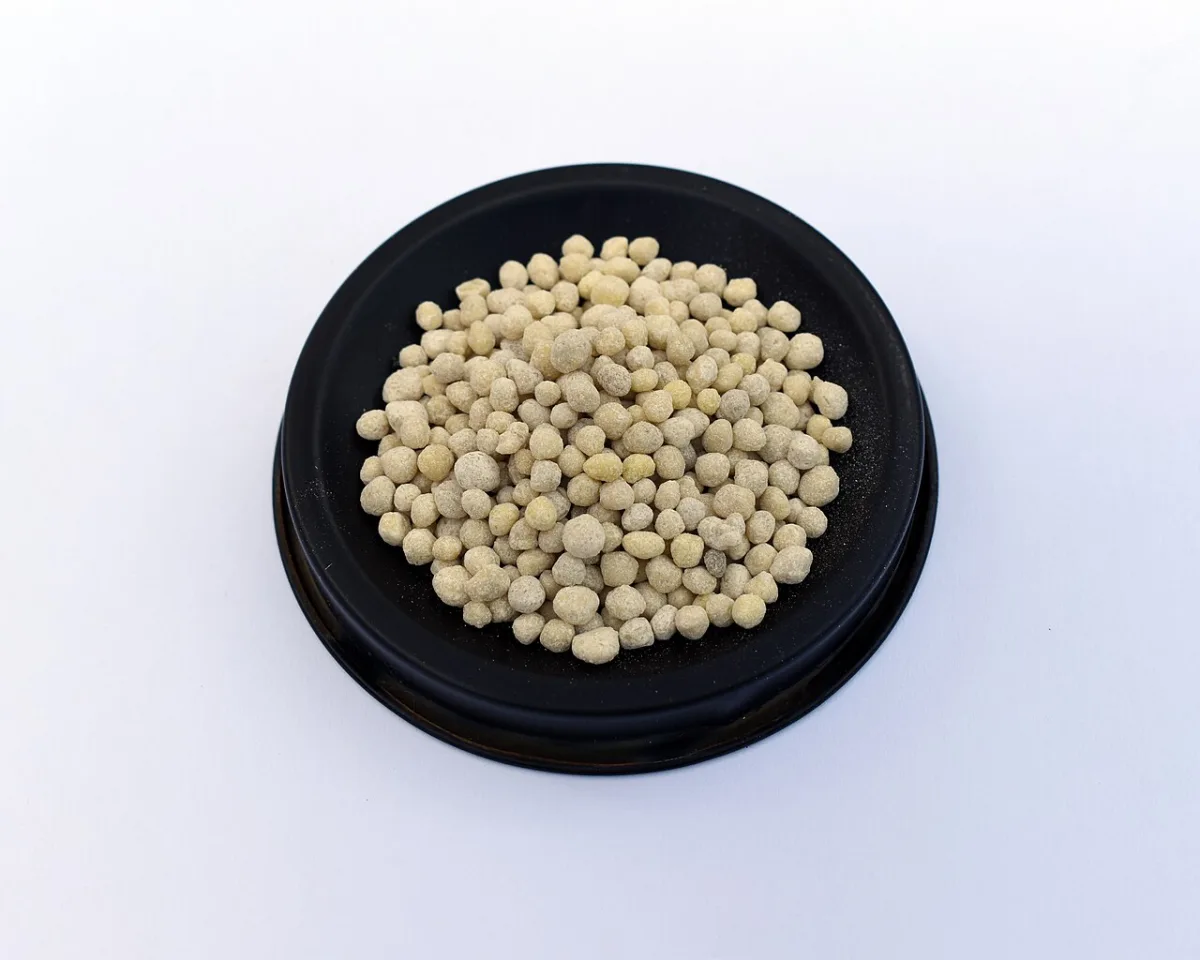
Phosphorite meal and other phosphorus-containing fertilizers remain the foundation of plant mineral nutrition. Understanding the chemical properties of phosphorus compounds, such as precipitate, and the mechanisms of their uptake by crops is necessary for developing effective nutrient application systems. Evaluating phosphorus availability in various forms allows agronomists and plot owners to optimize soil fertility and ensure stable yields in the long term.
This selection combines materials dedicated both to the theoretical foundations of agrochemistry and to the technological aspects of fertilizer production. Readers will become familiar with the history of the development of the domestic scientific school, established through the works of D. N. Pryanishnikov and K. K. Gedroits, and will also study the specifics of obtaining citrate-soluble compounds. The articles detail the evolution of agrochemical science in Russia and practical methods of extracting phosphoric acid from raw materials, which will help to better understand the nature of the mineral components used in agriculture.