
K. K. Gedroits' contribution to the development of the theory of agricultural chemistry and soil science
3 min read
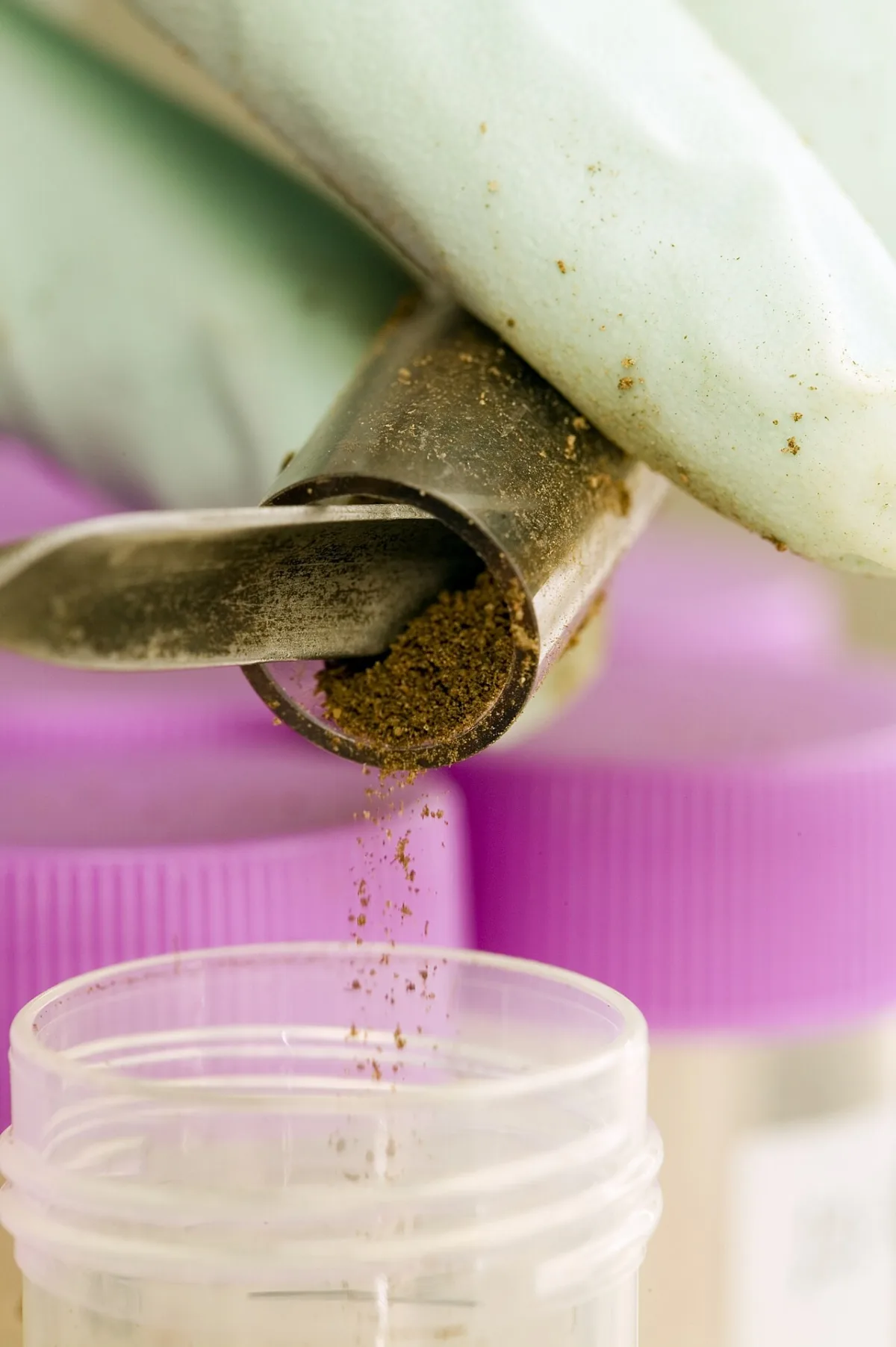
The efficiency of any field practice — from the application of mineral fertilizers to chemical land reclamation — directly depends on the physicochemical properties of the soil. The basis of its soil fertility lies in organic and mineral dispersed particles, known as soil colloids. Absorbed cations are held on their surface, which constantly exchange with cations of the soil solution. Understanding these mechanisms allows an agronomist to precisely calculate application rates of ameliorants and predict the behavior of nutrients in the root zone.
The main tenets of this theory were formed between 1872 and 1932. The scientific approach firmly linked soil science with plant physiology, creating the foundation for modern practical agrochemistry. As early as 1932, specialized publications noted that the gap between agronomic theory and practice can be overcome only through the joint study of the properties of the soil adsorption complex and the needs of the plants themselves.
Practical application of the theory on acidic and saline soils
The study of exchangeable bases, adsorption capacity, and reaction rates formed the basis of specific reclamation technologies. Depending on the soil type and the composition of absorbed cations, differentiated land improvement measures are applied in practice. A systemic approach to increasing soil fertility includes three main areas of work.
- For acidic sod-podzolic soils, liming and phosphorite application are used.
- For solonchaks, the leaching of water-soluble salts is applied.
- For solonetzes and solonetzic soils, gypsum application is carried out.
When working with saline lands, it is crucial to account for soda formation processes. A necessary condition for the formation of solonetzes is the dominance of sodium among absorbed cations. In the development of salinization, there is a strict natural sequence: the solonchak stage always precedes the solonetz, and solods are formed at the solonetz-formation stage.
The dominance of sodium among soil absorbed cations is a key factor in the formation of solonetzes. Without displacing sodium (for example, by using gypsum application), it is impossible to restore the structure and soil fertility of such soils.
- Creation of the study of soil colloids — 1908.
- Substantiation of the adsorption capacity of soils — 1922.
- Publication of the guide "Chemical Analysis of Soil" — 1923.
- Classification of soils by absorbed cations — 1927.
For accurate diagnostics of field conditions and reclamation planning, the classic vegetation method of research and standard methods of chemical analysis of soils are still actively used.
Read next
Agrochemistry For students
Soil adsorption capacity: types, mechanisms, and significance in agricultural chemistry
Agrochemistry For students
The effect of cation composition and exchange capacity on soil fertility
Agrochemistry For students