Concept · 40 articles

Shoot

A shoot is a key plant organ that ensures not only growth and the growing season, but also the possibility of directional formation of the canopy or bush. For a professional agronomist and an enthusiastic gardener, understanding the morphology, bud types, and physiology of shoot growth is the foundation for managing crop development. Knowledge of the anatomical features of the stem and the patterns of the annual cycle allows for the competent distribution of the harvest load, influencing productivity and effectively carrying out plant regeneration.

This collection brings together practical materials on working with grapevines and fruit trees. Readers will find detailed guides on phytotechnics, rules for pruning and tying, as well as modern methods of vegetative propagation. We cover issues of polarity management, growth regulation through changing the inclination angle of branches, and the formation of an optimal canopy structure. This knowledge will help you master techniques for controlling shoot development to create long-lasting, high-yield plantings and professional work with nursery plants in the garden or greenhouse.

Viticulture For agronomists

Grapevine pruning for canopy formation and plantation rejuvenation

Annual pruning is a key agrotechnical practice that allows for the management of grapevine development, the regulation of harvest load, and the maintenance of vine productivity for decades. The article reveals the biological basis of vine formation and the objectives of pruning at different stages of the plant's life.

Viticulture For agronomists

Organization of phytotechnics and rules for tying grapevine bushes

The article examines phytotechnical methods and the basic rules for tying trunks, cordons, and fruit-bearing shoots of grapes. You will learn how proper vine distribution helps optimize the canopy microclimate, effectively utilize solar radiation, and increase yield.

Viticulture For agronomists

Biological features and types of buds of the grapevine plant

Grapevine buds are growth points where the organs of a future plant are initiated. The article describes the biological features of lateral buds, overwintering buds, and latent buds, as well as the mechanisms of their development and shoot formation

Pruning and training For students

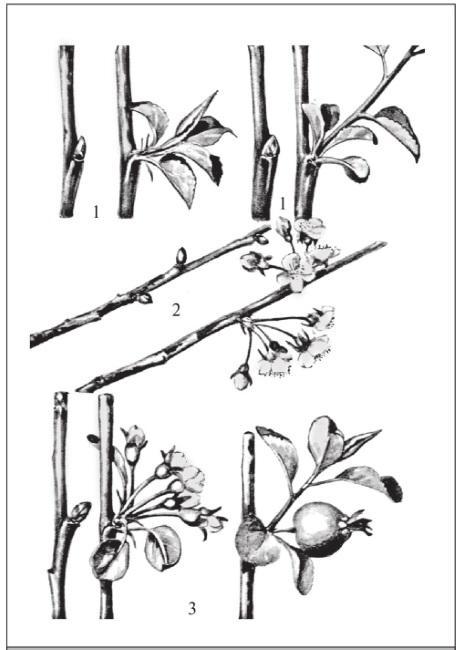
Classification and types of vegetative structures of fruit trees

Understanding the structure of a tree's vegetative organs is the basis for professional pruning and canopy formation. The article discusses types of shoots, their functional significance, and their influence on the productivity of fruit crops

Pruning and training For agronomists

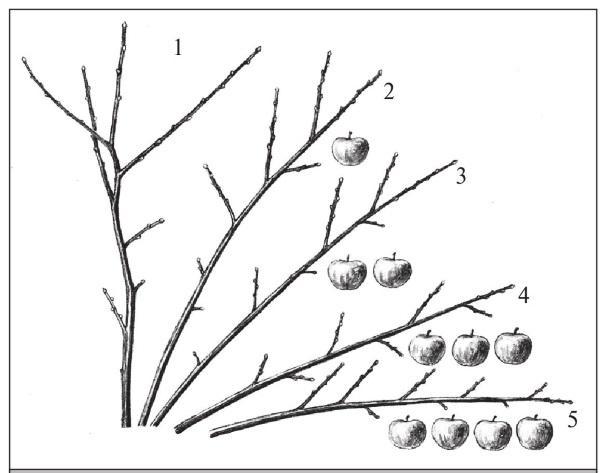
Regulation of tree growth and fruiting by changing the branch angle

Branch bending is an effective method in intensive horticulture that replaces severe pruning. The article describes the physiological impact of tilting on bud development and suggests proven ways of securing branches to control growth and accelerate fruiting