Practice · 7 articles

Pruning

Pruning is a fundamental agrotechnical practice that directly determines the productivity, longevity, and health status of fruit and berry crops. The essence of the method lies in the artificial disruption of the tree's biological balance, which allows the gardener to purposefully manage shoot growth, form a strong canopy framework, and regulate the timing of the plant's entry into fruiting. Understanding the physiological responses of a tree to intervention and choosing the optimal timing for work are essential skills for any practicing agronomist or garden owner.

The presented selection brings together materials covering all stages of working with plantings: from canopy formation in young trees to the rejuvenation of bushes and maintaining productivity during the active fruiting period. You will learn about the specifics of pruning cherry and grape, ways to eliminate typical canopy defects, and methods for restoring tree balance after intervention. The articles will help you understand the biological characteristics of various crops and master a competent approach to gardening, based on the principles of proper branch distribution and the prevention of canopy overcrowding.

Pruning and training For gardeners

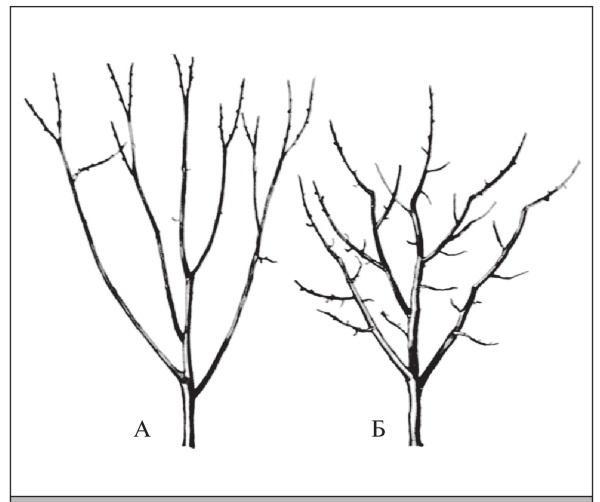
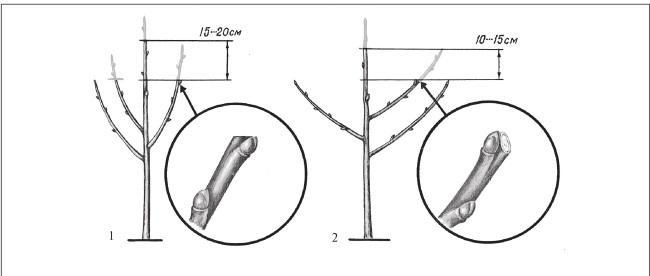
Correcting typical canopy defects of fruit trees during pruning

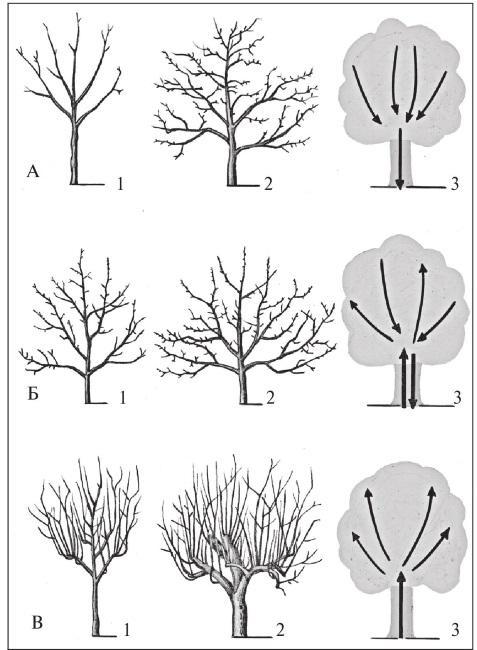
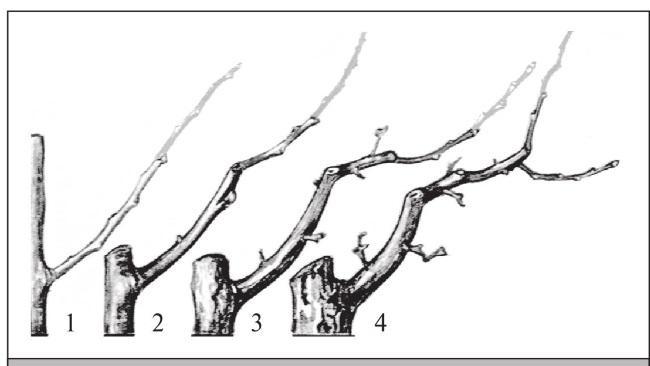
Mistakes in canopy formation during the early years of a tree's life affect the longevity of the orchard. The article analyzes methods for correcting acute branch angles, adjusting trunk height, and restoring the growth balance of scaffold branches

Viticulture For agronomists

Grapevine pruning for canopy formation and plantation rejuvenation

Annual pruning is a key agrotechnical practice that allows for the management of grapevine development, the regulation of harvest load, and the maintenance of vine productivity for decades. The article reveals the biological basis of vine formation and the objectives of pruning at different stages of the plant's life.

Pruning and training For gardeners

Features of forming and pruning tree-type and bush-type cherry cultivars

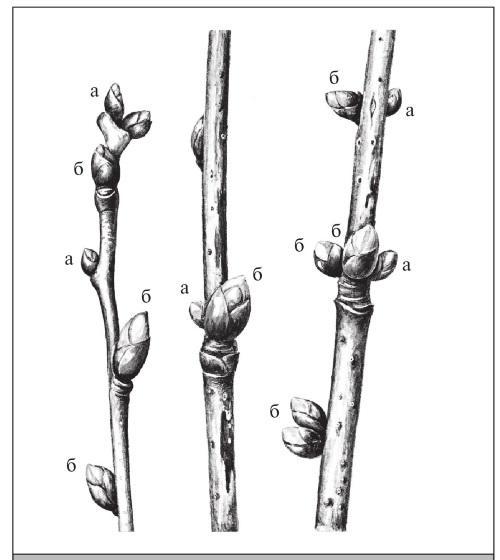
Effective pruning of cherry depends on the biological characteristics of the cultivar. The article reveals the differences in the fruiting patterns of bush-type and tree-type forms and provides recommendations for the proper care of fruit-bearing branches

Pruning and training For gardeners

Pruning and canopy formation of fruit-bearing trees in the orchard

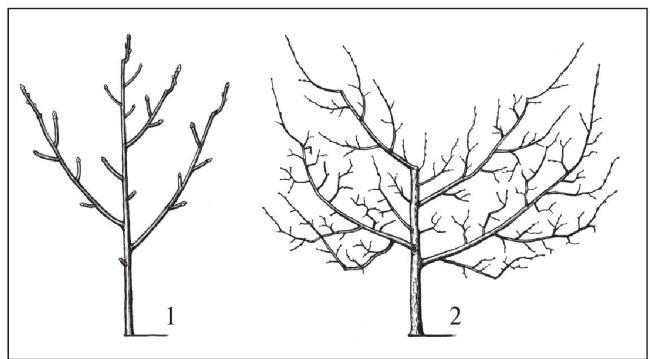
Regular pruning of fruit-bearing trees allows maintaining an optimal canopy structure and ensuring a stable harvest. The article describes methods of controlling overcrowding, rules for branch subordination, and the technology of cyclic pruning for the formation of fruiting structures