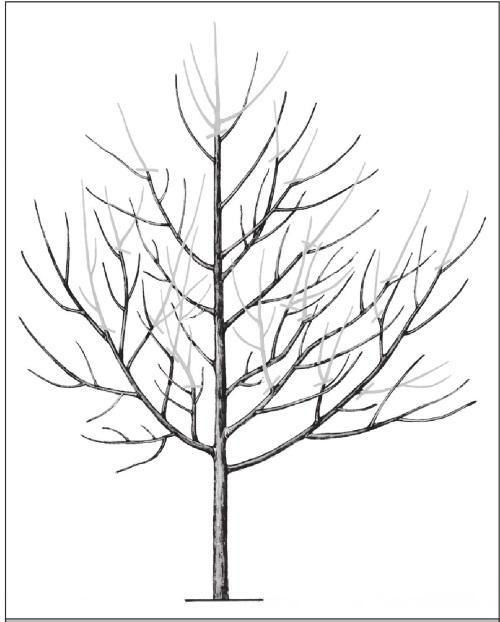
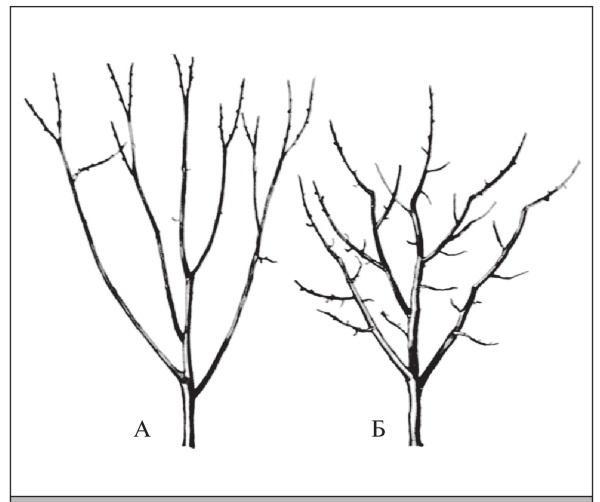
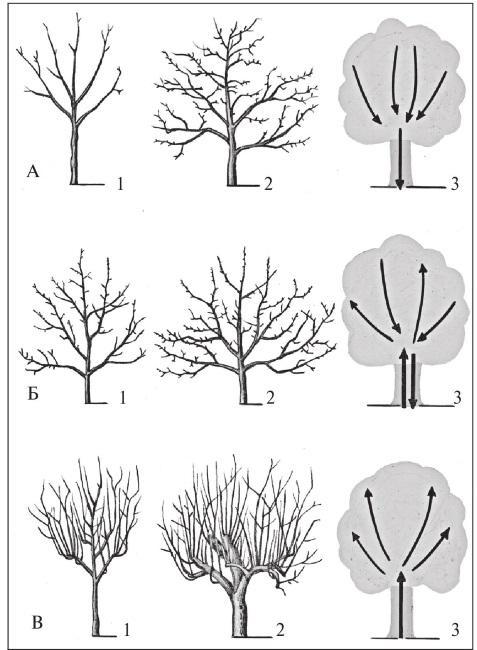
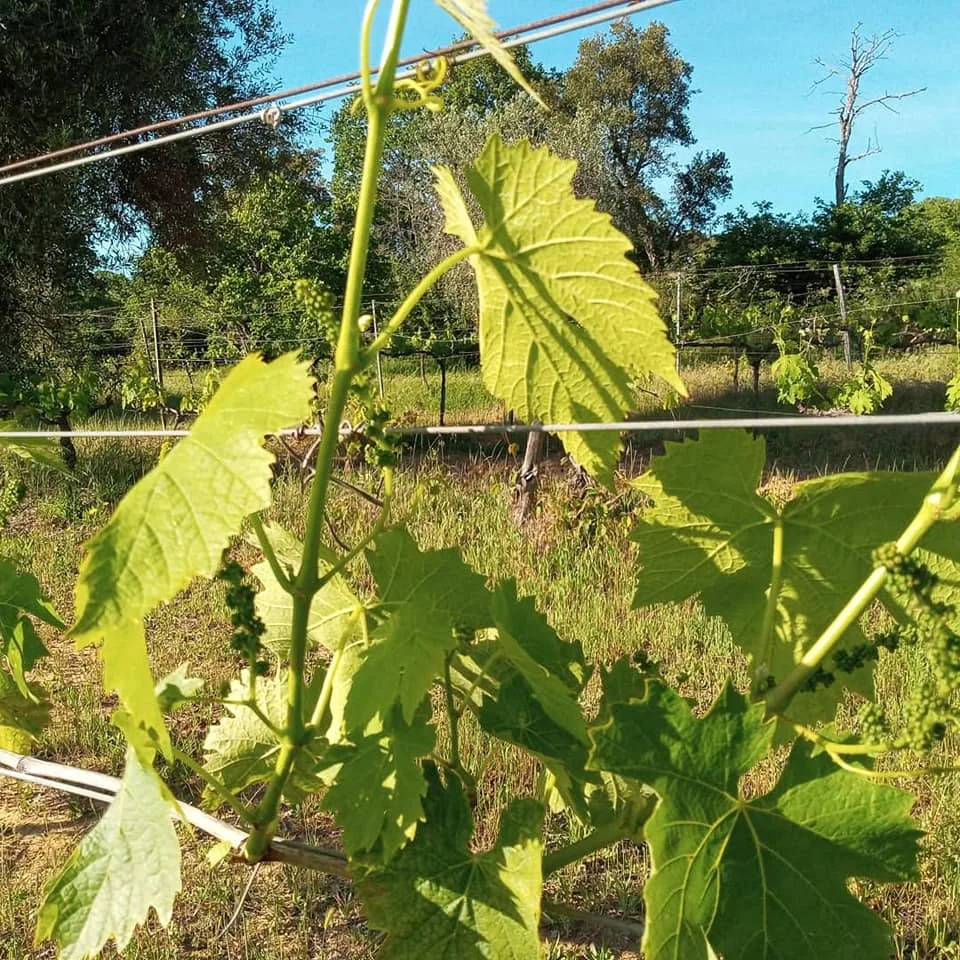
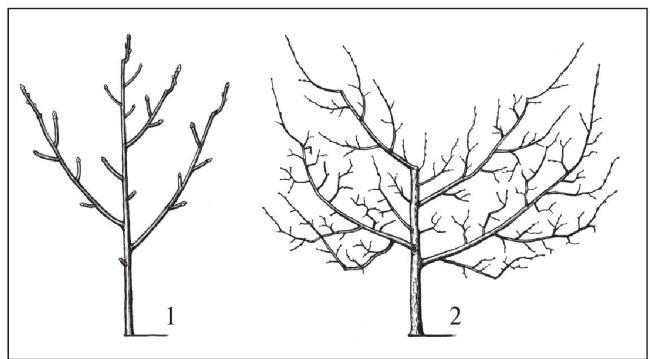
Shoot growth and development is a complex physiological process that determines the productivity of fruit trees and grapevines. Understanding the patterns of aerial plant part formation allows an agronomist to manage the crop life cycle: from the rhythms of the growing season and biological structural features of tissues to the mechanisms of response to pruning. Competent influence on shoot growth is the basis for creating a strong canopy framework, accelerating the transition of the orchard to fruiting, and controlling the quality of the future harvest.
This collection brings together materials dedicated to methods of managing plant growth and condition. The reader will find here information on the optimal timing for performing phytotechnical operations, classification of training and pruning methods, as well as the influence of the environment, nutrition, and water supply on the development of vegetative organs. The articles examine in detail both the theoretical aspects of shoot biology and practical techniques that help specialists and gardeners ensure stable development of perennial plantings in various growing conditions.