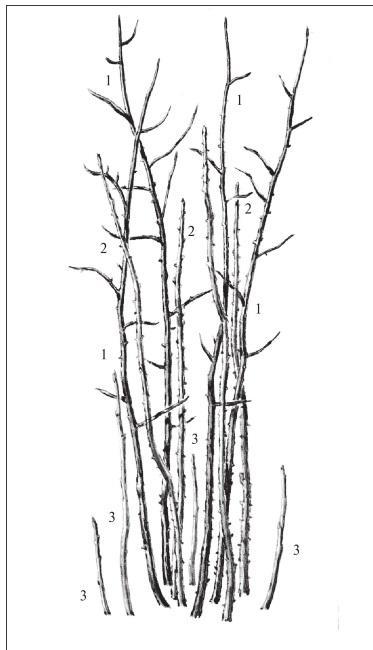
Raspberry occupies a special place in commercial horticulture and home gardens due to its high yield and the high demand for its fruit. However, achieving stable berry quality requires a deep understanding of the biological characteristics of the crop, a sound maintenance system, and protection against negative environmental factors. For an agronomist or gardener, it is critical to master modern techniques of bush formation, propagation methods, and effective strategies for weed control, all of which directly influence the productivity of the plantations.
In this collection, we have gathered key materials dedicated to the cultivation of raspberries and related berry crops. Readers will find professional recommendations on pruning and bush formation to maintain the plant life cycle, as well as scientific data on the weed species characteristic of berry patches. Furthermore, the collection includes articles on vegetative propagation, protection of plantings against disease, and principles of optimizing mineral nutrition. These materials will help to systematize knowledge and implement applied agrotechnical solutions in the practice of berry cultivation, providing the foundation for obtaining a healthy and high-quality harvest.