
Methodology for assessing the honey base and calculating the apiary's feed balance
11 min read
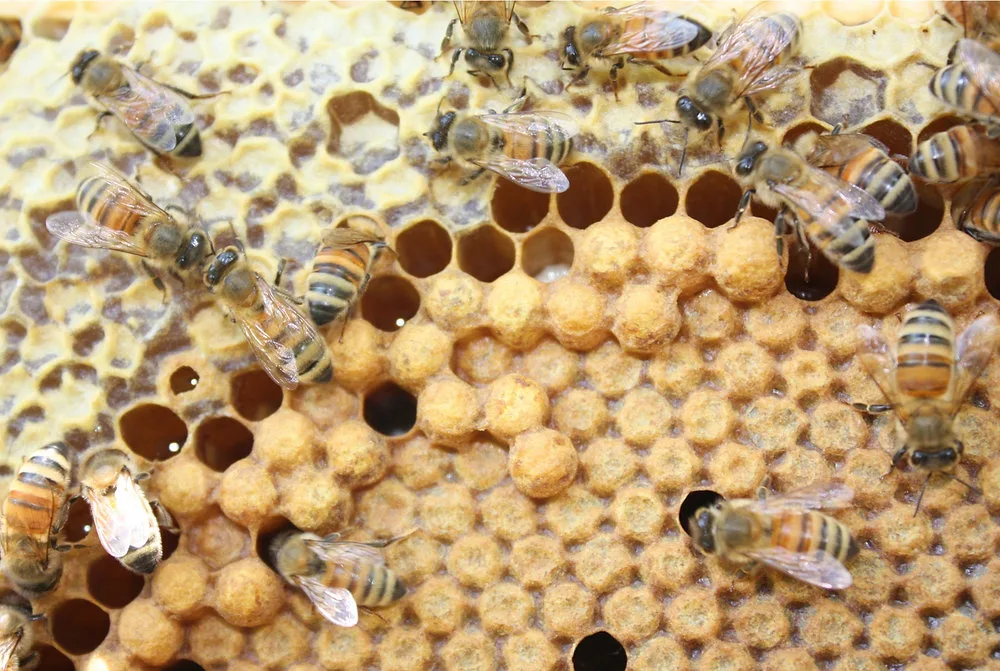
The productivity of an apiary directly depends on a correct assessment of nectar-bearing resources within the bee flight radius. Errors in calculations lead to feed shortages for bee colonies or shortfalls in marketable honey. To avoid losses, before placing an apiary, be sure to conduct an inventory of honey-bearing lands and draw up a forage balance of the area. The presence of bees in fields not only ensures a honey harvest but also directly contributes to increasing the yield of entomophilous crops.
When calculating the honey-bearing base, take into account only those lands that are within the reach of a bee colony (up to 2 km from the apiary). Assess the potential of the area before setting up hives so as not to overload the territory.
How to calculate the forage balance of an apiary
To determine the optimal size of an apiary, consistently assess the potential of the area. Map out the boundaries of productive flight and identify the prevailing types of vegetation. Follow these steps for the calculation:
- Select a location for the apiary that meets zootechnical and veterinary requirements.
- Determine the species composition of the main entomophilous plants within the useful bee flight radius (up to 2 km from the apiary).
- Determine the area occupied by honey-bearing plants in this territory. For forest areas, calculate the share of honey-bearing trees relative to the total number of trunks per hectare.
- Calculate the total honey reserves of the area based on the area and productivity of individual honey-bearing species.
- Calculate the number of bee colonies that can be placed at the given apiary. The calculation should include the annual honey requirement of one colony: the feed reserves for the hive's vital functions and the planned volume of marketable yield.
- Useful bee flight radius — up to 2 km
- Continuous nectar flow in orchards — 25–30 days
- Daily hive weight gain in clearings and burnt areas — 12–14 kg/day
- Daily hive weight gain in linden forests — 10–14 kg/day
- Daily weight gain on linden (Far East) — 25–30 kg/day
The potential of the honey-bearing base varies greatly by region. This is due to both the biological productivity of plants and the species diversity of the flora in different natural and climatic zones. For accurate planning, compare productivity data with the actual species richness of the area.
| Region | Honey productivity of plants, kg/ha | Number of honey-bearing species |
|---|---|---|
| Far East | 250–1000 | 250 |
| Siberia | 250–1000 | — |
| Urals (including the Bashkir Cis-Urals) | 250–1000 | 363 |
| Caucasus | 100–640 | 603 |
| Central Asia (incl. Uzbekistan) | 80–450 | 964 |
| European part | 80–450 | — |
| Transbaikalia | — | 250 |
Flowering periods and structure of the honey-bearing base
A stable nectar flow is formed by the best honey-bearing plants, which constitute the basis of the honey harvest. They are divided into three key groups: woody-shrub, wild herbaceous, and cultivated species. The presence of these plants in the territory guarantees a stable nectar flow.
- Trees and shrubs: linden, black locust, maple, Amur cork tree, Siberian peashrub, raspberry, currant, willow, apple, common pear, plum, cherry.
- Wild herbaceous plants: blueweed, fireweed, sow thistle, sage, globe thistle, motherwort, sweet clover, mint, dragonhead, cornflower, creeping thistle.
- Agricultural crops: buckwheat, sainfoin, alfalfa, clover, sunflower, coriander, phacelia.
For a continuous honey harvest, it is important to consider the structure of the land. In forest zones, bees are provided with a nectar flow by wild honey-bearing plants, with different forest types having their own specifics regarding species composition. In agricultural regions, the honey harvest is based primarily on cultivated honey-bearing plants.
- In the coniferous forests of the European part and Siberia, willow and glossy buckthorn are of value. Heather, raspberry, fireweed, angelica, and honeysuckle bloom profusely in clearings and burnt areas.
- In mixed and deciduous forests, willow, maple, European blueberry, and currant provide the spring nectar flow. Later, dead-nettle, ground elder, and clover bloom in forest clearings.
- Linden forests of the Urals, Cis-Urals, Volga region, and Far East provide bees with the most intense main nectar flow.
- In southern agricultural regions, field crops form the basis of the honey harvest: sainfoin, alfalfa, sweet clover, sunflower, winter rapeseed, mustard, coriander, buckwheat, as well as melons—watermelons, melons, and pumpkins.
- In horticultural farms, fruit and berry plantings serve as an excellent source of nectar: apple, pear, apricot, plum, cherry, gooseberry, currant, and raspberry.
The timing and duration of the nectar flow are unstable. The period of intensive nectar collection can last from 10–11 days to 2 months or more. Be sure to track the dynamics based on the readings of a control hive in order to respond to weather changes in a timely manner.
Based on the flowering time of honey-bearing plants, three main periods of nectar flow are distinguished. They depend on the climatic zone, weather, and species composition of the plants. Knowing these dates, one can more accurately forecast the honey harvest and effectively move colonies to blooming areas:
- Early (June 5–10): white clover, buckthorn, raspberry, mustard, sainfoin, white and yellow acacia.
- Middle (June 20–25): linden, coriander, buckwheat.
- Late (July 10–15): sunflower and other late crops.
To evaluate the real productivity of an apiary, it is necessary to accurately calculate the gross honey yield. It consists of two components: feed for internal hive consumption by the bee colony and market honey, which is extracted for sale. Recording the actual honey flow is carried out in autumn during the preparation of the nests for winter, guided by the daily readings of a control hive. All collected honey is divided into the maintenance flow, which goes for the current nutrition of the bees, and the main flow, which forms the basic reserves of marketable products.
The total volume of collected honey depends directly on the potential of the forage base and the strength of the bee colonies themselves. The final figures of the flow are influenced by the following factors:
- the quantity of melliferous plants and their species composition within the flight radius of the bees;
- the duration of the flowering of nectar-bearing crops;
- the location of the nectar base relative to the apiary;
- the strength of the bee colonies and the availability of a sufficient supply of free combs;
- the organization of work at the apiary and the qualifications of the beekeeper.
- Consumption for the nutrition of an average colony — 80–100 kg/year
- Market honey per colony — 20–40 kg
- Gross honey yield of average strength — 100–140 kg
- Optimal temperature for nectar — 20–25 °С
Weather has a decisive influence on the work of bees and plant physiology. For maximum nectar secretion, a combination of sunny days with optimal soil moisture and humidity is required. Any sharp changes in weather can instantly stop the honey flow.
When the temperature deviates from the optimal range of 20–25 °С or in the case of a sharp deficit in soil moisture, nectar secretion by plants decreases significantly. Prolonged rains, cold snaps, or extreme drought can completely stop the honey flow.
Practical methods for increasing honey yield and crop potential
An agronomist can significantly increase apiary productivity through competent land planning. A good result is provided by expanding the sowing of melliferous plants, especially in mixtures with legumes in the forage rotation. It is also useful to plant melliferous trees and shrubs when landscaping adjacent areas and creating shelterbelts. However, the main practical method for obtaining the maximum flow remains migratory beekeeping — the timely movement of hives directly to flowering areas.
To plan the structure of sowing and organize migratory beekeeping, use reference data on the honey productivity of major crops:
| Plant | Importance for beekeeping | Flowering period | Honey productivity, kg/ha |
|---|---|---|---|
| Apricot | Medium | March – April | 25–40 |
| Quince | Medium | May – June | 90 |
| Black locust | Very high | May – June | 1000 |
| Japanese pagoda tree | Medium | July – August | 300–350 |
| Watermelon | Medium | June – September | 44–100 |
| Artichoke | Medium | July – September | 150–400 |
| Common hawthorn | Medium | May – June | 35–100 |
| Beech | Medium | May – June | Honeydew–20 |
| Grape | Medium | May – June | 5–10 |
| Cherry | Medium | April – May | 30–40 |
| Alkanet | Medium | June – July | 50–100 |
| Elm | Medium | March – April | Honeydew– 10 |
| Spring vetch | Medium | May – June | 10–30 |
| Common vetch | Medium | May – July | 30–50 |
| Mustard | High | May — October | 40 |
| Field mustard | Medium | May – July | 30–40 |
| Buckwheat | Medium | June – August | 30–60 |
| Pear | Medium | April – May | 18– 20 |
| White sweet clover (annual) | High | July – September | 200–500 |
| Yellow sweet clover | Medium | July – September | 130–300 |
| Melon | Medium | June – September | 10–40 |
| Blackberry | Medium | May – September | 30–50 |
| Spruce | High | April – June | Honeydew– 20 |
| White willow | High | April – May | 100–150 |
| Grey willow | High | March – April | 100–150 |
| Weeping willow | Medium | March – April | 100 |
| Zucchini | Medium | June – September | 50–100 |
| Cabbage (seed plants) | Medium | May – June | 30–45 |
| Horse chestnut | Medium | May – June | 30–100 |
| Sweet chestnut | Medium | April | 50–120 |
| Cornelian cherry | Medium | March – April | 20 |
| Fireweed | High | July – August | 50–600 |
| White clover | High | May – October | 100–250 |
| Red clover | Medium | June – September | 25–30 |
| Small clover | Medium | May – September | 30–40 |
| Sycamore maple | Medium | April – May | 20 |
| Norway maple | High | April – May | 100–200 |
| Field maple | High | April – May | 200–400 |
| Tatar maple | High | April – May | 300–600 |
| Coriander | High | June – July | 100–500 |
| Marsh nettle | Medium | July – September | 50–200 |
| Stinging nettle | Medium | March – October | 50–90 |
To compile a working migratory map or assess the capabilities of a stationary apiary, it is not enough just to know the list of flowering herbs. The practical calculation of the forage balance is built on the net yield of sugar per unit area, provided that the plot is 100% covered by a melliferous plant. This allows comparing the real potential of the land with the needs of bee colonies and adjusting migration routes in time.
- Maximum sugar yield (field maple) — 1000 kg/ha
- High potential of small-leaved lime — 700 kg/ha
- Productivity of borage — 500 kg/ha
- Minimum sugar collection (meadowsweet) — 5 kg/ha
Always make adjustments for the terrain, soil type, and illumination, as external factors directly regulate nectar secretion. The same plant will show different results in different areas. This is critically important to consider when assessing the forage base and planning hive placement points.
The influence of growing conditions on productivity: fireweed on wet peatlands is capable of producing up to 600 kg of sugar per hectare. At the same time, alder buckthorn, when growing in the undergrowth, reduces collection from 137 to 94 kg/ha, and black currant in floodplain conditions yields only 12 kg of sugar per hectare.
Resource potential of main melliferous plants
For a detailed assessment of the flow and planning the load on bee colonies, use the basic classification of melliferous plants. The benchmarks below will help calculate the optimal density of hive placement in a specific area. Information on flowering periods and the approximate productivity of crops will allow building a continuous honey collection conveyor for the entire season.
| Plant name | Productivity class | Flowering period | Estimated productivity, kg/ha |
|---|---|---|---|
| Alder buckthorn | Average | June – July | 20–40 |
| Gooseberry | Average | April – May | 25–70 |
| Lavender | Average | July – September | 50–100 |
| Common orache | Average | June – September | 100–200 |
| Silver linden | Very high | June – July | 1200 |
| Large-leaved linden | High | June – July | 800 |
| Small-leaved linden | High | June – July | 1000 |
| Onion (seed crop) | Average | June – July | 70–150 |
| Alfalfa | High | May – October | 25–100 |
| Raspberry | Very high | June – July | 50–200 |
| Hybrid orache (motherwort) | Average | June – July | 230–400 |
| Lungwort | Average | April – May | 52–100 |
| Lemon balm | Average | June – August | 100–150 |
| Great globe thistle | Average | July – August | 250–500 |
| Carrot (seed crop) | Average | June – September | 15–30 |
| Pennyroyal mint | Average | July – September | 100 |
| Water mint | High | June – October | 220 |
| Catnip | Average | July – August | 100–140 |
| Curly mint | Average | July – August | 100 |
| Horse mint | Average | July – September | 40–50 |
| Peppermint | Average | July – August | 100–200 |
| Sea buckthorn | Average | April – June | 25 |
| Borage | Average | June – July | 250–300 |
| Dandelion | Average | April – October | 200 |
| Peach | Average | March – April | 20–40 |
| Plane tree | Average | March – April | 100–200 |
| Sunflower | Very high | July – September | 34–130 |
| Osier | Average | March – April | 100 |
| Rapeseed | High | April – May | 35–100 |
| Beet (seed crops) | Average | July – August | 5–15 |
| Viper's bugloss | Average | June – August | 380–400 |
| Plum | Average | April | 20–30 |
| Blackcurrant | Average | April – May | 20–50 |
| Tobacco | Average | July – August | 20–50 |
| Blackthorn | Average | April – May | 25–40 |
| Pumpkin | Average | June – October | 90–110 |
| Forage pumpkin | Average | May – September | 40–45 |
| Phacelia | High | May – October | 300–1000 |
| Fennel | Average | July – August | 25–100 |
| Chicory | Average | July – October | 100 |
| Thyme | Average | June – September | 50–150 |
| Sweet cherry | Average | April – May | 30–40 |
| Thistle | Average | June – October | 100–150 |
| Thistle | Average | July – August | 100–150 |
| Whorled sage | Average | June – August | 400–600 |
| Wild sage | Average | June – August | 150–250 |
| Woodland sage | Average | May – July | 100–200 |
| Meadow sage | Average | May – July | 280 |
| Sainfoin | High | June – August | 120–300 |
| Apple | Average | April – May | 30–42 |
| Dead-nettle | Average | May – August | 50–150 |
| Plant name | Nectar sugar content per 1 ha of solid stand, kg |
|---|---|
| Apricot | 25 |
| Black locust | 350 |
| Siberian pea shrub | 75 |
| Cherry plum | 35 |
| Barberry | 200 |
| Sainfoin (special variety) | 150 |
| Midland hawthorn | 16 |
| Lingonberry | 20 |
| Valerian | 66 |
| Meadow cornflower | 194 |
| Cornflower | 39 |
| Heather | 200 |
| Spiked speedwell | 295 |
| Common vetch | 9 |
| Honey locust | 200 |
| Blueberry | 21 |
| White mustard | 100 |
| Black mustard | 151 |
| Buckwheat | 105 |
| Pear | 20 |
| Purple loosestrife | 117 |
| White sweet clover (biennial) | 200 |
| White sweet clover (annual) | 116 |
| Melilot | 103 |
| Wild angelica | 116 |
| Oregano | 58 |
| Melon | 24 |
| Garden angelica | 295 |
| Garden blackberry | 31 |
| Bugleweed | 80 |
| Tatarian honeysuckle | 147 |
| Common chickweed | 43 |
| St. John's wort | 47 |
| Wild strawberry | 13 |
| Dragonhead | 225 |
| Goldenrod | 53 |
| White willow | 79 |
| Fireweed on peatlands | 600 |
| Common milkwort | 16 |
| Guelder rose | 18 |
| Marsh marigold | 14 |
| Cabbage | 70 |
| Cotoneaster | 172 |
| White clover | 100 |
| Mountain clover | 23 |
| Red clover | 255 |
| Alsike clover | 115 |
| Norway maple | 200 |
| Field maple | 1000 |
| Boxelder maple | 50 |
| Coriander | 250 |
| Field scabious | 65 |
| Catnip | 290 |
| Gooseberry | 50 |
| Alder buckthorn | 137 |
| Alder buckthorn (in undergrowth) | 94 |
| Sesame | 40 |
| Small-leaved linden | 700 |
| Lesser burdock | 89 |
| Onion | 258 |
| Common toadflax | 131 |
| Wild raspberry | 215 |
| Daisy | 7 |
| Coltsfoot | 6 |
| Lemon balm | 160 |
| Globe thistle | 680 |
| Peppermint | 200 |
| Common figwort | 621 |
| Dandelion | 105 |
| Cucumber | 22 |
| Borage | 500 |
| Perennial sowthistle | 430 |
| Peach | 20 |
| Wood germander | 180 |
| Sunflower | 24 |
| Motherwort | 200 |
| Winter rapeseed | 55 |
| Spring rapeseed | 90 |
| Wild radish | 89 |
| Bird's-foot trefoil | 270 |
| Rowan | 34 |
| Marsh cinquefoil | 152 |
| Cruciferous seed crops (turnip, swede, fodder turnip, radish) | 34 |
| Saw-wort | 276 |
| Field scabious | 84 |
| Jacob's ladder | 18 |
| Viper's bugloss | 325 |
| Plum | 26 |
| Blackcurrant (in floodplain) | 12 |
| Ground elder | 160 |
| Saussurea | 120 |
| Spirea | 52 |
| Wintercress | 42 |
| Meadowsweet | 5 |
| Dropwort | 38 |
| Blackthorn | 22 |
| Thyme | 45 |
| Caraway | 23 |
| Clypeola | 89 |
| Yarrow | 24 |
| Pumpkin | 36 |
| Phacelia | 290 |
| Phacelia (in mixtures) | 79 |
| Cotton | 150 |
| Bird cherry | 20 |
| Sweet cherry | 38 |
| Bilberry | 82 |
| Whorled sage | 300 |
| Pink sage | 190 |
| Blue sage | 170 |
| White horehound | 50 |
| Sainfoin | 172 |
| Apple | 23 |
| White dead-nettle | 280 |
Read next
Beekeeping For students
Mobile apiaries for effective crop pollination and honey harvest increase
Beekeeping For students
Basics of beekeeping, colony biology, and industry economics
Beekeeping For students