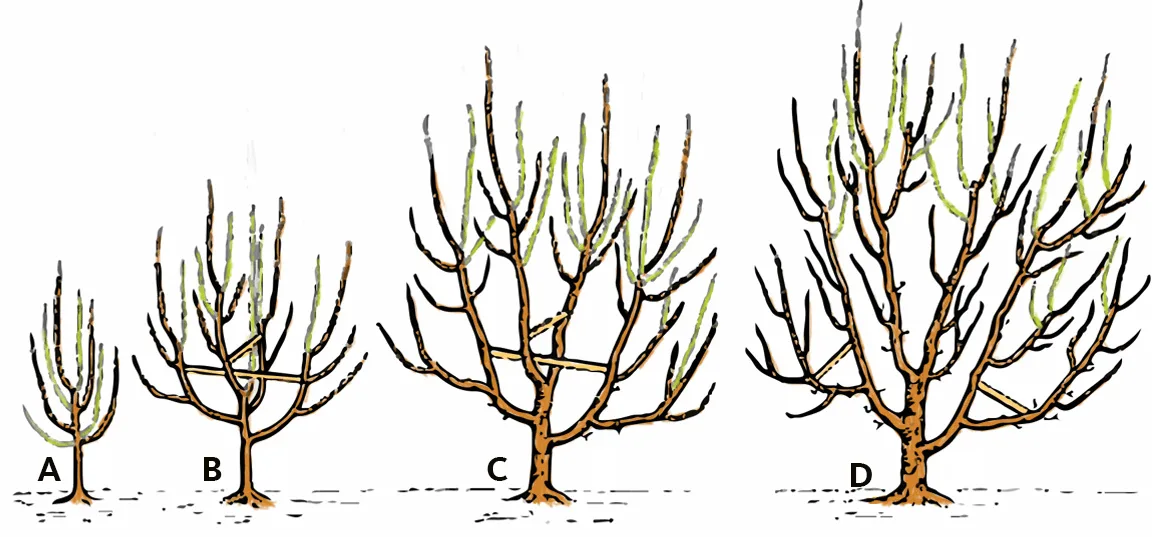
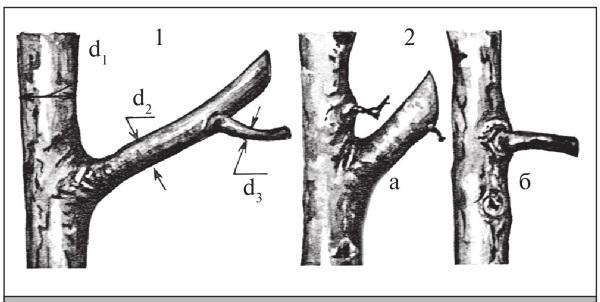
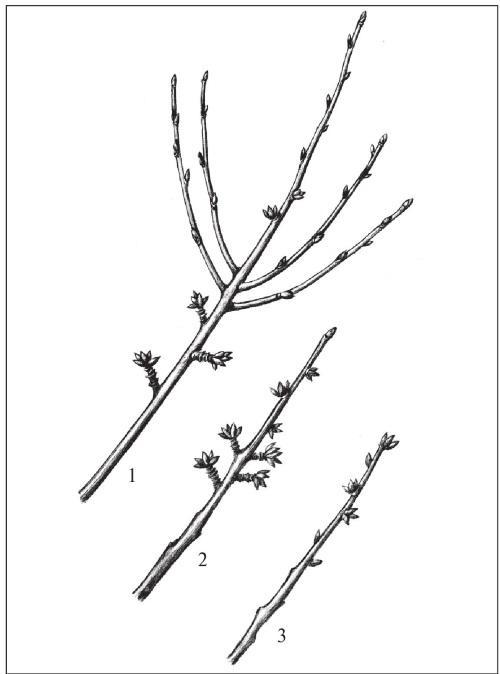
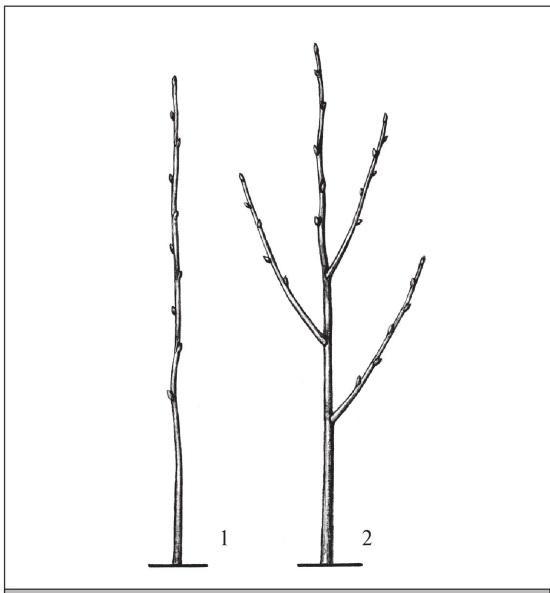
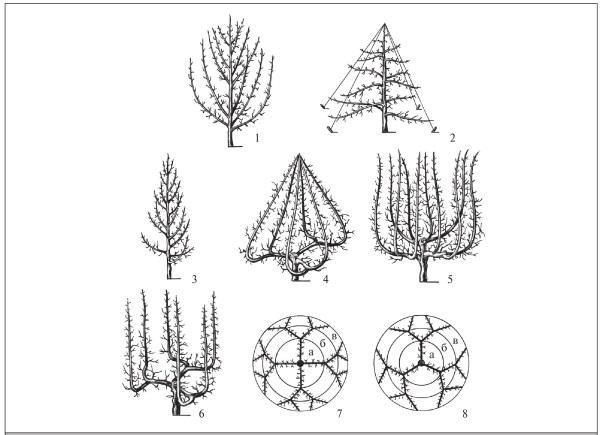
Canopy formation is a fundamental agrotechnical practice that determines the productivity, longevity, and structural integrity of an orchard. Competent management of tree growth allows for the creation of an optimal framework, proper distribution of branches, prevention of overcrowding, and the assurance of effective photosynthetic activity. Knowledge of the biological characteristics of crops, the patterns of branch subordination, and the morphological principles of canopy structure is a necessary prerequisite for every gardener striving to accelerate the onset of fruiting and achieve high yields.
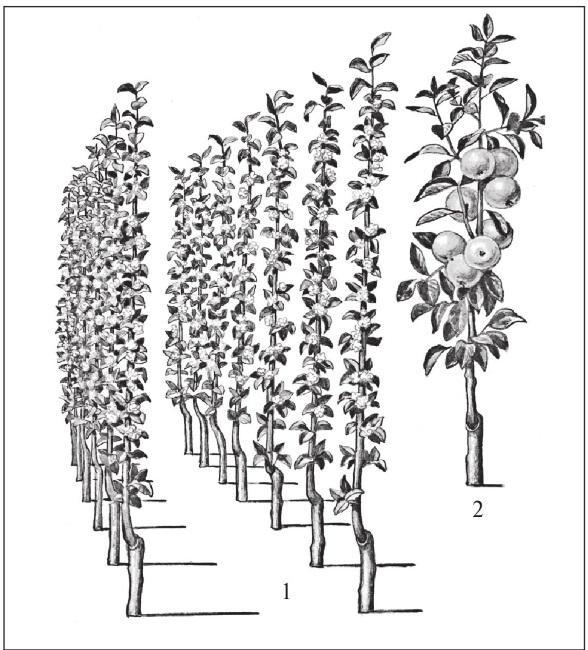
This collection includes materials covering all stages of a tree's life: from the preparation of nursery plants in the nursery and the establishment of a young orchard to working with actively fruiting plantations. Readers will find both classic pruning rules and modern formation methods, including the creation of flattened canopies, palmettes, and various types of spindle forms. The articles contain practical recommendations for the care of specific species, such as apple, pear, and sweet cherry, and also examine the evolution of horticultural technologies, helping to build an effective care strategy for any type of orchard.