Concept · 40 articles

Shoot

A shoot is a key plant organ that ensures not only growth and the growing season, but also the possibility of directional formation of the canopy or bush. For a professional agronomist and an enthusiastic gardener, understanding the morphology, bud types, and physiology of shoot growth is the foundation for managing crop development. Knowledge of the anatomical features of the stem and the patterns of the annual cycle allows for the competent distribution of the harvest load, influencing productivity and effectively carrying out plant regeneration.

This collection brings together practical materials on working with grapevines and fruit trees. Readers will find detailed guides on phytotechnics, rules for pruning and tying, as well as modern methods of vegetative propagation. We cover issues of polarity management, growth regulation through changing the inclination angle of branches, and the formation of an optimal canopy structure. This knowledge will help you master techniques for controlling shoot development to create long-lasting, high-yield plantings and professional work with nursery plants in the garden or greenhouse.

Pruning and training For gardeners

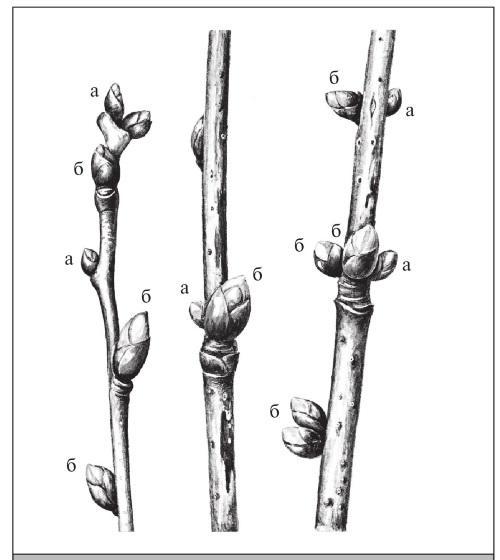
Features of forming and pruning tree-type and bush-type cherry cultivars

Effective pruning of cherry depends on the biological characteristics of the cultivar. The article reveals the differences in the fruiting patterns of bush-type and tree-type forms and provides recommendations for the proper care of fruit-bearing branches

Viticulture For agronomists

The role and biological characteristics of the grape leaf apparatus

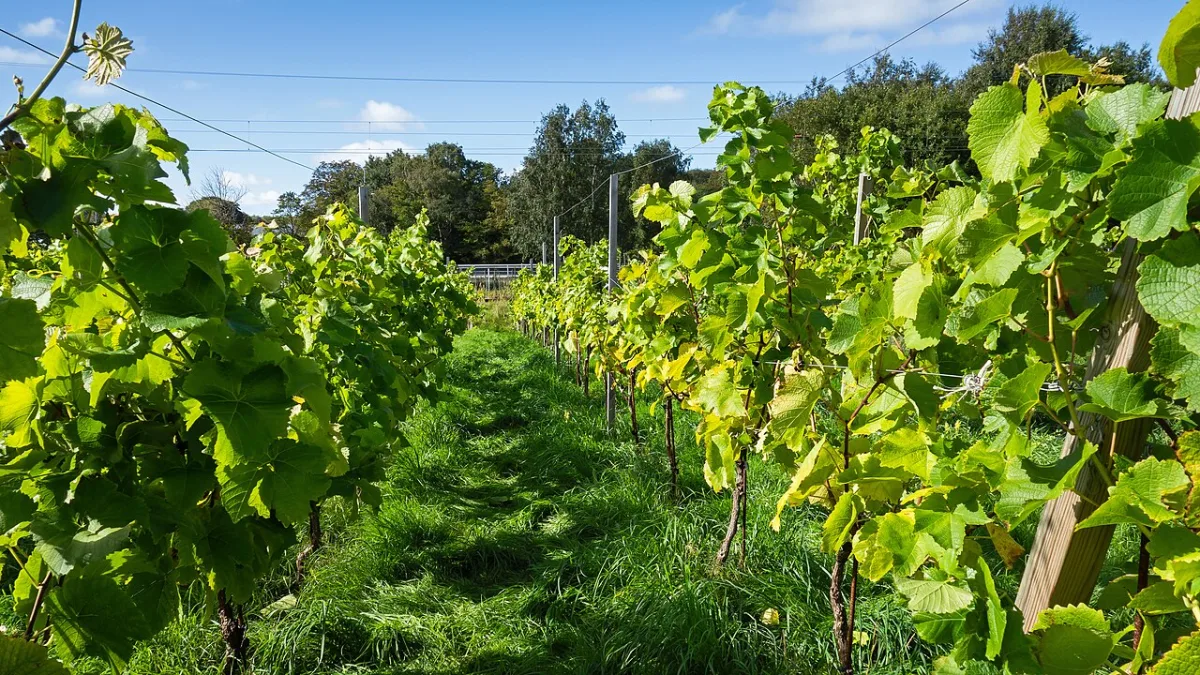
The leaf is the primary organ of the vine, providing the plant with nutrients. The article examines the growth cycles of the leaf blade, the influence of environmental conditions on photosynthesis, and leaf area indices under various canopy formation methods

Pruning and training For students

Bud break and shoot formation capacity of fruit trees during pruning

The density of a fruit tree's canopy directly depends on the intensity of bud break and branching. Understanding the biological characteristics of a cultivar allows an agronomist to accurately predict plant development and select an optimal pruning strategy

Planting and propagation For agronomists

Factors of regeneration and vegetative propagation of fruit and berry crops

The ability of plants to restore organs depends on genetics, the age of the mother plant, and environmental conditions. Understanding these patterns helps agronomists to effectively manage the rooting process and increase the yield of high-quality nursery plants.

Viticulture For agronomists

Diagnostic methods for the mineral fertilizer requirements of grapes

The article examines key methods for determining the mineral nutrition level of grapes, including visual methods, injections, laboratory research, and soil analysis. The author analyzes the possibilities and limitations of each approach in the context of modern viticulture.