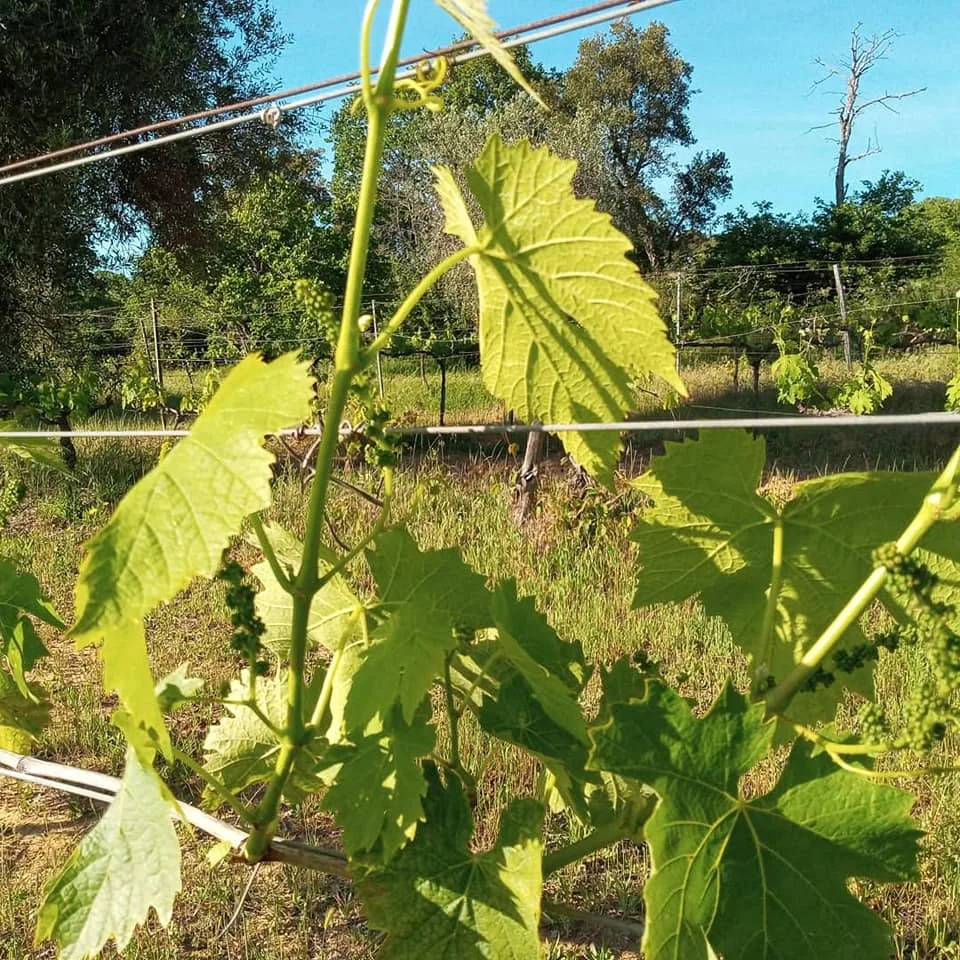
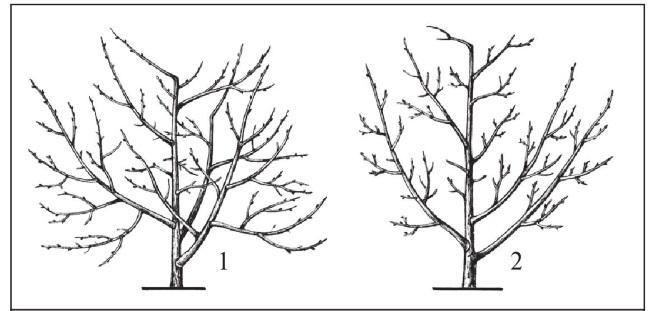
"Green operations" represent a complex of agrotechnical techniques for managing plant growth and development during the growing season. These include canopy formation of fruit trees, vine tying, and other measures aimed at optimizing light exposure, ventilation, and the redistribution of nutrients. Carrying out these tasks correctly is a necessary condition for achieving stable yield, improving fruit quality, and ensuring the longevity of plantings, which is especially important when working in intensive orchards or under challenging climatic conditions.
This selection gathers materials covering both modern technologies for forming flat palmette canopies and classic methods for creating modified leader structures. Readers will find detailed information on the specificities of phytotechnics in viticulture, including the rules for vine tying. Special attention is paid to the specifics of working in regions with severe climates, where the choice of a suitable canopy shape directly determines the winter hardiness and preservation of the trees. The presented articles will help agronomists and gardeners systematize their knowledge of canopy care and apply it effectively in practice.