
Bud break and shoot formation capacity of fruit trees during pruning
1 min read
The structure of a fruit tree canopy directly depends on the nature of bud break and the intensity of branching. It is important for an agronomist to know these characteristics of specific cultivars in order to correctly calculate the degree of pruning and predict canopy density. Depending on the biology of the crop, either almost all buds or only the apical bud and 1–2 adjacent ones may sprout on the branches in spring.
From the awakened buds on a fruit tree, the following are formed:
- growth shoots;
- short fruiting branches (e.g., spur types);
- leaf rosettes;
- flowers.
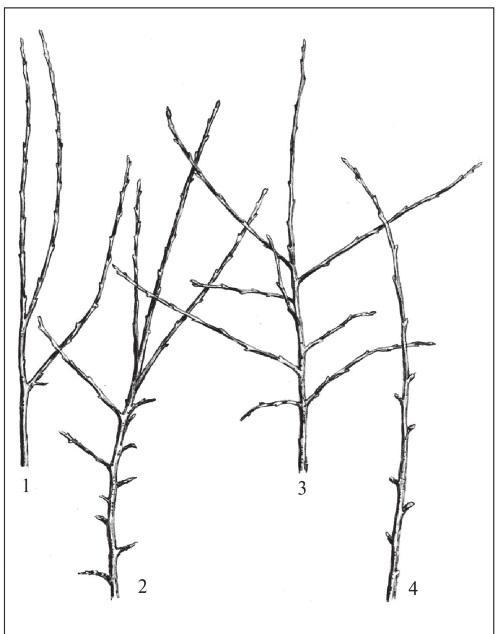
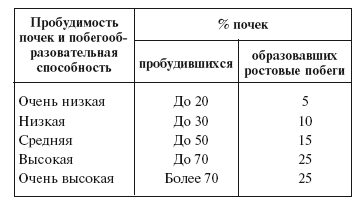
The ability of a tree to naturally form strong growth-type branches is called shoot-forming ability. According to this trait, as well as bud break capacity, all cultivars of fruit crops are divided into three groups: with low, medium, and high indices.
How to determine a cultivar group in the orchard
To plan pruning and understand which group a specific cultivar belongs to, perform a simple assessment of the canopy condition. To do this, it is sufficient to examine several branches and calculate the ratio of awakened buds to the total volume of growth.
- Select representative two-to-three-year-old branches in the canopy.
- Determine the approximate percentage of buds that awakened in spring relative to their total number on the branch.
- Calculate what proportion of these awakened buds produced strong growth shoots.
- Age of branches for analysis — 2–3 years
- High bud break capacity — 60%
- Low shoot formation — 10%
If 60% of buds awakened on a branch, but only 10% of them developed into growth shoots, the cultivar is characterized by high bud break capacity and low shoot-forming ability.
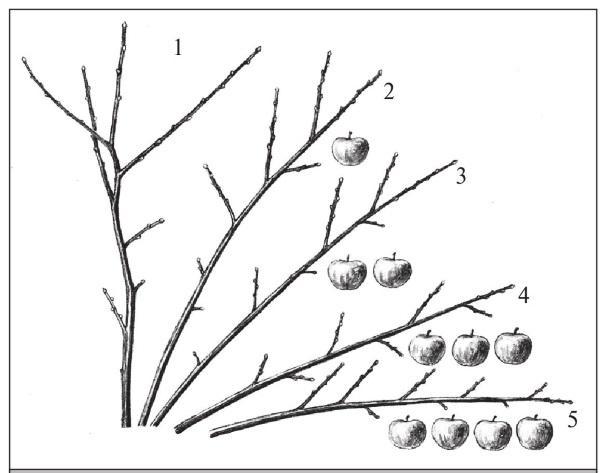
A tentative classification of fruit species and cultivars by branching pattern is presented in the following diagram:
Read next
Pruning and training For students
Apical dominance in growth management of fruit trees
Pruning and training For students
Classification of apple tree cultivars by types of fruiting structures for pruning
Pruning and training For agronomists