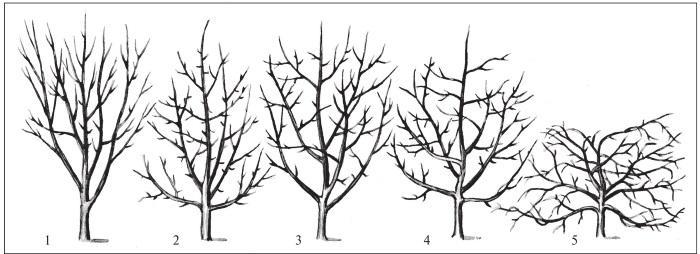
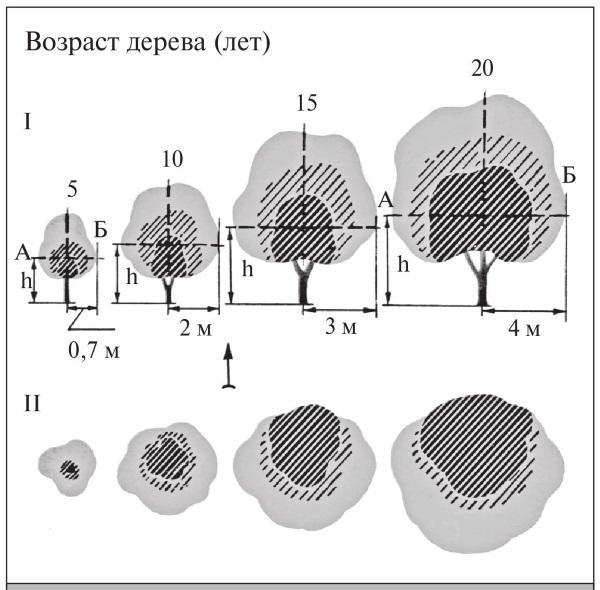
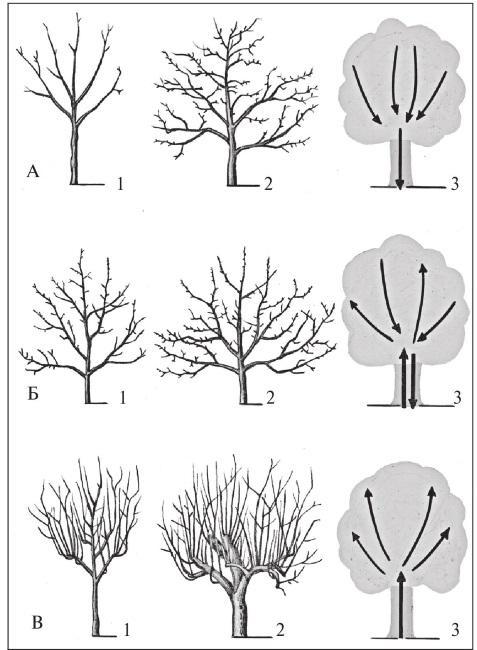
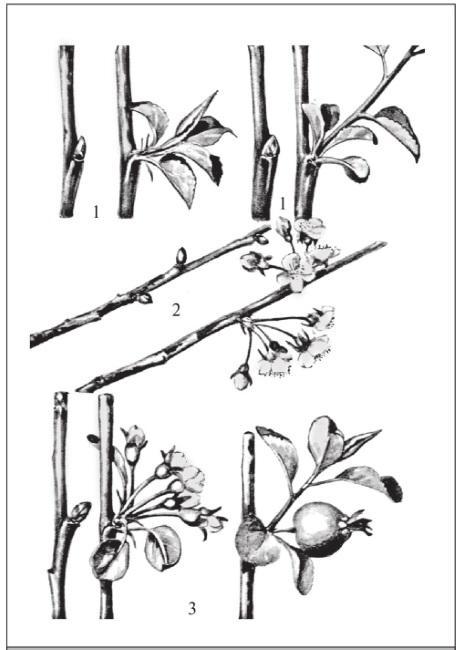
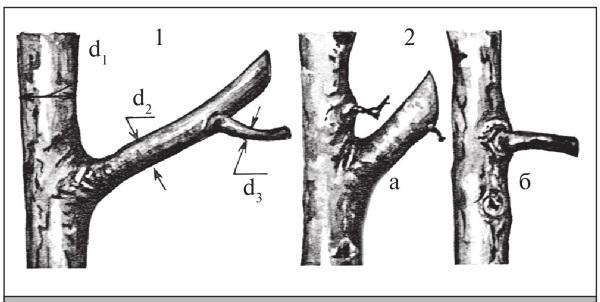
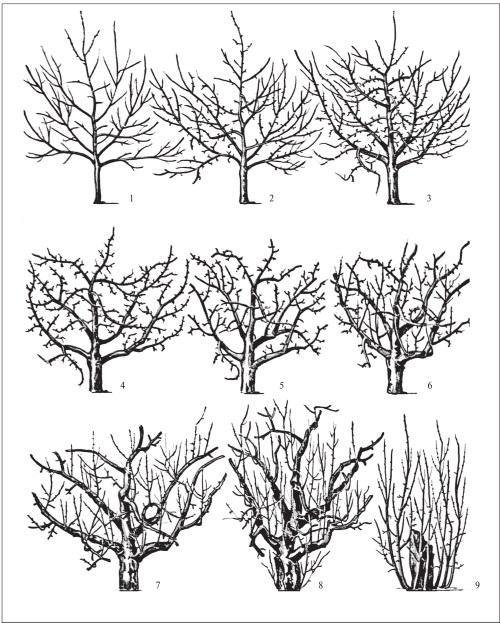
A fruit tree is a complex biological system, the successful cultivation of which depends on a deep understanding of its growth and development processes. For a professional agronomist and a practicing gardener, knowledge of canopy morphology, types of vegetative structures, and the age periods of the life cycle is an essential foundation. Managing the tree's condition through competent pruning and optimization of the light regime allows not only for the regulation of yield but also for ensuring the longevity of the plant, maintaining a balance between vegetative mass and fruiting.
This collection of materials systematizes the key agrotechnical principles for working with fruit trees. Readers will find comprehensive information here on canopy anatomy, the rules of branch subordination, and shoot classification. The articles detail the mechanisms of a tree's response to external influences and methods for forming a robust framework of scaffold branches. The knowledge presented will help build a correct care strategy based on an understanding of the biological processes occurring in the canopy at different stages of the orchard's life.