
Factors of regeneration and vegetative propagation of fruit and berry crops
6 min read
The ability of fruit and berry crops to restore lost organs — the basis of vegetative propagation — is determined by the plant's genetics and environmental conditions. By understanding these patterns, an agronomist can manage the rooting of cuttings and shoots, increasing the yield of high-quality nursery plants in the nursery.
Internal factors: biological characteristics and age of the mother plant
Tissue regeneration depends directly on heredity and the degree of cell differentiation. The less specialized the plant tissues are, the more actively and completely it restores its integrity. Based on their ability to form adventitious roots and shoots, all horticultural crops are divided into three main groups.
| Crop group | Regeneration features | Examples of crops |
|---|---|---|
| 1. Actively rooting | Quickly form adventitious roots, but are almost incapable of forming shoots on roots. | Currant, strawberry, gooseberry |
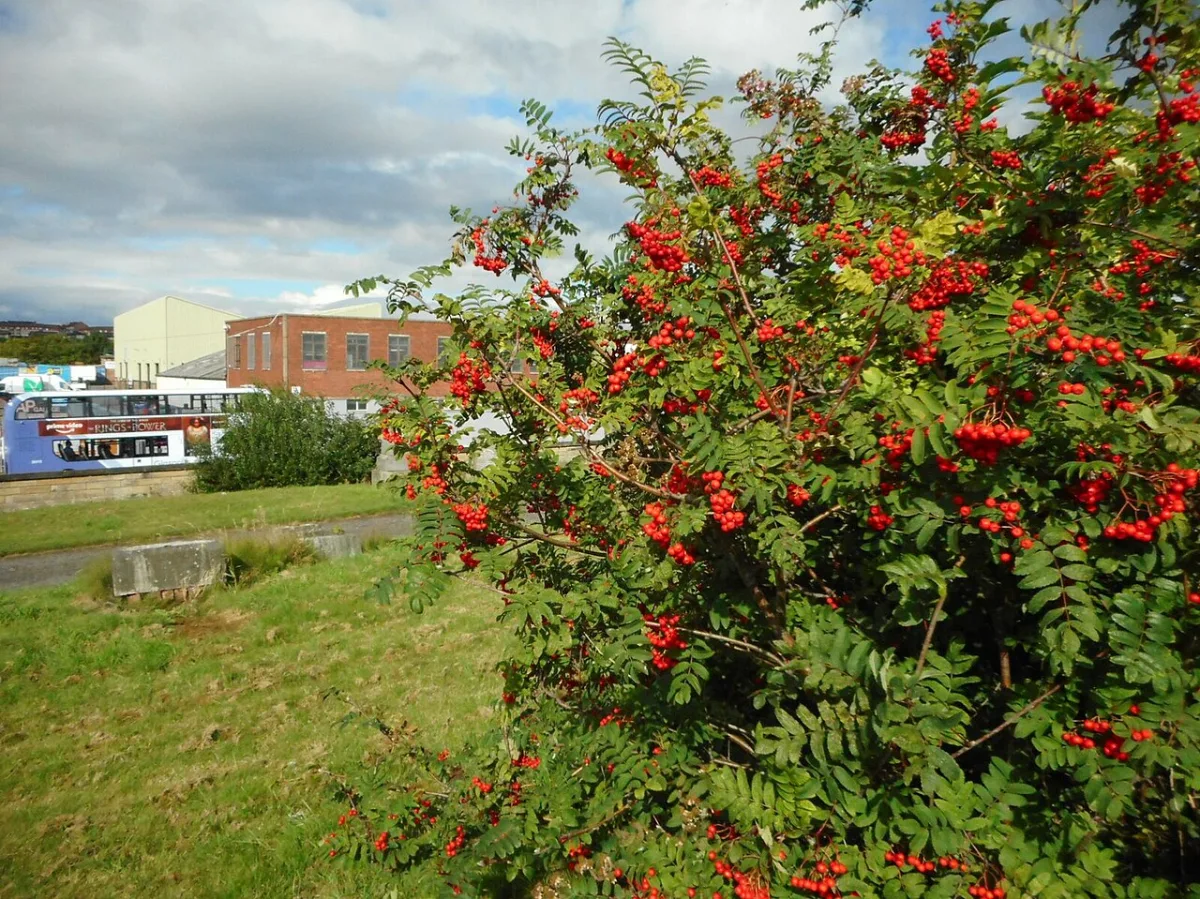
| 2. Prone to shoot formation | Intensively form adventitious shoots on roots, but struggle to form roots on stems. | Most apple and pear cultivars, rowan, sweet cherry, walnut |
| 3. Easily regenerating | Equally easily restore both adventitious roots and shoots. | Sea buckthorn, oleaster, quince |
In addition to cultivar characteristics, the success of propagation is influenced by the age of the mother plant. In the early stages of ontogenesis, plants regenerate significantly better, and this ability decreases with age. The zone of the shoot also matters: cuttings from the lower part root better than those cut from the top. The restoration process largely depends on the accumulation of plastic substances, especially carbohydrates.
In softwood cuttings of most stone fruits, the rooting ability is maximal during the phase of intensive shoot growth. After the formation of the terminal bud, rooting ability drops sharply, and after leaf fall, the cuttings do not root at all. However, root cuttings of the same crops can produce shoots almost all year round under optimal conditions.
External environment: managing light, humidity, and temperature
External conditions — light, temperature, water, nutrition, and plant growth regulators — can either stimulate or inhibit cell development. For example, etiolation (shading) of shoots activates the initiation of root primordia due to the accumulation of auxins. An excess of bright light, on the contrary, interferes with cell division. The technique of shading shoots or the entire plant is used when propagating hard-to-root crops.
For softwood cuttings, a balance of lighting is important: light activates the synthesis of nutrients, so the lower zone of the cutting is shaded for root growth, while the upper part is left in the light. In total darkness, roots do not form. At the same time, lighting the roots themselves stimulates shoot growth, as ultraviolet light destroys excess auxins that interfere with bud initiation.
Physiological and biochemical processes during regeneration differ from the plant's normal metabolism. The division and differentiation of embryonic cells require increased tissue and air humidity, as well as a higher temperature regime of the substrate.
- Rooting ability of black chokeberry cuttings under film shading — 95%
- Temperature excess for regeneration over the metabolic norm — by 5–7 °C
| Crop (apple) | Optimal temperature (°С) |
| Growth and fruiting | 18–24 |
| Rooting of cuttings | 24–30 |
| Growth of adventitious organ primordia | 18–24 |
Klebs (1895), and later Kraus and Kraybill (1918), believed that increased nitrogen nutrition stimulates vegetative plant growth, while low nitrogen content causes rapid differentiation of cells and their lignification with simultaneous accumulation of carbohydrates in the tissues. Subsequently, many researchers showed that excessive nitrogen nutrition inhibits adventitious root formation and has almost no effect on adventitious shoot formation. An increased content of carbon dioxide in the air has an effective impact on regeneration processes, probably due to the intensification of photosynthesis.
Plant growth regulators, or phytohormones (auxins, gibberellins, cytokinins, and retardants), have a significant influence on adventitious organ formation. Experimental work by many researchers has revealed a clear dependence of the new formation of adventitious roots and shoots on the quantitative content of natural auxins. Therefore, to activate regeneration processes in nursery practice, indole-class compounds are widely used — auxins: β-indolyl-3-acetic acid (IAA) or heteroauxin, β-indolyl-3-butyric acid (IBA), α-naphthylacetic acid (NAA). Currently, new-generation preparations have been tested, which have shown a stimulating effect on root formation and plant growth. In terms of efficiency, they are not inferior to, and often surpass, previously known ones. The advantages of new-generation preparations are environmental friendliness, safety for humans, and a high degree of degradation over a short period. An interesting feature of the influence of phytohormones on plants is the wide spectrum of their action, depending on concentration. Thus, high concentrations of auxins stimulate the new formation of adventitious roots but inhibit their growth. For the formation of adventitious buds, a low concentration of this phytohormone is required, but for their growth – a high one. Gibberellins and cytokinins significantly inhibit the differentiation of adventitious structures at all concentrations, and retardants have almost no effect on regeneration.
Characterize the ability of fruit crops for the new formation of adventitious organs.
List the internal factors influencing the ability of plant parts to regenerate.
What influence do environmental factors have on regeneration processes?
Which plant growth regulators are used in nursery practice to activate regeneration processes?
Methods of vegetative propagation are divided into two groups: natural and artificial. In the first case, the propagation process occurs without human intervention, in the second – with their direct participation.
NATURAL METHODS OF VEGETATIVE
Read next
Planting and propagation For agronomists
Seed and vegetative propagation in a fruit crop nursery
Planting and propagation For agronomists
Technology of vegetative propagation of fruit crops using hardwood cuttings
Planting and propagation For agronomists