Stone fruits hold a central place in intensive and amateur horticulture due to the high value of their fruit and specific requirements for agrotechnics. To obtain stable harvests and ensure the longevity of plantings, an agronomist needs a deep understanding of the biological processes occurring within plant tissues. Competent management of fruit tree growth and development begins with an informed choice of nursery plants and knowledge of the principles of bud formation, which determine the future productivity of the orchard.
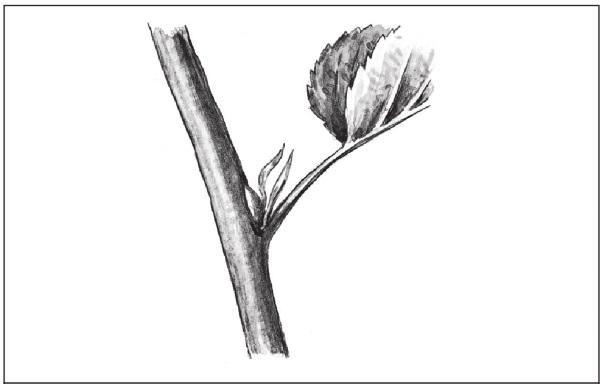
In this collection of materials, we have systematized the fundamental knowledge necessary for the successful cultivation of fruit crops. Readers will find a detailed analysis of the differences between seedling and vegetatively propagated rootstocks, which will allow for the optimization of the choice of orchard foundation depending on soil and climatic conditions. Modern methods of artificial vegetative propagation are also presented, including rules for harvesting hardwood cuttings. The series of articles concludes with a detailed overview of the anatomical structure and classification of buds, knowledge of which is the key to understanding the processes of growth and yield formation in stone and pome fruits.