Concept · 54 articles

Plant nutrition

Plant nutrition is a fundamental discipline combining the physiological processes of element uptake, soil science, and agrochemistry. Understanding the mechanisms of nutrient absorption through the soil solution, the role of the soil adsorption complex, and the influence of light and water regime allows both the agronomist and the gardener to take a well-grounded approach to managing crop growth. Knowledge of the classification of mineral elements, the role of secondary nutrients such as sulfur, and the mechanisms of humic acid action is key to increasing yield and plant adaptability to environmental stress factors.

This selection presents materials covering both the theoretical foundations of the science and practical research methods. The reader will become familiar with the history of the development of agrochemistry through the works of D.N. Pryanishnikov, K.K. Gedroyts, and K.A. Timiryazev, and will trace the evolution of concepts regarding photosynthesis and the humus theory of nutrition. The articles detail modern approaches to the study of mineral nutrition, including flow culture and split-root nutrition methods. The proposed block of materials will help systematize knowledge about the interaction of soil, fertilizer, and the biological characteristics of plants for effective agronomic practice.

Farm machinery For agronomists

Technological foundations and methods of crop sowing

The article describes key aspects of seed preparation and technological requirements for sowing. You will learn how the sowing depth and seed treatment methods affect the uniformity of emergence and future yield

Agrochemistry For students

Methods and principles for determining the mineral fertilizer requirements of crops

Rational fertilizer application requires accurate calculation of nutritional doses based on the biological needs of the crop and the availability of elements in the soil. The article examines formulas for calculating nutrient uptake and methods for diagnosing the state of crops to improve the efficiency of top dressing

Agrochemistry For students

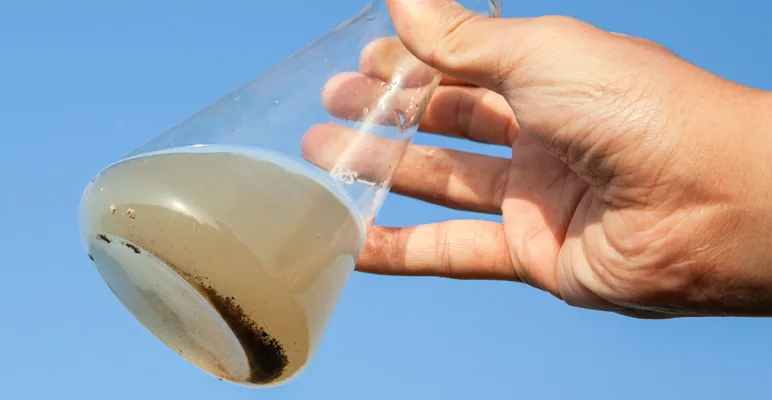
The role and chemical composition of the liquid phase of the soil solution

The liquid phase of the soil, which scientists call the blood of the earth, is a key source of water and nutrients for plants. The article reveals the chemical composition of the soil solution and the mechanisms of interaction between mineral and organic substances in the processes of soil formation

Greenhouses and covers For gardeners

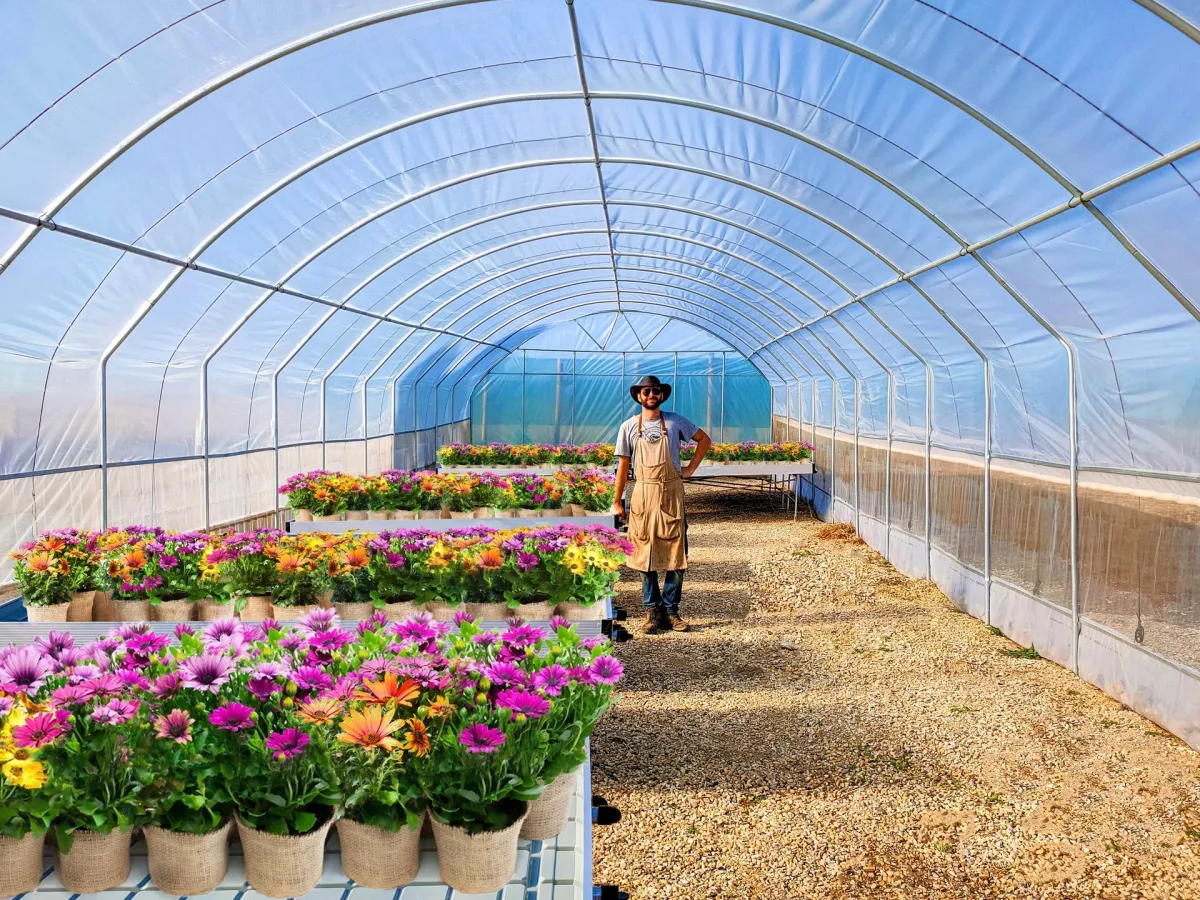
Overview of complex mineral fertilizers and plant growth regulators

The article provides an overview of popular complex fertilizers and principles of using growth stimulants. You will learn how to properly select top dressing for greenhouses and take into account the specifics of biologically active substances

Agrochemistry For students

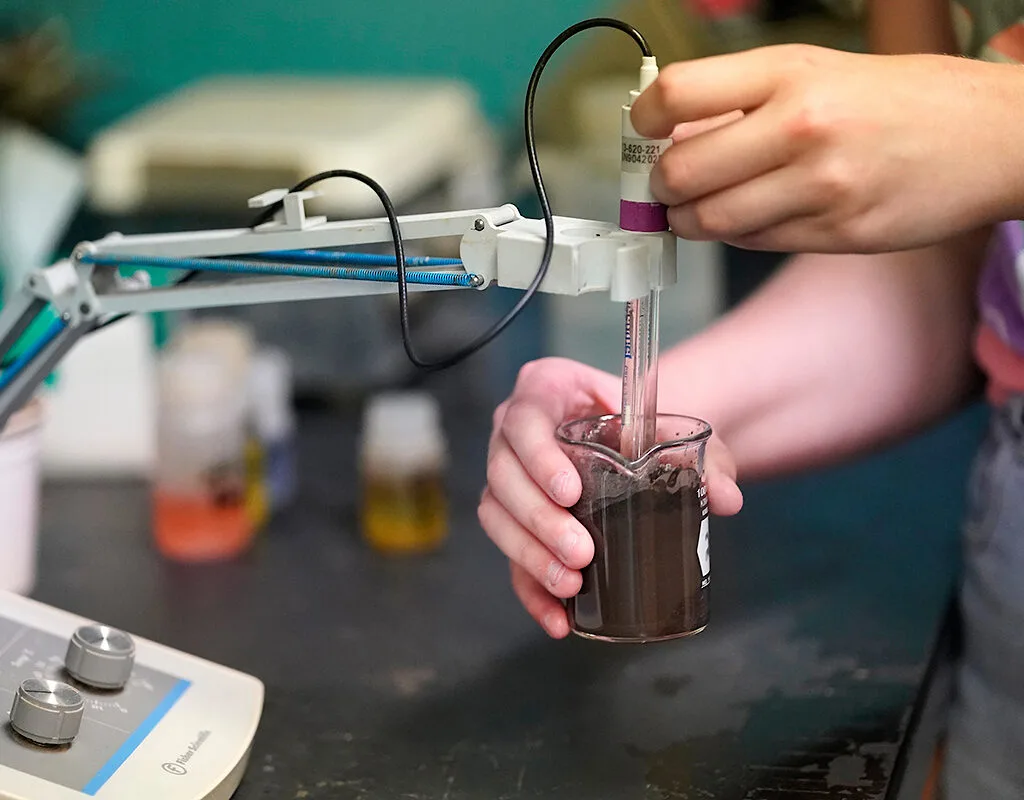
Preparation and use of sand substrate in agrochemical research

The sand culture method allows excluding the influence of soil heterogeneity and precisely evaluating plant nutrition. The article describes the quality requirements for quartz sand and a step-by-step algorithm for its chemical purification for setting up precise agrochemical experiments