
Technological foundations and methods of crop sowing
5 min read
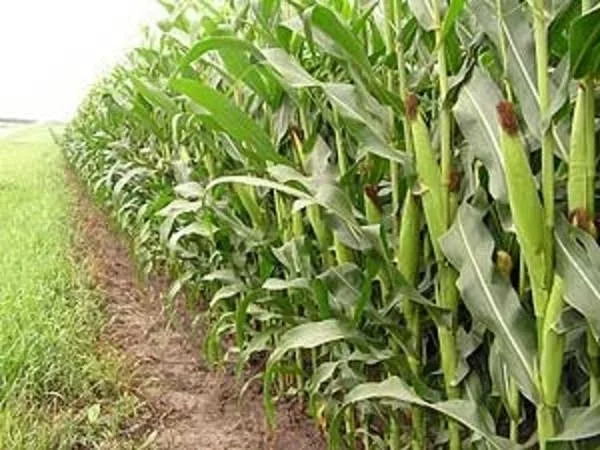
Optimal plant density lays the foundation for a future harvest. To ensure emergence is uniform and vigorous, an agronomist must take into account many factors: quality of the planting material, seeding depth of the seeds">seeding depth of the seeds, and reserves of moisture and nutrients in the soil. A well-considered choice of sowing method allows for the distribution of seeds across the field area with maximum efficiency.
Preparation of planting material and seeding depth
Before sowing begins, seeds undergo mandatory preparation. This complex of measures increases the flowability of the planting material, protects it from pathogens, and facilitates germination. Depending on the crop being cultivated, various treatment methods are used.
- Sorting and seed treatment — cleaned planting material is further sorted and treated with pesticide solutions to protect against disease and improve flowability.
- Cleaning of pubescent seeds — seeds are freed from hairs and foreign impurities by mechanical or chemical means.
- Calibration — planting material is divided into fractions of similar size (this method is mandatory for corn and sugar beet).
- Pelleting — using a special adhesive substance, seeds are given a regular spherical shape.
- Scarification — for crops with a hard seed coat (clover, lupine). The upper layer of the coat is slightly damaged mechanically to facilitate the access of moisture to the embryo.
The seeding rate and seeding depth of the seeds">seeding depth of the seeds are calculated by the farm's agronomist individually for each field. Factors taken into account include the actual germination rate of the batch, soil and climatic conditions of the region, regional recommendations, and specific technological features. It is equally important to observe the optimal sowing dates: any delay inevitably leads to a reduction in yield.
Errors in selecting the seeding depth directly reduce plant density. Too shallow planting leads to the freezing of winter crops and thinning of spring crops. At excessive depths, sprouts expend too much energy reaching for light, causing some of the seedlings to die, while the remaining ones develop in a weakened state.
There should be no air pockets between the seed and the soil, otherwise, moisture will not be able to reach the embryo. To ensure tight contact, the soil is thoroughly leveled and worked before sowing, and rolling is performed immediately after the seed drill passes.
In case of a shortage of nutrients in the soil, starter doses of granular fertilizers are applied simultaneously with sowing. They are placed at the seeding depth, slightly below or to the side of the seeds. This ensures a quick start for the root system at the beginning of the growing season.
Technological schemes and methods of sowing
In modern crop production, various technological schemes for seed placement are used. The choice of a specific method depends on the biological requirements of the crop, moisture availability, and the farm's machinery fleet. A properly selected scheme allows for the optimization of the plant nutrition area and reduces competition within the community.
- Seeding depth for cereals — 2–10 cm
- Standard cereal row spacing — 15 cm
- Row spacing in case of wind erosion risk — 22.8 cm
- Row spacing for narrow-row sowing — 7–8 cm
- Row spacing for row crops — 45–90 cm
| Sowing method | Application specifics | Seed placement parameters |
|---|---|---|
| Standard row | The main method for cereal crops. Seeds are distributed chaotically within the row with non-constant spacing. | Row spacing is predominantly 15 cm (22.8 cm if there is a threat of wind erosion). Seeding depth is 2–10 cm. |
| Strip | Used for sowing cereals into stubble, as well as for growing root vegetables, onions, and other vegetables. Seeds in the strip are distributed chaotically. | Seeds are distributed in strips of width b by the coulter's sweep shovel. The distance between strip centers is 23 cm. |
| Broadcasting | Used for sowing grasses on meadows and pastures, as well as for sowing rice into flooded paddies. | Seeds are scattered over the field surface followed by incorporation with a harrow. For rice, aircraft with special spreaders are used. |
| Narrow-row | Used for cereal crops. Optimizes the plant nutrition area: instead of an elongated rectangle, it approaches a square shape. | Row spacing is reduced to 7–8 cm. At an equal seeding rate, the distance between seeds in the row increases by two times compared to standard row sowing. |
| Cross-sowing | Used when sowing cereals. The costs of an additional machinery pass are recouped by a yield increase due to more uniform seed distribution. | Half the rate is sown while the seed drill moves in one direction, and the remaining part is sown perpendicular to the established rows. |
| Wide-row | Used for row crops. Enables subsequent mechanized inter-row cultivation. | Row spacing is 45–90 cm. Seed placement within the rows is chaotic. |
| Precision (single-seed) | Used for precision sowing of row crops. | Row spacing is 45–90 cm. Seeds in the row are placed at a strictly uniform distance from each other. |
| Band | Used for sowing vegetable crops. Rows (lines) are grouped into two- or multi-line bands. | The distance between lines bc depends on the crop. The distance between bands bl is chosen so that the cultivator's working tools do not damage the plants. |
| Cluster | Used for crops capable of growing in groups (in one cluster). Reduces the consumption of planting material. | Clusters are placed in parallel rows. The number of seeds sown is reduced by 2–3 times compared to the wide-row method. |
| Square-cluster | Used for crops requiring inter-row cultivation in two directions. | Clusters are arranged in straight rows at the corners of squares or rectangles. This allows for cultivating the field both in longitudinal and transverse directions. |
Sowing specifics: combining operations and soil topography
To optimize machinery operation in the field and increase arable land productivity, combined and integrated sowing methods are used. Combined sowing allows for the simultaneous sowing of two different crops in separate rows at an individual depth for each. A typical example of this solution in production is sowing grain crops together with grasses or corn with grain legumes.
Combined sowing increases the overall productivity of the field, eliminates unnecessary machinery passes, and ensures adherence to optimal agrotechnical timeframes.
With the integrated method, the seeder performs two operations in one pass: it distributes seed and applies granular fertilizer. This ensures a quick start for seedlings and eliminates extra costs for separate nutrient application. This approach is particularly effective for resource conservation during the spring season when time is limited.
The choice of field surface profile depends on the climate, humidity, and erosion risks in a specific soil-climatic zone. Along with classic flat-surface sowing, agronomists use special technological methods of soil preparation. This allows the technology to be adapted to the specific moisture distribution characteristics of the plots:
- In case of excessive soil moisture, seed is placed in the crests of ridges to protect them from waterlogging and rotting.
- In irrigated areas, sowing is carried out on a level surface with the simultaneous cutting of irrigation furrows for subsequent irrigation.
- In arid zones, seed of row crops is sown in furrows to ensure it is placed in a moist layer of soil.
- On soils prone to wind erosion, sowing is conducted directly into stubble, which protects young seedlings from wind and prevents soil erosion.
For some row crops and cucurbits, the square-cluster sowing method remains relevant. It requires strict adherence to the placement pattern to ensure an optimal nutritional area for the plants. Row spacing parameters are adjusted for the specific crop, taking into account its biological characteristics.
| Sowing method type | Row spacing / cluster spacing parameters |
|---|---|
| Square-cluster (main crops) | 70–90 cm |
| Square-cluster (cucurbits) | 180 cm |
Read next
Floriculture For students
Sowing technology for ornamental crops and seed application rates
Greenhouses and covers For gardeners
Specifics of growing transplants of celery, cauliflower, swede, and beet
Vegetable growing For students