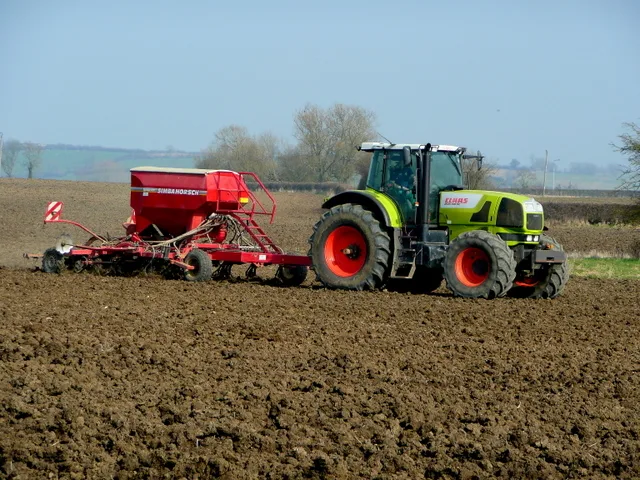
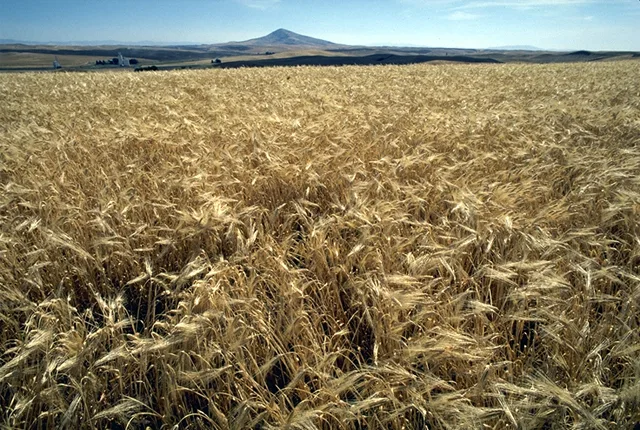
The seeding depth is a critical parameter of agricultural engineering, which directly determines the uniformity of emergence, root system development, and the subsequent productivity of crops. The correct choice of depth depends on a variety of factors: biological characteristics of a specific crop, soil texture, its moisture level, and the state of the tillage layer before sowing. Errors at this stage lead to thin stands, reduced plant growth rates, and, consequently, the loss of part of the potential harvest.
This collection combines materials covering both general technological foundations of sowing and specific agronomic features of cultivating various crops — from grains and grain legumes to forage root crops and flowers. The reader will find information here on soil preparation, modern sowing methods, and equipment adjustment, such as grain-fertilizer drills. The articles will help to systematize knowledge about seeding rates and methods for controlling seeding depth, ensuring a competent approach to planning sowing operations both on an industrial scale and in small plots.