
Effective fertilizer systems for hayfields and pastures to increase productivity
21 min read
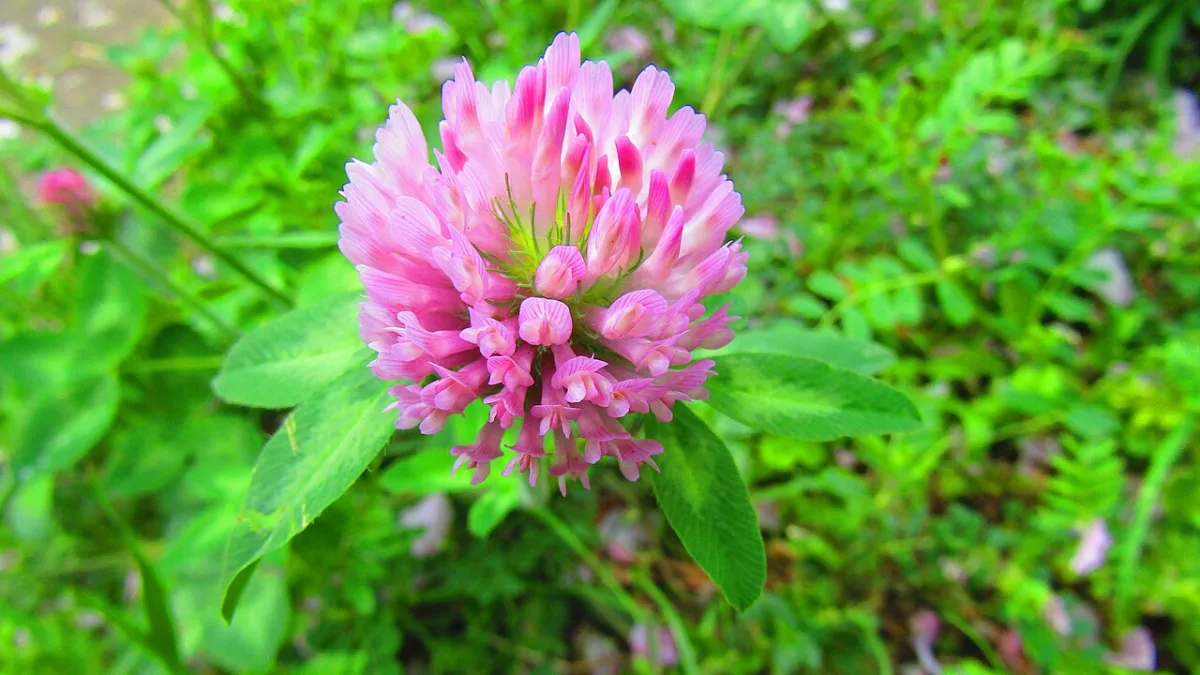
Fertilizer application on hayfields and pastures solves several practical problems at once: it increases the yield of green mass per season, extends the grazing period, and transforms low-value meadows into highly productive lands. At the same time, soil fertility is improved through the activation of beneficial microflora, acceleration of organic matter mineralization, and more efficient use of biological nitrogen.
Since meadow grass stands consist of perennials with powerful root systems, the fertilizer system must be aimed at supporting the most valuable species. For rapid growth of green mass, it is recommended to use readily soluble forms of fertilizers in fractional applications. When planning top dressing, it is important to consider soil acidity, as most valuable meadow grasses develop best at a pH in the range of 6.5 to 8.0.
| Crop / group of grasses | Optimal soil solution pH |
|---|---|
| Alfalfa (Lucerne) | 7.5–8.0 |
| Red clover | 5.6–6.5 |
| White clover | 5.5–6.5 |
| Graminoids | 5.5–5.9 |
In acidic soils, valuable forage crops are quickly displaced by wild species adapted to low pH. This leads to a sharp drop in yield and a deterioration in the quality of feed.
In acidified areas, the valuable grass stand degrades in the following order:
- Legumes are the first to drop out of the grass stand.
- Then timothy grass disappears.
- Meadow fescue is the last to drop out.
Instead of valuable crops, common bent, tufted hairgrass, and sedges develop on acidic soils. A rational fertilizer system allows maintaining an optimal balance of legumes and graminoids, keeping the quality of the feed high.
Demand of perennial grasses for nutrients and their uptake
Perennial grasses have a long growing season, but they consume the maximum volume of nutrients during the early phases of development. By the time of heading and flowering, taller grasses (orchard grass, meadow fescue, timothy) manage to accumulate the bulk of nutrient elements relative to their total content in the harvest.
- Nitrogen by the beginning of flowering — almost the entire volume
- Phosphorus by the beginning of flowering — 80–90% of uptake
- Potassium by the beginning of flowering — 70% of uptake
A significant portion of nutrient elements is anchored in the powerful root system of grasses. Without annual ploughing, these substances remain locked out of the biochemical cycle for a long time after root decay, which causes an increased need for hayfields in regular fertilizer application.
Timely harvested hay of average composition contains 1.5–2.0% nitrogen, 0.4–0.5% phosphorus, and 1.5–2.0% potassium. However, these indicators vary greatly depending on soil and climatic conditions and the mode of hayfield use. For example, when switching from single-cut to double-cut use, the content of elements in plants can differ by 2–3 times.
In terms of nutrient uptake volumes, perennial grasses outperform grain crops and approach root crops. This is confirmed by the results of field studies on nutrient uptake per 1 ha:
| Crop and yield volume | Nitrogen uptake, kg | Phosphorus uptake, kg | Potassium uptake, kg |
|---|---|---|---|
| Rye (25 cwt of grain and 60 cwt of straw) | 82 | 37 | 75 |
| Grasses in the flowering phase (yield of similar magnitude) | 127 | 43 | 127 |
The accumulation of mass on hayfields and pastures occurs continuously throughout the entire growing season. After mowing or grazing, the grass immediately begins to regrow, absorbing new portions of nutrients from the soil. For this reason, double-cut use of hayfields always leads to higher nutrient uptake by harvests than single-cut use.
This is explained by the fact that under double-cut use of hayfields, grasses are harvested in a young state, with a higher content of nutrients than under single-cut use. Especially sharp differences in the nutrient content of the grass stand between the first and second cuts are observed when the grass stands consist of fescue, foxtail, and orchard grass, as the harvest of the second cuts of these grasses is dominated by vegetative shoots and leaves rich in nitrogen, phosphorus, and potassium. Large differences are observed in the intensity of nutrient consumption by grasses of the same family. Nutrient absorption largely depends on the rate of biomass accumulation and the duration of the plant's passage through vegetative phases. The shorter the growing season and the less time required for the plant to pass through phenophases, the more intensively it accumulates organic matter and absorbs nutrients. Such plants are more demanding of the availability of a sufficient quantity of nutrients in the soil in an easily assimilable form. Slowly developing grasses, such as timothy and Kentucky bluegrass, absorb about 50% of nitrogen and about 30% of phosphorus and potassium from their total content in the final harvest during the stem elongation phase. Grasses with higher growth and development rates in the initial phases, such as meadow fescue and meadow foxtail, accumulate 10–80% of nitrogen and approximately 30–40% of phosphorus and potassium from the total uptake of these elements by the final harvest during the stem elongation phase. By the beginning of the flowering phase of the plants, all grasses, regardless of their biological characteristics, absorb almost the entire amount of nitrogen, and about 70–80% of phosphorus and potassium relative to their total content in the final harvest. In this case, the accumulation of nitrogen, phosphorus, and potassium in the initial phases of the growing season occurs more intensively than the accumulation of plant biomass.
Table 192 – Nutrient removal by grasses in the first and second cuts First cut Second cut Yield, dt/ha Removal, kg/ha Yield, dt/ha Removal, kg/ha Grasses Hay N P2O K2O Hay N P2O K2O
Timothy 63.1 73.8 18.6 85.8 53.4 68.7 21.2 84.4 Red clover 34.4 80.3 13.9 55.4 33.3 89.0 16.2 64.7 Grass mixture 57.1 72.9 19.2 82.0 50.3 70.1 21.3 83.7
Nitrogen in meadows enhances the growth and development of vegetative mass of plants. With a nitrogen deficiency in grasses, the leaves, especially the lower ones, turn pale or even yellowish and die from the tip downwards. Plant growth is stunted, and stems become thin. With a nitrogen deficiency in legumes, a weakening of growth processes is observed, along with a decrease in linear dimensions and a simultaneous reduction in branching. The leaf color is pale green.
Phosphorus shortens the growing season of grasses, promotes rapid root system development and its deeper penetration into the soil, and makes plants more drought-resistant. The phosphorus content in grasses ranges from 0.3–0.5 to 0.8–1% or more. An increase in the phosphorus content in grasses occurs with an increase in the application rates of phosphorus fertilizers, and by stimulating the growth of legumes and herbs. With a phosphorus deficiency, a slowing of growth processes, insufficient plant development, delayed flowering and seed formation are observed. Grasses grow slowly, tiller poorly, and have a dark green color. Lower leaves may have yellowish or purple coloration between the veins.
Potassium. The potassium content in grasses ranges from 0.5 to 10%, with an average of 1.5–2.0%. With a potassium deficiency, stem growth is weakened, and young leaves exhibit "burns" along the edges starting from the tip, which then lead to yellowing, browning, and leaf death. With low soil potassium availability, stem lodging is observed as a result of their low strength and poorly developed root system. Potassium provides the best conditions for the growth and development of valuable grasses and leguminous grasses in the sward and reduces weediness.
Calcium stimulates grass growth and increases plant vigor and stem strength. The content of calcium in grasses is 0.33–0.51%, in legume-grass mixtures 1.14–1.44%, and in forbs 1.12–1.60%.
Magnesium. Its content in grasses is 0.38–0.42%, in legumes – 0.8%, and in forbs – 1.3%. When nitrogen is applied, its content increases, but with high doses of potassium, it decreases due to the antagonism between monovalent and divalent cations. With a severe deficiency of magnesium, white striping appears between the parallel veins of the leaves along the entire length of the leaf blade, leading to the drying, death, and shedding of leaves.
Why meadows lack natural nutrition and how to calculate the return
Perennial grasses consume many nutrients, but the natural influx of nutrition from silt, deluvial deposits, or groundwater covers these needs only in a small portion of meadows. Even on fertile lands, natural sources cannot ensure maximum yield. The natural influx primarily covers the need for potassium, to a lesser extent for phosphorus, and very poorly for nitrogen. Therefore, flood meadows always experience a nitrogen deficit, lowland meadows require nitrogen-phosphorus nutrition, and drained peatlands require all elements without exception.
Without the application of fertilizers, most hayfields produce extremely low hay harvests. At the same time, competent application of nutrients not only increases yield but also accelerates the recovery of the sod. A dense sward reliably protects the soil from water erosion and wind blowing.
- Yield of floodplain without fertilizers — 60–70 dt/ha of hay
- Yield of floodplain with fertilizers — up to 100 dt/ha of hay
- Hay harvest on other meadows without fertilizers — 10–20 dt/ha
- Return per 1 kg of nitrogen in pasture — 20–24 feed units
- Return per 1 kg of phosphorus in pasture — 10–12 feed units
The efficiency of nutrient uptake depends on the method of land use and the availability of moisture. In pastures, grasses absorb fertilizers better than in hayfields. With artificial irrigation, the utilization rates of nitrogen, phosphorus, and potassium increase significantly.
| Nutrient | Uptake in hayfields, % | Uptake under irrigation, % |
|---|---|---|
| Nitrogen (N) | 65 | 80 |
| Potassium (K) | 60 | 70 |
| Phosphorus (P) | 20 | 30 |
Fertilizers can both improve and significantly worsen the botanical composition of the sward. Application rates and ratios of elements must be calculated strictly according to the production capabilities of the meadow: the number of cuts, grazing cycles, and the type of sward.
Rules for nitrogen application: timing, rates, and splitting
Meadow grasses respond most strongly to nitrogen, moderately to phosphorus, and potassium fertilizers give a weak effect. However, nitrogen is the most unstable element in the meadow system, and plants rarely absorb it completely. Nitrogen applied in ammonium form partially volatilizes and is reduced to free gas. At the same time, in organic-rich soils, losses reach 30%, and in poor soils — 20%.
Nitrate nitrogen should not be applied in autumn — due to its high mobility, it leaches rapidly from the root zone. Nitrates can be applied without risk of loss only during the period of intensive grass growth.
The timing of nitrogen application depends on the climatic conditions of the region. In areas with sufficient humidity, it is advisable to apply it in the spring, as fertilizers dissolve quickly and reach the roots. In arid regions with winters characterized by little snow, nitrogen top dressing is postponed until autumn. In this case, nitrate and ammonium forms perform approximately the same.
The nitrogen application regime depends directly on the planned dose. With small doses in the range of N30–60, the entire application rate is applied at once. If the dosage is increased to N120 against a background of good humidity or irrigation, nitrogen must be applied in split doses after each mowing or grazing event.
Split nitrogen application allows for an additional 1000–1200 feed units per hectare. Furthermore, it helps to balance the availability of green mass throughout the entire growing season. As a result, the farm avoids gaps in the green forage conveyor between cuts.
How to manage botanical composition with nitrogen
Nitrogen fertilizers provide maximum effect on grass and grass-forb meadows with good soil moisture. With their help, an agronomist can regulate the botanical composition of the pasture: nitrogen stimulates grass growth and suppresses legume components. If the share of legumes in the sward exceeds 20%, the efficiency of nitrogen top dressing decreases. In this case, on mineral soils, it is advisable to switch to potassium and phosphorus fertilizers, which stimulate the development of legumes.
Nitrogen dosage is calculated based on the composition of the sward and the conditions of land use:
| Type of land and sward composition | Recommended nitrogen rate (active ingredient) | Background fertilizer (active ingredient) |
|---|---|---|
| Sown grass mixture (60% legume content) | up to N60 | P60K60 |
| Grass-legume sward (up to 40% legumes) | N120 | — |
| Pure grass sown meadow (pasture use) | N180 | P60K60 |
| Natural pasture (total per season) | N180 (at N45–60 per grazing cycle) | — |
| Mid-mountain and high-mountain pastures | N90–120 | — |
With prolonged use of high nitrogen doses or its one-sided application, legume grasses are lost from the swards, especially in the presence of a potassium, phosphorus, or moisture deficit. Under the influence of nitrogen fertilizers, the carbon content in plants increases, but the concentration of phosphorus, calcium, and magnesium falls. Apply nitrogen to pastures as a surface treatment.
As the primary nitrogen fertilizer on hayfields and pastures, use ammonium nitrate. In case of its shortage, the use of any other solid, liquid, or complex forms is economically justified. Nitrogen provides the highest return on irrigated hayfields, reclaimed lands, and high-quality sown grass swards.
Align nitrogen application timing with grass development phases. Perform spring top dressing during the regrowth period — the onset of grass tillering, as earlier application leads to nitrogen losses and lower harvest. Early top dressing increases the total mass of grasses but has little effect on protein content. If nitrogen is applied in the second half of the growing season, the yield increase will be more modest, but the protein content in the feed will significantly improve.
Feed quality and rules for phosphorus application
Uncontrolled one-sided nitrogen application compromises feed quality and reduces the accumulation of calcium and magnesium. This leads to a dangerous imbalance of elements, causing grass tetany in livestock. After top dressing with increased nitrogen doses, young grass should not be grazed immediately, and the nitrate content in the feed must be strictly controlled.
- Optimal sugar to protein ratio — 0.8–1.2:1
- K:(Ca+Mg) ratio in green feed — 1:2.2
- Legume presence threshold for reducing nitrogen doses — 20%
Apply phosphorus fertilizers in autumn — they provide the greatest effect with sufficient humidity and under irrigation. Phosphorus stimulates its accumulation in plant roots and also increases the sulfur content (when using simple superphosphate) or manganese (when applying acidic forms). Adjust phosphorus doses based on the results of soil analysis for mobile phosphorus content:
- with very low soil availability of phosphorus, the calculated rate is increased by 20–30%;
- with medium availability, the rate is reduced by 20–30%;
- with high availability, applying phosphorus fertilizers is not advisable.
Remember that the efficiency of any phosphorus fertilizer decreases sharply when there is a lack of soil moisture.
All types of superphosphates, especially double granulated, are considered the best source of phosphorus for meadows. On peatlands and acidic soils, it is effective to use phosphorite flour or superphosphate mixed half-and-half with phosphorite flour.
The effectiveness of potassium fertilizers increases in the presence of legumes in the stand or when applied simultaneously with nitrogen and phosphorus fertilizers. To establish the most rational rates of potassium fertilizers, it is best to be guided by the results of agrochemical analyses. Potassium fertilizers increase the potassium content in the dry matter of feed by 3%. Usually, on hayfields with clay soils, potassium fertilizers are applied at rates of 30–45 kg, and on sandy loam soils at 45–60 kg of K2O per 1 ha or more. Rates up to K60 are applied after the first cycle of use, while rates above K60 are applied after the first cycle and in autumn. If the soil has a high content of available potassium, potassium fertilizers are not applied in the spring. Just as with phosphorus, the rates of potassium fertilizers are increased by 20–30% in the first case of low supply and decreased by 20–30% in the case of high supply. Unlike nitrogen, potassium is less mobile in the soil and therefore shows a noticeable residual effect. The question of the form of potassium fertilizers in grassland management is of practically no importance. The joint application of phosphorus-potassium fertilizers is significantly more effective than their separate application. The correct rate of phosphorus-potassium fertilizers should be determined based on the chemical composition characteristics of the grasses (their phosphorus and potassium content), as well as the availability of soil nutrients, moisture conditions, and the botanical composition of the stand.
The effect of complete mineral fertilizer manifests on almost all types of grasslands. Phosphorus and potassium fertilizers are applied in the autumn, spring, or winter, especially in arid regions, while nitrogen fertilizers are applied to hayfields in early spring and after the first cut, and to pastures in fractions in the spring and after grazing. At the same time, to preserve legumes in the stand, it is important that the doses of phosphorus and potassium predominate over nitrogen. Phosphorus-potassium and complete mineral fertilizers, along with a sharp increase in the total yield of meadow grasses, reduce weed infestation in the meadows.
The application of complete mineral fertilizer on meadows provides a yield increase of hay by 18–30 centners or, roughly, 9–15 centners of feed units per hectare. Before laying out the field for main tillage, N60P120K90 is applied, and additional top dressing of N30 is carried out for each grazing cycle. On intensive pastures, fertilizers are applied in a 3:1:2 ratio (N180Р60К120), and on hayfields in a 1.5:1:1.5 ratio (N90Р60К90). Organic fertilizers—slurry and non-litter manure—are also used on hayfields and pastures. Fertilizers are applied in compliance with sanitary requirements before the growing season, after mowing, and after grazing. On irrigated pastures, due to the low mobility of phosphorus and potassium in the soil, it is advisable to apply them before creating artificial forage lands at increased rates to the depth of ploughing.
As the use of mineral fertilizers on meadows increases and the yield of meadow grasses grows, the need for iron, magnesium, sulfur, and micronutrients in grassland management increases.
Iron. A deficiency is observed when cultivating meadow grasses on reclaimed high-moor bogs; symptoms of iron deficiency are interveinal chlorosis in young plants. This is also possible when available iron compounds
Mg, Fe, and S are mesoelements, according to the classification of A.Kh. Sheudzhen ("Biogeochemistry", 2003).
are bound in the soil by an excess of lime or manganese. In case of iron deficiency, foliar top dressing with ferrous sulfate in a concentration of 0.2–0.4% with the addition of 0.15% slaked lime is performed. Even better results are obtained by applying iron chelates (organometallic complexes containing iron in ionic form, which makes it easily absorbed and transported within the plant).
Sulfur has a positive effect on the growth of roots and the entire plant, as well as on the vital activity and formation of nodules in legumes. Its content in the plant accounts for 0.27–0.39% of dry matter, with fluctuations up to 0.50% in legumes, 0.65% in grasses, and 0.92% in forbs. The removal of sulfur per 1 ton of hay is 2.37 kg for alfalfa, 3.0 kg for clover, 3–4 kg for sweet clover, and 3 kg for bluegrass.
Boron performs important functions in the process of protein synthesis and is linked to carbohydrate, calcium, and potassium metabolism, as well as the movement of mineral substances, and enhances the process of nodule formation in legumes. The total boron content in soils in most cases ranges from 1 to 270 mg/kg, averaging 20–50 mg/kg. It increases the yield of green feed and seed with a simultaneous increase in protein content (by 1.24% on average). Boron is immobile in plants, and its maximum amount is found in leaves and inflorescences, rather than in stems and roots. With a boron content of less than 2 mg/kg of dry feed, which manifests as discoloration of the apical buds of legumes and severe shortening of stems due to the inability of internodes to elongate (witches' broom), its application in the form of borax (11%) is necessary in the amount of (100·1.5):11.3 = 13.3 kg/ha. For pre-sowing seed treatment, 0.005–0.015% solutions are used (4 liters per hectare portion of seed). For foliar top dressing, a 0.025% concentration is prepared at a rate of 500–700 l/ha.
Cobalt contributes to increasing plant height and green mass accumulation, enhances growth, and increases grass yields while simultaneously increasing protein content by an average of 1.43%.
Legumes are characterized by the highest cobalt content – from 1.0 to 5.45 mg/kg of dry matter (clover, sweet clover, etc.). Among grasses, steppe fescue, bluegrass, timothy grass, meadow foxtail, etc., have the highest cobalt content – 0.65–1.78 mg/kg of dry matter. Significant cobalt content is noted in Asteraceae (salsify, yarrow, helichrysum, etc.) and Lamiaceae (oregano, catnip, field mint). If the cobalt content is less than 0.2 mg per 1 kg of dry soil, its application in the form of cobalt sulfate (1.5 kg/ha) is necessary. According to the results of chemical analysis, mobile cobalt in the soils of the Krasnodar Territory is 0.8–5.0 mg/kg.
Application of micronutrient fertilizers on hayfields and pastures
Manganese regulates redox processes in plants and ensures the stable operation of enzyme systems. Its accumulation depends directly on the botanical composition of the herbage: mixed grasses (Ranunculaceae, Caryophyllaceae, Rosaceae, Scrophulariaceae — 100–300 mg/kg) have the highest concentration of the element, while Brassicaceae, Poaceae, and Chenopodiaceae have the lowest (30–70 mg/kg). In legumes, the manganese content fluctuates within 28–100 mg/kg, which is consistently higher than in grasses. To promptly compensate for the lack of the element during the growing season, foliar top dressing is carried out with a working liquid consumption of 500–700 l/ha. For pre-sowing seed treatment, the same solution of manganese sulfate (MnSO4) is used at a concentration of 0.05–0.1% with an application rate of 10 l/c.
Manganese deficiency most often occurs on carbonate soils and with excessive liming. The lack of the element manifests as chlorosis (yellowing) of leaves. If the concentration of manganese in the soil drops below 0.30 mg/kg, the mandatory application of fertilizers is required.
Copper activates the photosynthesis of meadow grasses and is directly involved in nitrogen metabolism. When it is deficient, the tips of the leaves turn white, the winter hardiness of legumes decreases, and the risk of herbage lodging increases. The application of copper fertilizers not only solves these problems but also increases the protein concentration in the feed, improving its palatability for livestock. The application of copper is most effective on pastures with high doses of nitrogen fertilizers, as well as with the combined application of zinc, manganese, and boron. For foliar treatment, a 0.02–0.05% copper sulfate solution is used with a consumption of 300–400 l/ha, and for seeds — a 0.001–0.005% solution of CuSO4·5H2O.
An acute need for copper arises on peatlands, where its content is only 5 mg per 1 kg of soil. On such plots, the application of copper fertilizers ensures the maximum increase in hay yield and legume seed harvest. For comparison: chernozems contain about 24 mg/kg of copper, and light gray forest-steppe soils — 16 mg/kg.
Molybdenum stimulates the activity of nodule bacteria, promoting the growth of legumes, and ensures the function of enzymes that reduce nitrates. With its deficiency, the leaves of plants become pale yellow, and the stems and petioles take on a reddish hue. Under normal conditions, the molybdenum content in grasses is 3–7 mg/kg of dry matter, which fully meets the needs of livestock. For pre-sowing treatment of a hectare portion of seeds, 100–175 g of ammonium molybdate is used, and for foliar top dressing — 200–300 g per 300–500 l of water. According to field trial data, these treatments provide a hay yield increase of 6–7 c/ha.
Zinc demonstrates maximum effectiveness on acidic, dry soils that are poor in organic matter. The main symptoms of zinc starvation are the appearance of chlorotic spots in the interveinal spaces of leaves and a sharp decrease in the productivity of the herbage. For foliar top dressing of plants during the growing season, a 0.01–0.05% solution of zinc sulfate (ZnSO4) is used, and for pre-sowing seed soaking — its 0.02–0.05% solution. Ammonium molybdate and ammonium-sodium molybdate are also used as molybdenum fertilizers.
- Mn deficiency threshold in soil — 0.30 mg/kg
- Daily Mn requirement for a cow — 1000 mg
- Normal Mn content in feed — 50 mg/kg
- Mo requirement for animals — 2–3 mg/kg of feed
- Hay yield increase from molybdenum — 6–7 c/ha
| Micronutrient | Fertilizer form | Soil application rate |
|---|---|---|
| Manganese (Mn) | Manganese sulfate | 10–15 kg/ha |
| Manganized superphosphate | 1.5–2.5 c/ha | |
| Manganese sludge | 1–2 c/ha | |
| Copper (Cu) | Pyrite cinders (0.3–0.7% Cu) | 5–6 c/ha (once every 3–4 years) |
| Copper sulfate (25.4% Cu) | 15–20 kg/ha | |
| Molybdenum (Mo) | Molybdenized superphosphate | 1.5–2.0 c/ha |
| Industrial waste, slag, sludge | 1–1.5 c/ha | |
| Zinc (Zn) | Zinc sulfate | 6–10 kg/ha |
| Industrial zinc waste | 1.5–3.5 c/ha |
Read next
Vegetable growing For students
Specifics of mineral nutrition and fertilizer application rates for vegetable crops
Agrochemistry For students
The influence of soil acidity on the efficiency of calcium fertilizer application
Livestock For students