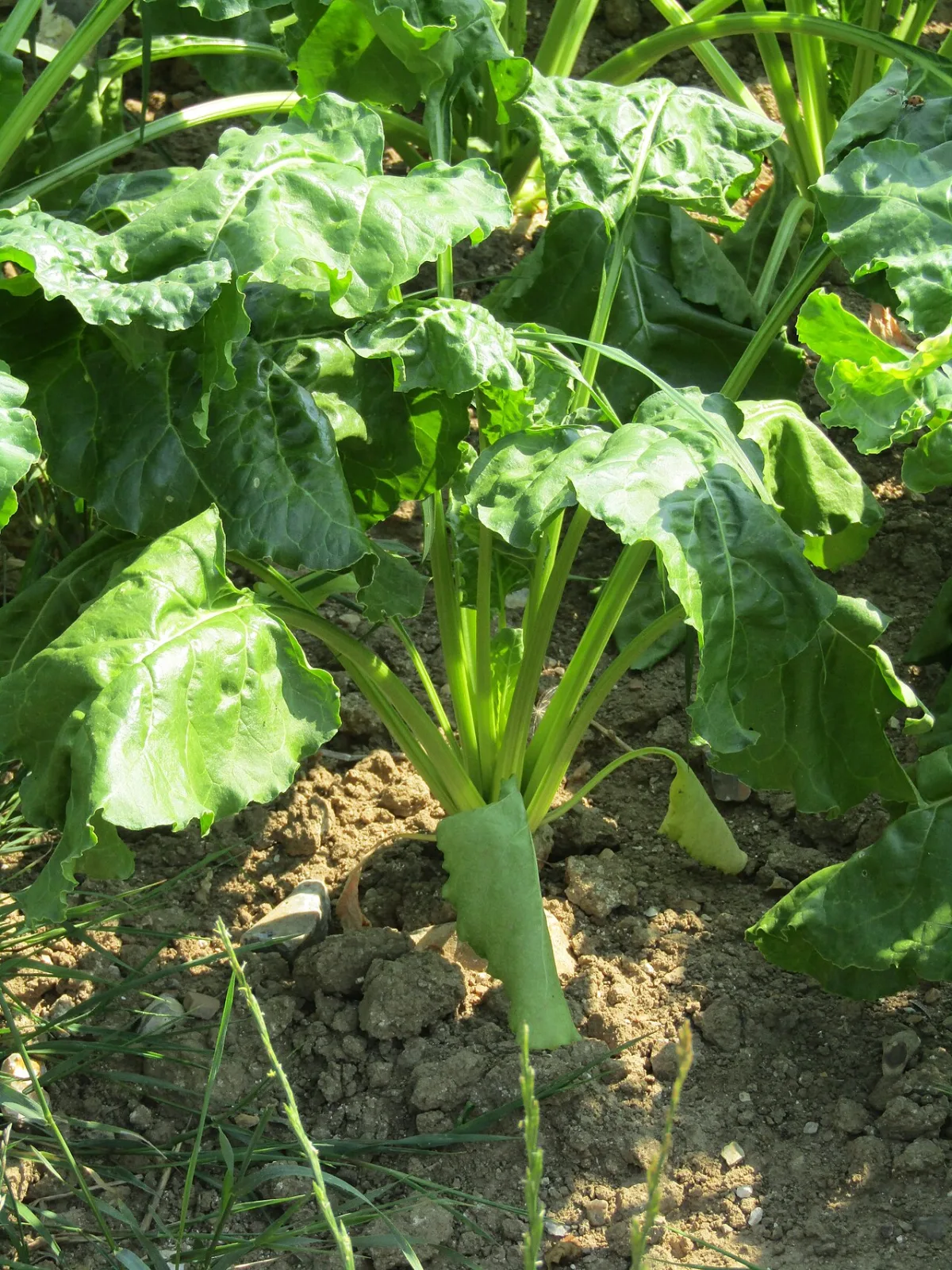
Forage production is a fundamental branch of agriculture that provides the food base for livestock. For an agronomist and a crop production specialist, the competent organization of a forage base is a complex technological process that requires a deep understanding of plant biology, principles of rational crop rotation, and effective soil fertility management. Proper selection of crops, adherence to cultivation techniques, and optimization of fertilizer application systems allow for achieving high yield and the necessary nutritional value of products, which directly affects livestock productivity.
This compilation brings together materials covering the full cycle of working with forage crops: from field placement and cultivation specifics of perennial grasses, legumes, and tuber crops to modern harvesting technologies. Readers will find information here on the biochemical composition of plants, principles of optimizing mineral nutrition, as well as an overview of current technical solutions for mowing and shredding forage. The articles contain practical recommendations on sowing rates, agrotechnical practices, and forage classification, which are necessary for increasing the efficiency of work in farm-based crop rotations.