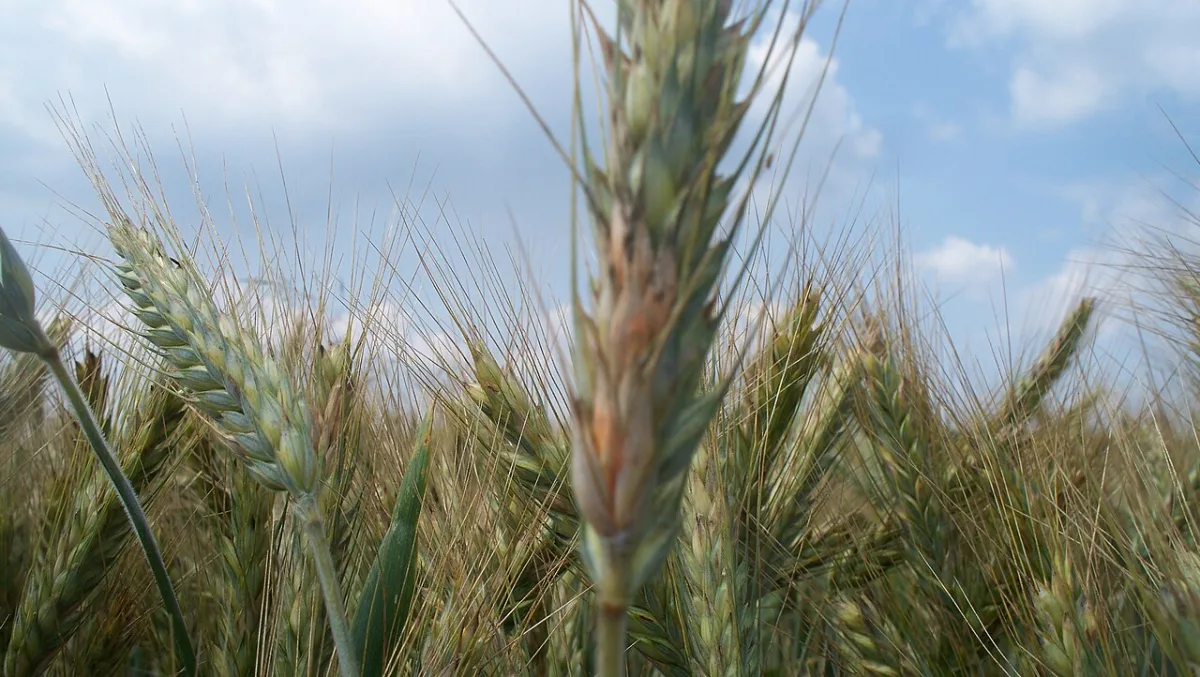
Green feed and forage production form the basis of the livestock sector's productivity, directly influencing the farm's economic efficiency. The correct choice of crops, such as annual grain legumes, rapeseed, maize, or triticale, requires a deep understanding of their biological characteristics, as well as agrotechnical requirements for soil and mineral nutrition. Using high-quality plant resources, combined with a competent approach to enriching the soil with organic fertilizers, including liquid manure, is a necessary condition for ensuring a stable forage base and maintaining the soil fertility of agricultural lands.
This collection gathers materials covering key aspects of modern plant cultivation. Readers will find detailed characteristics of promising forage crops, principles of organizing crop rotation, and methods for optimizing fertilizer application systems for various soil types. The articles contain practical recommendations on sowing rates, analysis of cultivar diversity, and management of plant growth processes, which will help agronomists and specialists in the field of agriculture make informed decisions to increase yield and improve the quality indicators of products under intensive farming conditions.