
Cultivation characteristics and economic value of sugar-storing and starch-storing crops
5 min read
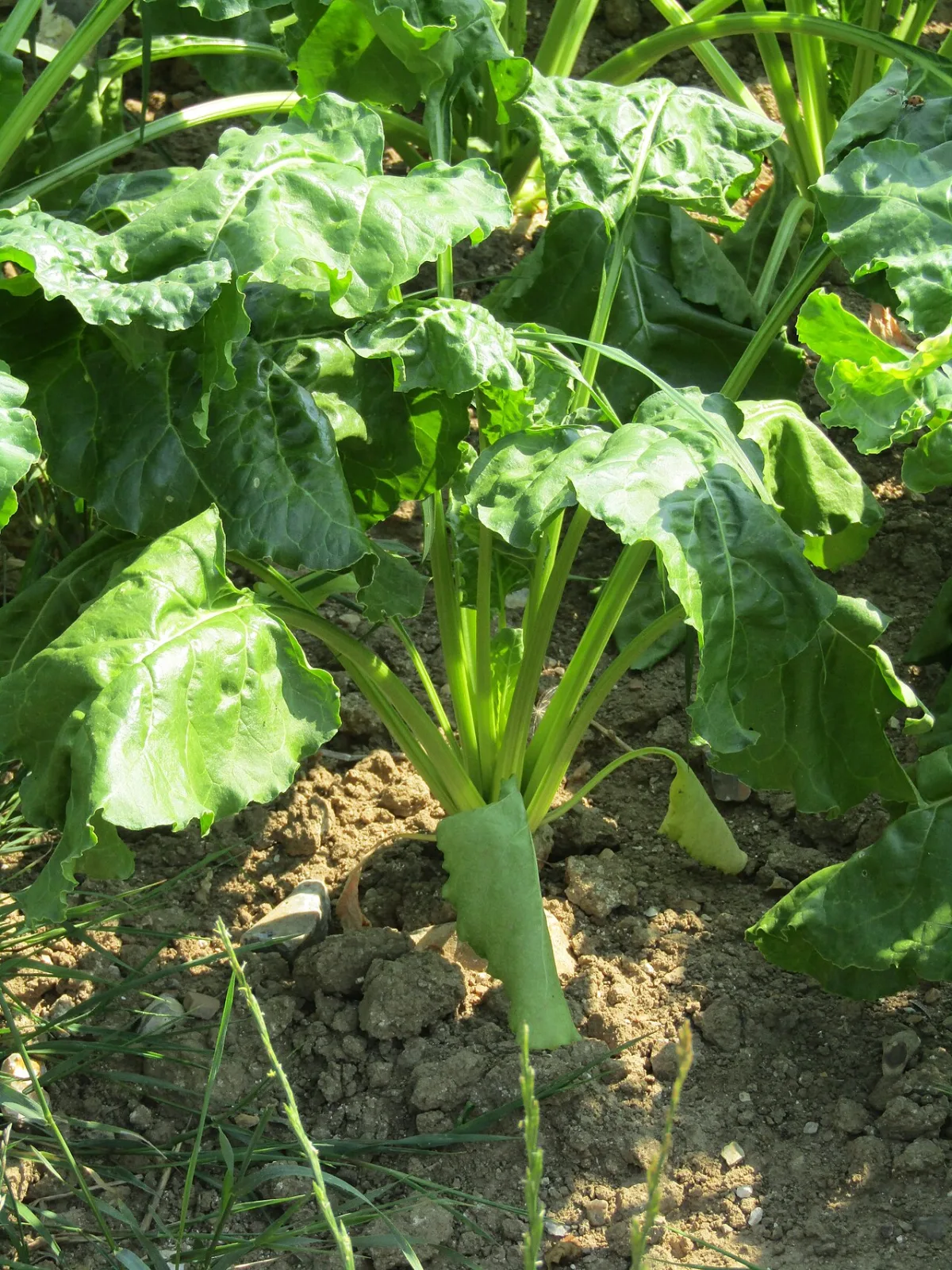
Starch- and sugar-storing crops belong to different botanical families but are united by common cultivation practices and the properties of their harvested products. As row crops, they play an important role in crop rotation and in improving the overall standard of farming. The primary value of these crops lies in their high accumulation of carbohydrates — starch and sugar.
Tubers and root crops contain a lot of water and no more than 30% dry matter. Because of this, they are not suited for long-term storage under ordinary conditions and do not transport well over long distances.
Biological characteristics and geography of root crops
Potato holds the lead in planting area and gross yield among all tuber crops. Other heat-loving crops, such as sweet potato (Ipomoea batatus Lam.) of the Convolvulaceae family, are currently being tested and introduced into production in Azerbaijan, Kazakhstan, and Central Asian countries. At the same time, the cultivation of cassava, colocasia (taro, eddo), and yam in CIS conditions is impossible due to a pronounced deficit of heat and light. Jerusalem artichoke (topinambur) is currently grown on a limited scale.
Biennial root crops, including sugar beet, fodder beet, carrot, swede, and turnip, are widely distributed in production. In the first year of life, they form a succulent root, and in the second year, they develop flowering shoots to produce seed. Sugar beet serves as technical raw material for sugar processing and fodder purposes, while other root crops are grown primarily for livestock feed.
High productivity makes root crops a valuable source of succulent feed, rich in carbohydrates, vitamins, and mineral salts. In addition to the roots themselves, the tops are actively used in animal husbandry in fresh, dried, or ensiled form. In terms of crude protein, calcium, and vitamin concentration, the leaf apparatus even exceeds the roots.
- Root crop yield — 300–600 c/ha
- Tops yield — 30–35 % of root mass
- Sucrose content in cane — 18–20 %
- Global area under sweet potato — 12.5 million ha
The main global sources of crystalline sugar remain sugarcane (Saccharum officinarum L.) and sugar beet (Beta vulgaris L.). Sugarcane accounts for almost two-thirds of global sugar production; however, this perennial plant of the Poaceae family requires a tropical climate. In Russia, CIS countries, and Europe, sugar beet is traditionally the main raw material for sugar refineries.
Potato: economic value and tuber composition
Potato is one of the most important agricultural crops and ranks alongside wheat, rice, and maize in production volume. About 52% of the gross harvest is used directly for food due to the high nutritional value of the tubers. Protein content in potato is relatively low, but in terms of digestibility, it exceeds most other vegetable and forage crops, second only to wheat and buckwheat proteins.
From a unit area of a potato field, one can obtain three times more dry matter than when growing cereal forage crops.
Potato tubers contain about 25% dry matter and are an important source of vitamins C, B1, B2, B6, PP, and K. Potato protein is distinguished by a balanced composition and includes 18 amino acids. In terms of energy value, this crop significantly exceeds most popular vegetables.
Chemical composition of potato tubers:
- Starch — 14–22 %
- Proteins — 1.4–3 %
- Fiber — about 1 %
- Fats — 0.2–0.3 %
- Ash (macro- and microelements) — 0.8–1.1 %
Calorie values of potato in comparison with other crops:
| Comparison crop | Potato calorie excess |
|---|---|
| Tomatoes | 2 times |
| Cabbage | 3 times |
| Carrot | 4 times |
Thanks to its flavor, nutritional, and culinary qualities, potato has become a staple of daily use. About 700 culinary dishes can be prepared from potatoes. Its per capita consumption is (kg/year):
- Belarus — 175
- Poland — 144
- Ukraine — 138
- Russia — 127
- England — 99
- USA — 60
- Canada — 65
- Italy — 39
- Bulgaria — 32
Read next
Crop production For students
Economic significance and agrotechnical advantages of sugar beet
Crop production For students
Biological characteristics and agroclimatic conditions for growing forage beet

Agrochemistry For students