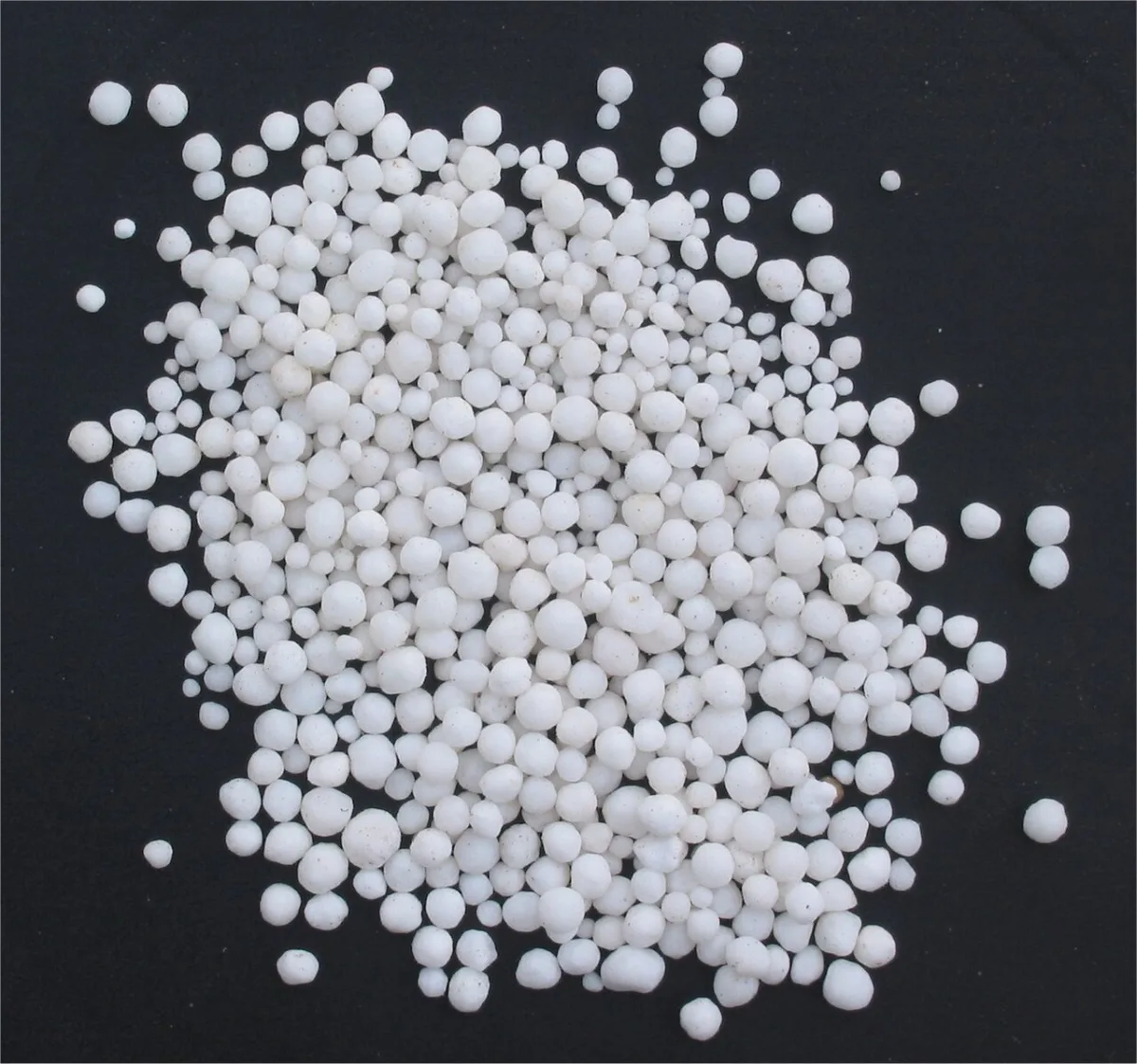
Magnesium sulfate is a vital element of plant mineral nutrition, playing a key role in the physiological processes of crop development. Magnesium is necessary for chlorophyll synthesis and enzyme activation; therefore, its deficiency directly affects yield productivity and quality. It is important for agronomists and home gardeners to understand the chemical properties of this compound in order to correctly integrate it into the general fertilizer system, avoiding nutrient imbalances in the soil or greenhouse substrates.
The presented selection contains materials that will help systematize the approach to using magnesium-containing fertilizers. Readers will find detailed information on the specifics of applying various fertilizer forms, including epsomite and kieserite, and will also become familiar with the agrochemical analysis methods necessary for precise nutritional adjustment. In addition, the articles contain practical recommendations for nutrient application, taking into account the growing season phases of key crops, such as tomatoes and flowers, which will allow for optimizing agrochemical costs and providing plants with a balanced diet at all stages of growth.