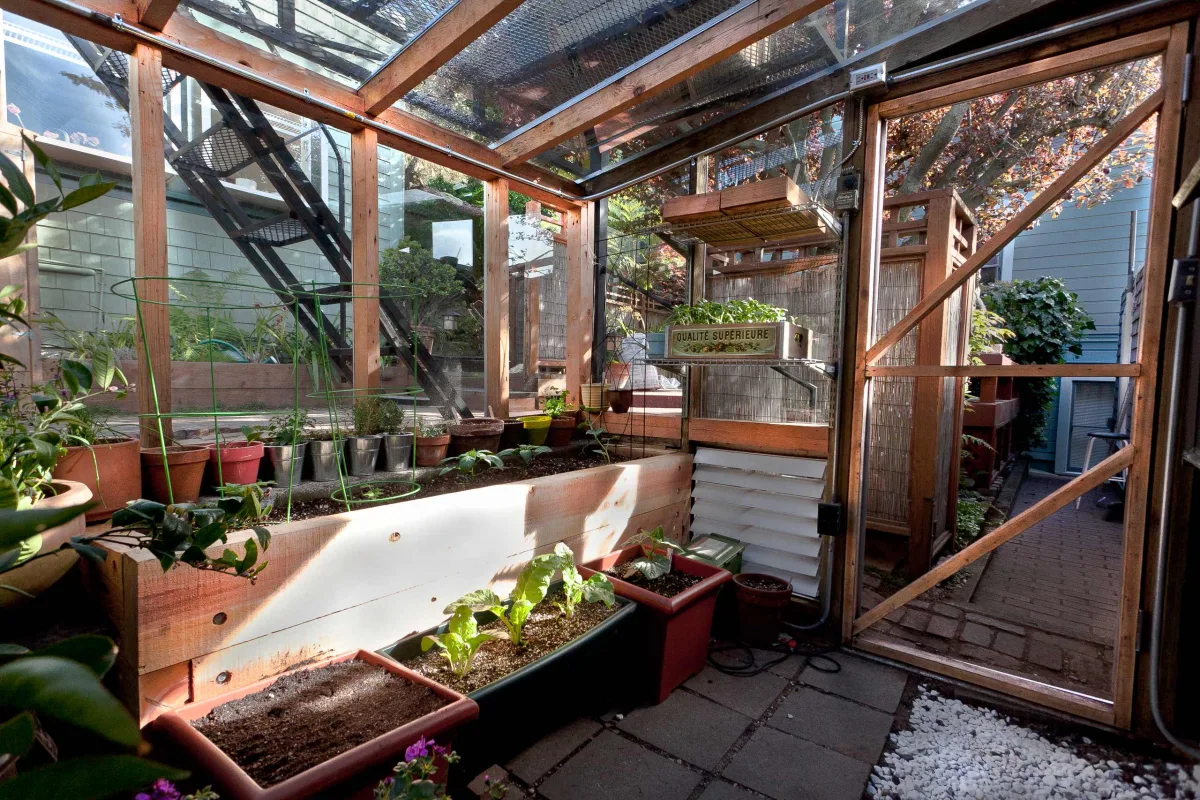
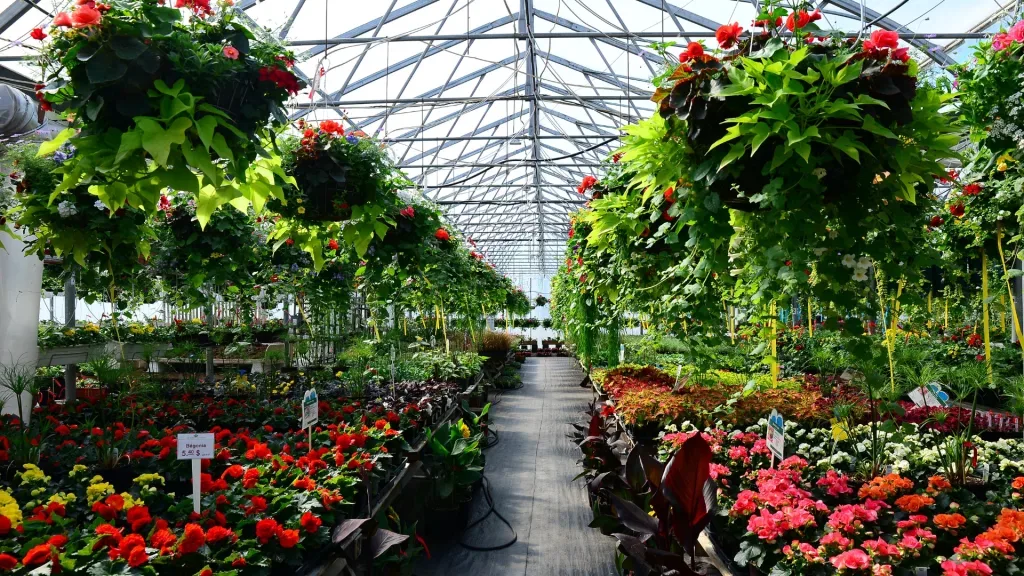
Sowing seed is a critically important stage of the agrotechnical cycle, determining the future productivity of crops and the efficiency of production resource use. The quality of seed material, adherence to schedules, preparation of optimal substrates, and maintenance of conditions in protected soil are fundamental factors influencing plant development at early stages. Mastery of seedling cultivation technologies allows for the intensification of vegetable production, ensuring high yields in various climatic conditions.
This collection contains materials covering key aspects of working with crops: from the methodology of cultivating transplants of eggplants, tomatoes, and early white cabbage to the agrochemical analysis of greenhouse substrates. Readers will find here recommendations on choosing bell pepper cultivars for greenhouses, a scientific rationale for the biological characteristics of rapeseed, as well as an overview of the transplant method as the foundation of modern vegetable production. The presented information is structured to assist agronomists and specialists in planning sowing campaigns, selecting nutrient mixtures, and optimizing crop nutrition systems to achieve consistently high yield indicators.