Practice · 13 articles

Grafting

Grafting is an essential technological technique in agronomy that allows for the combination of the best properties of a scion and a rootstock to improve the qualitative characteristics of plants. For professional agronomists and gardeners, this method is a key tool in managing winter hardiness, protecting crops from dangerous soil-borne pathogens, and accelerating the onset of the fruiting phase. Mastering the grafting technique ensures high productivity of plantations and allows for effectively addressing issues of vineyard restoration and the propagation of rare plant cultivars.

This collection gathers materials covering a wide spectrum of methodologies: from the physiological foundations of tissue union and the biological compatibility of components to practical techniques for working with fruit trees, grapes, vegetable crops, and even queen bees. The reader will find detailed guides on the selection and preparation of scions, top-working technologies on framework trees, as well as methods for protecting crops from root rot and viral infections. The articles combine theoretical knowledge of vegetative propagation with practical recommendations for creating and improving planting material in nurseries and under cover.

Pruning and training For agronomists

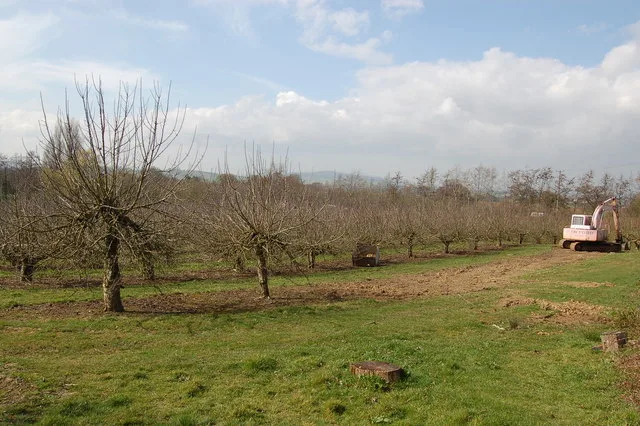
Technology of top-grafting fruit trees using framework builders

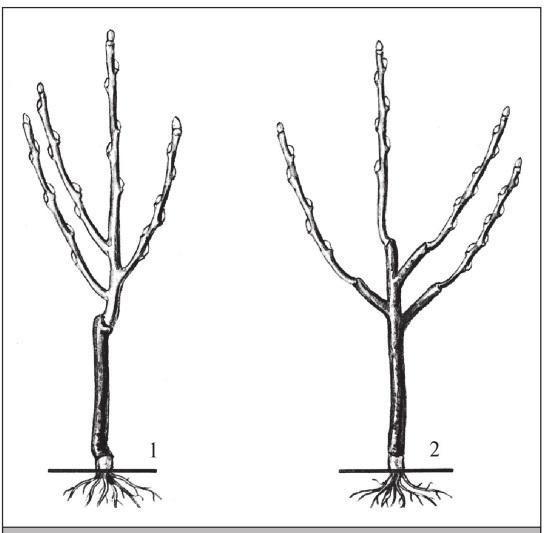
Top-grafting onto winter-hardy framework builders allows to increase tree winter hardiness and accelerate the first harvest. The article describes the rules for rootstock preparation, scion selection, and the technique for making quality cuts

Planting and propagation For agronomists

Biological compatibility of scion and rootstock in pomiculture

The article examines the criteria for biological compatibility of grafting components in pomiculture. The authors analyze the nature of incompatibility and prove that botanical proximity of cultivars is not the sole guarantee of successful union.

Plant protection For agronomists

Tomato grafting methods for protection against soil-borne pathogens

Tomato grafting is an effective method of plant protection against dangerous vascular diseases and root rots. The article examines technologies for joining the scion and rootstock, as well as recommendations for plant care to prevent infections in a greenhouse

Planting and propagation For agronomists

Grafting and clonal micropropagation technologies for fruit crops

The article examines the physiological conditions of rootstock and scion union during grafting, as well as the principles of mass production of pathogen-free nursery plants using the clonal micropropagation method in laboratory conditions

Beekeeping For students

Methods for rearing highly productive queen bees in the apiary

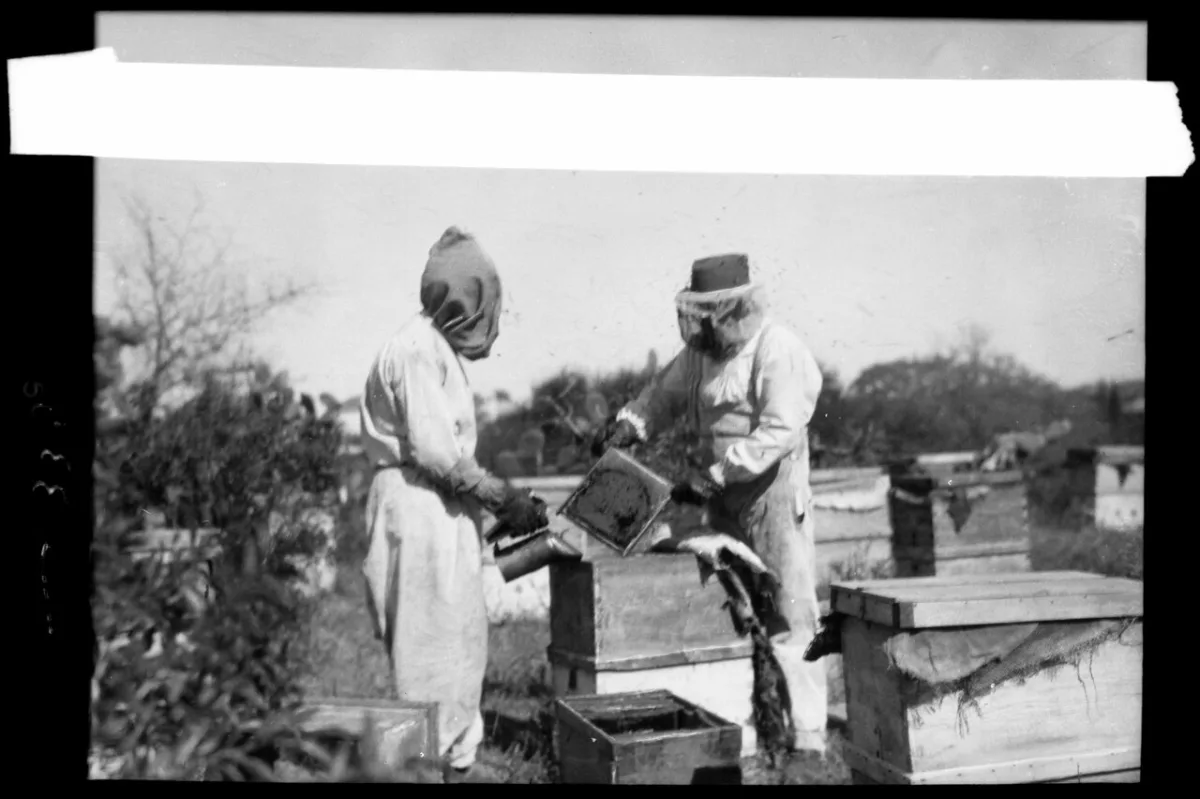
The article discusses the biological foundations of natural queen rearing and key techniques for artificial queen production. You will learn about the rules for preparing cell-builder colonies and methods for selecting larvae to provide the apiary with high-quality young queens.

Plant protection For agronomists

Grey and black rot of cucumber in greenhouse conditions

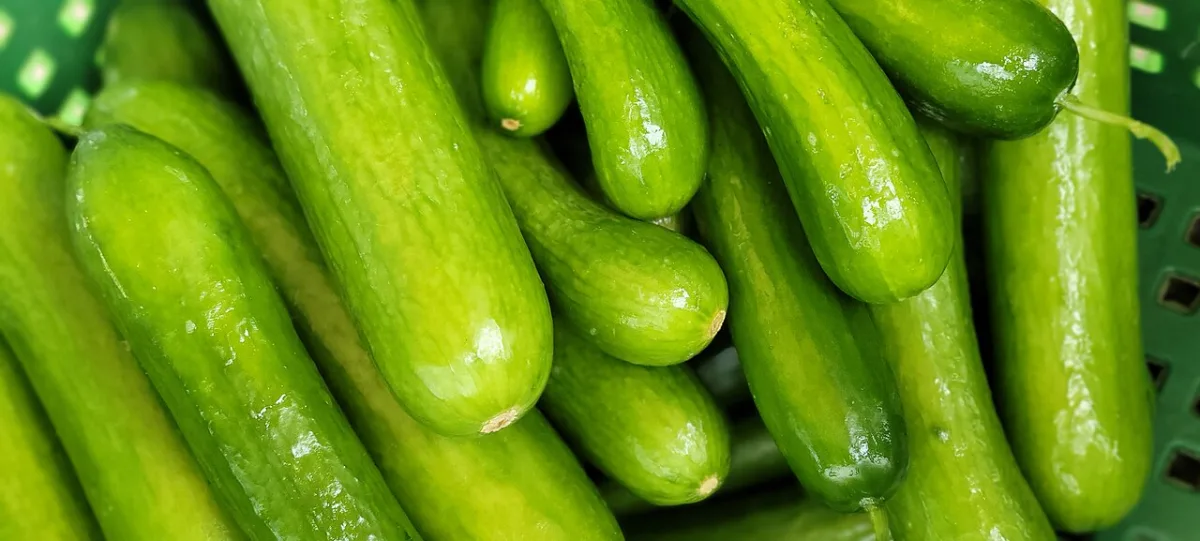
The article examines the development features of grey and black stem rot on cucumbers. You will learn about disease diagnostics and agrotechnical control measures to prevent epiphytotics in greenhouses

Plant protection For agronomists

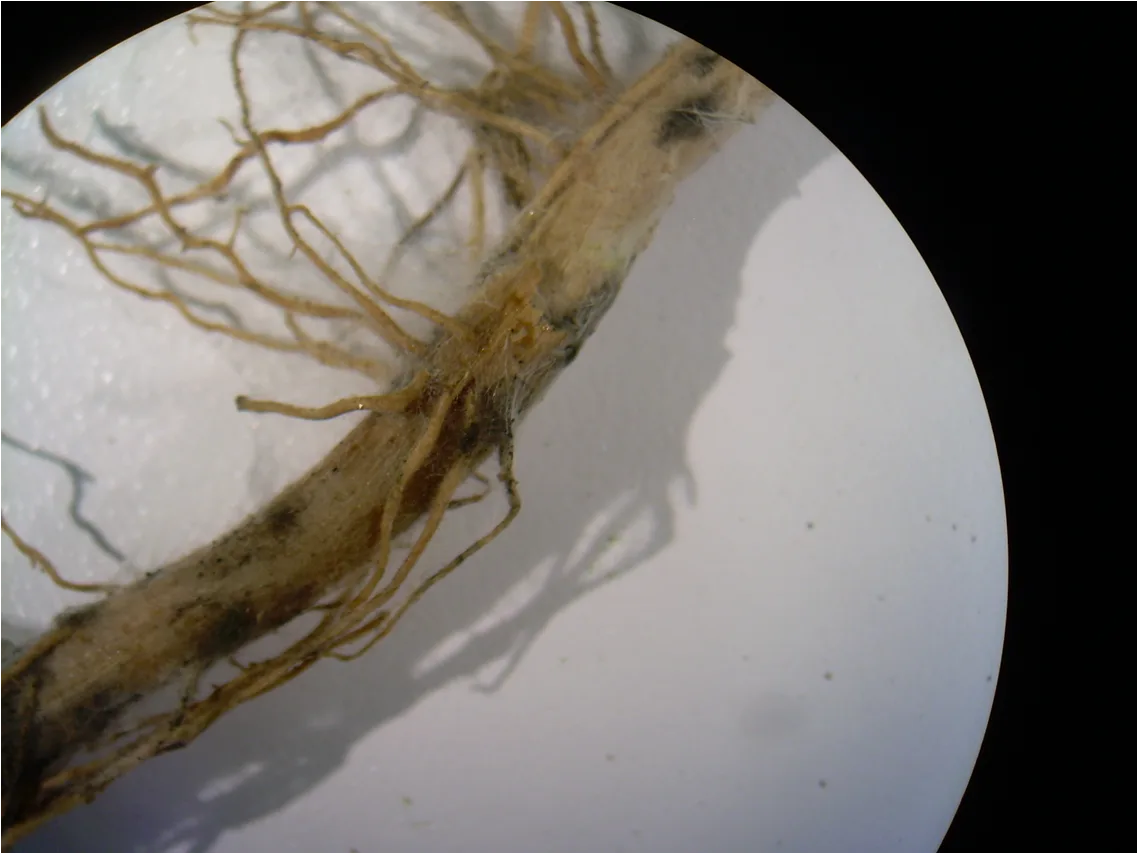
Diagnostics and plant protection methods against root rot of cucumber

The article examines the characteristics of cucumber root rot pathogens, methods for increasing crop resistance to pathogens, and a complex of preventive measures for plant protection. Readers will learn about the role of grafting, hybrids, and agricultural practices in combating the disease