
Diagnosis and methods of cucumber protection against root and basal rots
7 min read
Root and basal rots of cucumber are a dangerous group of diseases that affect the crop both in nurseries and at the fruiting stage. As plants age, the intensity of the infection increases, threatening harvest losses. Symptoms depend on the age of the cucumbers and the specific pathogen, so it is important for an agronomist to be able to accurately diagnose the cause of wilting in order to select a treatment plan.
How to identify the rot pathogen
When growing transplants, the first signs of the disease are the darkening and grey-green hue of young leaves, stunted growth, and wilting in the sun. The main pathogens are the fungus Phomopsis sclerotioides (black root rot), Pythium species, and Phytophthora, as well as Rhizoctonia solani. Sometimes Olpidium sp. is found in discolored roots, but its role as a primary pathogen has not been confirmed. When infected by Pythium and Phytophthora species, cucumber roots remain brown and do not turn black.
Phytophthora basal rot (various Phytophthora species) more often affects the mature crop, forming dark brown and black oozing spots that spread to the roots. Rhizoctonia rot (Rhizoctonia solani) usually appears on transplants as dry light-brown spots on the root collar, with brown mycelium visible under a magnifying glass. Soil-borne bacteria cause a specific disease with vertical root growth above the substrate. In the case of mechanical damage or stem burns, soft rot bacteria also cause secondary wet rot.
Non-pathogenic rots develop due to adverse environmental conditions, after which the tissues are colonized by bacteria. Browning of the roots and peeling of the cortical tissue with the formation of hollow cylinders indicate waterlogging, poor aeration, or overheating of the soil during straw decomposition. Similar symptoms are caused by an excess of fertilizers, toxic concentrations of manganese, ammonium, or pesticides. Low air temperatures and a prolonged lack of sunlight also act as provoking factors.
- Cucumber cultivars resistant to rots — none
- Height of vertical root growth during bacteriosis — more than 1 cm
- Ratio of the mixture against wet rot (lime : sulfur : copper sulfate) — 10 : 3 : 1
Methods of protection and treatment of cucumber
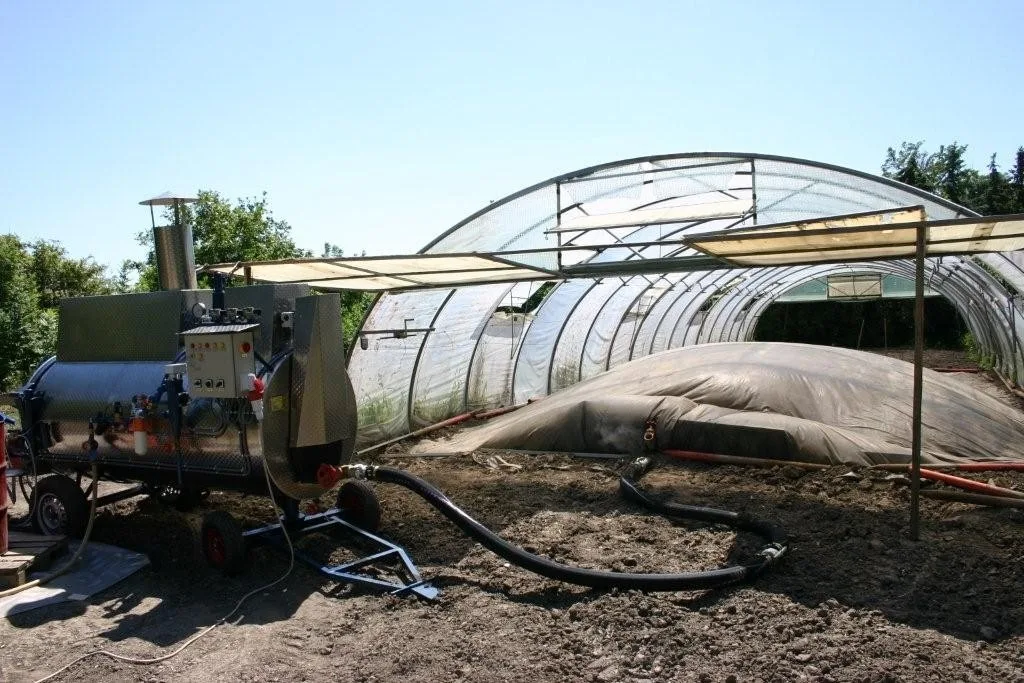
Cucumbers are extremely susceptible to basal rots, and protective measures are complicated by the low effectiveness of fungicides. The main preventive control method remains thermal steaming of the greenhouse soil. To prevent non-pathogenic rots, it is sufficient to maintain high-quality soil drainage and a balanced nutrition regime. If the disease has already manifested, it is necessary to accurately determine the type of pathogen and carry out local treatments.
Against Pythium and Phytophthora fungi, etridiazole shows high effectiveness when incorporated into compost for transplants or applied via irrigation. In the fight against Rhizoctonia solani, quintozene is used to treat the soil where plants have died out before planting new transplants. Infections of black root rot Phomopsis sclerotioides are successfully suppressed by watering with benzimidazole group preparations.
The only effective control method for bacteriosis, which causes vertical root growth, is soil steaming.
Treating greenhouse soil with methyl bromide before planting transplants is ineffective against root rot pathogens.
- Remove diseased plants and treat the soil at the site of plant loss with the fungicide quintozene before planting new transplants.
- In case of secondary bacterial infection, apply a mixture of lime, fine sulfur, and copper sulfate in a ratio of 10:3:1 to the affected areas of the stems.
- Mulch the soil around the stems with disinfected peat, compost, or soil to stimulate the growth of new roots above the affected area.
- Reduce stress for the plants: completely remove all fruits and shade the greenhouse.
Read next
Plant protection For agronomists
The influence of soil conditions on pathogen development and plant protection
Plant protection For agronomists
Control of black rot and rhizoctonia during plant propagation by cuttings
Plant protection For agronomists