
The influence of soil conditions on pathogen development and plant protection
4 min read
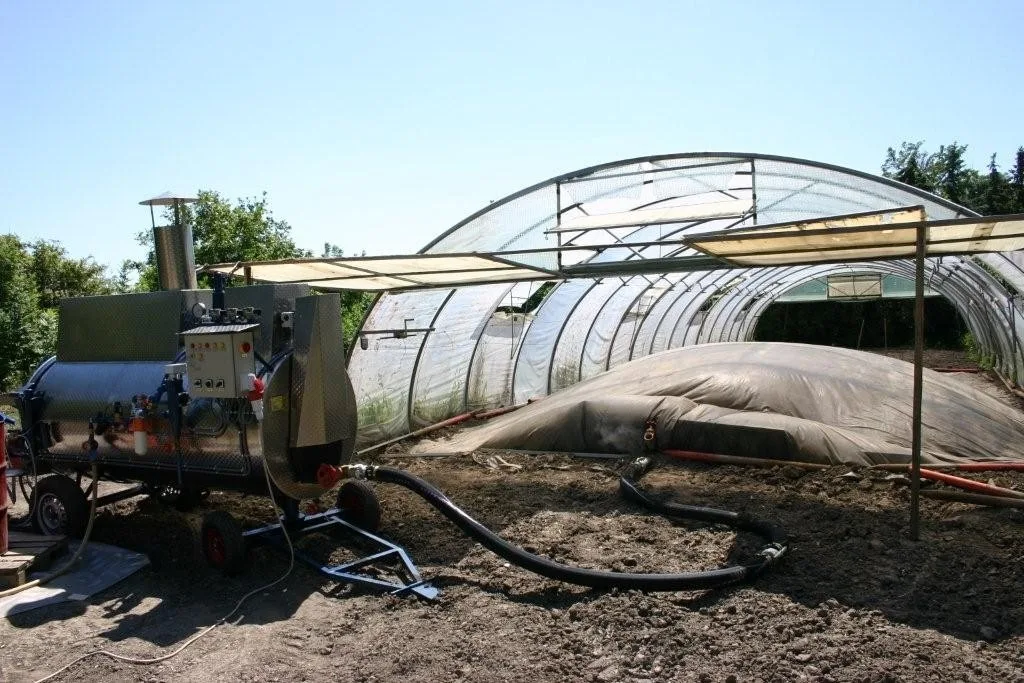
How soil type and humidity affect the behavior of soil-borne pathogens
The activity of soil-borne pathogens depends directly on the conditions in a greenhouse or in a field. The fungi R. solani, Pythium spp., Verticillium spp., Phytophthora cinnamomi and Pyrenochaeta lycopersici are capable of saprophytic growth in soil. Their development rate is determined by temperature, humidity and the type of soil — organic or mineral.
The fungus R. solani is most harmful in light and slightly dried soils, as these conditions are optimal for its growth. At the same time, Pythium and Phytophthora species develop rapidly in moist soil. Their spread depends not on the mycelium growth rate, but on the movement of motile zoospores with soil moisture, drainage or surface waters during excessive irrigation.
Please note: partial soil sterilization can have the opposite effect. R. solani and Ph. cinnamomi pathogens grow particularly actively in treated soil where natural antagonistic microorganisms have died off completely or partially.
Soil-borne pathogens cause either local root and root collar rots or systemic infections of the entire plant. For example, the root rot pathogen Pyrenochaeta lycopersici affects tomato roots locally: at the sites of penetration, the tissue turns brown, and large roots appear swollen and corky. This fungus colonizes tissues slowly, but at a high inoculum concentration in the soil, multiple lesions lead to severe root rot.
Symptoms of local rots are always tied to the zone of the pathogen's initial location. In experiments, when the inoculum was placed on one side of the root system, only this part was affected, even if the plant remained in the soil for many weeks. Symptoms are localized similarly when healthy transplants are planted in infested soil.
Protection strategy: disinfection and crop rotation in greenhouses
Pathogens of tomato vascular wilts (Fusarium and Verticillium) enter the plant through the roots at a single point below the soil surface and spread throughout the vascular system. Because of this, it is much harder to fight them than regular root rots. To reliably protect crops from vascular pathogens, higher efficiency of soil disinfection is required.
- Inoculum reduction for root rot control — 75%
- Efficacy against wilts with 75% cleaning — does not weaken
- Time for planting transplants after steaming or methyl bromide treatment — in a few days
The degree of plant infestation is closely related to the duration of the crop's growing season. Tomato and chrysanthemum cultivars with a short growing season suffer less from brown root rot and phoma rot even in untreated soil with a relatively high pathogen concentration. Conversely, crops with a long growing period (carnation, rose, cucumber) are more severely affected by diseases if the pre-planting soil preparation was not carried out thoroughly enough.
In monoculture greenhouses, the soil must be disinfected constantly. The only exceptions are year-round chrysanthemum plantations, where disinfection for a summer crop is less important. With crop rotation, pathogens also continue to develop, as short intervals between identical crops do not allow for a significant reduction in their numbers.
Soil-borne pathogens accumulate when intervals between identical crops are too short. In greenhouses, the following crop rotation schemes lead to this:
- alternation of tomato and one or two lettuce crops;
- cucumber alternation;
- annual rotation of all three crops.
The most effective reduction in the level of infestation is provided by the tomato — lettuce — lettuce scheme. In this case, fungicides can be used against soil-borne pathogens of lettuce, and for a short-term tomato crop, it is not at all necessary to achieve 100% soil disinfection. In any crop rotation, it is necessary to minimize the intervals between plantings so that the greenhouse operates for most of the year.
Short intervals between crops exclude the use of fumigants with a long dispersion period in the soil. Under such conditions, steaming or methyl bromide treatment is used, which allows planting transplants just a few days after disinfection.
Read next
Plant protection For agronomists
Diagnosis and prevention of root rots in tomato seedlings in greenhouses
Plant protection For agronomists
Methods and efficiency factors of soil disinfection in agricultural technologies
Plant protection For agronomists