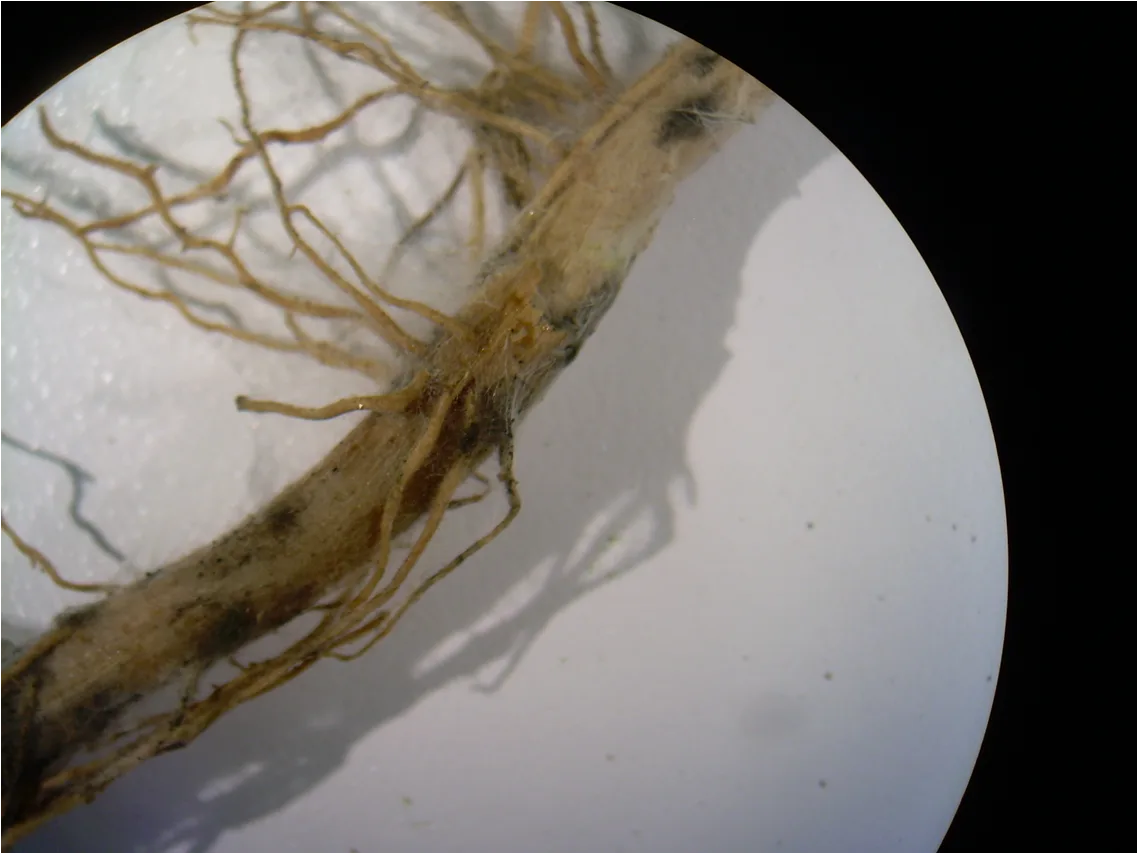
Soil-borne pathogens pose a serious threat to the productivity of vegetable crops, causing infectious diseases of the root system that can lead to significant harvest losses. For agronomists and home gardeners, understanding the mechanisms of the spread of these pathogens is a prerequisite for building an effective plant protection system. Controlling the pathogenic environment in the soil requires an integrated approach that combines agrotechnical practices with technological solutions for isolating crops from contaminated soil.
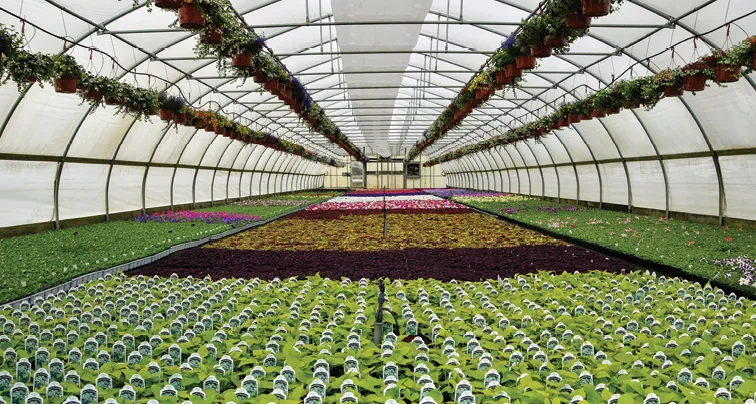
In this selection, we examine key strategies for countering soil-borne infections in protected ground conditions. You will learn about tomato grafting methods as a way to increase plant resistance, as well as the use of hydroponic systems and artificial substrates that completely eliminate contact with the soil. In addition, the materials present an analysis of the relationship between the ripening stages of greenhouse crops and the intensity of disease development. This knowledge will help professionals and enthusiasts more accurately identify critical periods for carrying out protective measures and optimize costs for maintaining plant health.