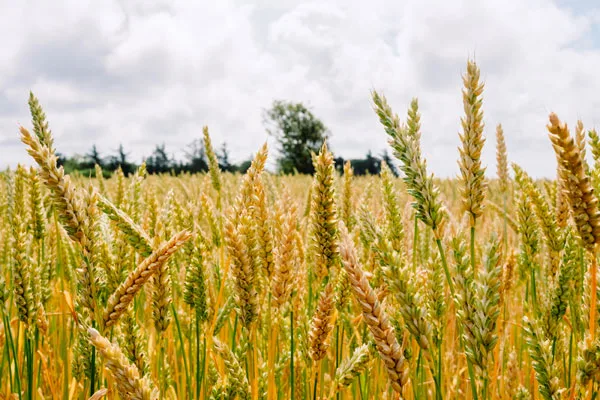
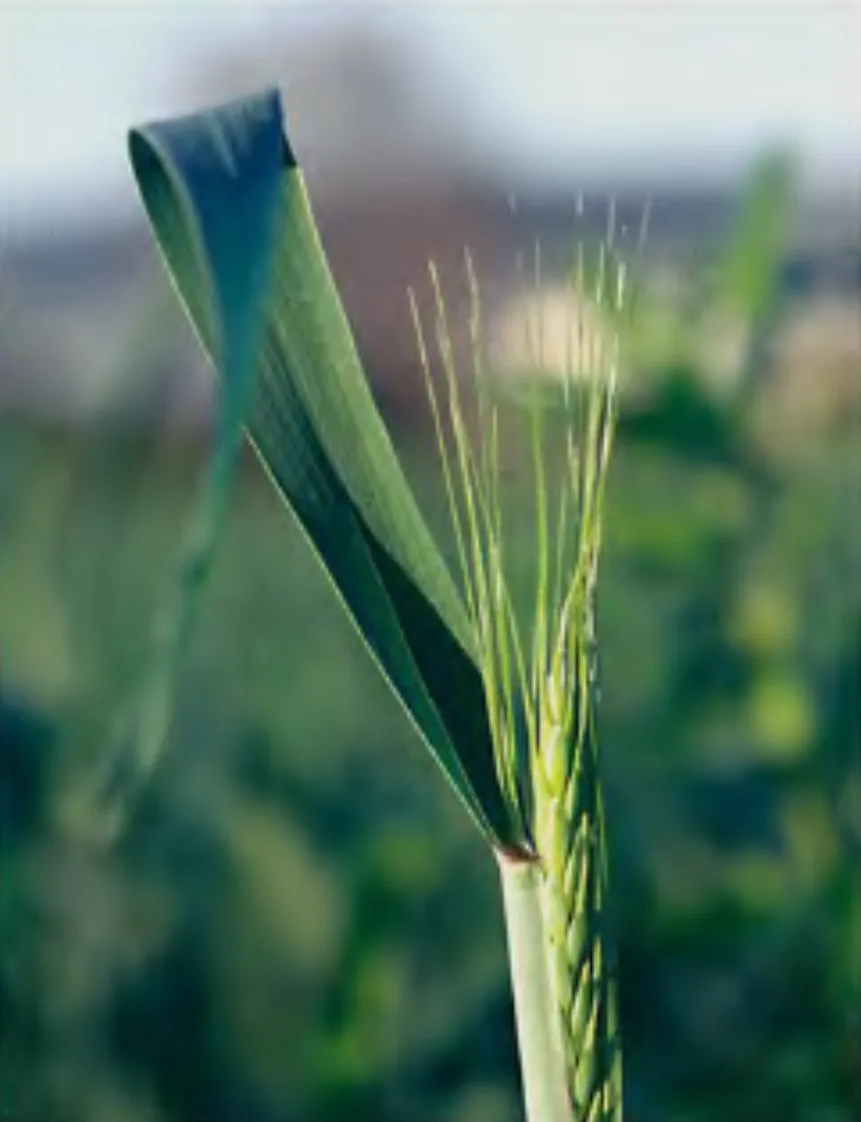
Winter grain crops form the foundation of crop production productivity, ensuring stable yields through the efficient use of the autumn-winter period. Understanding the biological characteristics of these cereals, their developmental physiology, and the specifics of their cultivation is a key condition for building sound agrotechnology. Maintaining a balance between the quality of seed material, soil preparation, and plant protection measures allows for minimizing risks associated with adverse environmental conditions and laying the foundation for high production profitability in the following season.
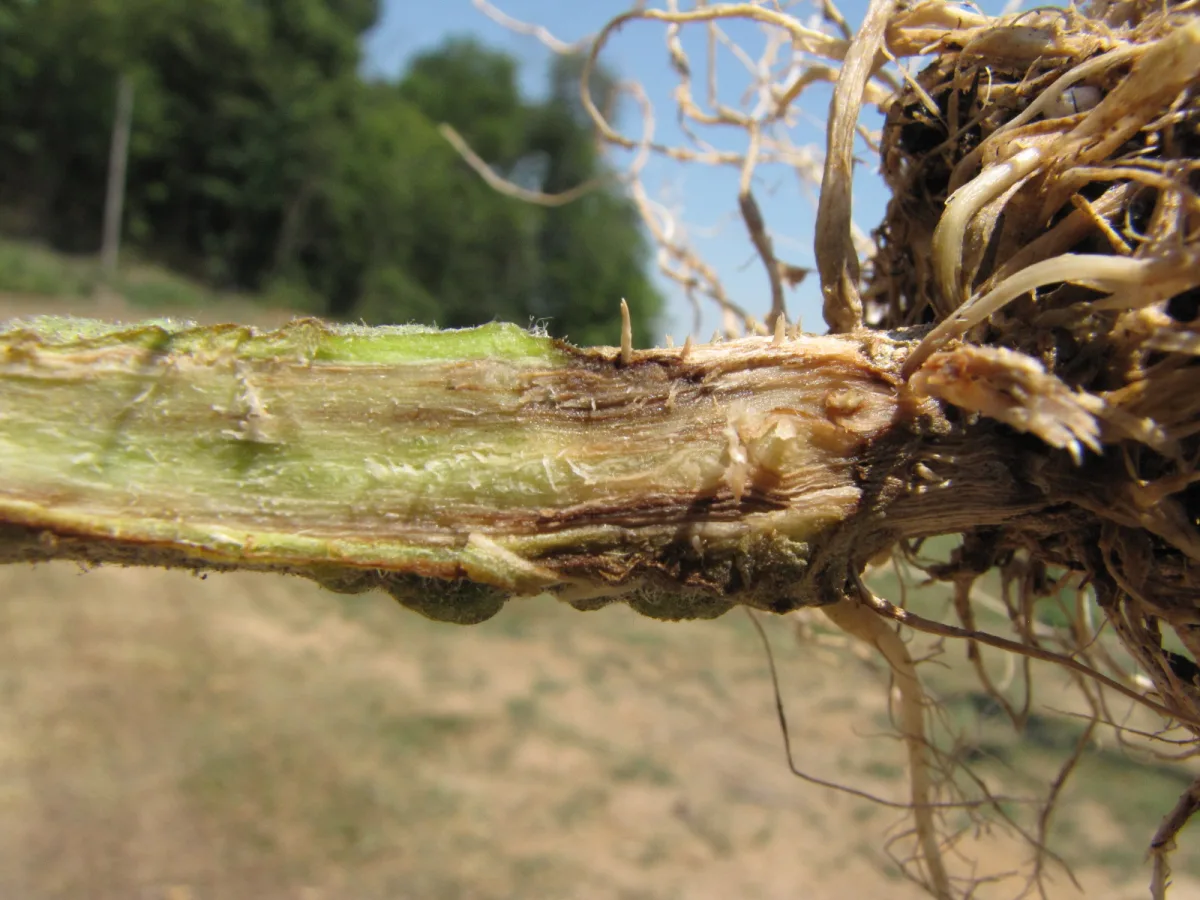
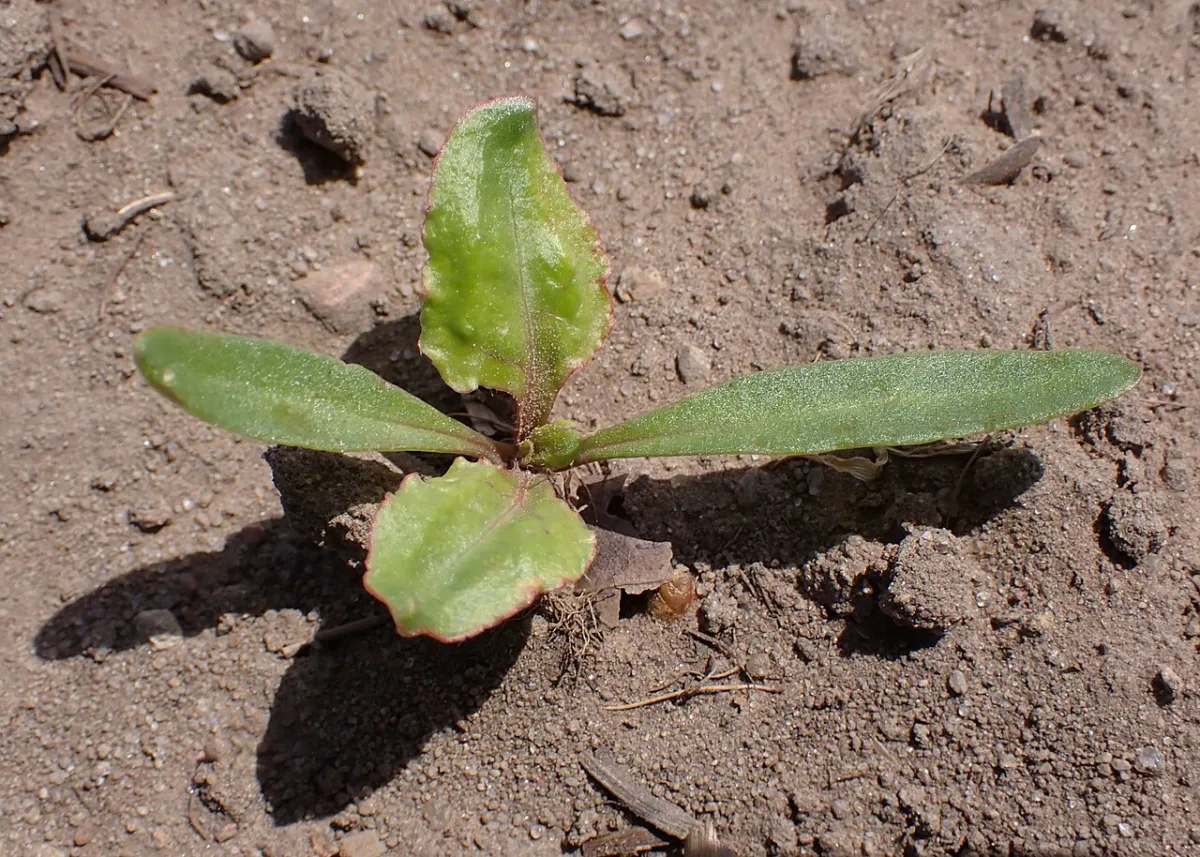
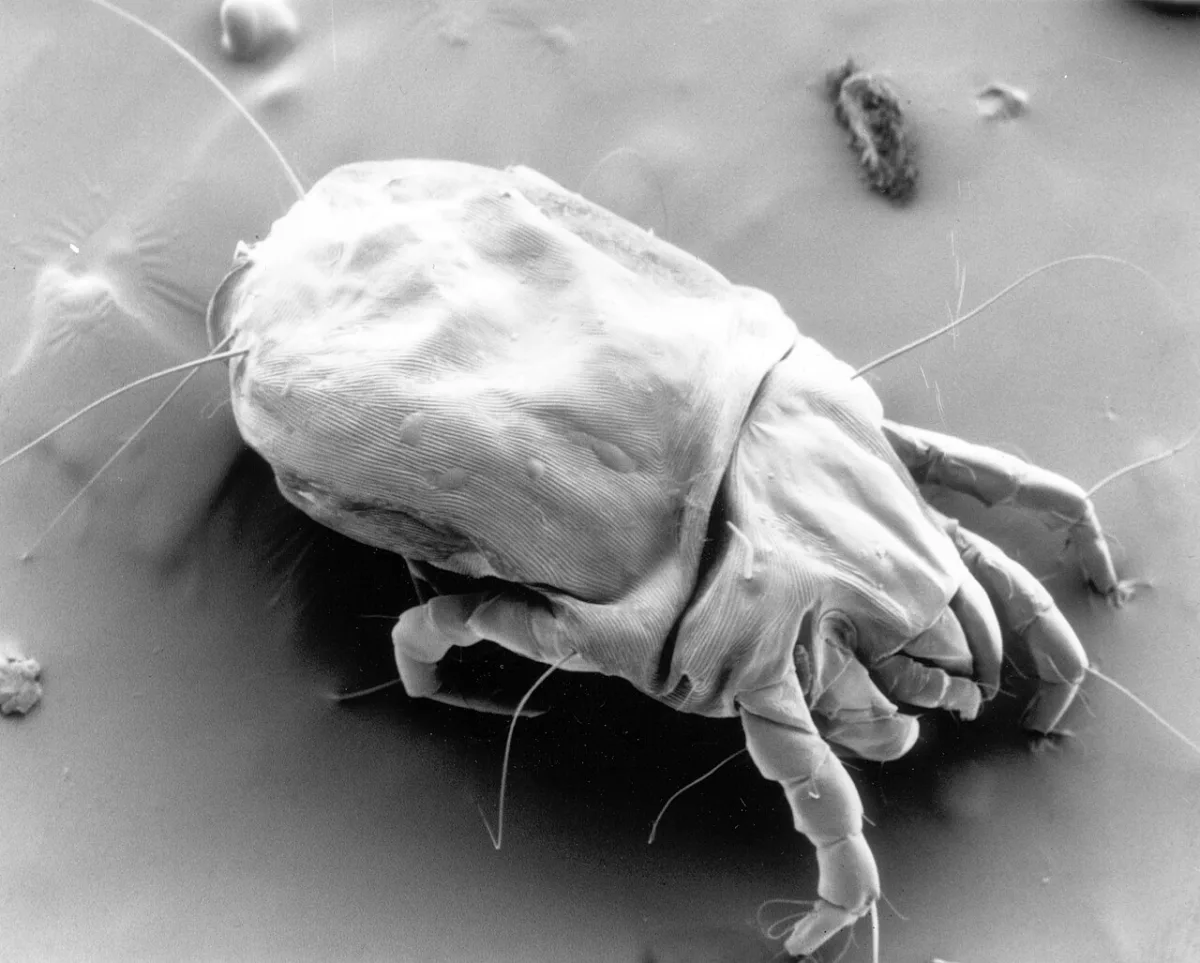
This collection gathers materials covering important aspects of working with grain crops. Readers will find information here on the classification of cereals and technological methods for their cultivation, and will also be able to familiarize themselves with an analysis of the impact of hydrothermal conditions on the development of dangerous pathogens, such as eyespot and Fusarium root rots. Special attention is paid to issues of preserving the sowing qualities of seed, including the monitoring of infestation by storage pests. The publications will help specialists and practitioners deepen their knowledge of plant protection and the principles of optimizing conditions to obtain a high-quality harvest.