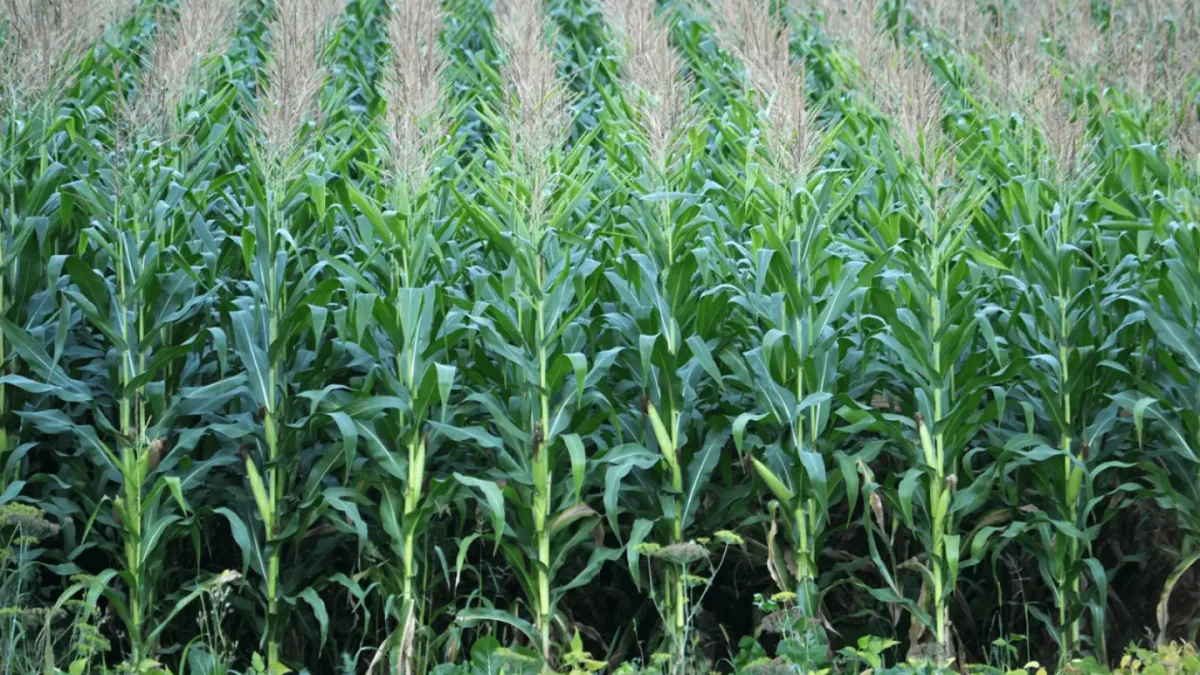
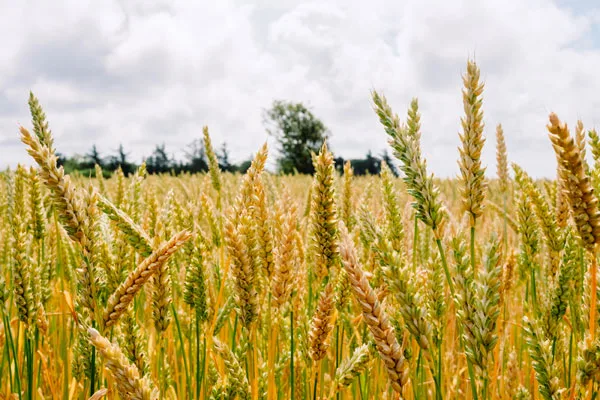
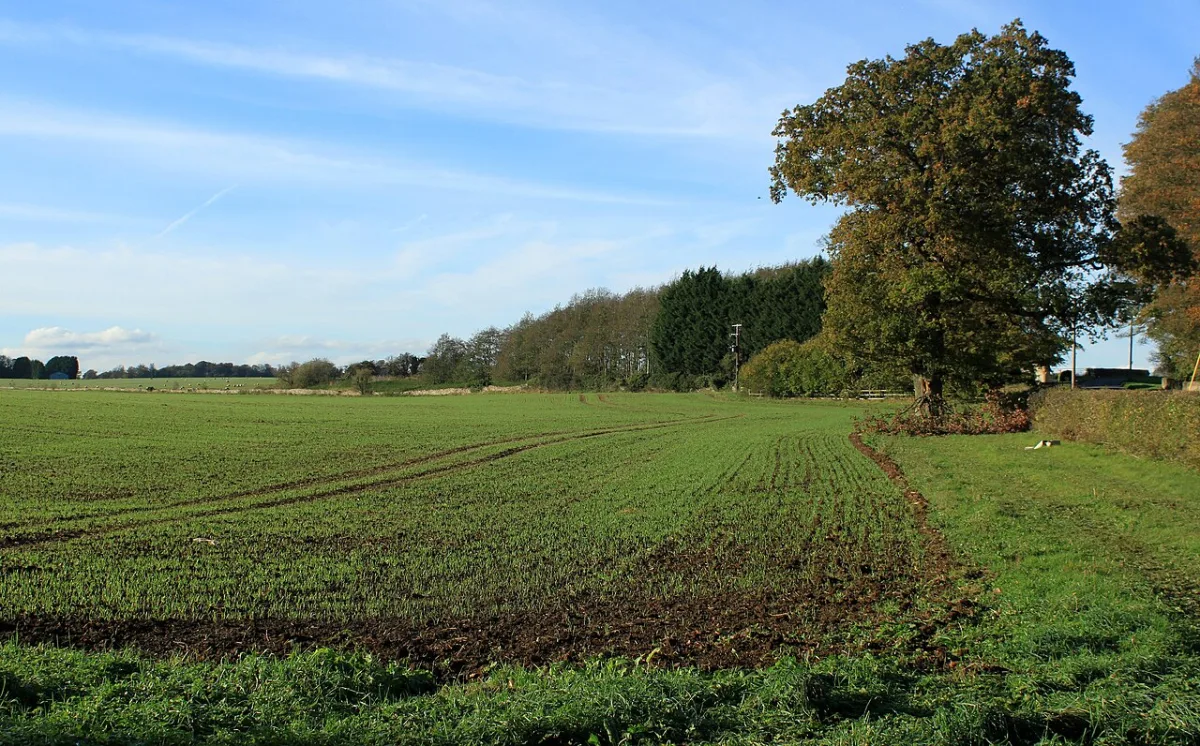
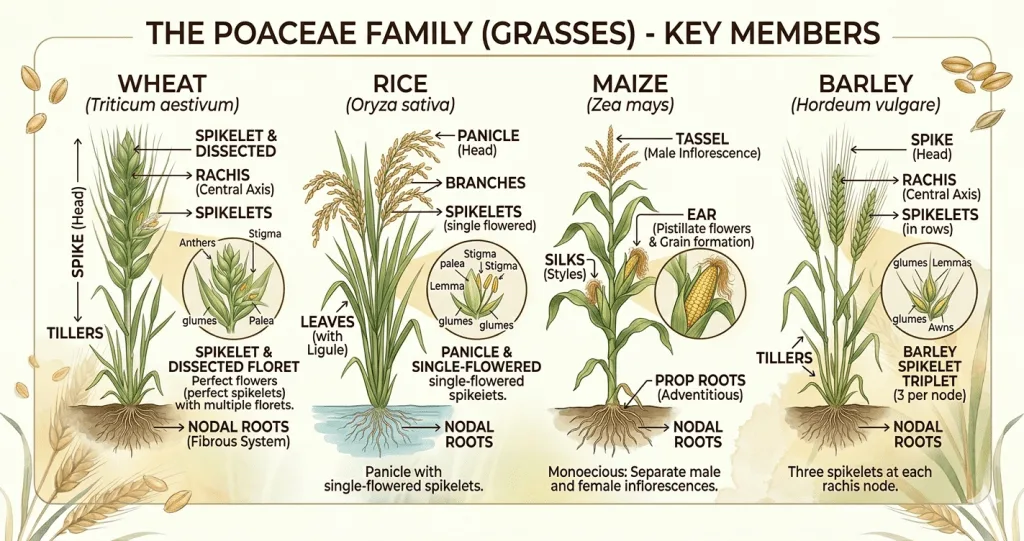
Winter crops occupy a strategic place in plant production, ensuring high productivity through the rational use of moisture during the autumn-winter period. The success of growing these plants directly depends on understanding the biological patterns of their development, including the stages of ontogeny and organogenesis. For an agronomist and a practitioner, it is important not only to possess basic knowledge of cereal classification but also to be able to adapt cultivation technologies to specific conditions, taking into account the characteristics of predecessors and the physicochemical state of the soil.
In this selection, we have systematized materials covering the full cycle of preparation for the sowing campaign. You will find expert recommendations on tillage after row crops, an analysis of the advantages of minimum tillage technology, and the shift away from traditional mouldboard ploughing. Special attention is paid to moisture conservation methods and effective pre-sowing preparation techniques that create optimal conditions for uniform seed emergence. This knowledge will help optimize production processes and lay the foundation for obtaining a high-quality harvest of winter grain crops.