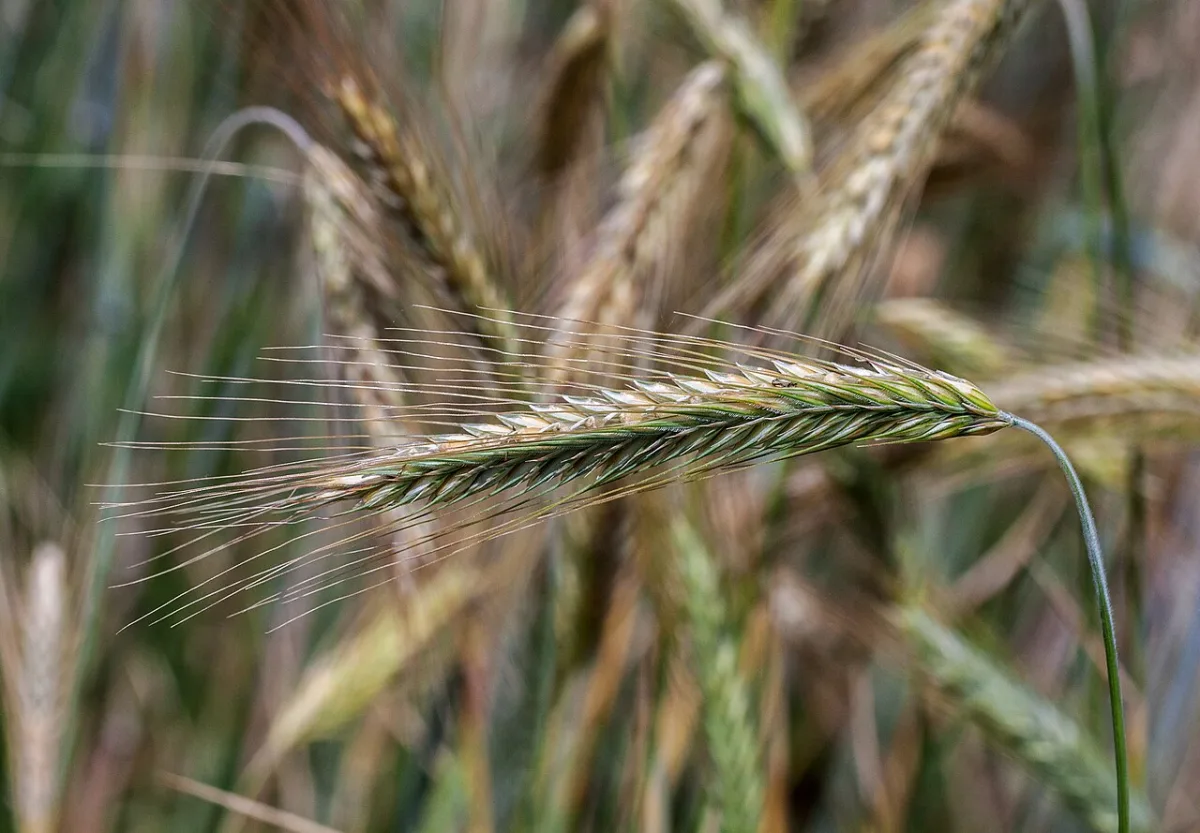
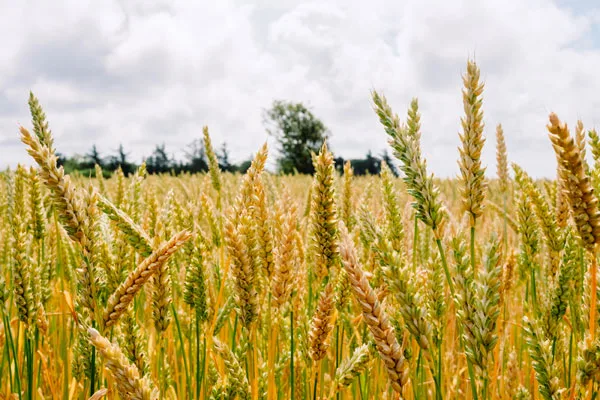
Winter rye traditionally occupies a significant place in global agriculture, being a strategically important crop for ensuring food security and the needs of livestock. Understanding the biological characteristics of this crop, as well as the patterns of its development in comparison with other cereals, is necessary for building a competent cultivation strategy. Stable rye yield directly depends on nutrition technologies, adherence to fertilizer application systems, and the maintenance of soil fertility, including the competent use of the potential of organic stubble and root residues.
This collection of materials is structured in such a way as to provide agronomists and practitioners with comprehensive information on key aspects of working with winter crops. Readers will find here information on the economic importance of rye, a detailed analysis of cultivation technologies and grain classification, as well as scientifically grounded approaches to plant nutrition management. Special attention is paid to biomass accumulation processes and their impact on soil fertility reproduction, which will help specialists optimize production processes and increase the efficiency of farm management.