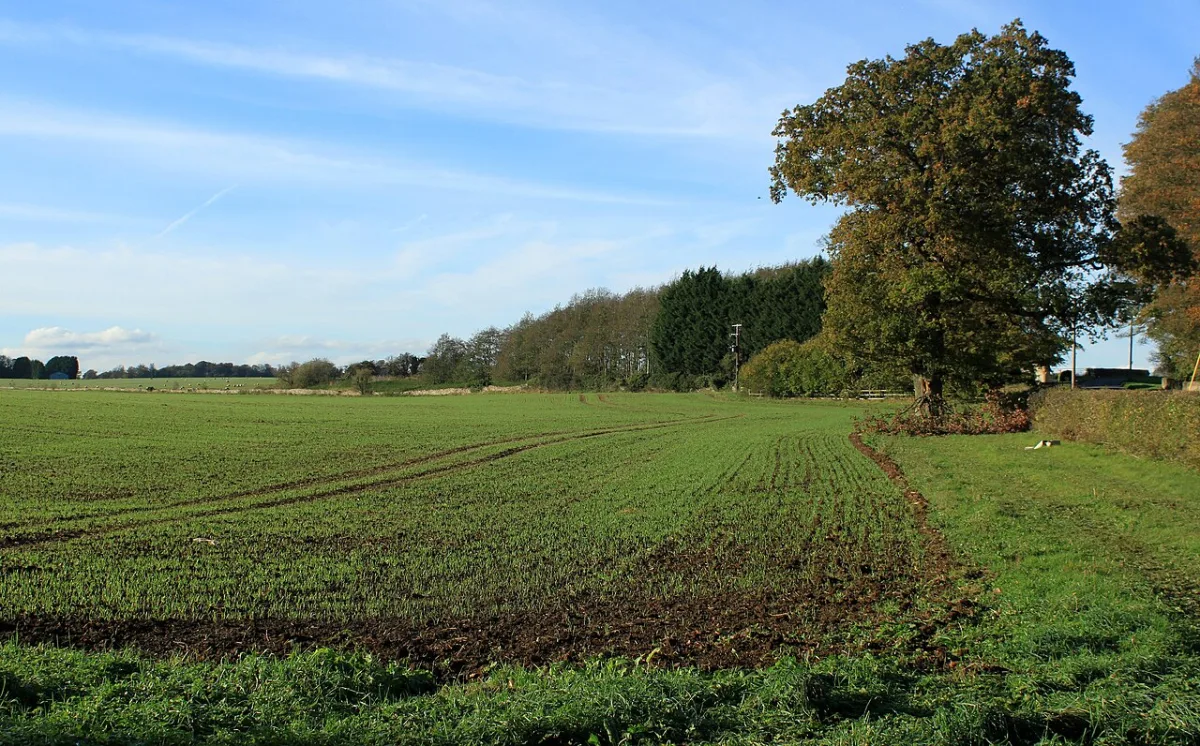
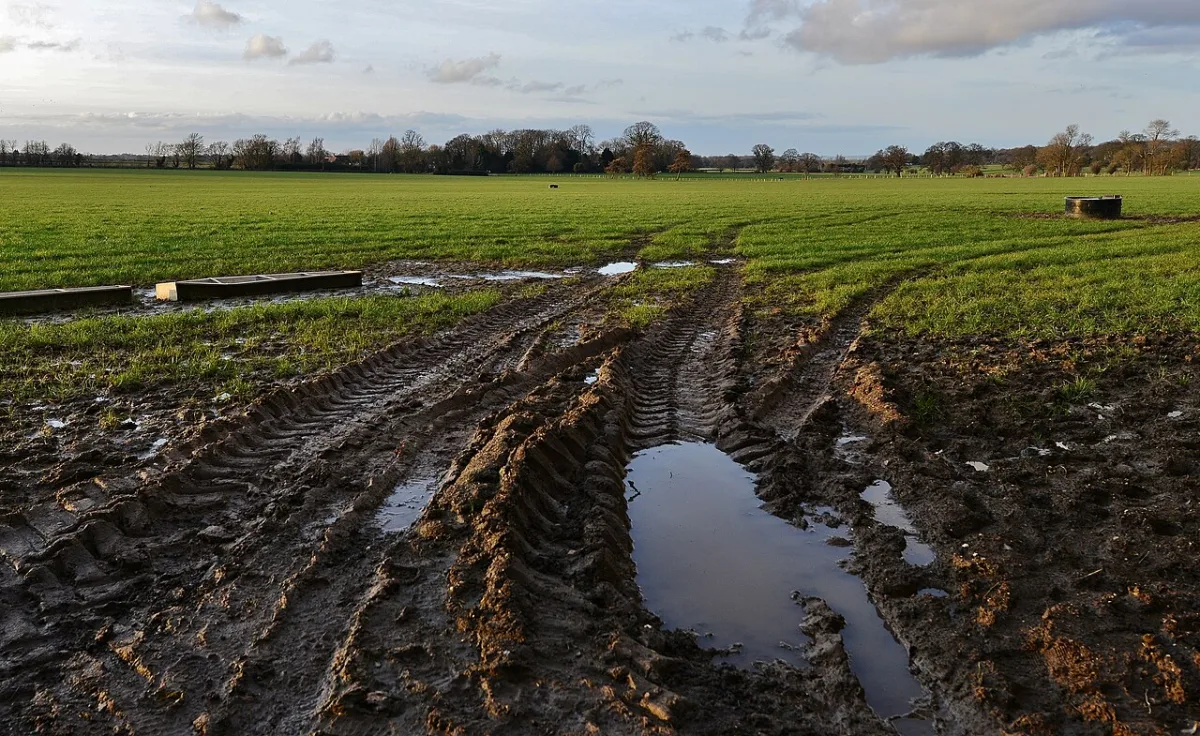
Ploughing with a mouldboard is traditionally considered the basic method of soil tillage, yet modern agronomy increasingly questions whether it is the only viable option. For agronomists and gardeners, the choice of soil tillage technology is becoming a defining factor in maintaining soil fertility, managing water balance, and optimizing crop cultivation costs. Transitioning from classic soil inversion to resource-saving systems requires a deep understanding of the agrophysical processes occurring in the soil profile and accounting for the specifics of individual stages of crop rotation.
In this collection, we have compiled expert materials that will help you understand the nuances of transitioning to minimum and zero tillage. Readers will learn about the results of long-term stationary experiments, which allow for an assessment of the actual impact of different tillage methods on soil fertility indicators. The articles also provide detailed coverage of soil preparation systems for spring crops, starting from the post-harvest period and ending with pre-sowing activities. These materials will help professionals build an effective strategy for protecting fields from moisture loss and expertly plan the technological cycle of soil tillage.