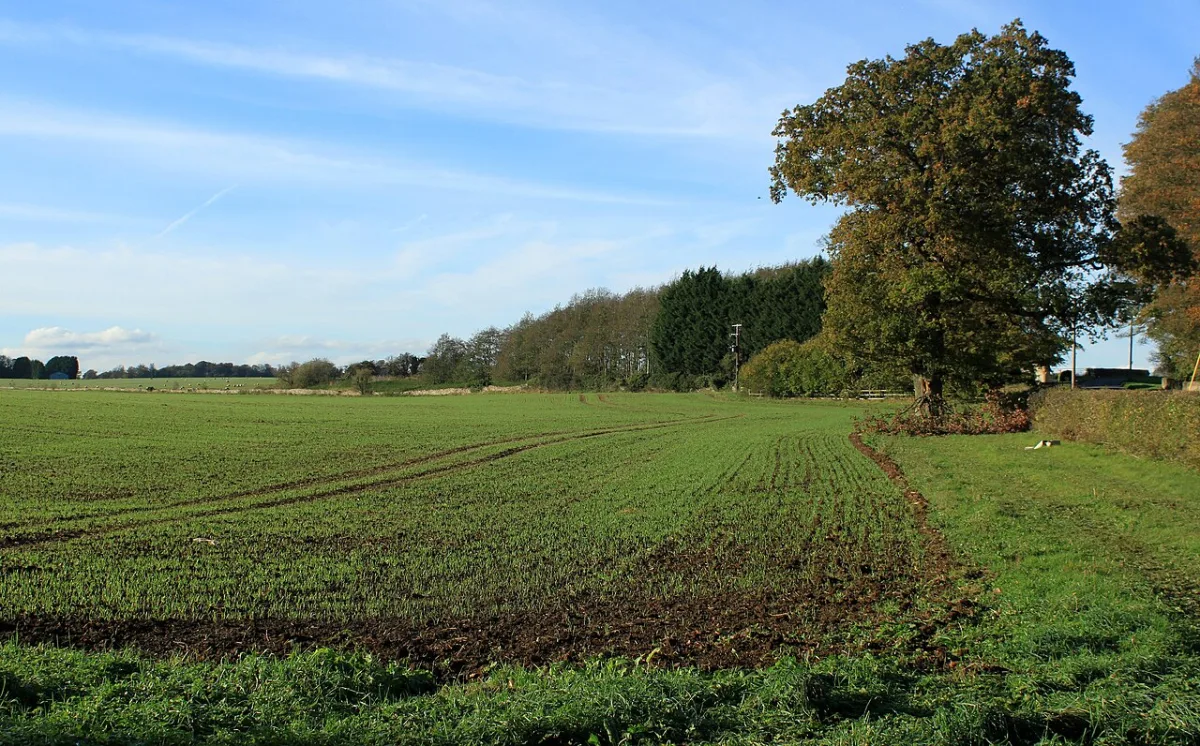
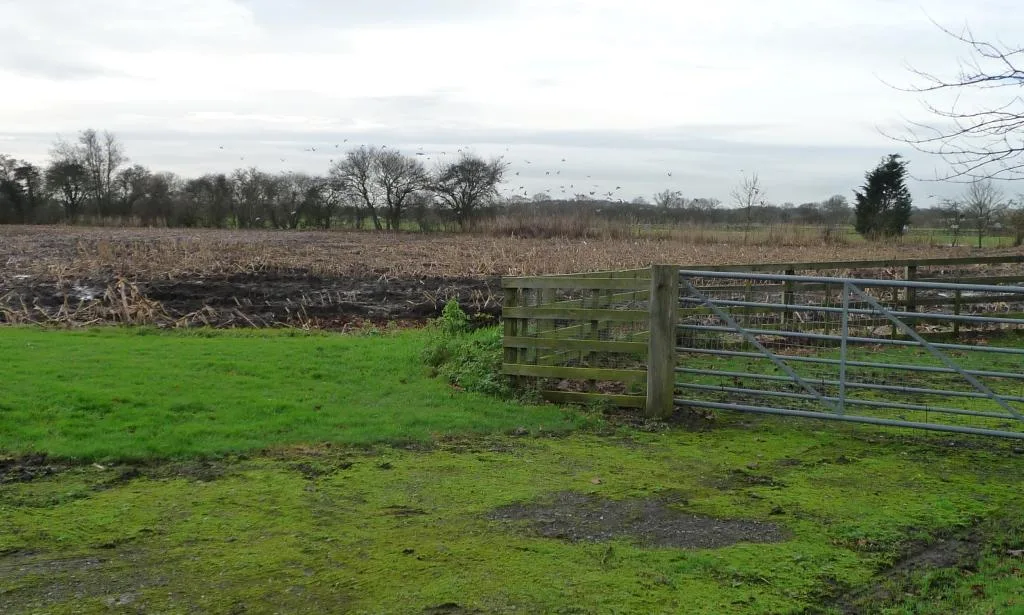
Primary tillage is a fundamental agrotechnical practice that directly determines the structure of the arable layer, the preservation of soil fertility, and the future yield of agricultural crops. The correct choice of a field preparation system—whether it be traditional ploughing, mulch tillage methods, or a transition to minimum tillage—allows for effective regulation of soil density, protection against desiccation, and control of weed infestation in areas. In intensive farming, competent management of the soil's physical state becomes the foundation for adequate plant nutrition and the realization of their genetic potential.
This collection gathers materials highlighting key aspects of soil management: from the selection of implements and tillage technologies after cereal harvesting to the specifics of preparing fields for spring crops, vegetable crops, and sugar beet. You will find expert recommendations on regional tillage peculiarities using the example of the Kuban region, analytical data on the advantages of various loosening methods, as well as information on the principles of optimizing plant nutrition, which are inextricably linked to the quality of the soil substrate. These articles will help systematize knowledge about modern agricultural technologies and make informed decisions to increase the efficiency of field operations.