Crop · 40 articles

Tree

In modern fruit growing, a tree is a complex biological object that requires an agronomist to understand the principles of managing growth, light exposure, and productivity. Proper canopy formation, the selection of cultivar-rootstock combinations, and the skillful application of pruning techniques directly determine the longevity of plantations, harvest quality, and plant resistance to external factors. Working with a tree is a balancing act between root system development and vegetative mass, which requires in-depth knowledge of the morphology and physiology of fruit crops.

This collection brings together materials dedicated to key aspects of working with fruit trees: from establishing an organic orchard and selecting rootstocks to the nuances of top-grafting and canopy reconfiguration. Readers will find detailed guides on creating modern palmettes, methods for optimizing light conditions, and recommendations for the care of specific crops, such as cherry. The articles cover both the fundamental basics of pruning and advanced technologies that help agronomists and gardeners effectively manage tree development at all stages of its life cycle.

Pruning and training For agronomists

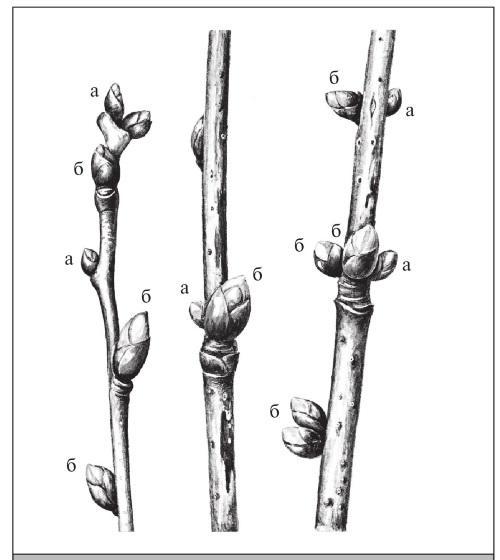
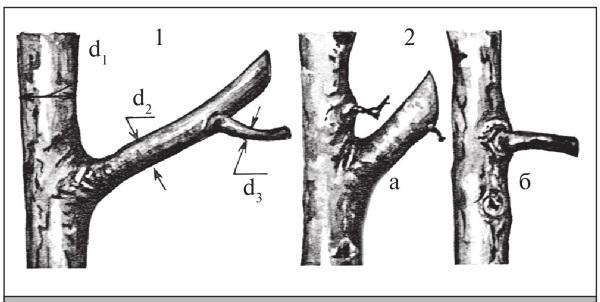
Regulation of tree growth and fruiting by changing the branch angle

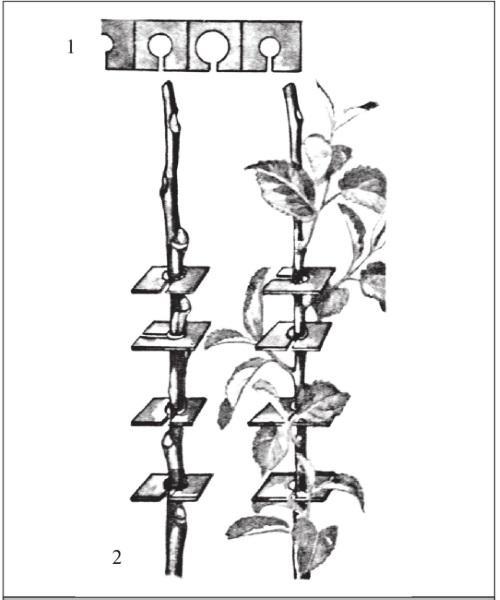
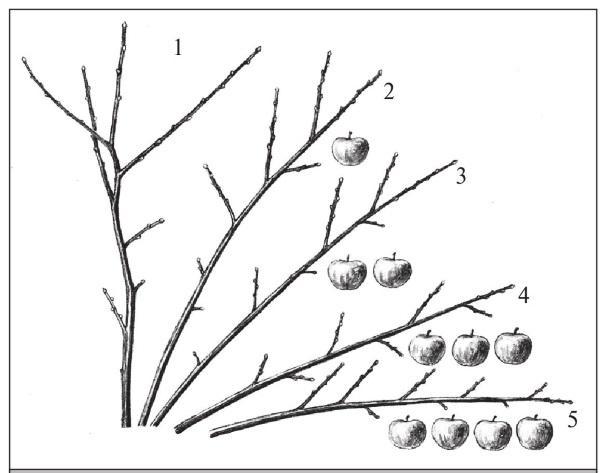
Branch bending is an effective method in intensive horticulture that replaces severe pruning. The article describes the physiological impact of tilting on bud development and suggests proven ways of securing branches to control growth and accelerate fruiting

Pruning and training For students

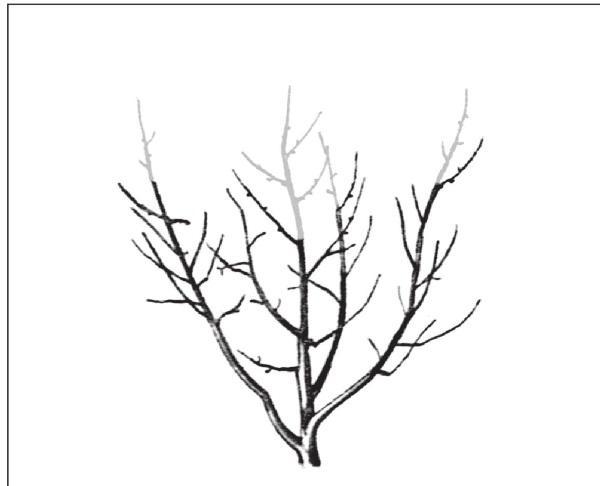
Morphology and main structural elements of a fruit tree canopy

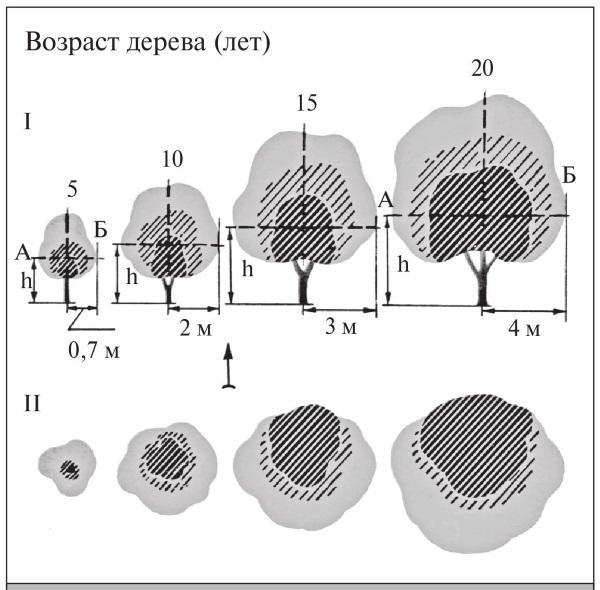
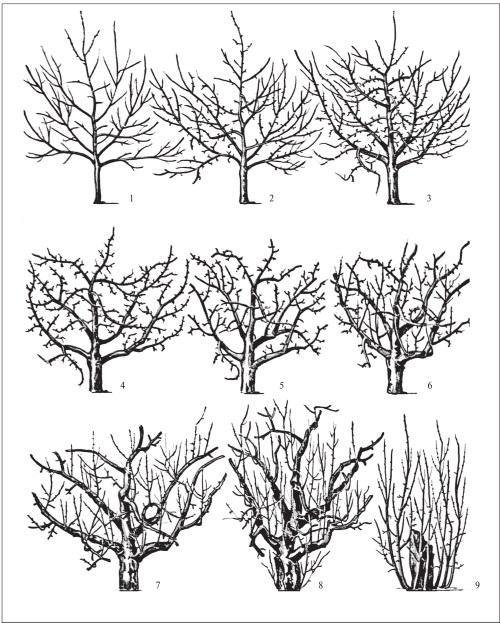
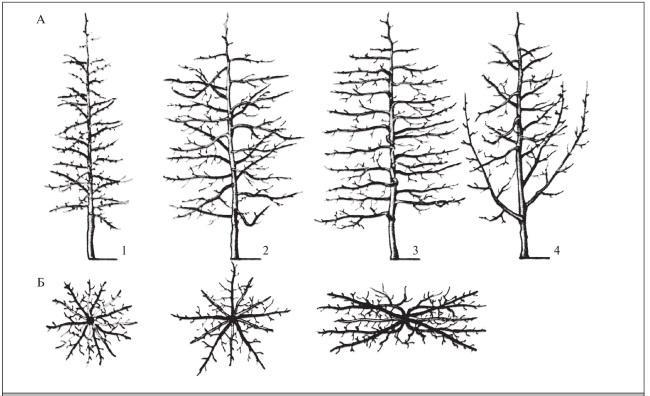
The canopy is the productive framework of a tree, on which the yield and convenience of orchard maintenance depend. The article examines natural canopy forms and the main structural elements of the above-ground part of a fruit tree

Pruning and training For gardeners

Features of forming and pruning tree-type and bush-type cherry cultivars

Effective pruning of cherry depends on the biological characteristics of the cultivar. The article reveals the differences in the fruiting patterns of bush-type and tree-type forms and provides recommendations for the proper care of fruit-bearing branches

Pruning and training For agronomists

Recommended canopy forms of fruit trees for harsh climates

For successful gardening in northern regions, it is important to select the correct canopy type that provides protection for the tree against harsh winters. The article describes methods of forming bush-like and creeping canopies, which allow for preserving the harvest even in unfavorable climatic conditions

Pruning and training For agronomists

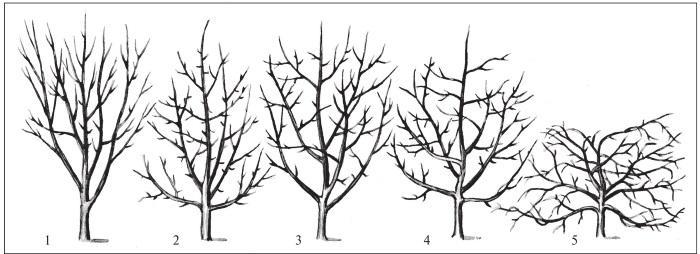
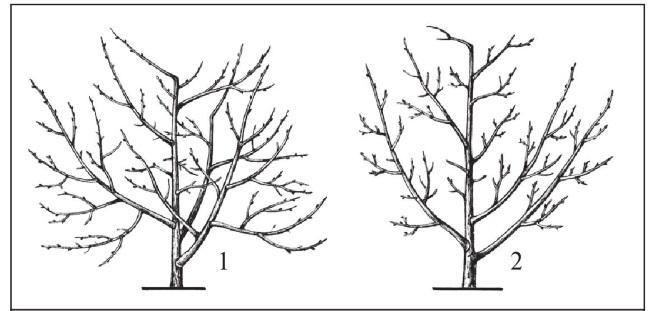
Classification of canopy types and principles of fruit tree training

The article covers the classification of natural and artificial canopies and describes techniques for training the tree skeleton. You will learn how bending and pruning influence orchard development, and how to properly choose the trunk height for specific purposes