Crop · 40 articles

Tree

In modern fruit growing, a tree is a complex biological object that requires an agronomist to understand the principles of managing growth, light exposure, and productivity. Proper canopy formation, the selection of cultivar-rootstock combinations, and the skillful application of pruning techniques directly determine the longevity of plantations, harvest quality, and plant resistance to external factors. Working with a tree is a balancing act between root system development and vegetative mass, which requires in-depth knowledge of the morphology and physiology of fruit crops.

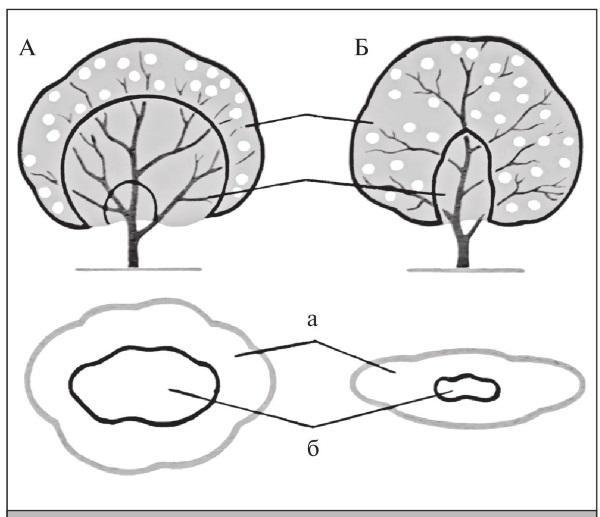
This collection brings together materials dedicated to key aspects of working with fruit trees: from establishing an organic orchard and selecting rootstocks to the nuances of top-grafting and canopy reconfiguration. Readers will find detailed guides on creating modern palmettes, methods for optimizing light conditions, and recommendations for the care of specific crops, such as cherry. The articles cover both the fundamental basics of pruning and advanced technologies that help agronomists and gardeners effectively manage tree development at all stages of its life cycle.

Pruning and training For gardeners

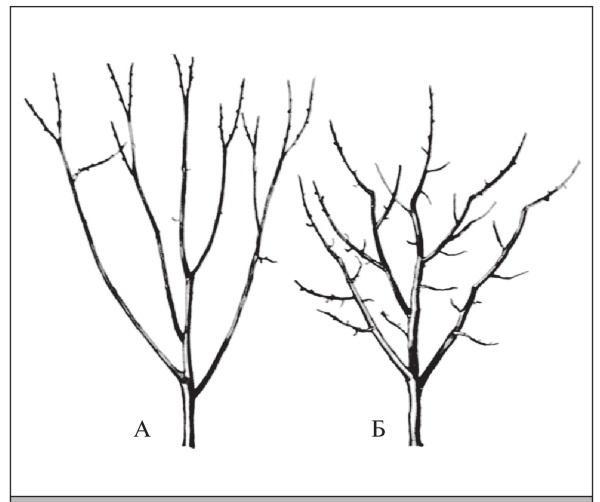
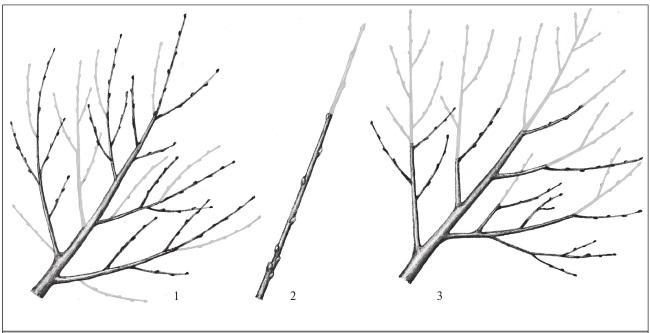
Pruning and canopy formation of fruit-bearing trees in the orchard

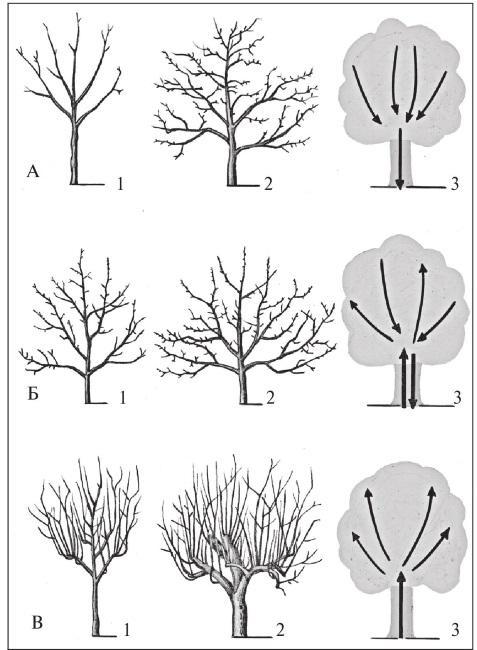
Regular pruning of fruit-bearing trees allows maintaining an optimal canopy structure and ensuring a stable harvest. The article describes methods of controlling overcrowding, rules for branch subordination, and the technology of cyclic pruning for the formation of fruiting structures

Planting and propagation For agronomists

Selection of seed and vegetative rootstocks for fruit crops

The diversity of gardening conditions requires careful selection of rootstocks for pome fruits and stone fruits. The article analyzes the characteristics of seed and vegetatively propagated rootstocks, their influence on tree development, and features of their use in modern fruit growing.

Pruning and training For agronomists

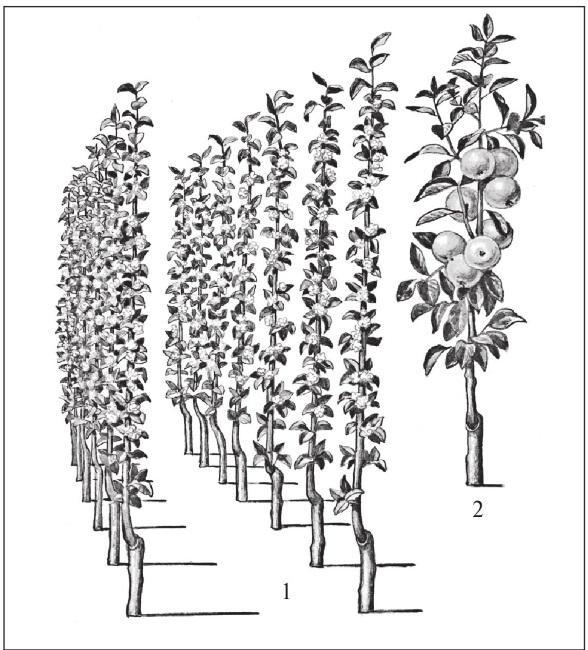
Types and features of natural canopy formation for fruit trees

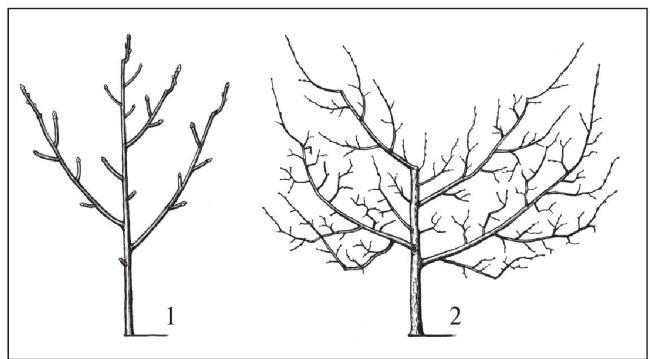
The correct choice of canopy shape determines not only the convenience of harvesting but also the longevity of the fruit tree. The article examines the key features of natural and artificial structures, as well as their advantages and disadvantages in orchard management

Pruning and training For agronomists

Technology of top-grafting fruit trees using framework builders

Top-grafting onto winter-hardy framework builders allows to increase tree winter hardiness and accelerate the first harvest. The article describes the rules for rootstock preparation, scion selection, and the technique for making quality cuts

Pruning and training For gardeners

Basics of pruning and canopy formation of fruit trees

Pruning is a necessary component of the garden care system, without which it is impossible to achieve stable fruiting and structural strength of the tree. Proper canopy formation prevents overcrowding, protects branches from breakage, and promotes the production of high-quality fruit

Fruit growing For agronomists

Basics of fruit tree canopy formation and pruning

Pruning remains a key agrotechnical practice that allows for the regulation of tree development and an increase in harvest quality. This article examines the history of canopy formation and the main advantages of a professional approach to managing fruit crops.

Pruning and training For gardeners

Methods and rules for canopy reformation of fruit trees in the orchard

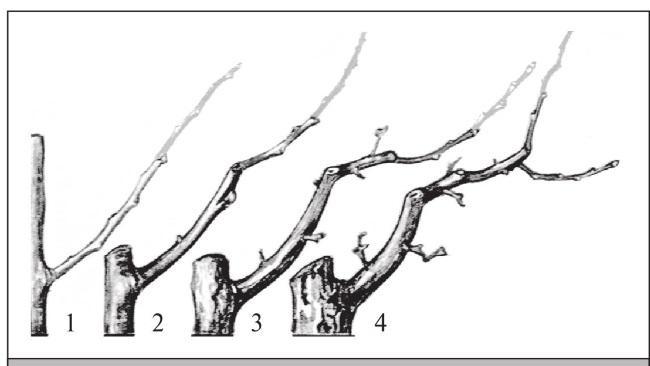
Canopy reformation is necessary when the existing tree shape no longer meets the garden's requirements. The article examines permissible methods for changing canopy structure and the step-by-step technique of converting rounded forms into palmette in young trees

Pruning and training For agronomists

Main types and purposes of pruning fruit trees in the garden

Pruning is a crucial agrotechnical practice that allows for the regulation of a tree's growth and fruiting. This article covers three main types of pruning, their purposes, and their significance for the health and productivity of your garden