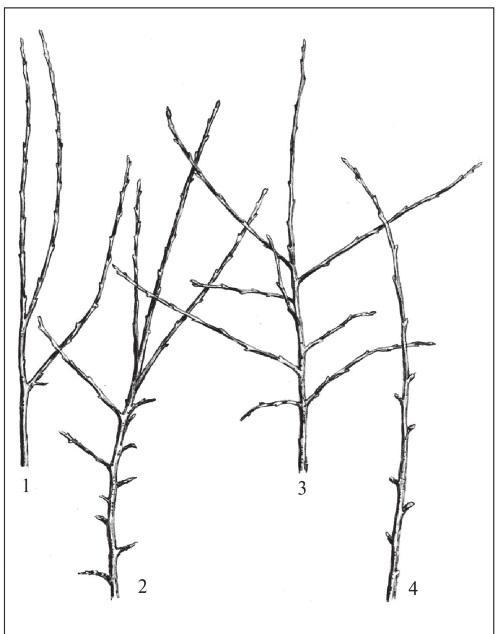
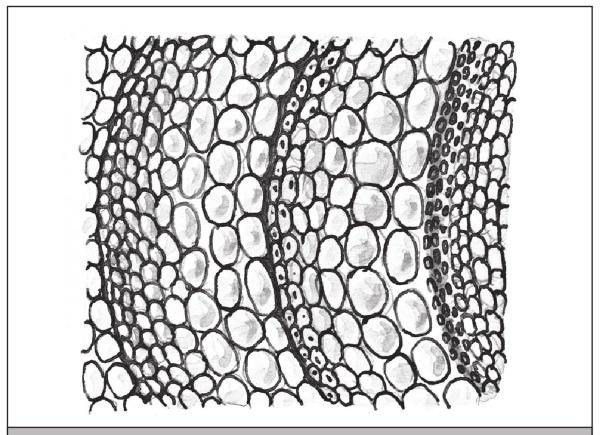
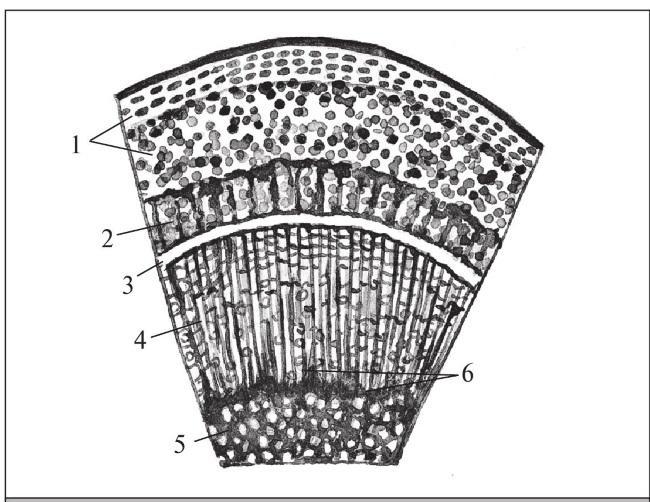
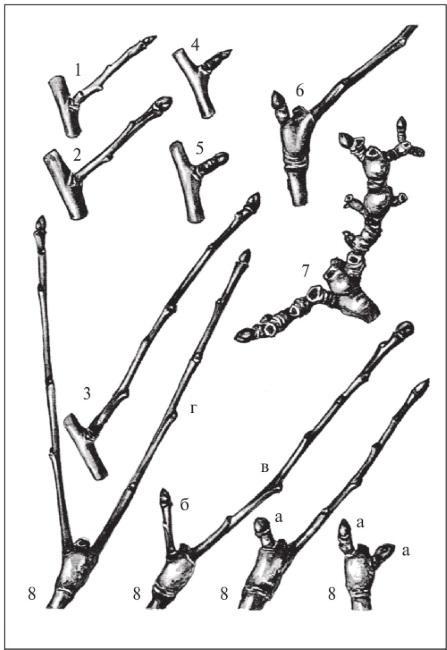
In modern fruit growing, a tree is a complex biological object that requires an agronomist to understand the principles of managing growth, light exposure, and productivity. Proper canopy formation, the selection of cultivar-rootstock combinations, and the skillful application of pruning techniques directly determine the longevity of plantations, harvest quality, and plant resistance to external factors. Working with a tree is a balancing act between root system development and vegetative mass, which requires in-depth knowledge of the morphology and physiology of fruit crops.
This collection brings together materials dedicated to key aspects of working with fruit trees: from establishing an organic orchard and selecting rootstocks to the nuances of top-grafting and canopy reconfiguration. Readers will find detailed guides on creating modern palmettes, methods for optimizing light conditions, and recommendations for the care of specific crops, such as cherry. The articles cover both the fundamental basics of pruning and advanced technologies that help agronomists and gardeners effectively manage tree development at all stages of its life cycle.