Concept · 38 articles

Active ingredient

The active ingredient is a key component of any agrochemical agent, be it mineral fertilizer, insecticide, herbicide, or a product for land reclamation. Understanding the composition, chemical properties, and principles of how these substances interact with soil and plants is essential for properly planning a crop protection system, improving soil fertility, and combating weed resistance. Knowledge of the mechanisms of action allows agronomists not only to use products effectively but also to minimize risks associated with the accumulation of residual chemical compounds in produce and the environmental safety of agricultural lands.

This selection brings together materials on a wide range of chemical agents used in crop and livestock production. You will find expert reviews on fertilizer production technologies, methods of chemical reclamation for alkaline and acidic soils, as well as analytics on the effectiveness of modern insecticides and herbicides. The articles provide a detailed examination of phytosanitary control issues, laboratory analysis methods for pesticide residues, and the specifics of crop nutrition. This information will be useful to specialists striving to optimize agrotechnical processes based on precise data regarding plant physiology and the chemical composition of the agents applied.

Plant protection For agronomists

Biological plant protection of vegetable crops against diseases and nematodes

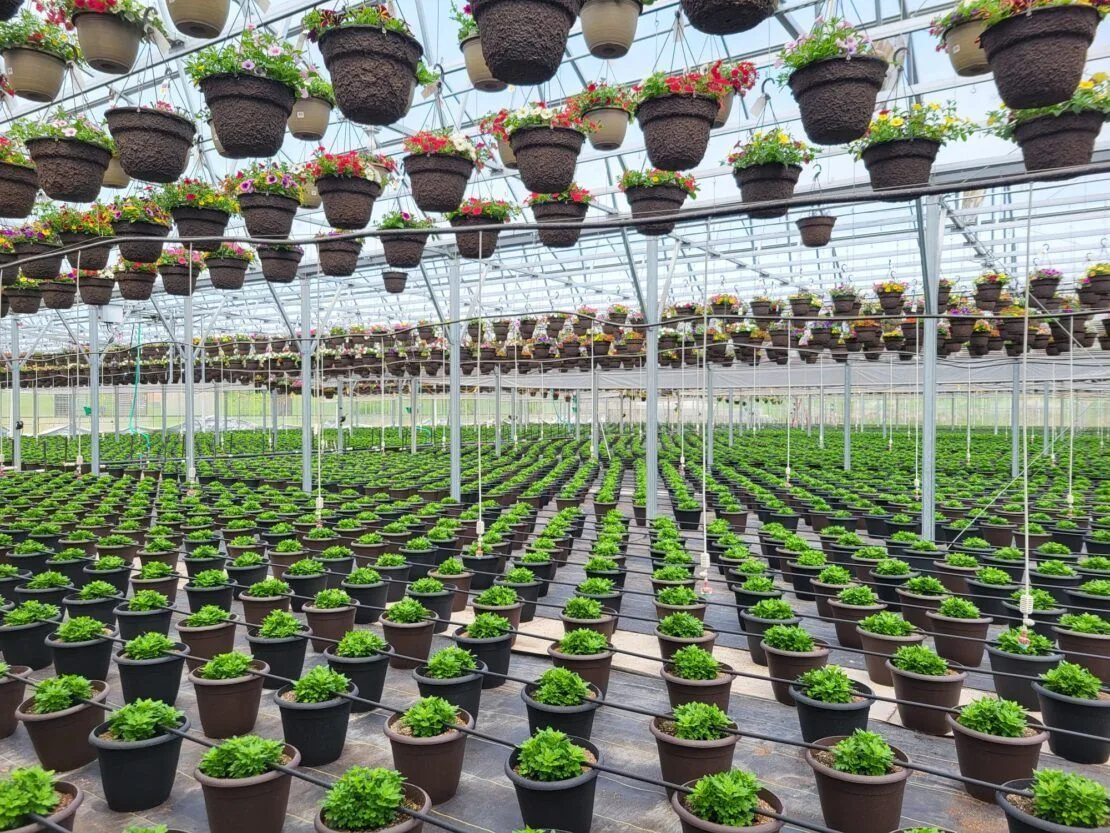
Agronomists use biological pest and disease control methods in greenhouses, including the application of trichothecin against powdery mildew of cucumbers and avermectin complex against root-knot nematodes on tomatoes. The article contains regulations for the application of preparations and a comparative analysis of their application methods

Agrochemistry For students

Methodology of planning and technique of conducting field agrochemical experiments

The article describes the stages of preparation for scientific research in agrochemistry: from choosing a topic and formulating a hypothesis to developing a program and structure for a field experiment. The material will help to systematize the approach to establishing experiments and selecting methodological elements

Agrochemistry For students

Optimizing mineral nutrition of vegetable crops and potatoes

To increase the yield and quality of vegetables, it is necessary to regulate the composition of fertilizer depending on the biology of a specific crop and soil conditions. The article provides information on the chemical composition of vegetable plants and potatoes, which is important for the proper management of agricultural crop nutrition